Why fighter jets cannot simply escape gravity?

Fighter jets are fast, but they can never escape Earth’s gravity. From limited speed to fuel needs and engine design, discover why jets cannot reach space and what makes rocket science completely different.
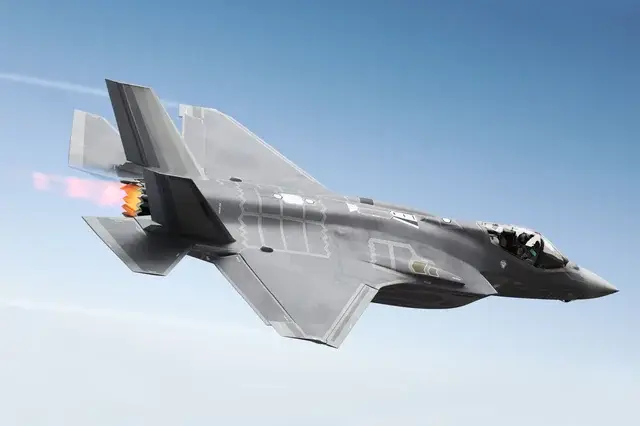
Gravity is a fundamental force
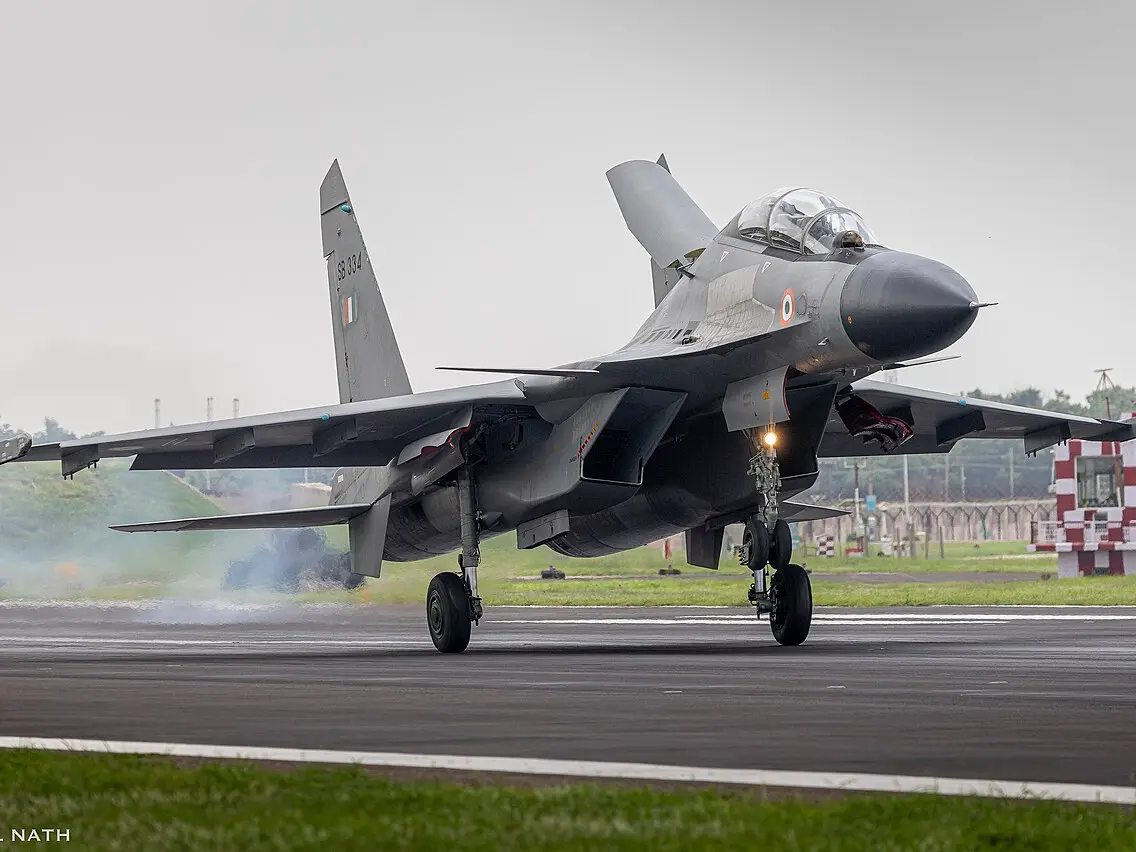
Fighter jets cannot outrun gravity because they're designed for atmospheric flight, not space travel. Gravity is a fundamental force that affects everything on Earth, and aircraft must work with it, not against it.
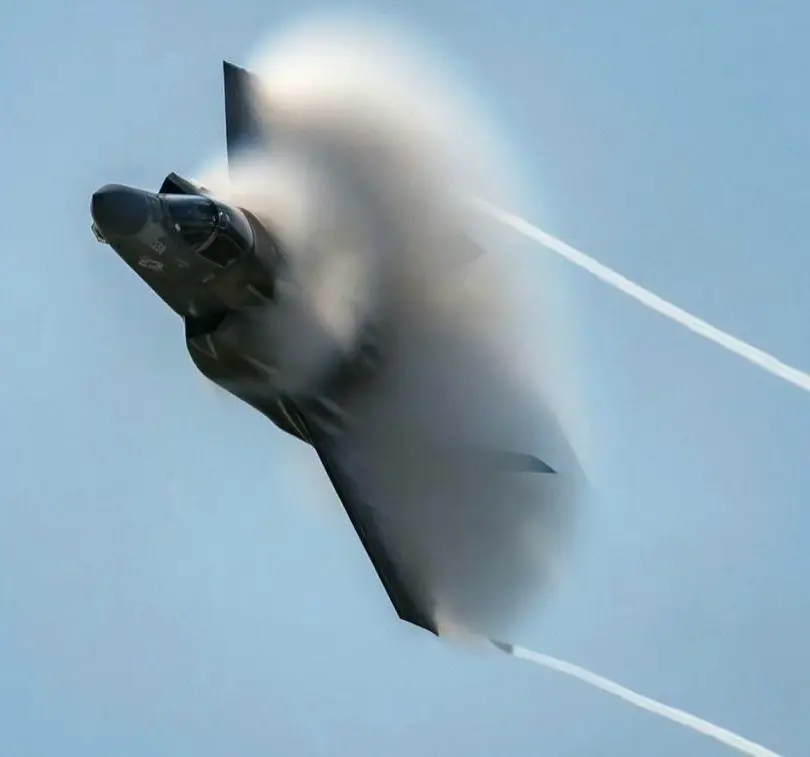
Escape Earth's gravity
To escape Earth's gravity completely, an object needs to reach escape velocity - about 40,000 km/h. Even the fastest fighter jets reach around 3,500 km/h, which is less than 10 per cent of the required speed.
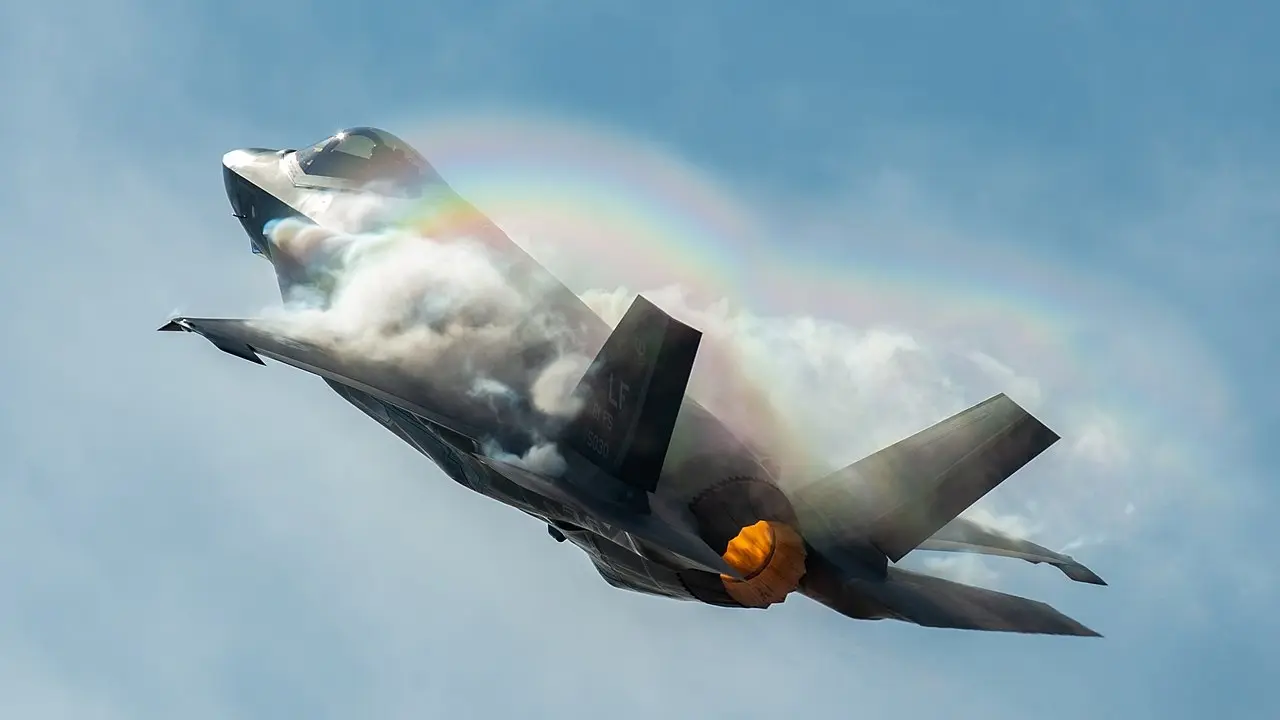
Earth's atmosphere
Fighter jets generate lift by pushing air downward, which pushes the aircraft upward. This only works within Earth's atmosphere. In space, there's no air to push against, so wings become useless.
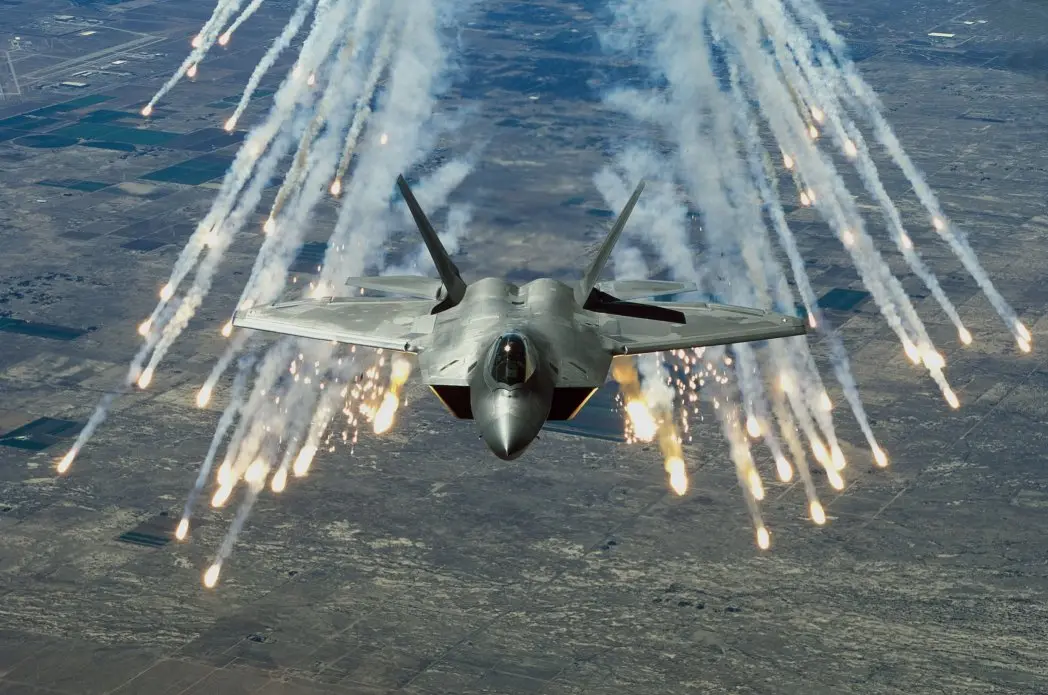
Jet engines require oxygen
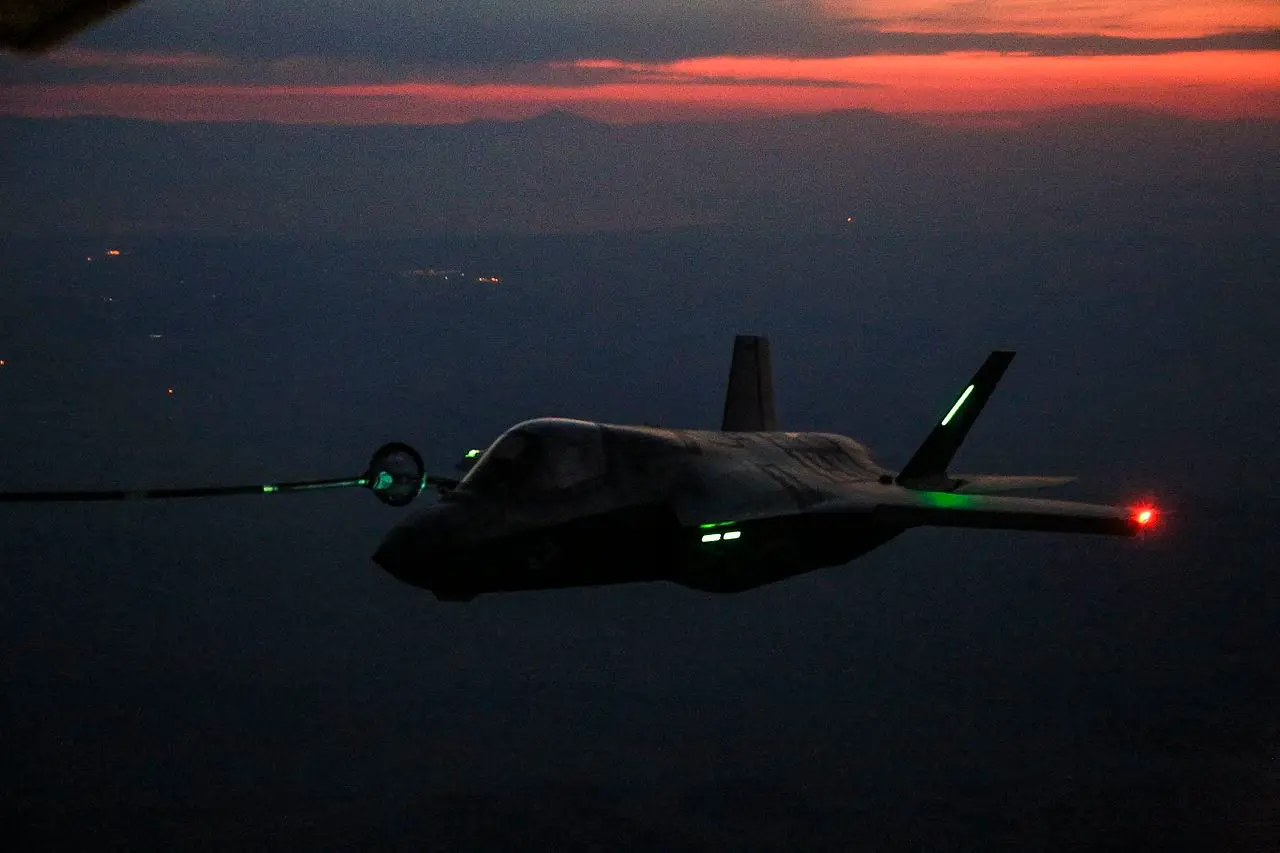
The engines are also limited. Jet engines require oxygen from the atmosphere to burn fuel. As altitude increases, the air becomes thinner, and engines lose power. Eventually, they stop working entirely.
Gravity is enormous
Even if a jet could reach escape velocity, it would need massive amounts of fuel. The energy required to escape gravity is enormous. Fighter jets carry enough fuel for hours of flight, not the energy needed for space travel.
Experimental aircraft
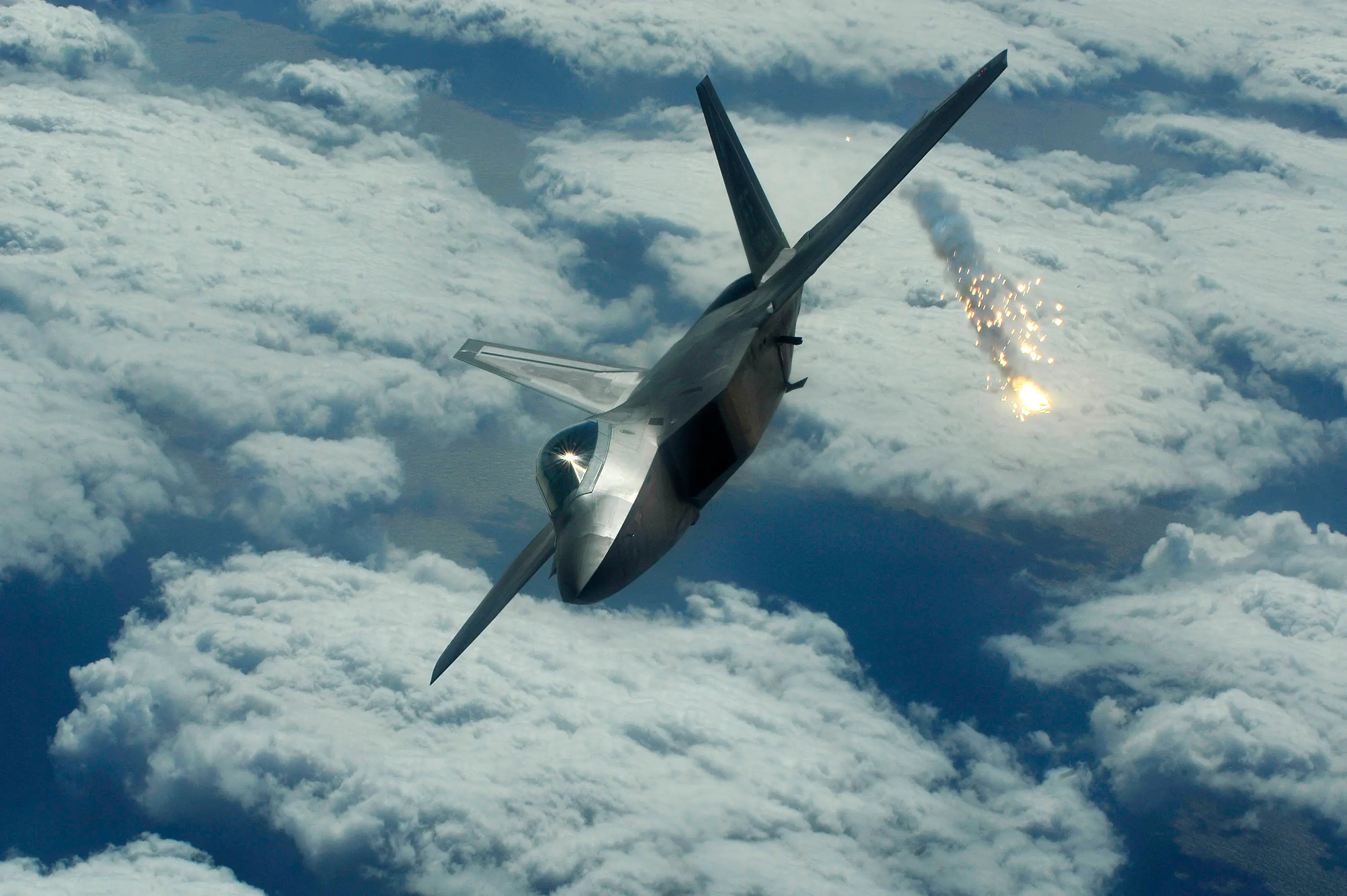
Some experimental aircraft have reached the edge of space, but these are rocket-powered, not jet-powered. The X-15 reached an altitude of 107 kilometres, but it was designed specifically for high-altitude research.
Space travel requires completely different technology
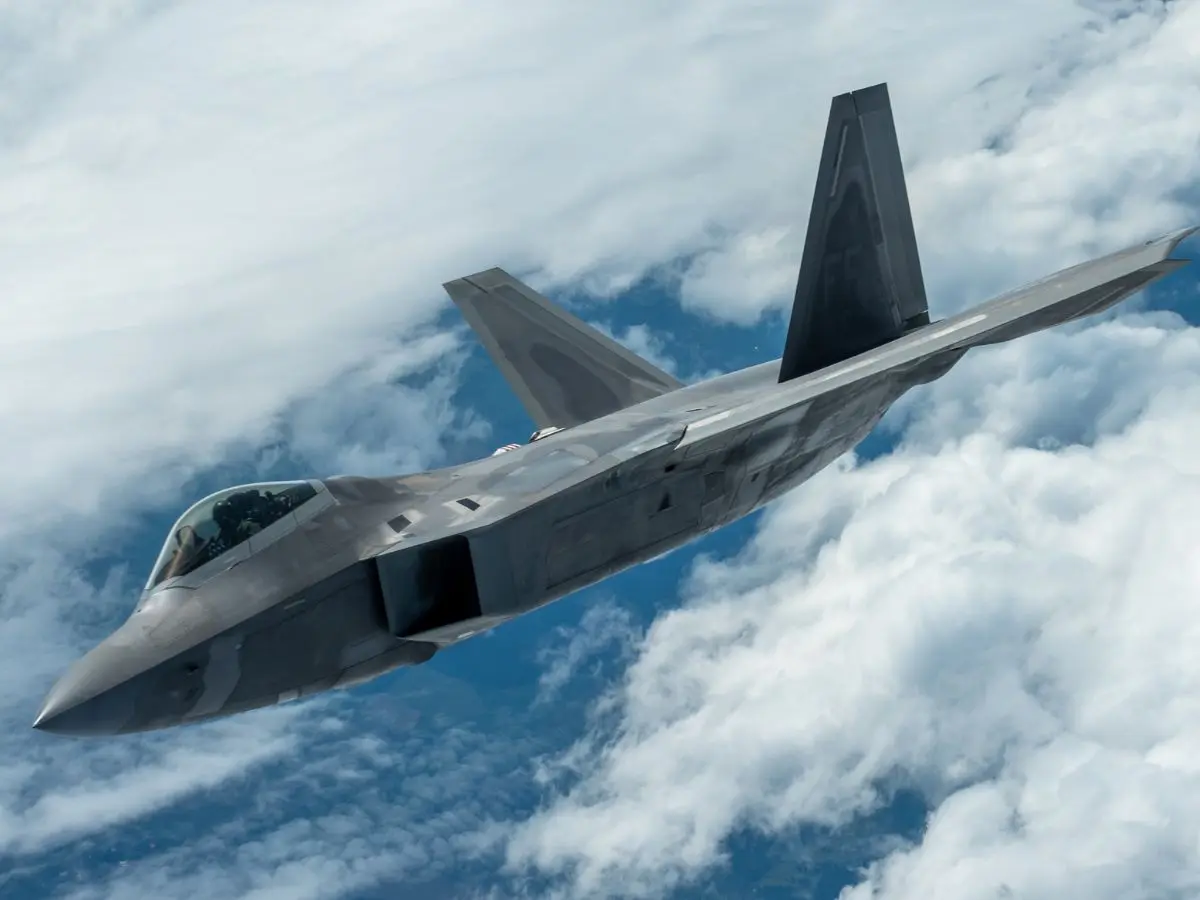
So while fighter jets are incredibly fast and can fly very high, they're bound by the laws of physics and Earth's gravity. Space travel requires completely different technology and much more energy than jets can provide.
)
)
)
)
)