Why China is building the world’s largest navy and how fast it’s growing

In under twenty years the People’s Liberation Army Navy (PLAN) has transformed from a largely coastal defence force into the world’s largest navy by number of ships.
Introduction — scale and pace
China’s naval expansion is one of the most significant shifts in global military power in the twenty-first century. In under twenty years the People’s Liberation Army Navy (PLAN) has transformed from a largely coastal defence force into the world’s largest navy by number of ships. This rapid growth is influencing regional strategies, reshaping maritime security, and forcing other navies to adapt at speed.
How many ships and how fast they’re being built
China’s naval expansion represents one of the most dramatic shifts in global military balance this century. In less than two decades, the People’s Liberation Army Navy (PLAN) has evolved from a coastal defence fleet into the world’s largest in terms of ship numbers. This extraordinary build-up is reshaping regional strategy, altering maritime security calculations, and compelling rival navies to accelerate their own modernisation. According to the Global Firepower Index, China now fields the most powerful navy globally.
How many ships and how fast they’re being built
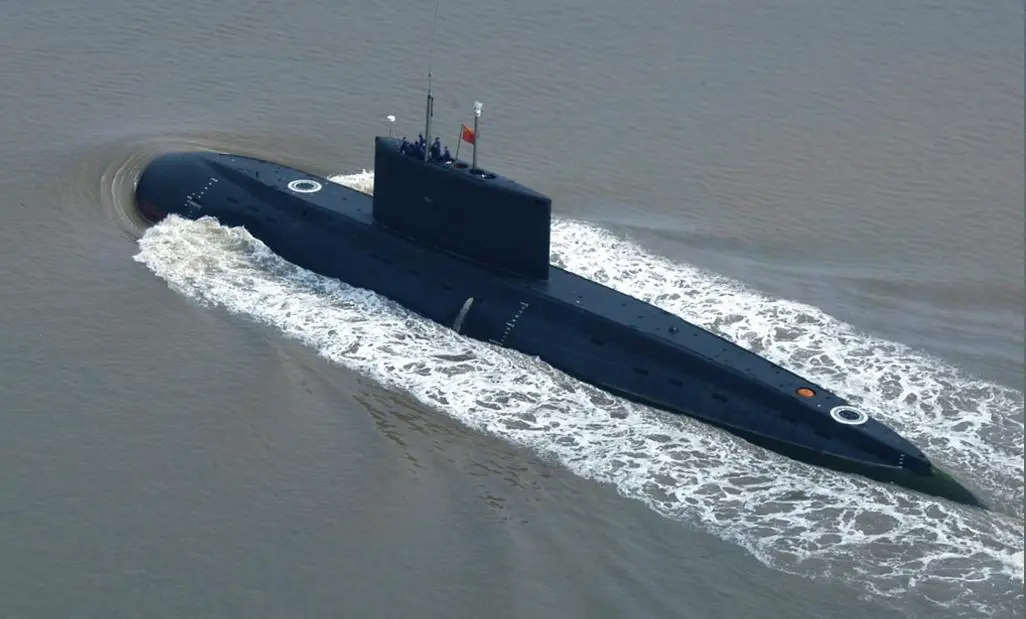
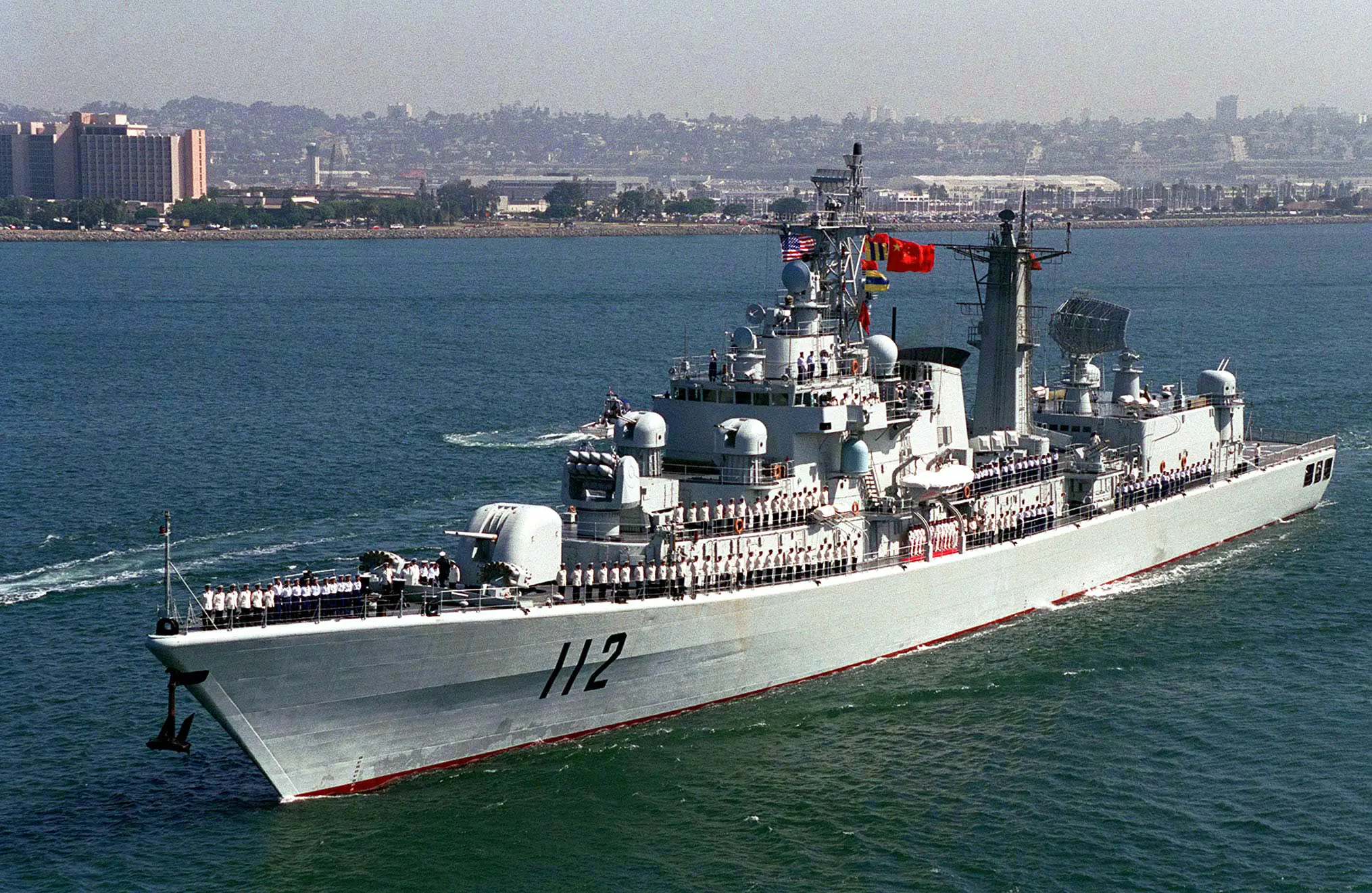
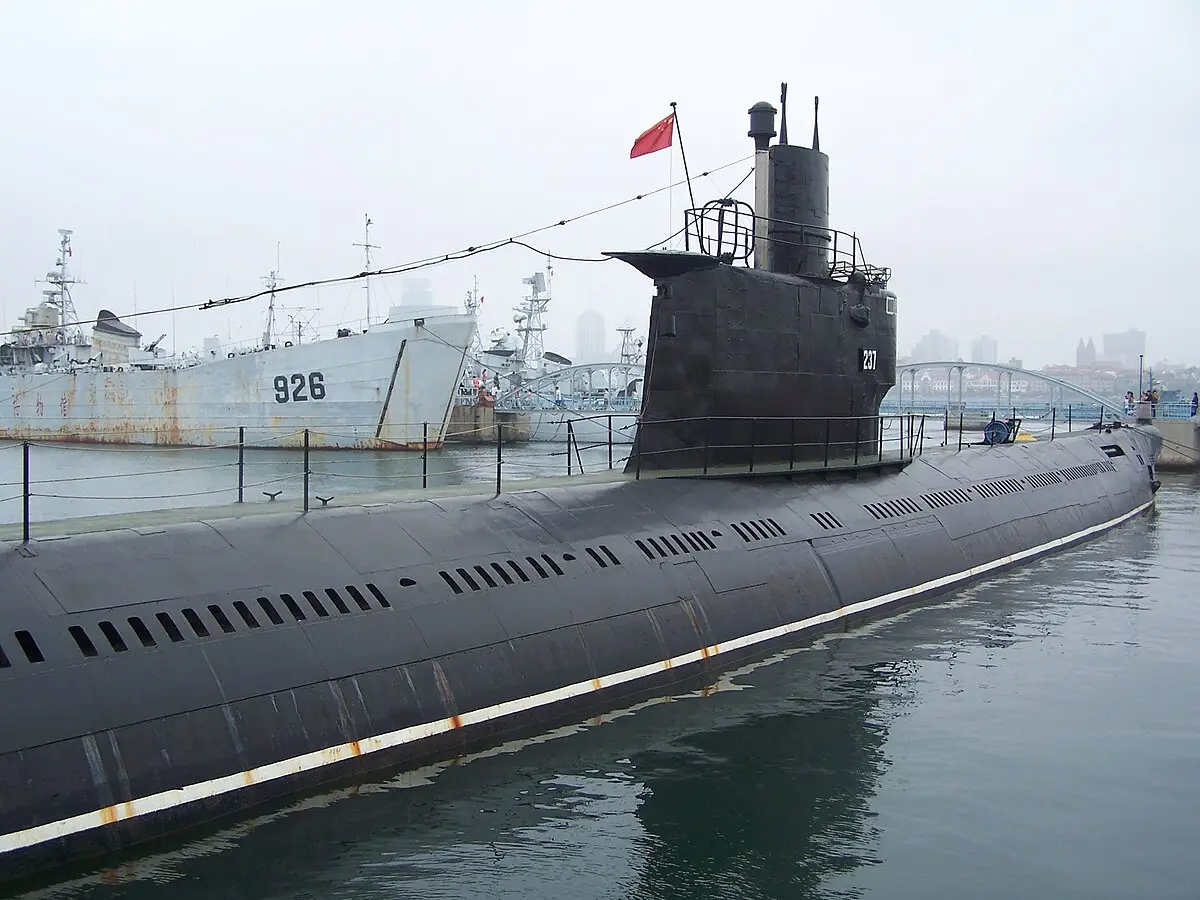
According to the Global Firepower Index, China has 754 total naval assets from surface combatants and submarines, surpassing every other navy in fleet size, including 3 Aircraft carriers, 50 Destroyers, 47 Frigates, 4 Helicopter Carrier and 61 Submarines. Its shipyards deliver new vessels at a pace unmatched globally, producing destroyers, frigates, corvettes and support ships in overlapping cycles. This industrial consistency, rather than any single platform, is driving China’s rise as a major maritime power.
Aircraft carriers: a clear marker of ambition
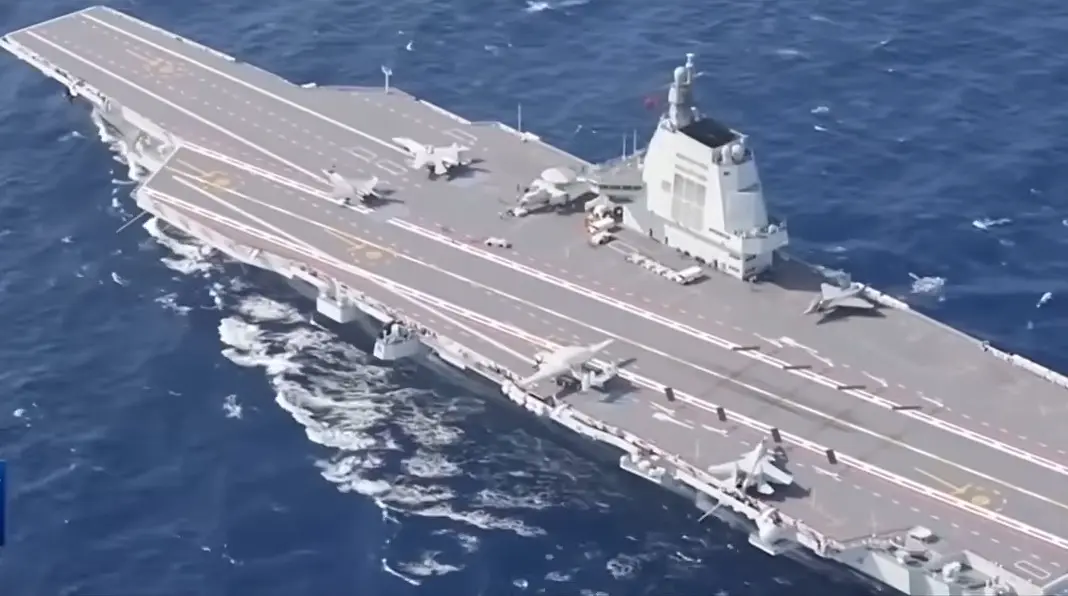
The commissioning of the Fujian, China’s third and most advanced aircraft carrier, marks a strategic leap. It is the country’s first carrier equipped with electromagnetic catapults, allowing heavier aircraft, including early-warning planes, to operate effectively. With three carriers now in service, China is moving from regional carrier operations towards sustained blue-water capability and longer-range power projection.
Industrial backing: shipyards and commercial dominance
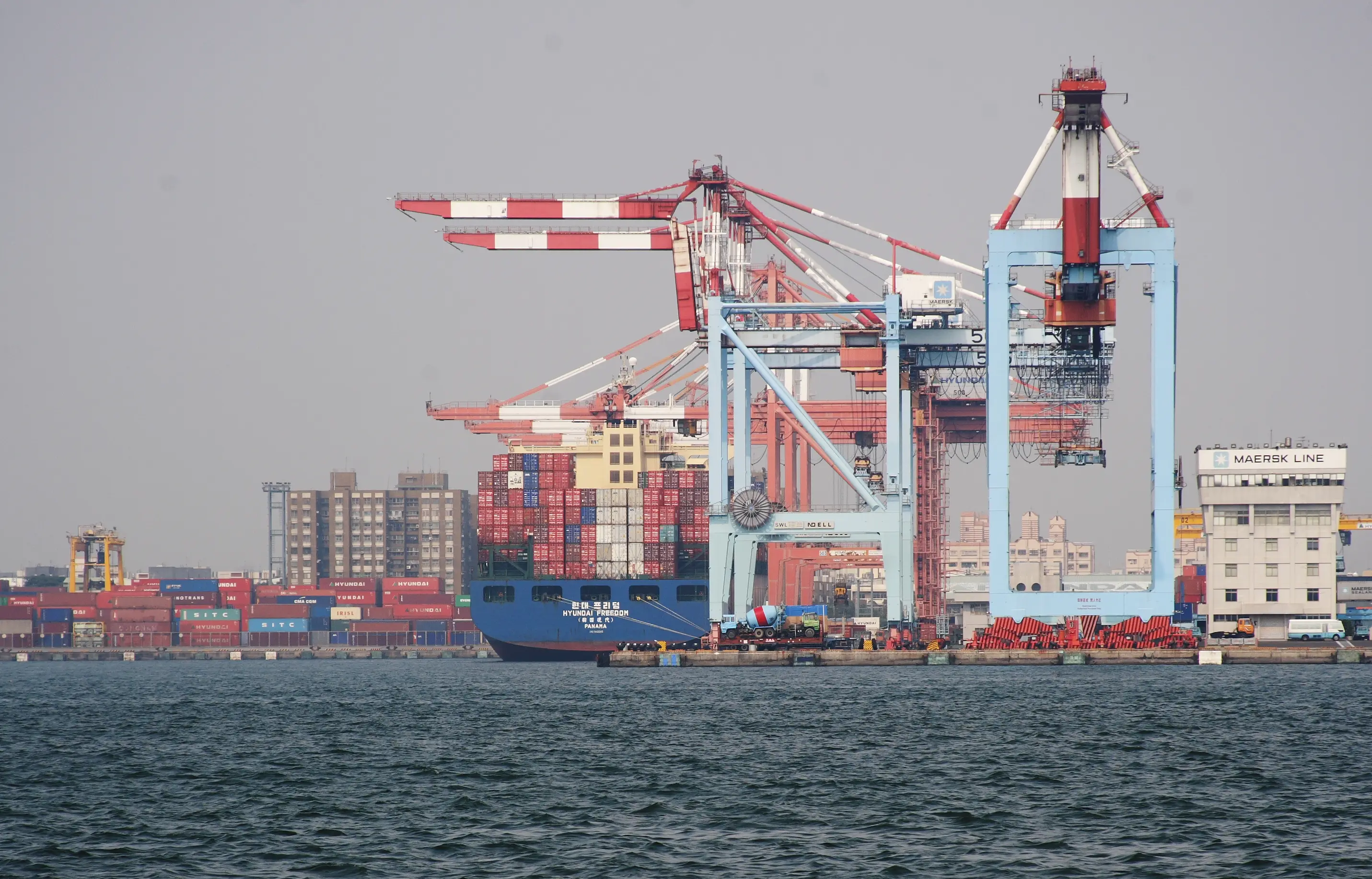
China’s naval growth is supported by the world’s largest commercial shipbuilding industry. Its state-owned shipyards dominate global production, giving the PLAN a steady supply of hulls and the capacity to scale quickly. While other nations struggle with delays and labour shortages, China maintains a continuous, high-volume construction rhythm that few can rival.
Strategic drivers: why Beijing wants a big navy
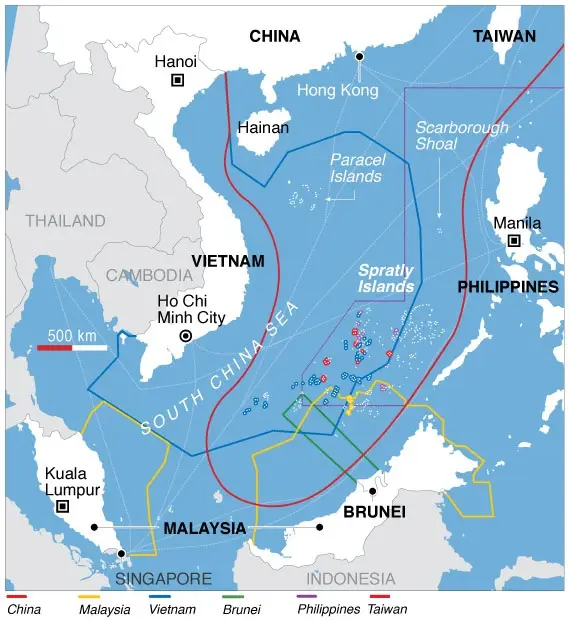
Beijing’s push for a larger navy is shaped by several strategic priorities: securing maritime trade routes, enforcing territorial claims in the South and East China Seas, deterring foreign intervention in a Taiwan crisis, and expanding influence across the Indian Ocean. A powerful navy, supported by logistics ships and submarines, allows China to operate far from its shores and defend its interests with confidence.
Capability versus numbers: important limitations
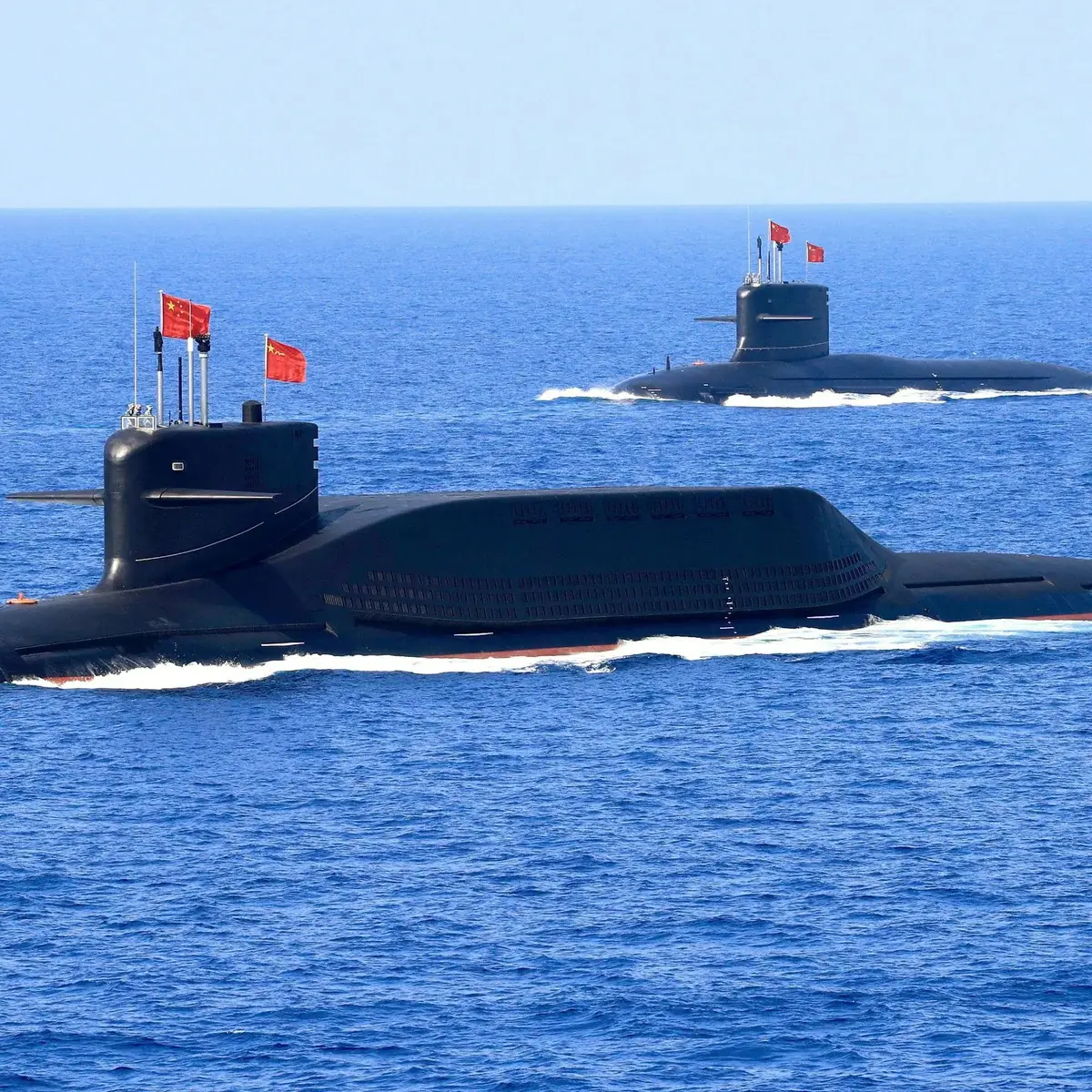
Despite its size, the PLAN still faces qualitative challenges. The United States retains advantages in nuclear-powered aircraft carriers, global basing, combat-tested crews and integrated logistics. China continues to build advanced systems rapidly, but training, maintenance and real-world operational experience will determine how effectively its new platforms perform over time.
Regional and global consequences
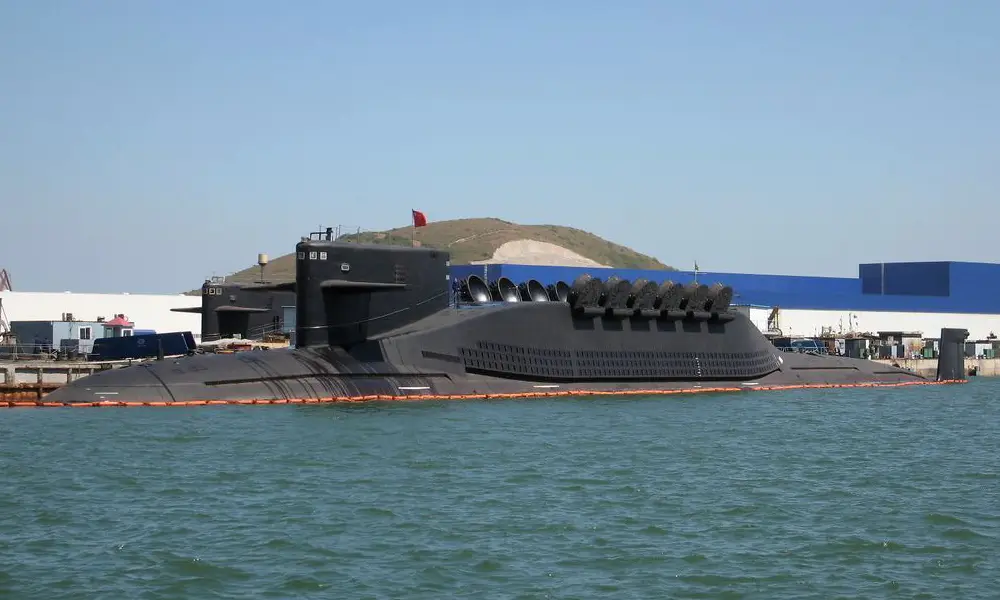
China’s naval rise has triggered increased defence spending across the Indo-Pacific, renewed alliances, and expanded maritime patrols. Countries such as Japan, India, Australia and South Korea are reassessing regional security and accelerating shipbuilding programmes.
)
)
)
)
)