Why cars use more fuel in city traffic than on highways

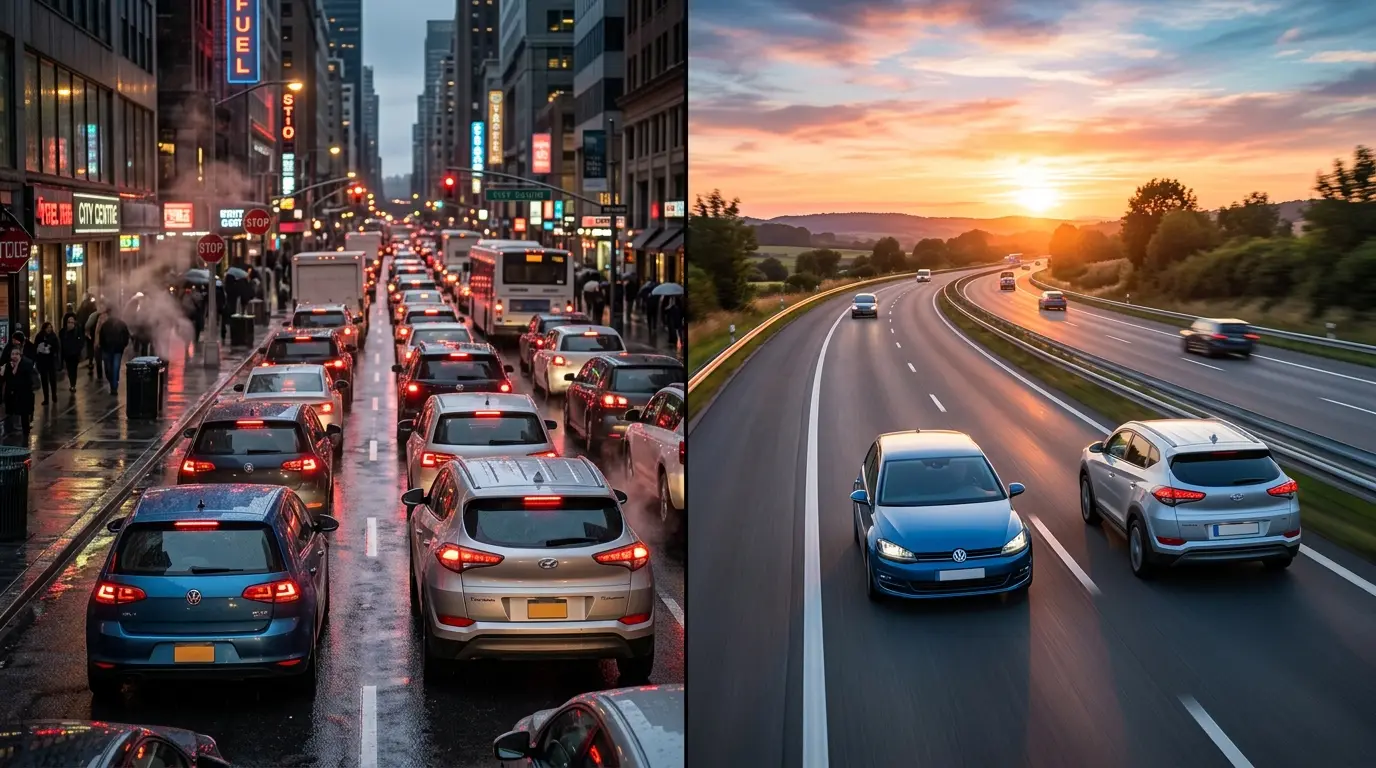
City traffic increases fuel consumption because idling and constant stop-and-start acceleration force engines to work harder in low gears. Conversely, highway driving maintains steady momentum in high gears, maximising your car's fuel efficiency.
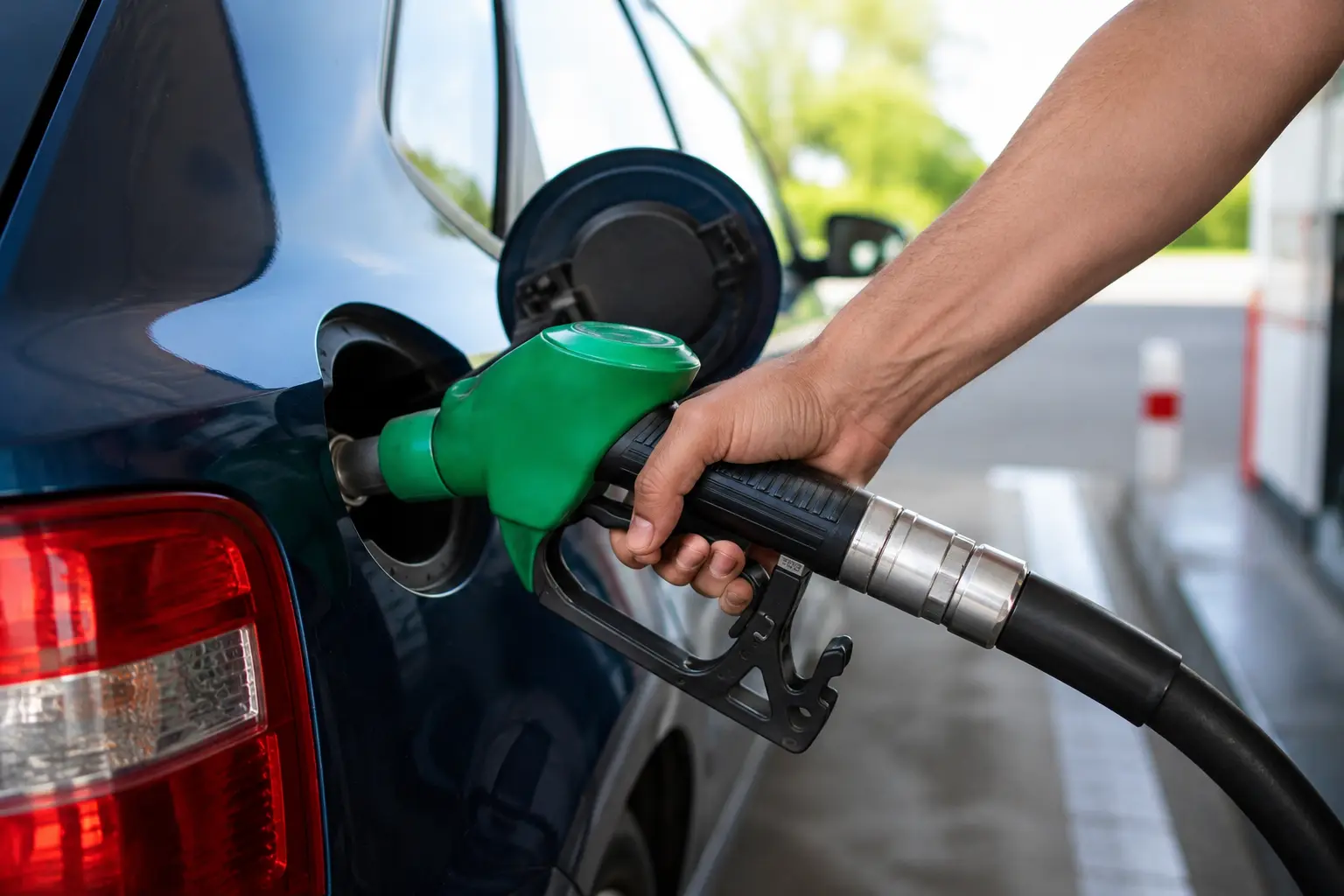
The zero MPG problem
When your car is stuck in traffic or waiting at a red light, the engine continues to burn fuel. The Energy Saving Trust notes that idling uses fuel while covering zero distance, instantly destroying your overall fuel economy.
Accelerating from a standstill
Moving a heavy vehicle from a complete stop requires a massive surge of mechanical energy. Transport experts explain that constant stop-and-start acceleration in cities burns significantly more fuel than maintaining a rolling speed.
Wasted kinetic energy
When you accelerate, your engine burns fuel to create forward momentum. The RAC explains that frequently braking in unpredictable city traffic completely wastes that expensive kinetic energy, turning it into useless heat through the brake pads.
The penalty of low gears
Crawling in heavy urban traffic forces your vehicle's transmission to remain in first or second gear. Driving at low speeds in lower gears causes the engine to rev much higher per mile, rapidly draining your fuel tank.
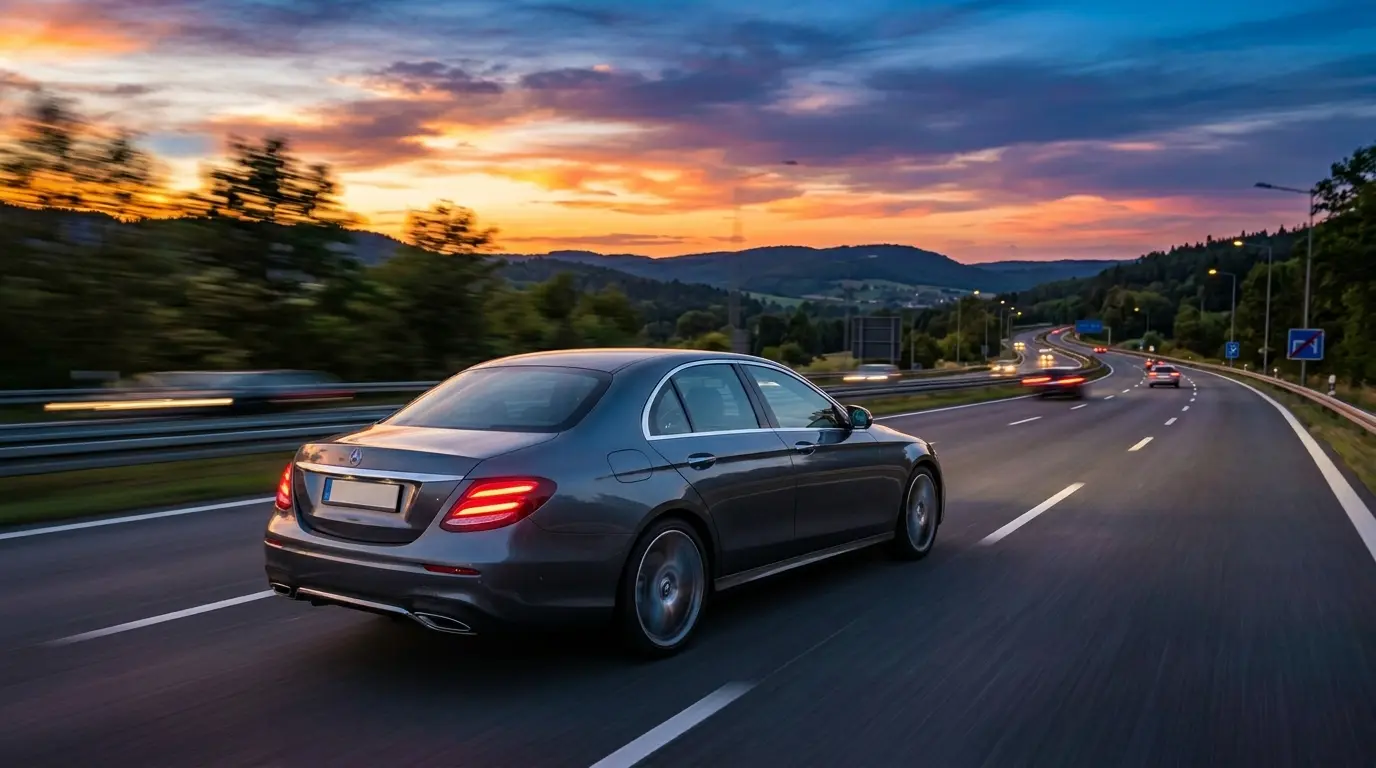
Highway momentum advantage
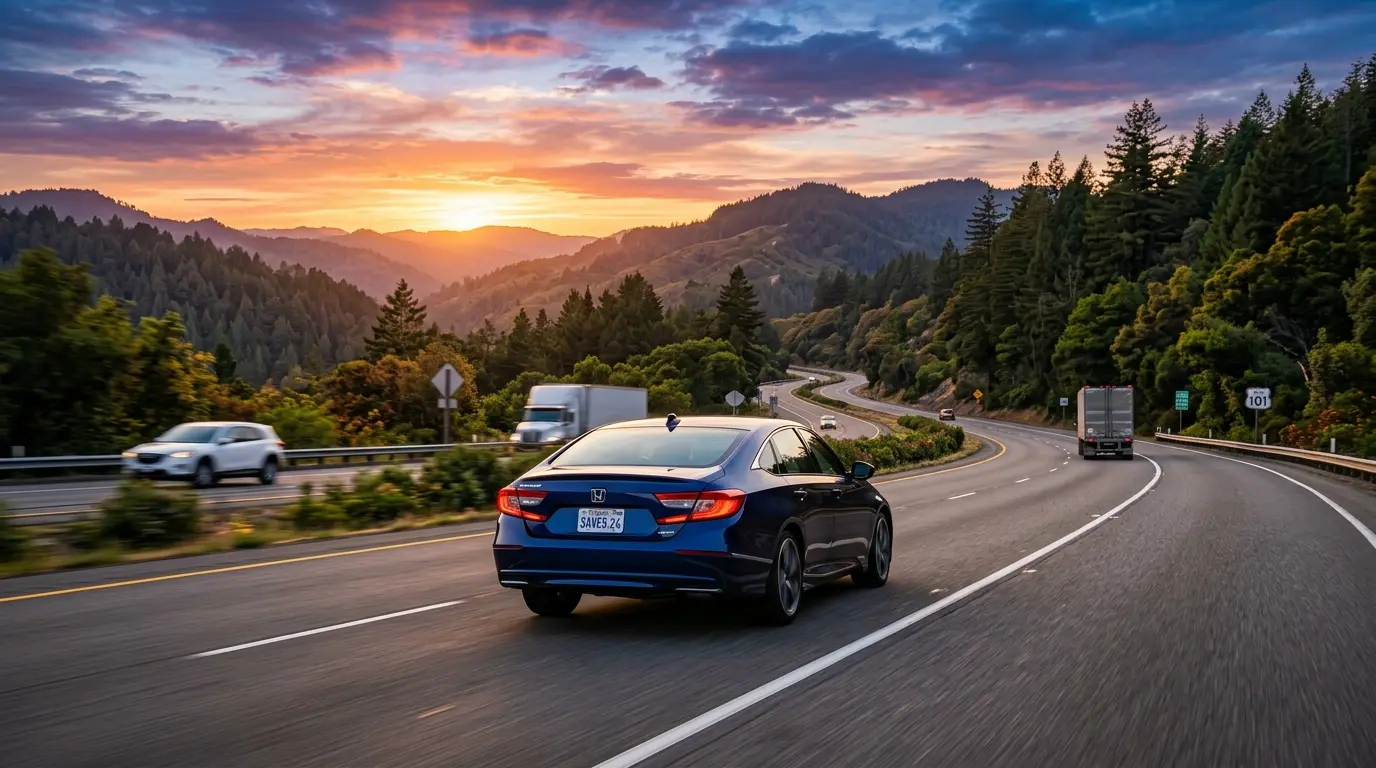
Cruising on a highway is highly efficient because it requires very little energy to keep a moving object in motion. Automotive engineers state that maintaining a steady momentum requires only a fraction of the fuel needed for city acceleration.
The efficiency of high gears
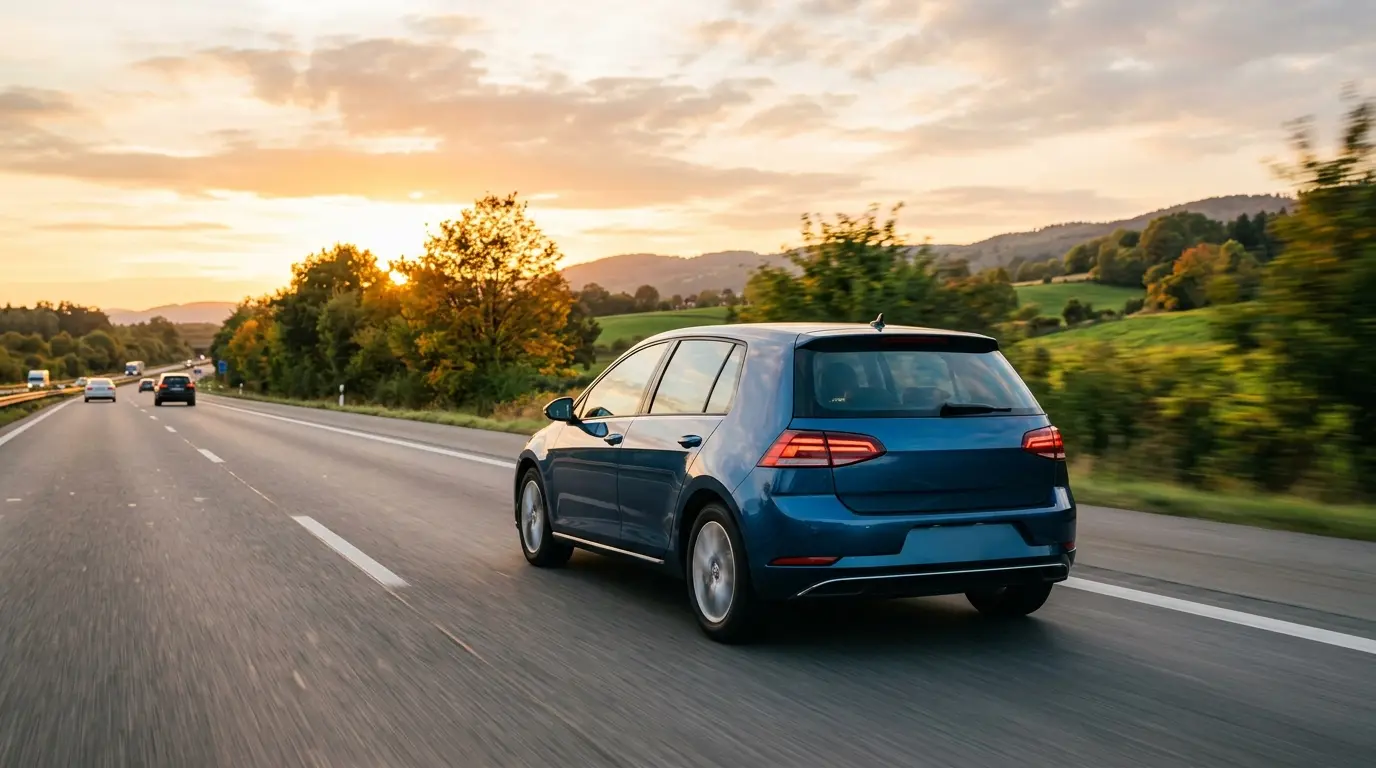
Once on the open road, your car can easily shift up into its highest gears. According to the AA, running in fifth or sixth gear allows the engine to operate at much lower revolutions, burning significantly less petrol.
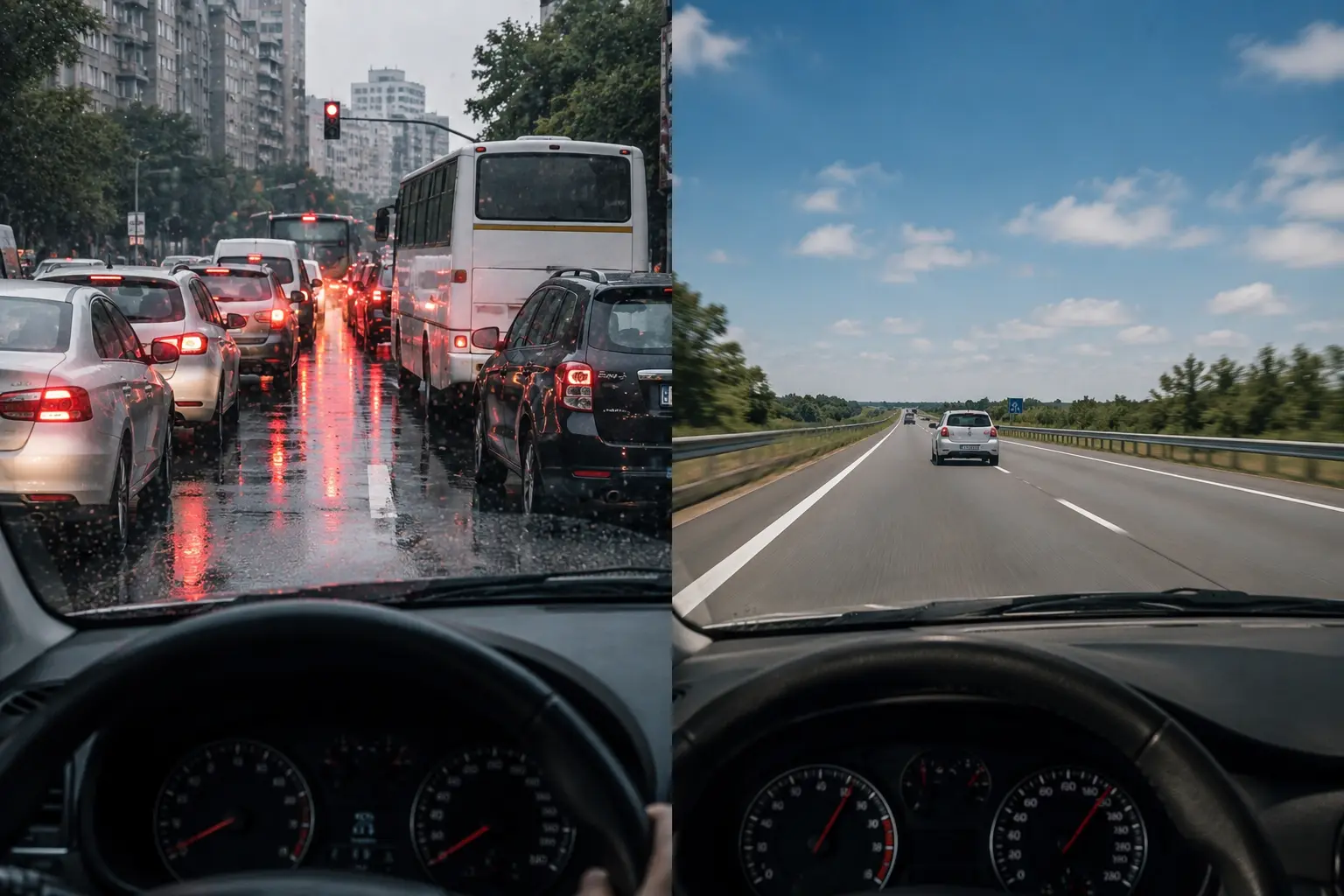
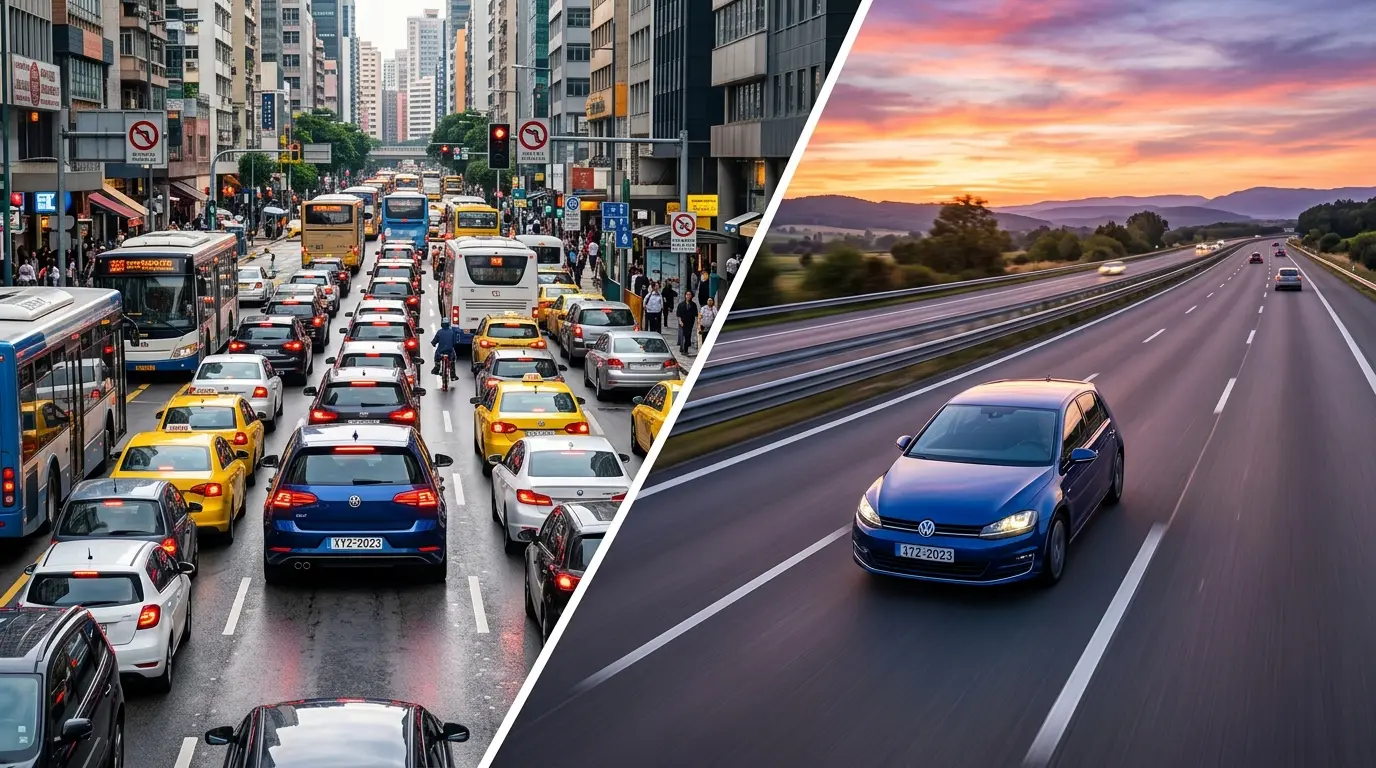
The massive consumption gap
The contrast between the two driving environments is incredibly stark. European Commission transport studies indicate that heavy urban driving can increase your vehicle's overall fuel consumption by up to 75 per cent compared to steady highway cruising.
)
)
)
)
)