Why B-2 Bomber still relies on 1980s technology?

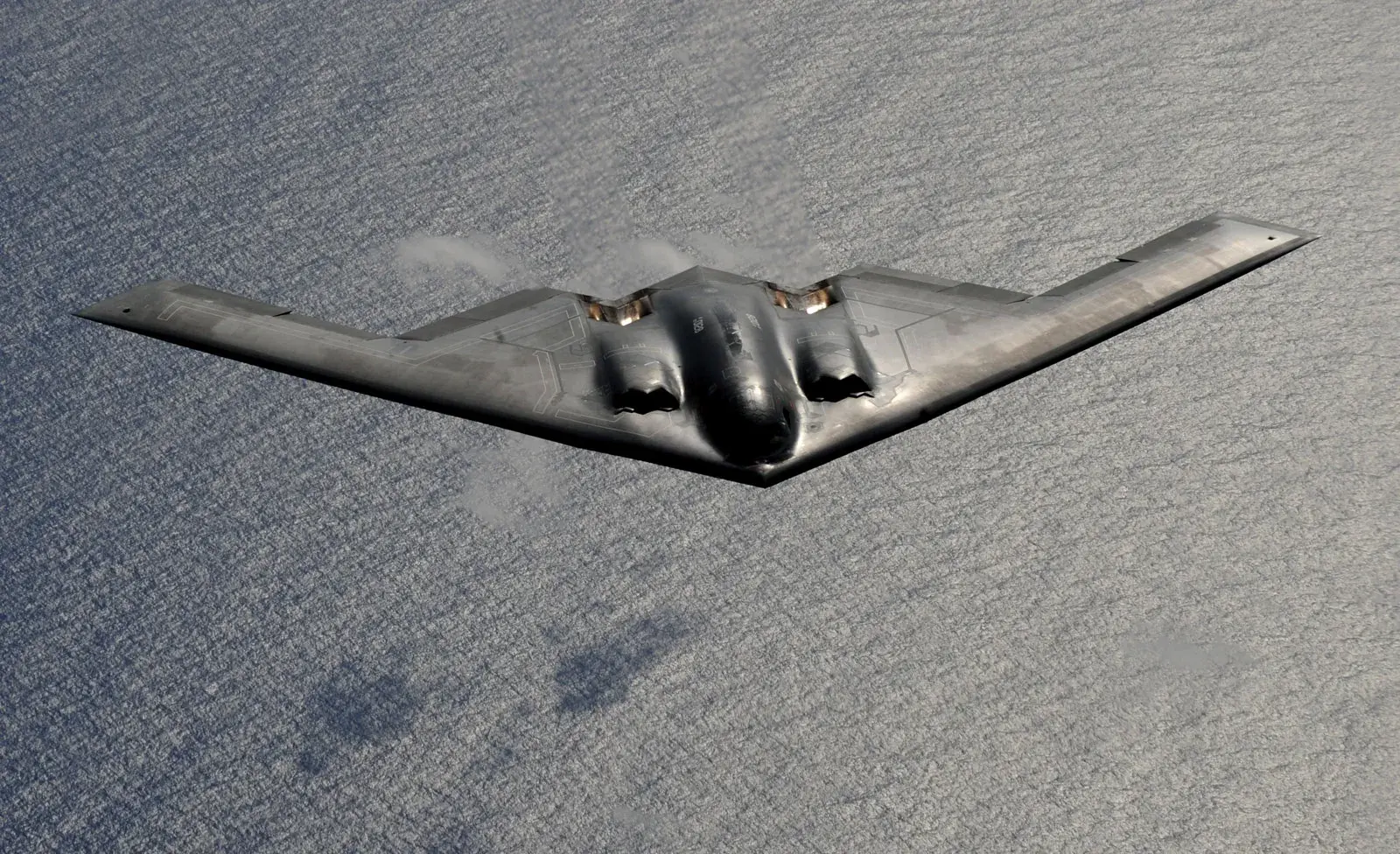
The B-2 Spirit is often seen as one of the most futuristic aircraft in the world, but behind its sleek design lies technology that dates back to the 1980s. Here’s why America’s most advanced bomber still depends on decades-old systems.
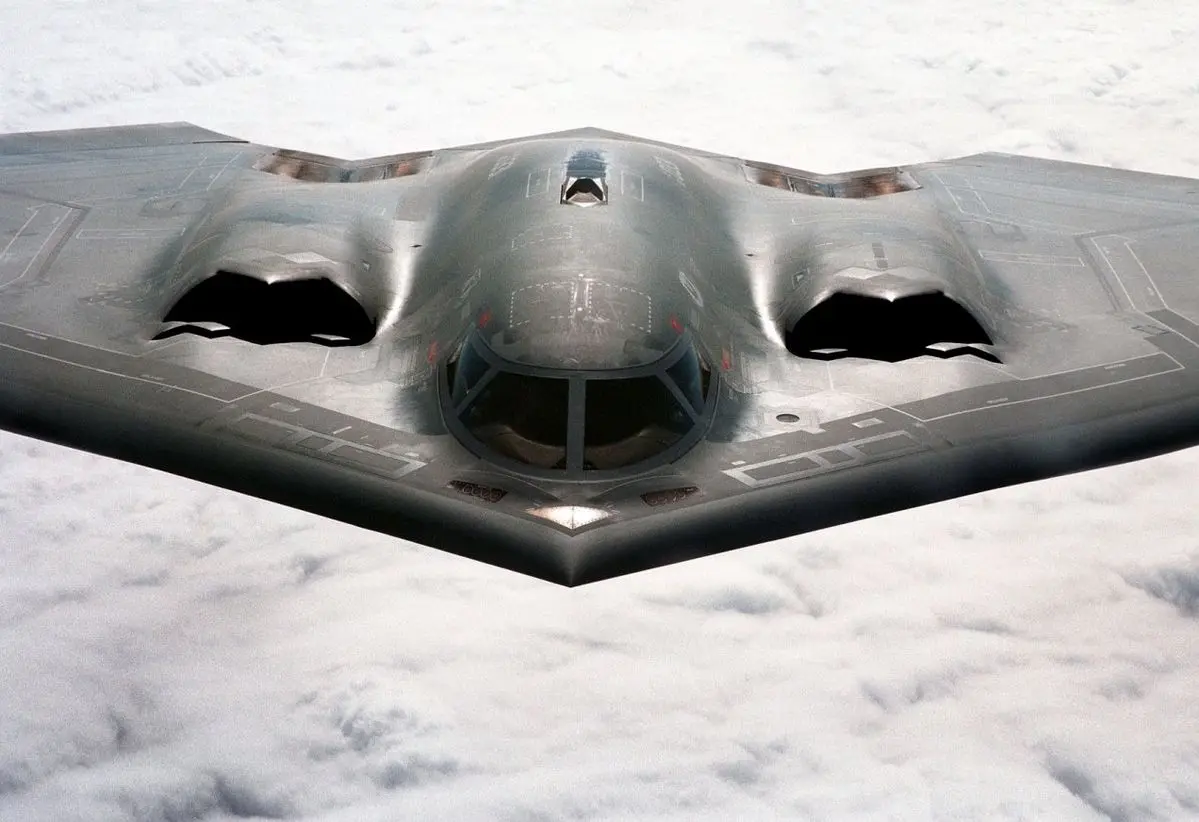
Designed in the Cold War Era
The B-2 was conceived during the late Cold War, when stealth technology was cutting-edge but computing power was limited. Many of its core systems were built around what was available at the time and remain in use today.
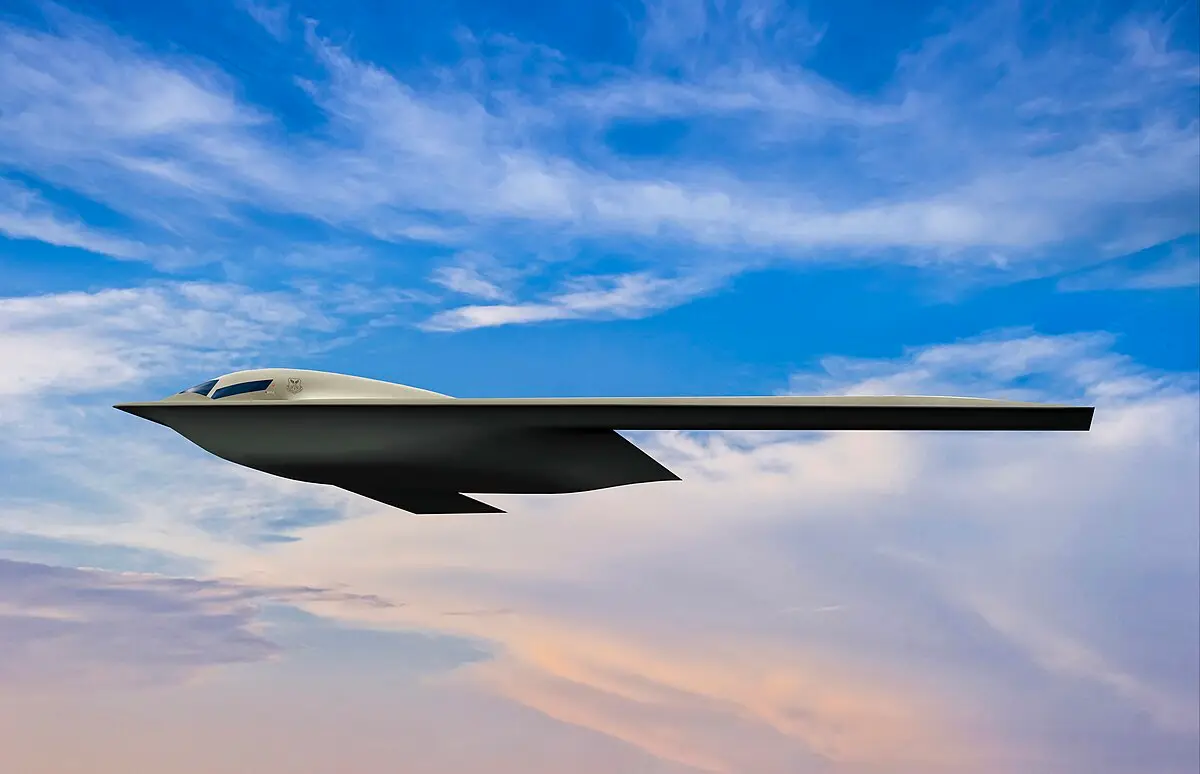
Upgrades Are Costly and Risky
With each bomber costing over $2 billion, upgrading its electronics and flight systems risks disrupting the delicate balance of its stealth design. The US prefers small, tested improvements rather than complete overhauls.
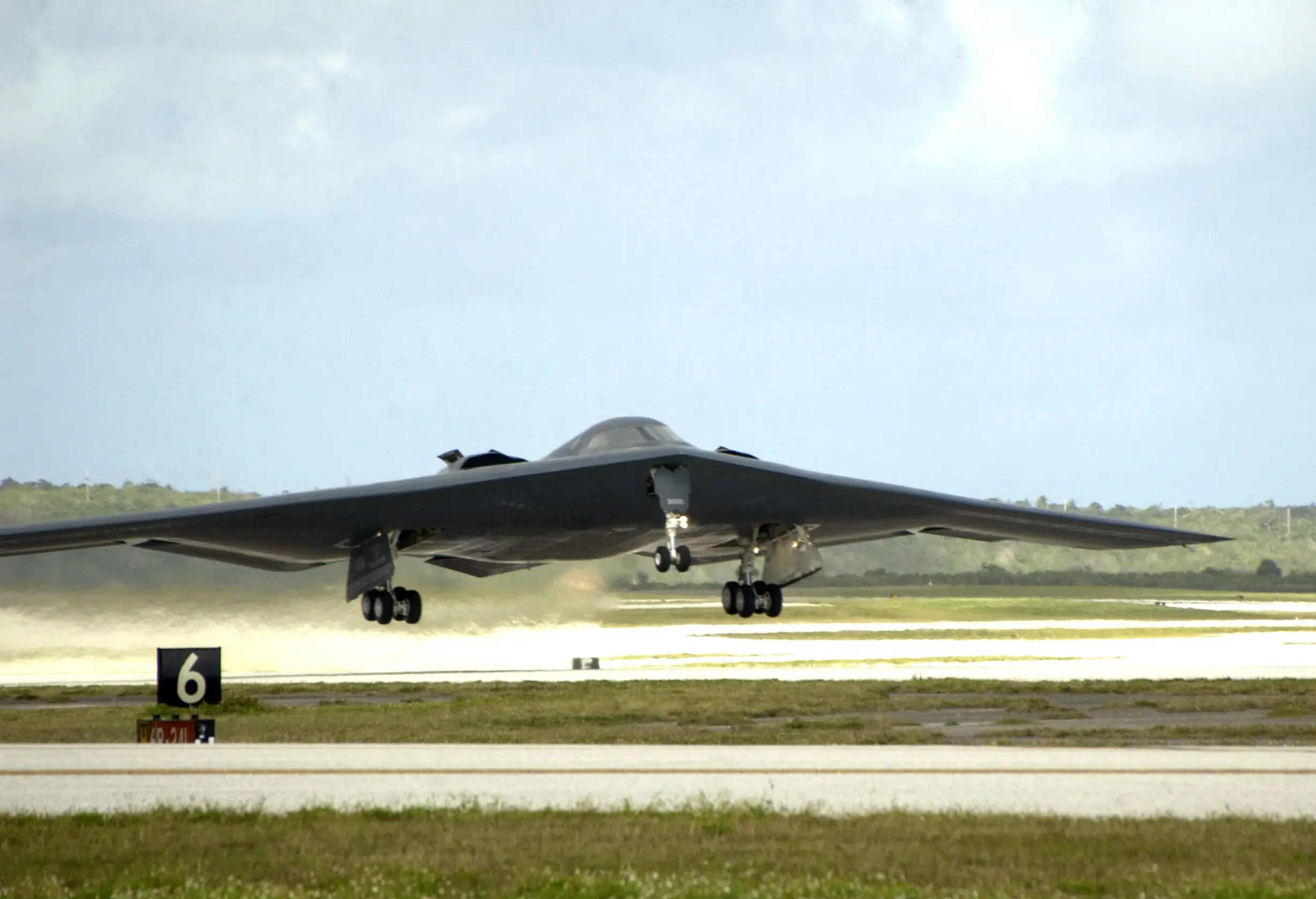
Stealth Materials Are Decades Old
The radar-absorbing coating that makes the B-2 invisible to enemy radar is still based on 1980s science. While improvements have been made, the foundation of the stealth “skin” remains the same.
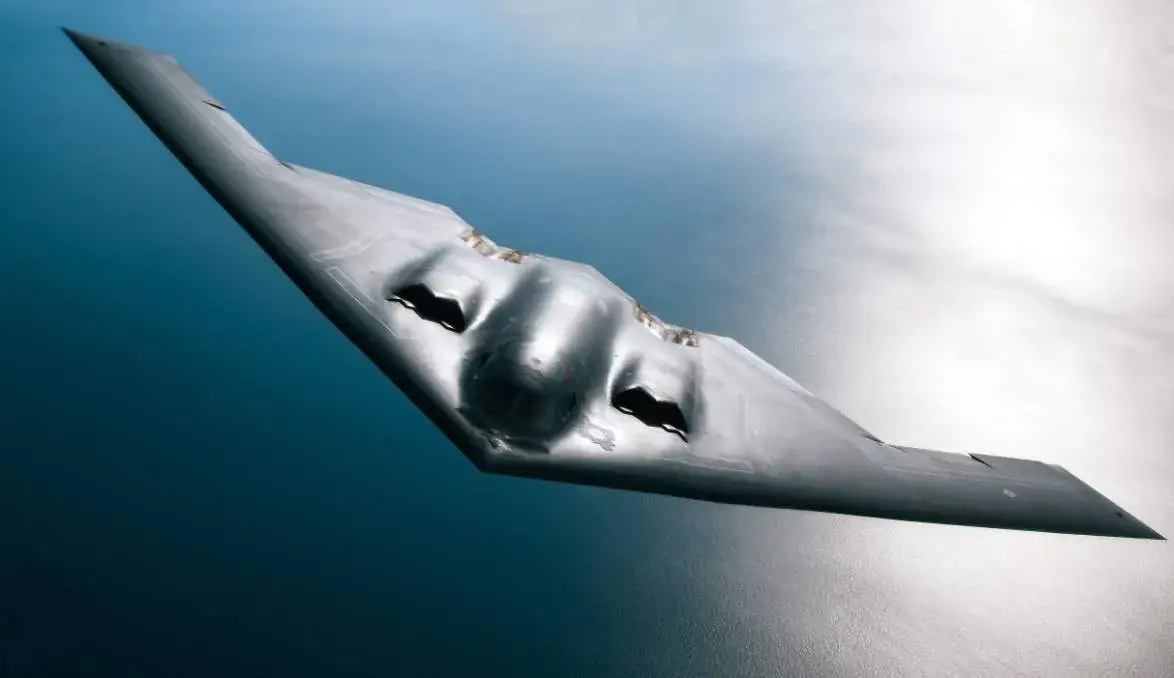
Cockpit Displays Lag Behind Modern Jets
Unlike the F-35 or even some commercial aircraft, the B-2 still uses older-style screens and analog systems. Modern upgrades are slowly being added, but the cockpit remains closer to the 20th century than the 21st.
Software Limitations
The bomber’s original code was written in outdated programming languages. Rewriting the entire system for today’s software standards would be enormously expensive and time-consuming.
The “If It Works, Don’t Touch It” Approach
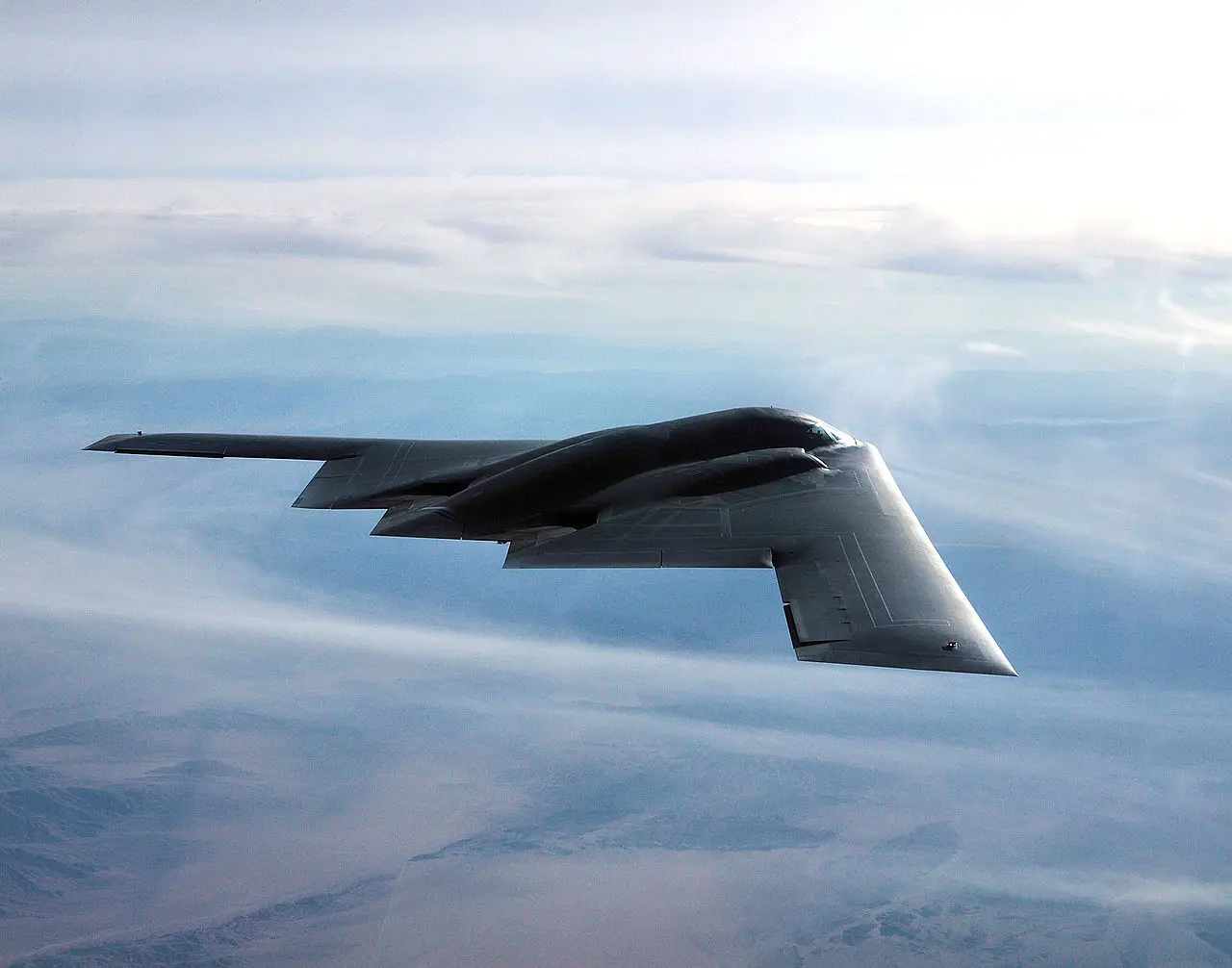
The B-2 has never been shot down in combat. Military planners argue that its existing systems, though old, are still effective — making a full-scale modernisation unnecessary.
Replacement Is Already on the Way
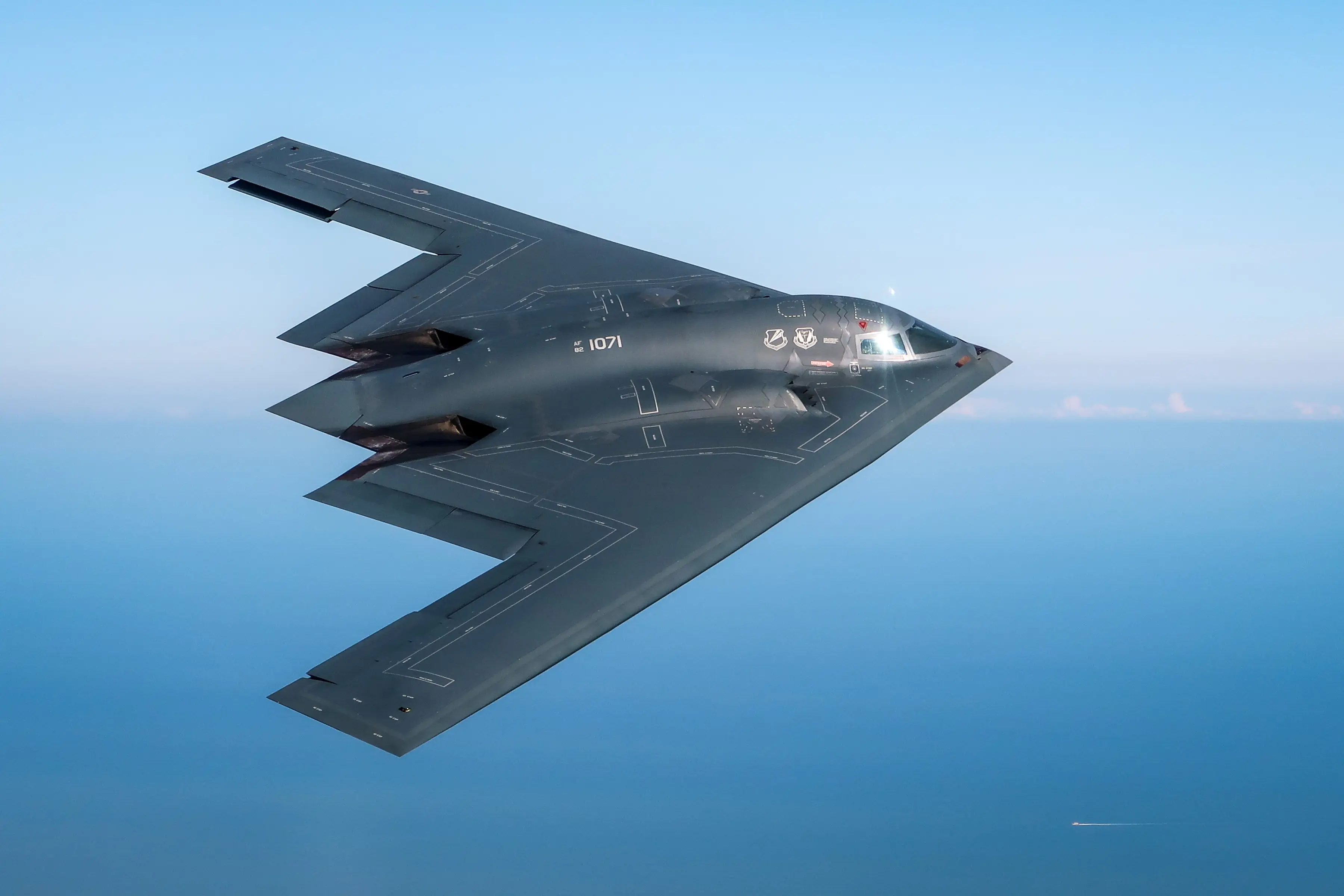
Rather than fully upgrading the B-2, the US is investing in its successor, the B-21 Raider, which uses modern stealth technology and computing power. The B-2 will continue flying, but its 1980s backbone will remain until retirement.
)
)
)
)
)