Who’s slapped with what? How Trump’s tariffs play out for top seven economies

US President Donald Trump implemented a new round of reciprocal tariffs on 7 August 2025, affecting major global economies. Here is how these measures impact seven key trading partners:
Brazil
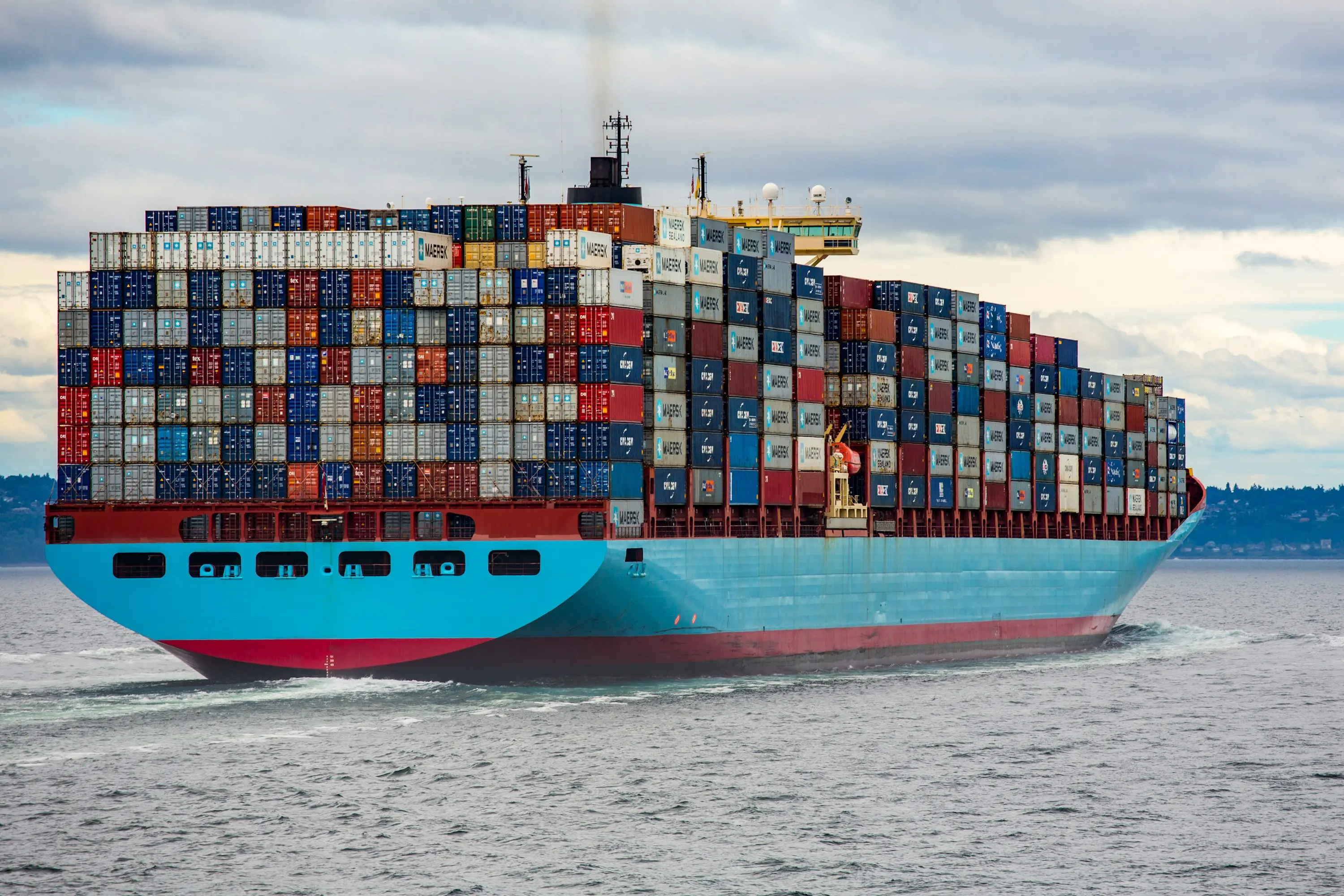
Tariffs on Brazilian goods have risen to as high as 50 per cent, combining a baseline rate with a politically motivated additional levy. This follows the prosecution of former President Bolsonaro and constitutes one of the steepest penalties among US partners.
India
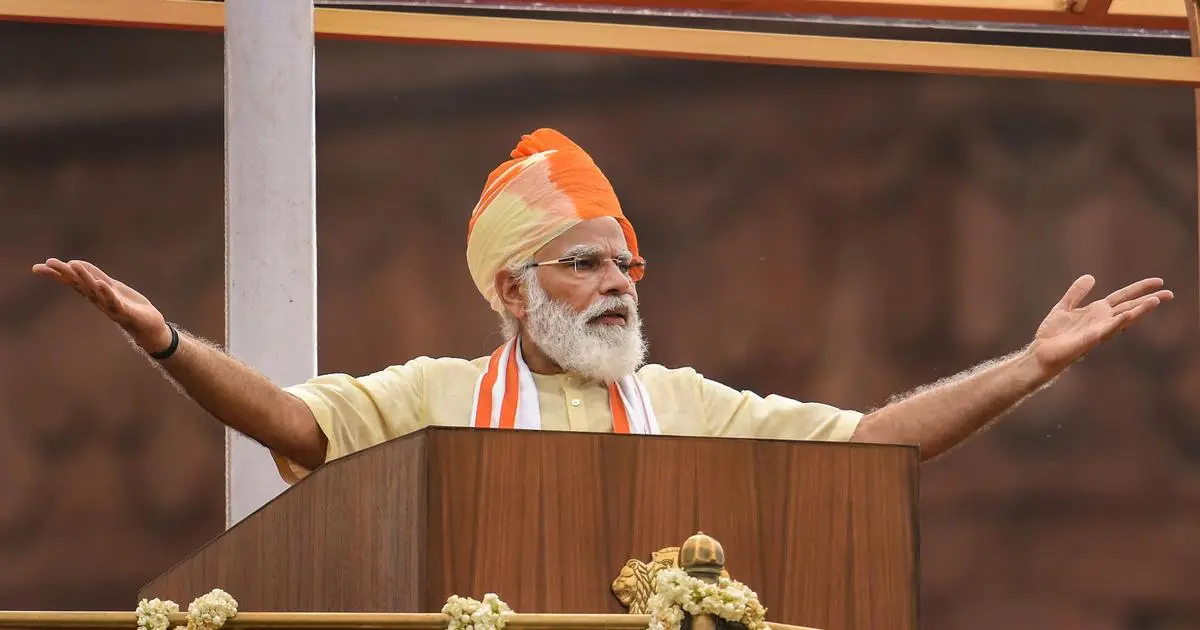
India now faces a total US tariff of 50 per cent on its exports, an additional 25 per cent on top of existing duties, imposed as punishment for continued imports of Russian oil. This move has triggered diplomatic tension and may significantly impact exports such as textiles, gems and jewellery.
Canada
Tariffs on non‑USMCA compliant goods from Canada have been set at 35 per cent. However, goods meeting the USMCA specifications remain exempt under negotiated terms.

European Union, Japan, and South Korea
These major industrial economies have secured framework arrangements. Their goods now face a reduced, but still elevated, tariff rate of 15 per cent.

Switzerland
Exports from Switzerland are subject to a 39 per cent tariff, prompting Swiss officials to seek urgent negotiations with the US
China
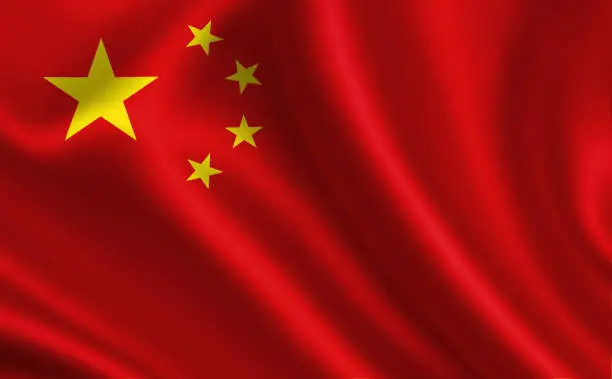
Trump has reintroduced broad-based tariffs on Chinese goods, averaging 25 per cent. These cover electronics, machinery, solar panels, and electric vehicles. The US aims to reduce dependence on Chinese supply chains, but importers report higher costs and slower sourcing alternatives. China has responded with its own countermeasures on American agricultural exports.

Taiwan, Vietnam, Bangladesh, Indonesia, Philippines, and Pakistan
These economies face tariffs ranging from 19 per cent to 20 per cent. Taiwan and Vietnam are specifically noted at approximately 20 per cent, while others fall within a similar band under the reciprocal framework.
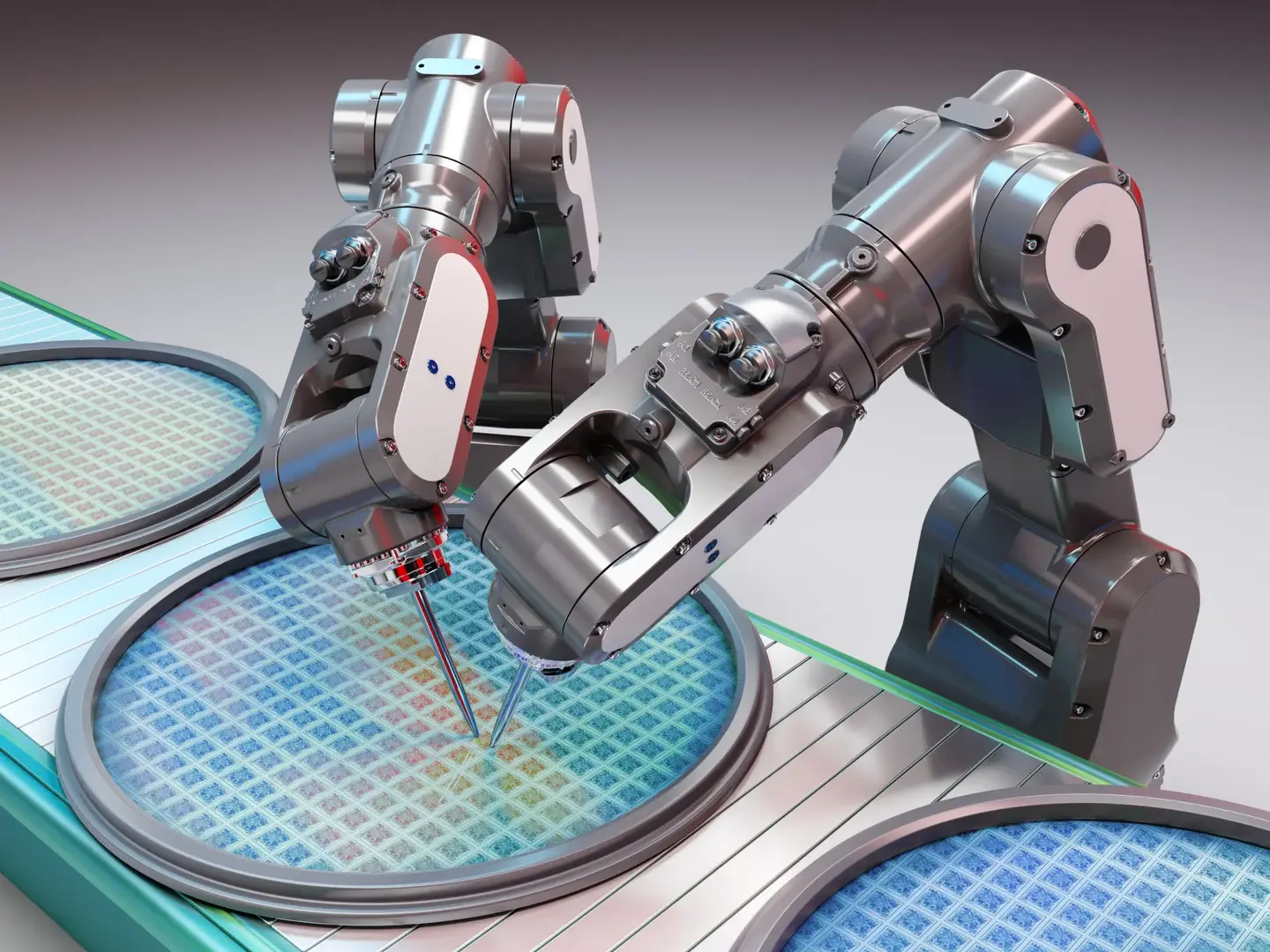
Semiconductors
The US has imposed a sweeping 100 per cent tariff on imported semiconductors, unless the companies involved are investing in domestic US production. This blanket measure affects suppliers globally and aims to bolster US based chip manufacturing.
)
)
)
)
)