• Wion
  • /Photos
  • /Who owns the airspace? The jurisdictional nightmare hidden in the declassified UFO files

Who owns the airspace? The jurisdictional nightmare hidden in the declassified UFO files

Declassified UAP reports expose a complex jurisdictional nightmare between the military and the FAA when tracking anomalous objects across civilian airspace.
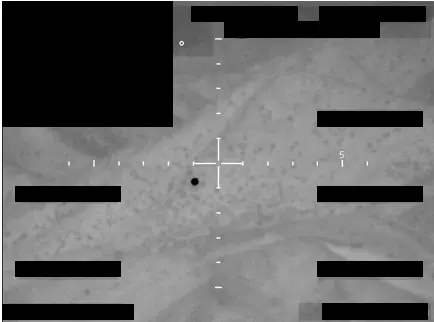
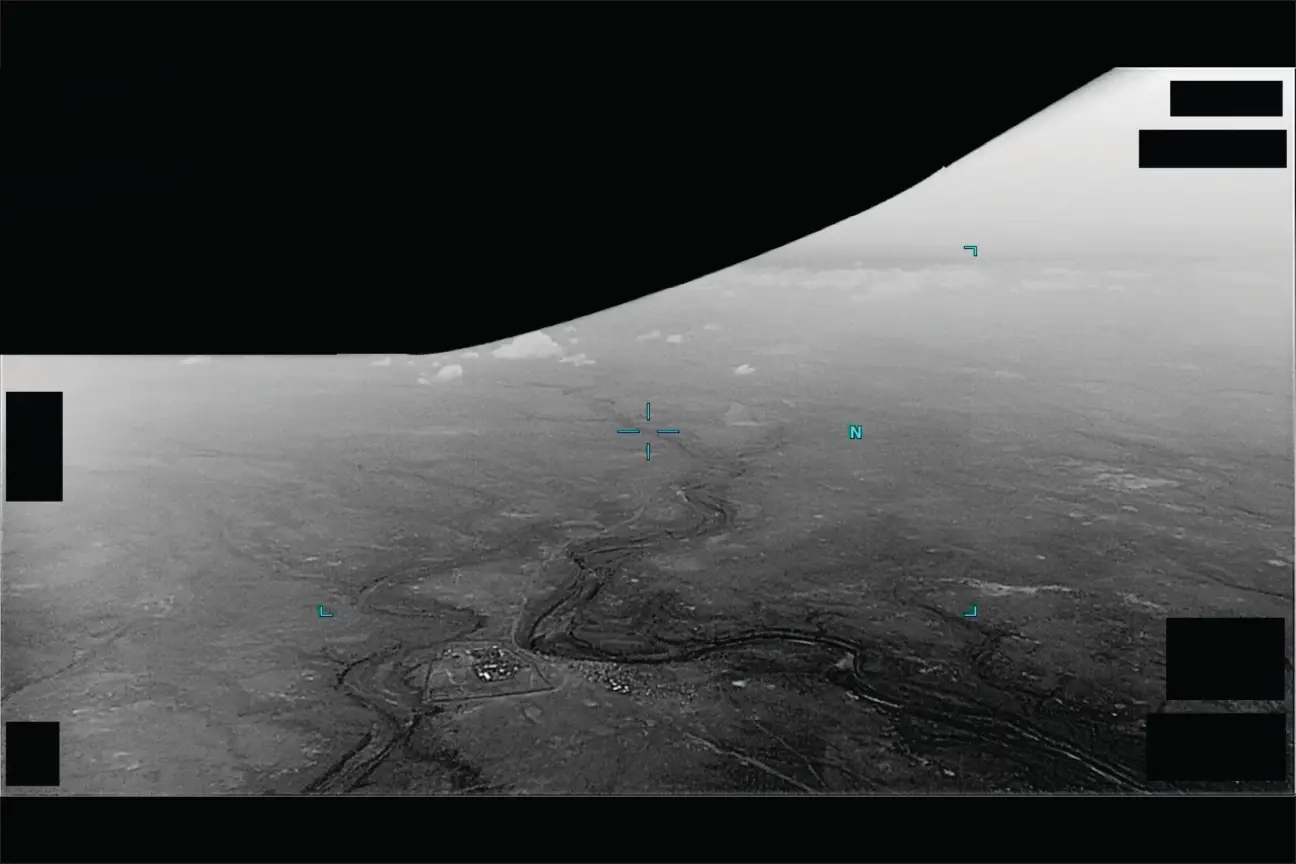
The Jurisdictional Nightmare
1 / 7
(Photograph: Pentagon)

The Jurisdictional Nightmare

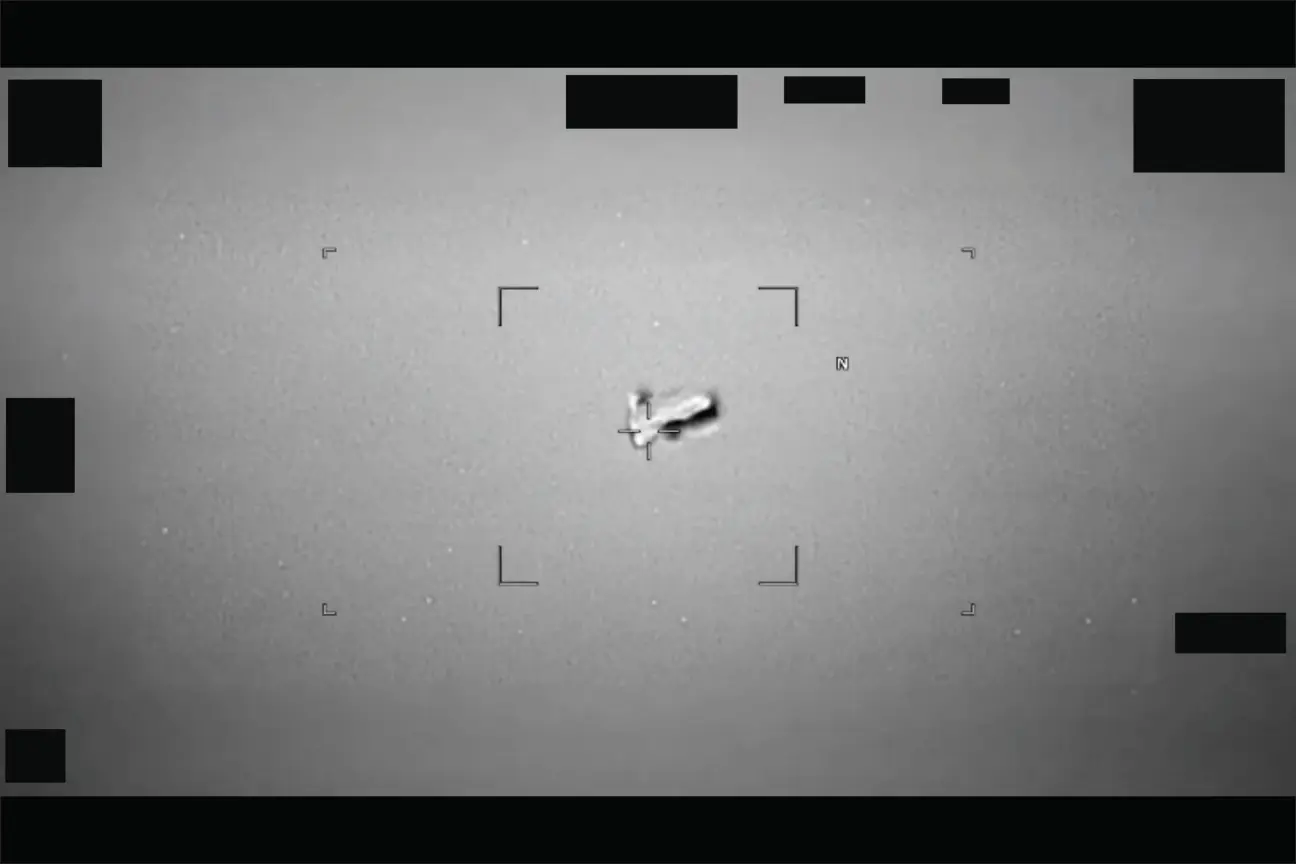
When a UAP traveling at Mach 10 abruptly shifts from a restricted military testing range into a commercial flight corridor, who is legally in charge? The May 22 files expose a massive jurisdictional gray area.

The FAA vs. The Pentagon
2 / 7
(Photograph: Pentagon)

The FAA vs. The Pentagon

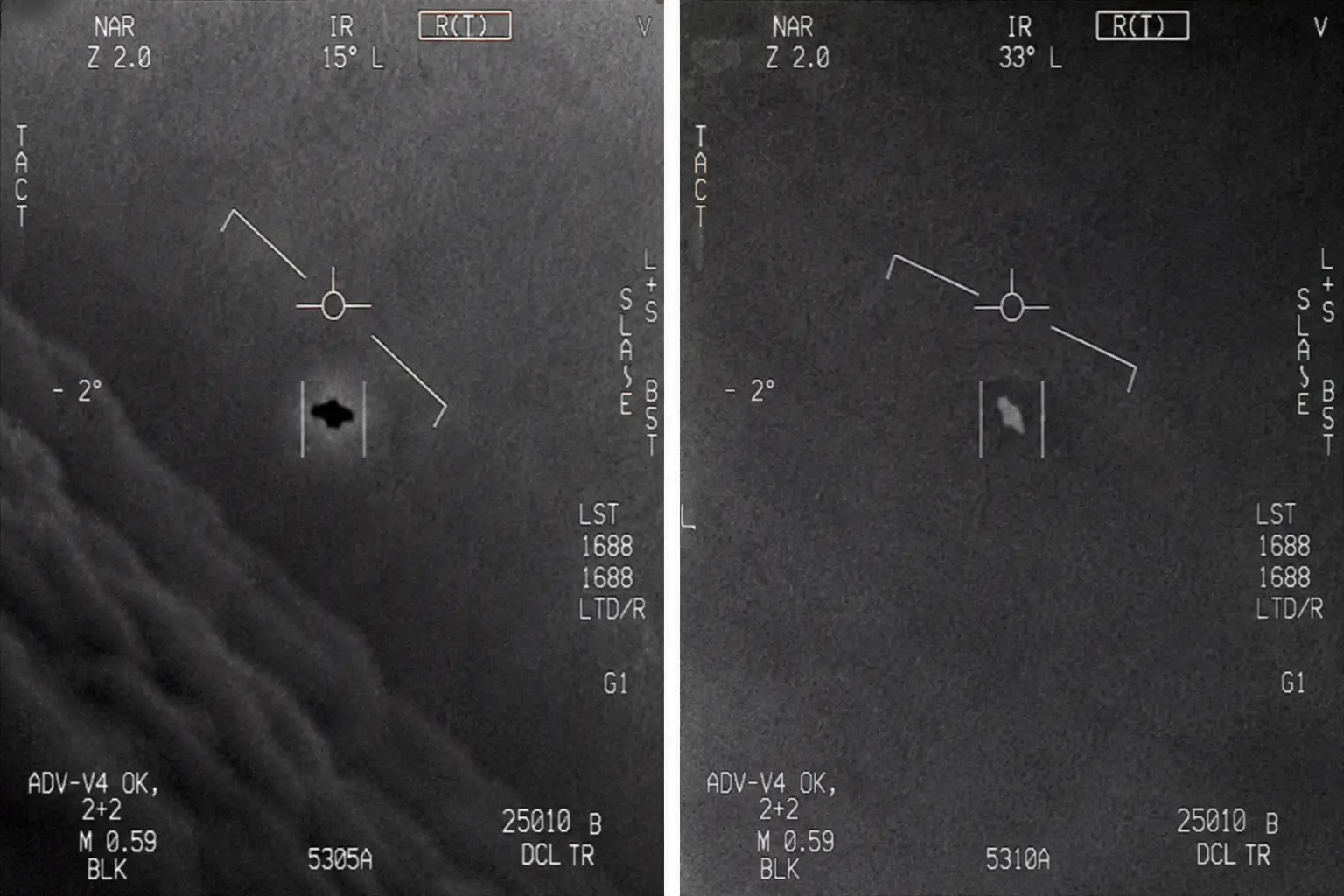
Historically, the Federal Aviation Administration (FAA) handles civilian safety, while the Pentagon handles defense. UAPs routinely blur these lines, forcing unprecedented and often chaotic real-time coordination.

Handing off Radar Tracks
3 / 7
(Photograph: Pentagon)

Handing off Radar Tracks

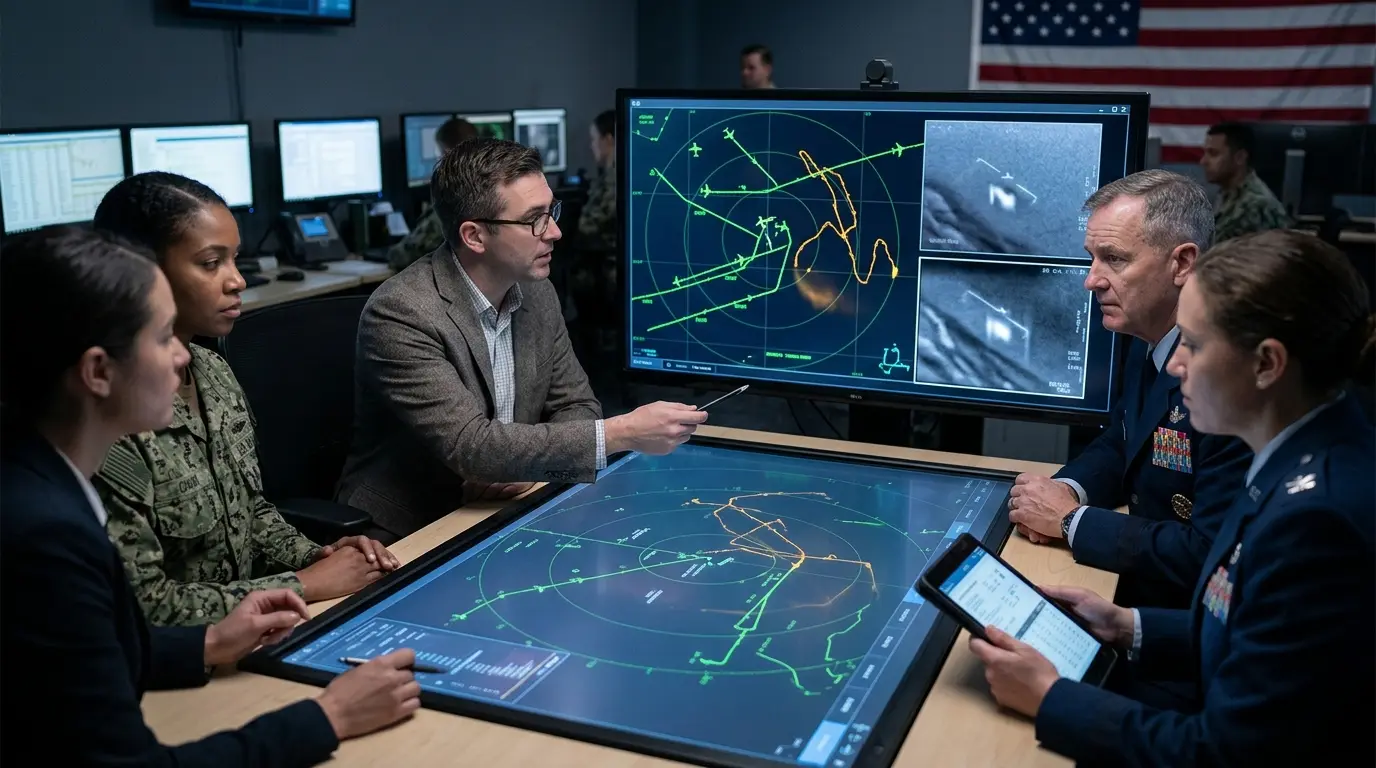
The declassified PDFs detail the bureaucratic hurdles of handing off radar tracks. Civilian air traffic control radar is designed to track transponders, while military radar tracks physical mass, complicating the data handoff.

The Lake Huron Confusion
4 / 7
(Photograph: AI)

The Lake Huron Confusion

During the 2023 Lake Huron intercept, the object drifted through commercial airspace, forcing the FAA to ground civilian flights so NORAD jets could engage, highlighting the complex operational overlap.

The Legal Vacuum
5 / 7
(Photograph: AI)

The Legal Vacuum

There is no clear legal framework for dealing with non-human or deeply classified adversary craft operating with impunity over American cities, leaving local authorities and federal agencies pointing fingers.

Creating Joint Task Forces
6 / 7
(Photograph: AI)

Creating Joint Task Forces

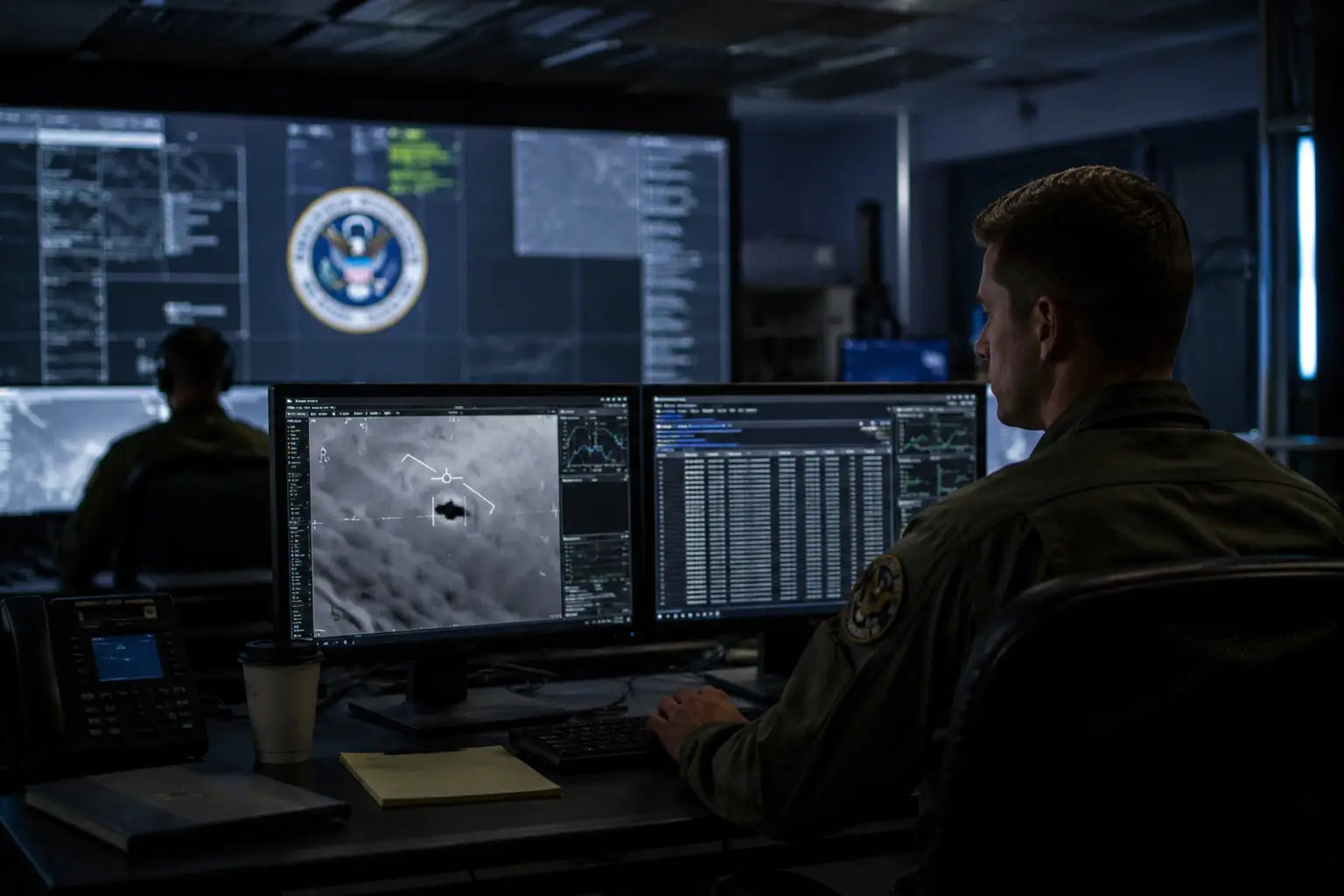
To solve this, the PURSUE initiative has mandated the creation of joint civilian-military UAP task forces, embedding FAA liaisons directly inside Pentagon command centers to streamline communication.

Securing the Skies
7 / 7
(Photograph: AI)

Securing the Skies

As the UAP database grows, the government realizes that securing the skies is no longer just a military issue; it requires a seamless integration of civilian aviation authority and national defense infrastructure.