Who is Kash Patel? The Indian-origin FBI director investigating Tyler Robinson, Charlie Kirk case

Patel began his professional journey as a public defender in Miami-Dade County, Florida, where he represented low-income clients in criminal cases. His early work gave him insight into the flaws of the justice system and experience in high-pressure courtroom environments.
Full Name and Early Background
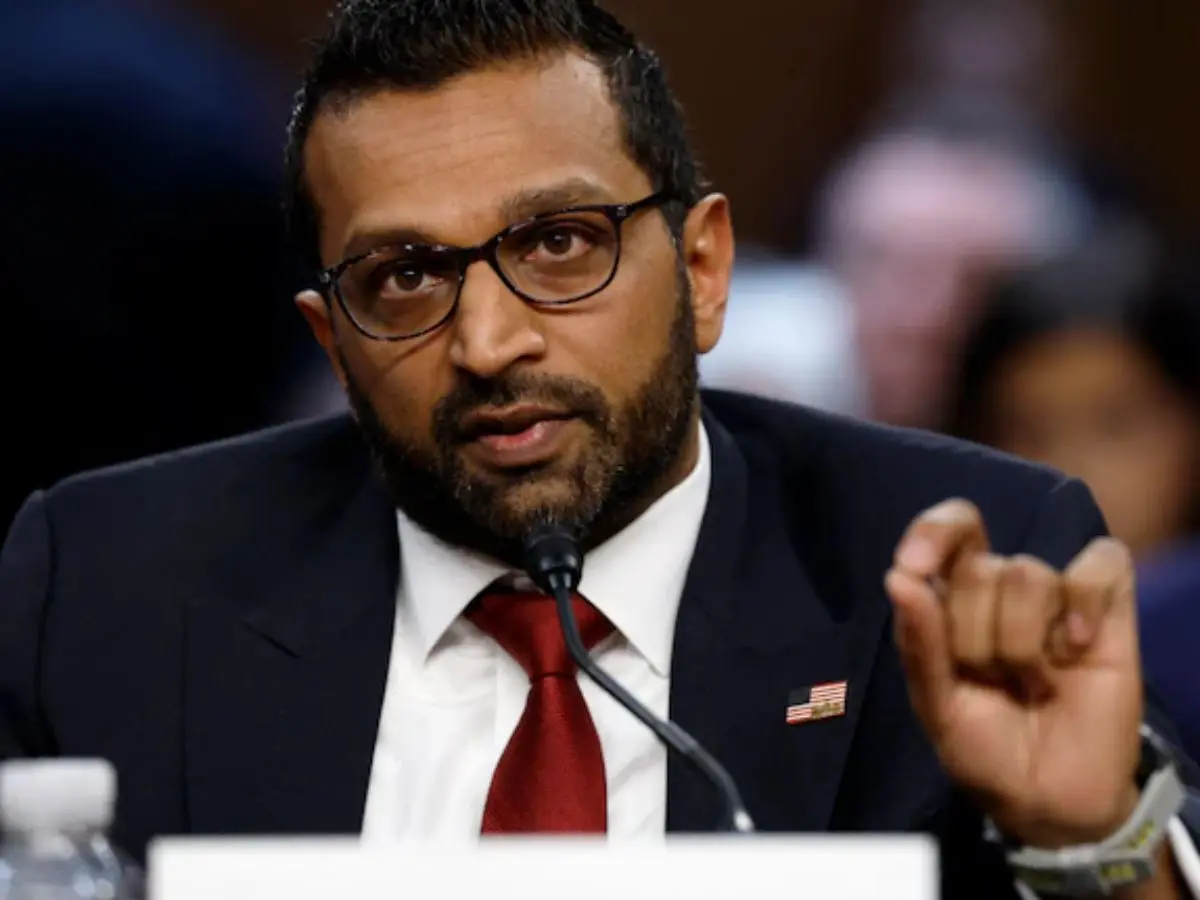
Kashyap Pramod Patel, widely known as Kash Patel, was born on 25 February 1980 in Garden City, New York. His parents were Gujarati immigrants, with his father, Pramod Patel, having fled Uganda after Idi Amin’s expulsion of Asians in the 1970s. Raised in a Hindu household, Patel grew up with a strong sense of immigrant identity and resilience. This cultural backdrop has often been noted in accounts of his personality, described as both fiercely loyal and combative in his professional life.
Education
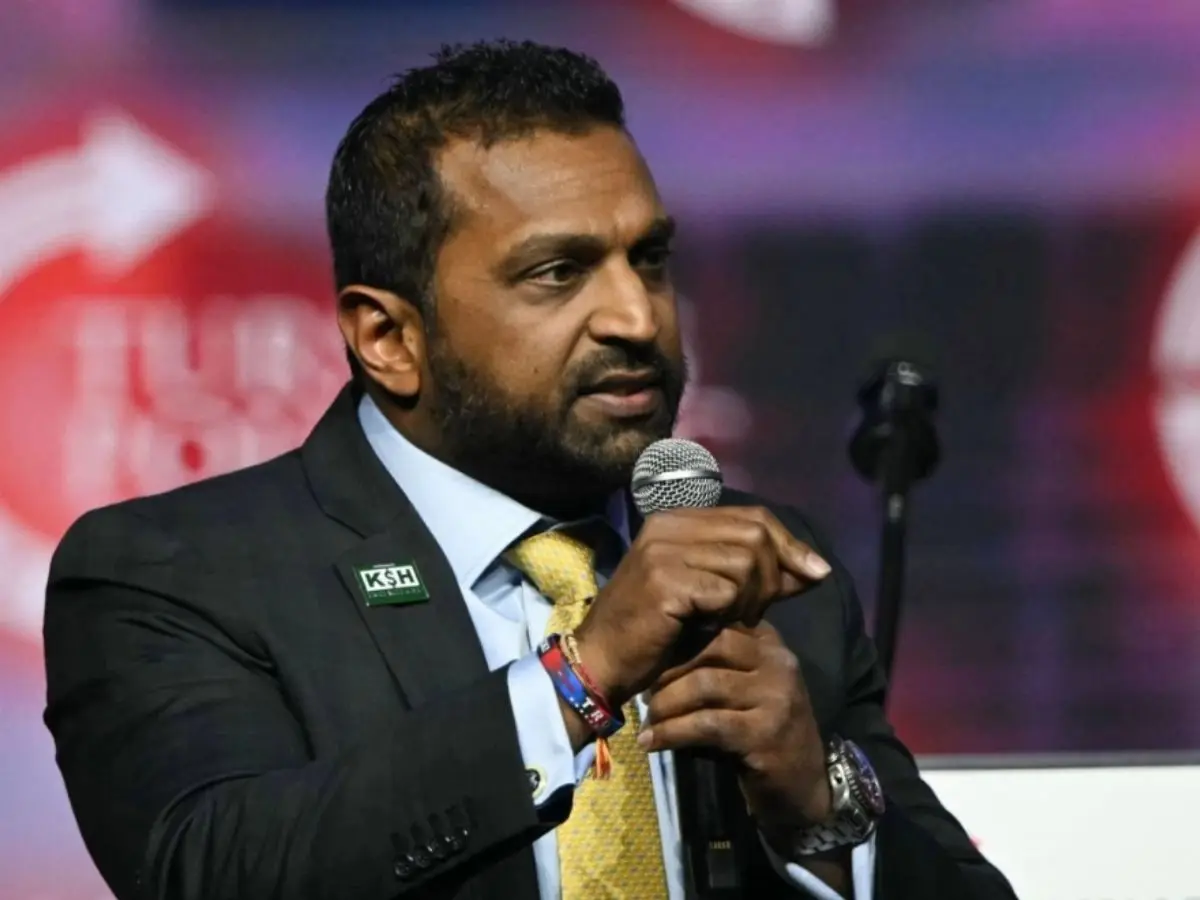
Patel studied Criminal Justice and History at the University of Richmond, graduating in 2002. He later earned a Juris Doctor from Pace University, equipping him with the legal foundation that shaped his early career. In addition, he pursued a Certificate in International Law at University College London, which broadened his perspective on security and foreign policy. His academic record reflected both legal acumen and an interest in global affairs, qualities that would later define his roles in Washington.
Legal & Early Career
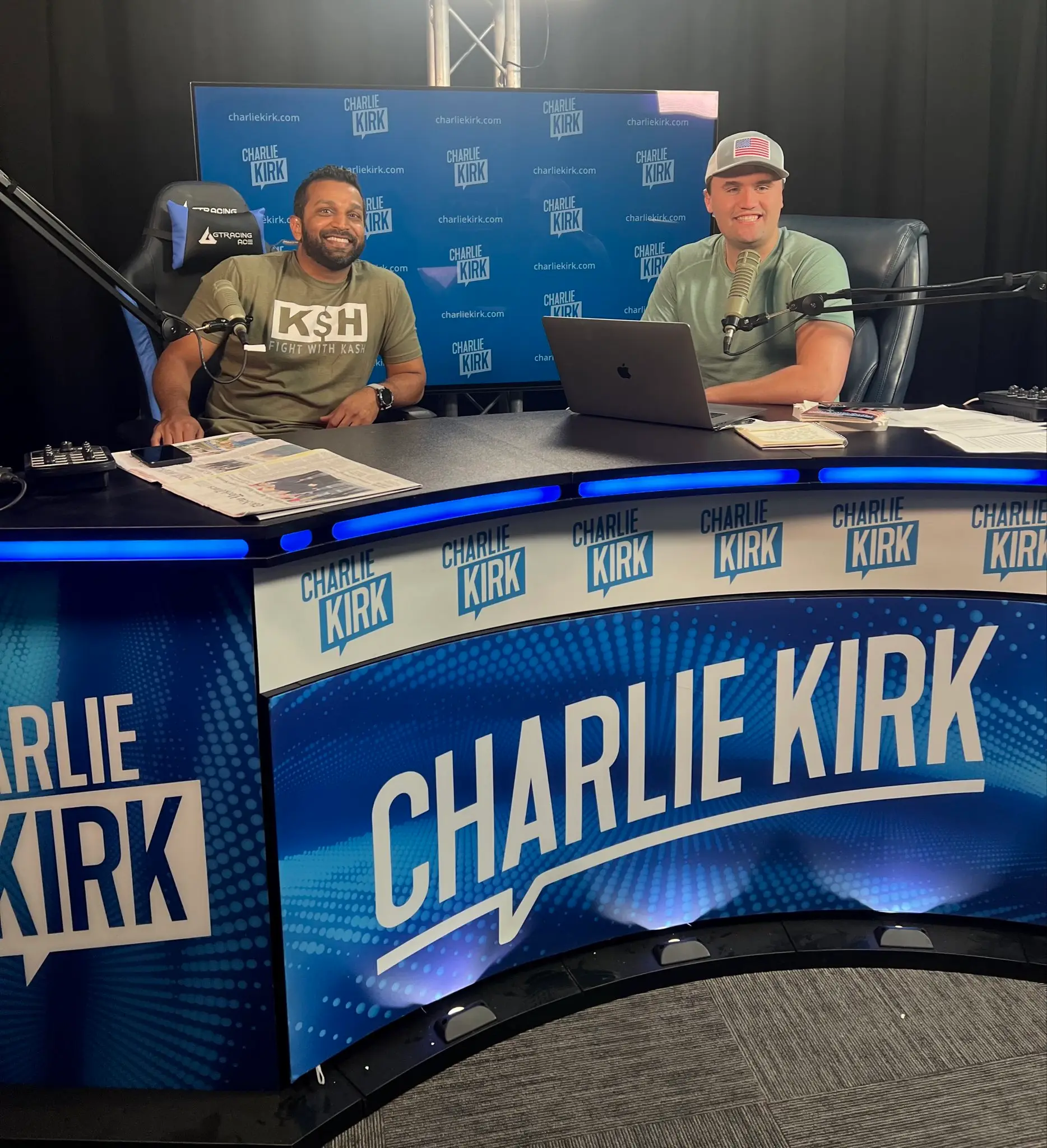
Patel began his professional journey as a public defender in Miami-Dade County, Florida, where he represented low-income clients in criminal cases. His early work gave him insight into the flaws of the justice system and experience in high-pressure courtroom environments. He later became a federal public defender for the Southern District of Florida before moving into the Department of Justice. There, he worked in the National Security Division and the Counterterrorism Division, gaining exposure to cases involving international threats and domestic security concerns.
Work in Government, Intelligence, and Defence
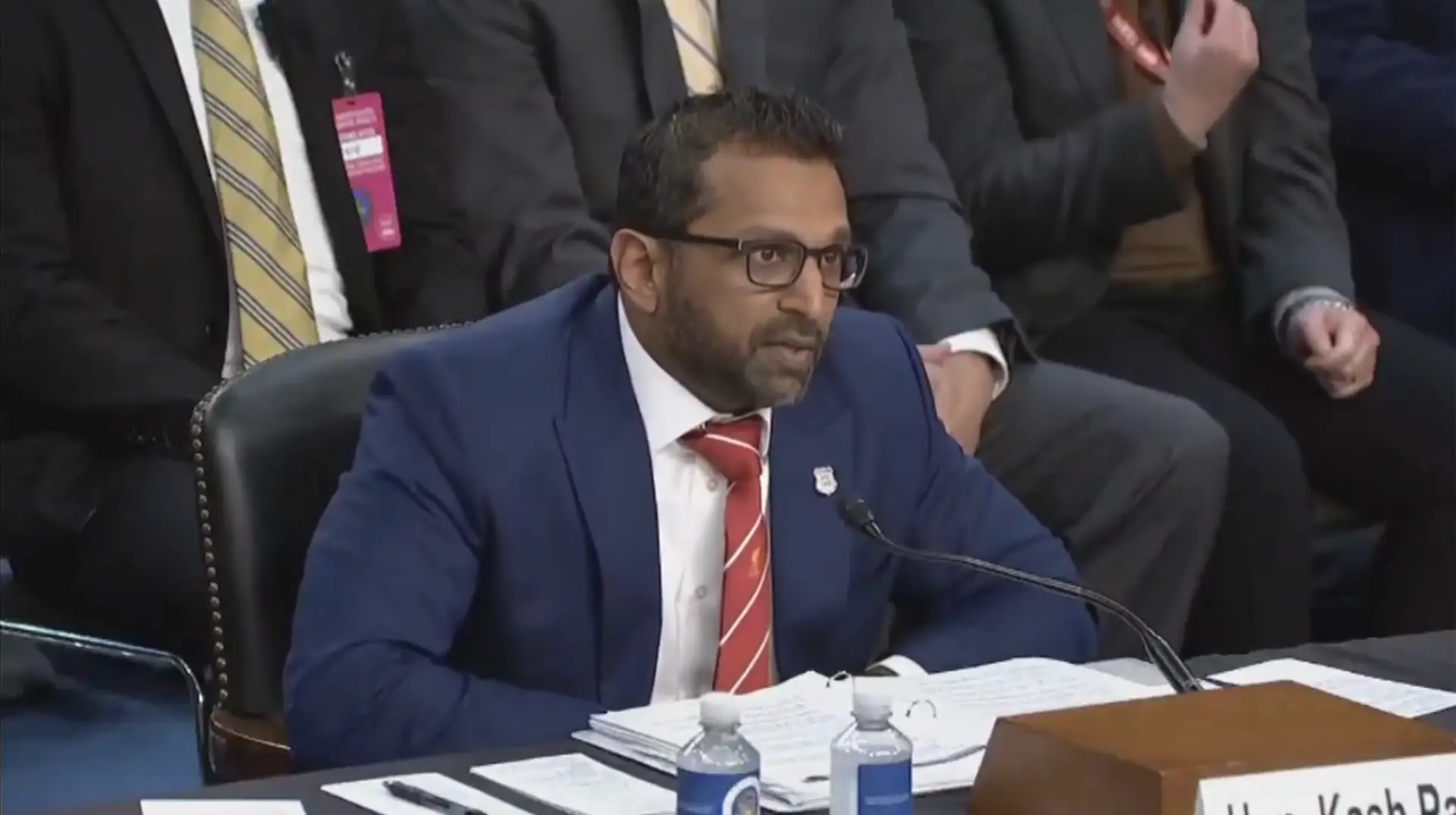
After leaving the Justice Department, Patel transitioned into politics, serving as a senior aide to Representative Devin Nunes on the House Intelligence Committee. He gained prominence as a key author of the so-called “Nunes memo”, which accused the FBI of missteps during the Russia probe. Under the Trump administration, Patel held senior roles in the National Security Council and ultimately served as Chief of Staff to the Secretary of Defense during the final months of 2020. These positions cemented his reputation as a close Trump ally and a figure deeply entrenched in Washington’s intelligence and defence apparatus.
Appointment as FBI Director
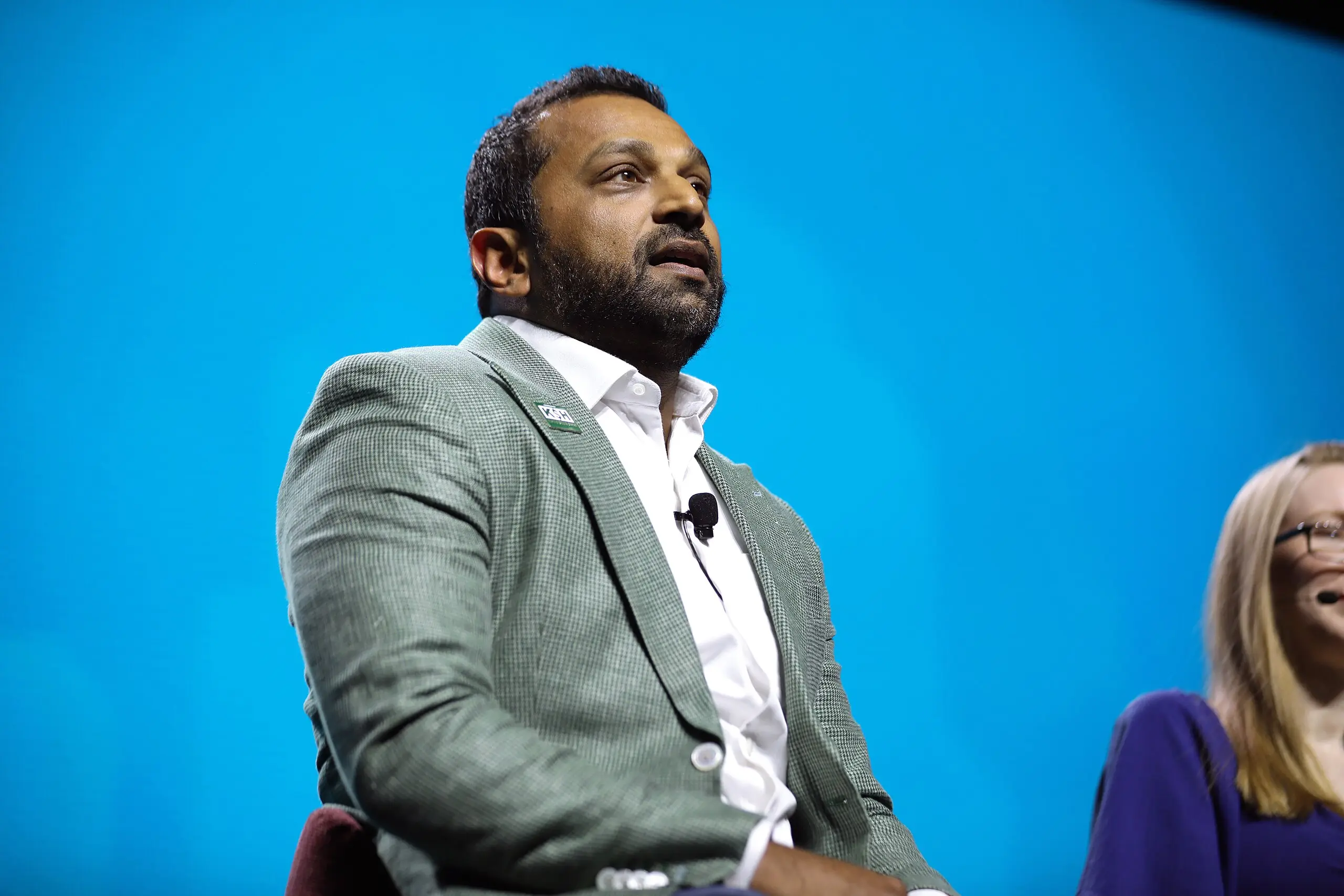
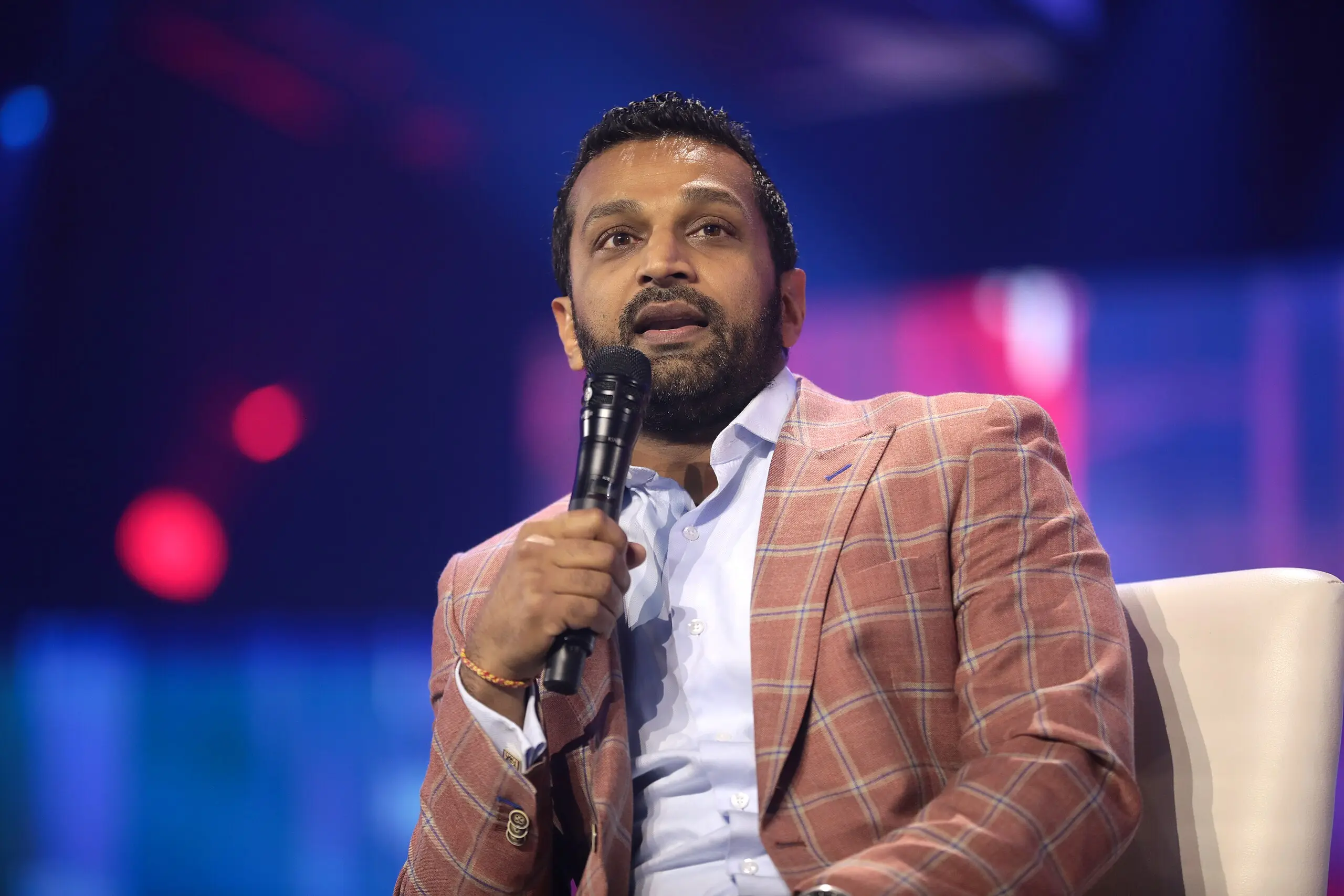
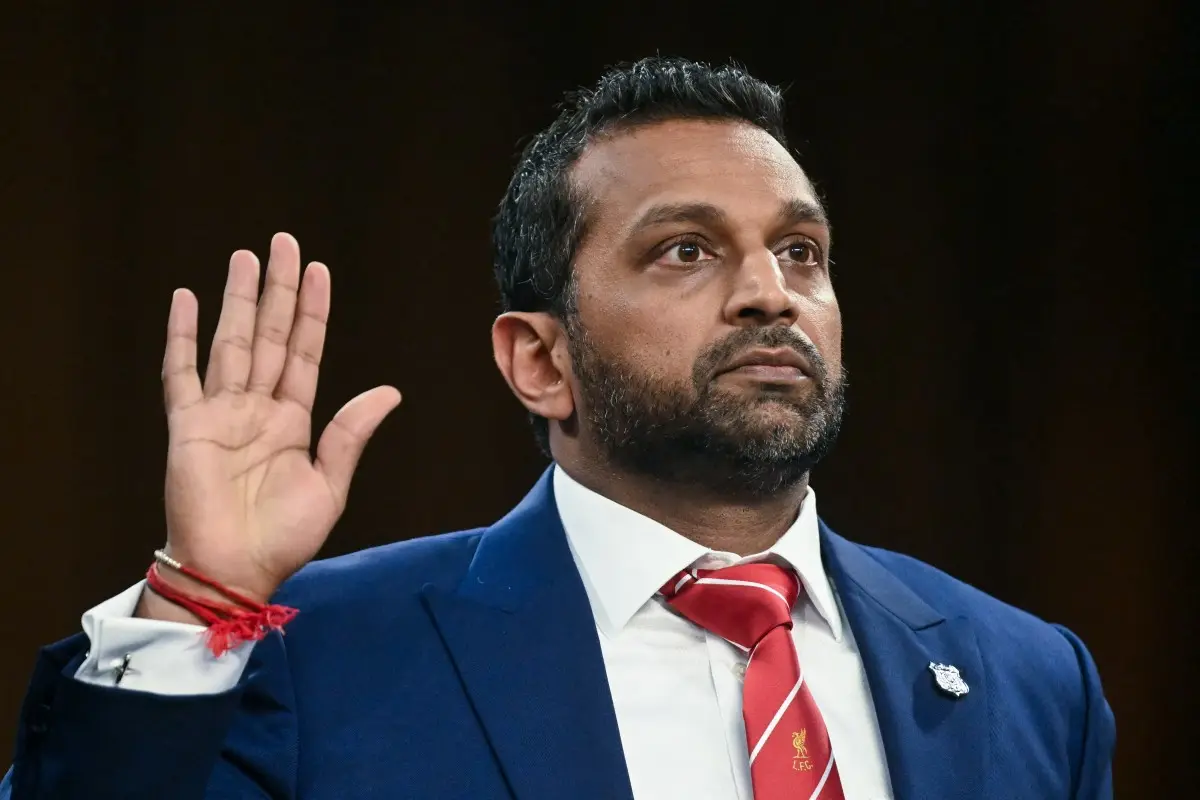
In 2025, President Donald Trump nominated Patel as Director of the FBI, a move that drew both praise and controversy. Critics pointed to his lack of extensive law-enforcement experience, while supporters emphasised his legal and intelligence background. His Senate confirmation was narrow, passing by 51 votes to 49, highlighting deep partisan divisions over his appointment. Patel officially began his tenure on 20 February 2025, marking a historic moment as the first Indian-American to lead the bureau.
His Role in ATF (Brief Acting Stint)
Shortly after becoming FBI Director, Patel was temporarily appointed as acting Director of the Bureau of Alcohol, Tobacco, Firearms and Explosives (ATF). This dual role, from February to April 2025, placed him in charge of two of the nation’s most important law-enforcement agencies at once. While unusual, the appointment was framed by the administration as a way to strengthen inter-agency cooperation on gun violence and domestic extremism. Critics, however, questioned whether he was being spread too thin at a time when the FBI faced pressing challenges.
Controversies and Criticisms
Patel has been a lightning rod for criticism throughout his career. Opponents argue that his closeness to Donald Trump undermines the FBI’s reputation for neutrality. Civil and human-rights organisations opposed his nomination, citing concerns about potential politicisation of investigations. His involvement in the Russia probe and the Ukraine impeachment controversy has only deepened suspicions among Democrats and some independents. Moreover, his limited policing experience has raised questions about his ability to lead the bureau through crises involving violent crime and terrorism.
His Role in the Charlie Kirk Case
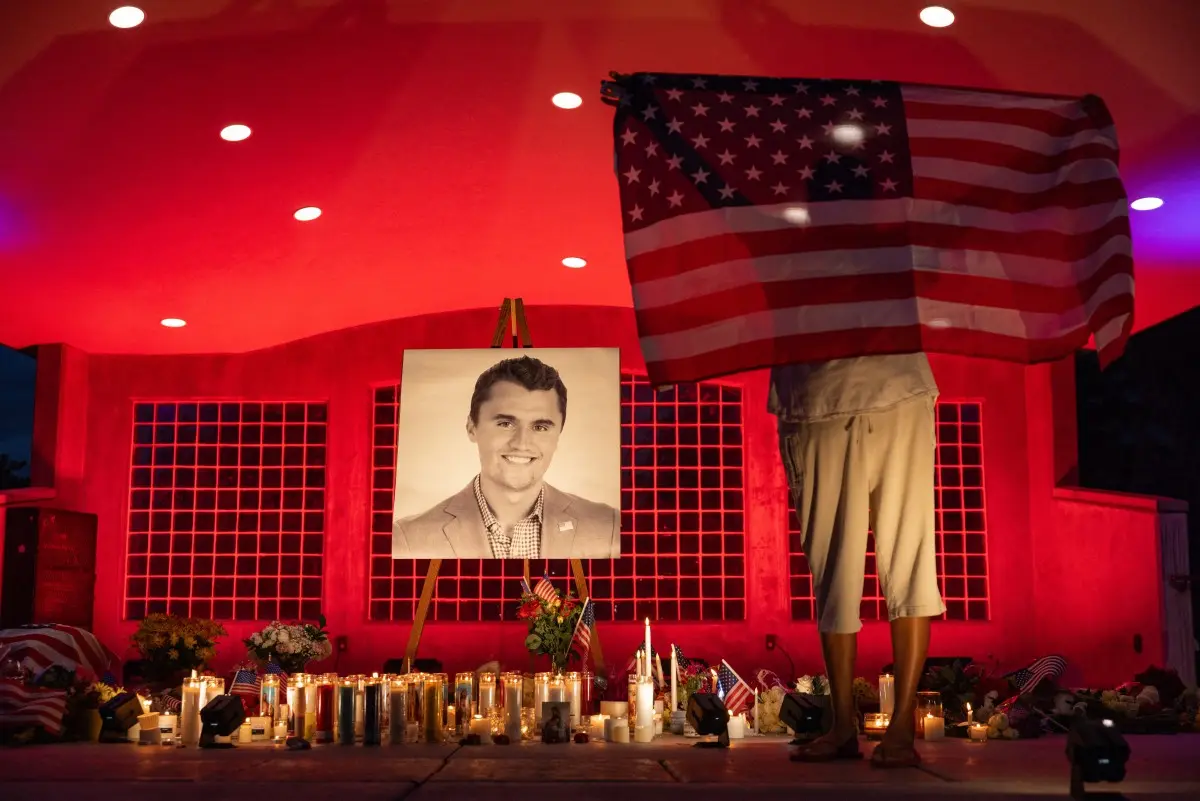
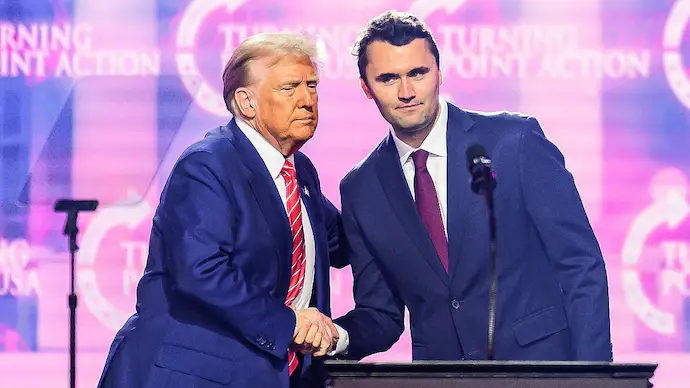
As FBI Director, Patel is directly overseeing the investigation into Tyler Robinson, who is accused of assassinating conservative activist Charlie Kirk. Patel has briefed the Senate and the public on developments, including revelations about Robinson’s online network and a destroyed threat note. However, he came under scrutiny for prematurely stating that Robinson had been arrested days before the official confirmation. His handling of the case has sparked debate over whether his eagerness for transparency is compromising procedural accuracy.
Support and Backing
Despite the controversies, Patel retains strong backing from Republican lawmakers and Donald Trump himself. Supporters view him as a decisive leader who prioritises law-and-order and is unafraid to confront entrenched institutions. They argue that Patel’s rapid response in the Kirk investigation demonstrates his ability to handle high-profile cases under pressure. For many in Trump’s circle, Patel represents a loyalist willing to challenge bureaucratic inertia and deliver results that align with the administration’s agenda.
Key Questions Going Forward
The central question surrounding Patel’s leadership is whether he can balance political loyalties with the FBI’s mandate for impartial justice. His early missteps in public communication raise concerns about transparency versus accuracy in sensitive investigations. Observers also point to his dismissal of several senior FBI officials, wondering whether these shake-ups will improve accountability or weaken institutional stability. As the Charlie Kirk case unfolds, Patel’s decisions will be closely scrutinised — both for their immediate impact and for what they reveal about the future direction of the FBI under his tenure.
)
)
)
)
)