Who controls the world’s oil? Top 7 countries ranked with largest reserves: Check where Venezuela ranks

Oil remains vital to global energy, shaping economies and geopolitics. In 2024, global demand averaged 103.84 mb/d, up 1.49 mb/d or 1.5 per cent year-on-year, according to OPEC’s 2025 Statistical Bulletin. Here are the top 7 countries with the largest oil reserves.
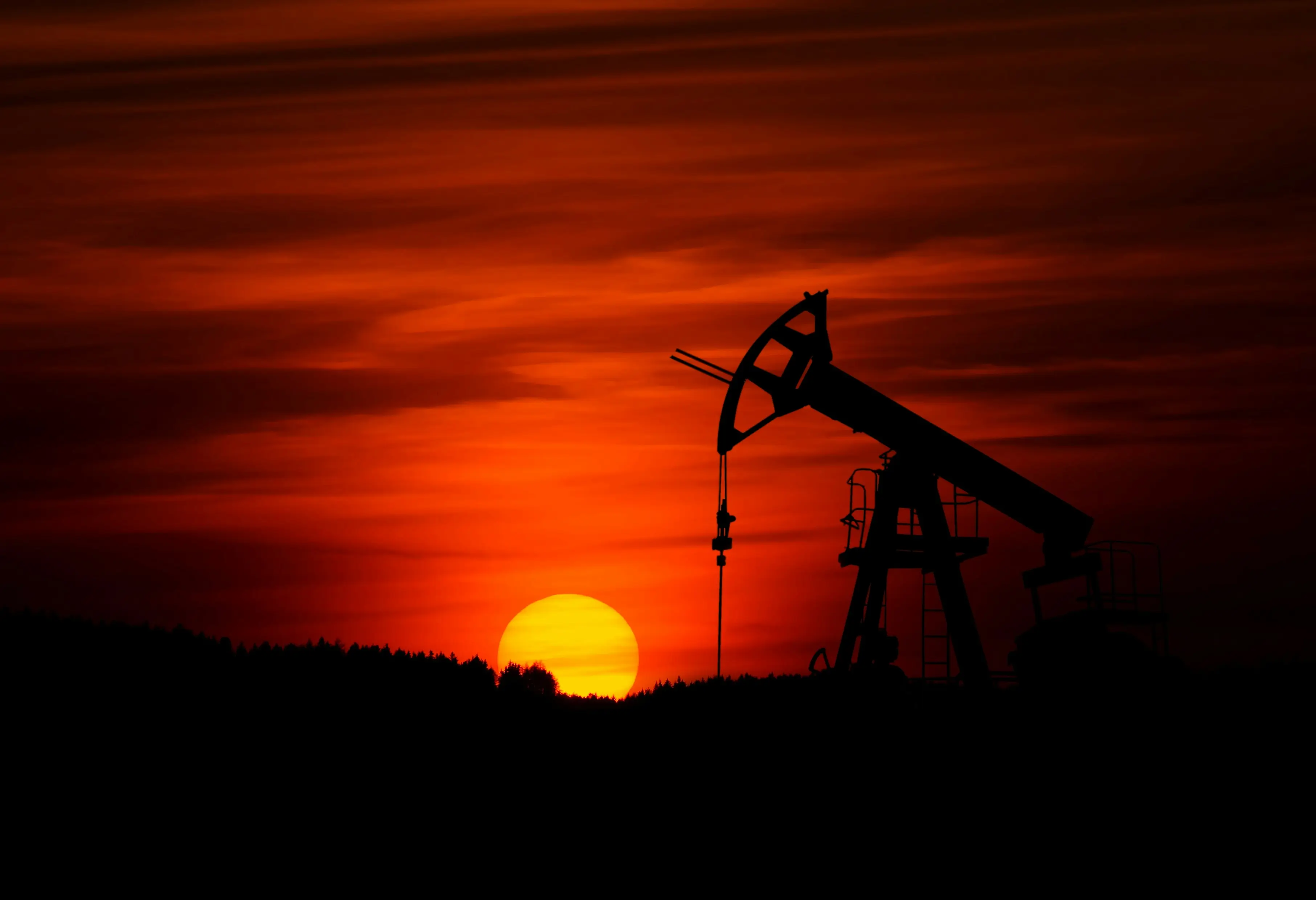
1. Venezuela
Venezuela holds the world’s largest proven oil reserves at about 303,221 million barrels, an increase of roughly 213 million barrels, according to the data in OPEC’s Statistical Bulletin published in 2025. Despite this vast resource base, production has long been hampered by political instability, sanctions, and underinvestment. Currently, after the US captured its president, Venezuela is likely to remain more unstable.
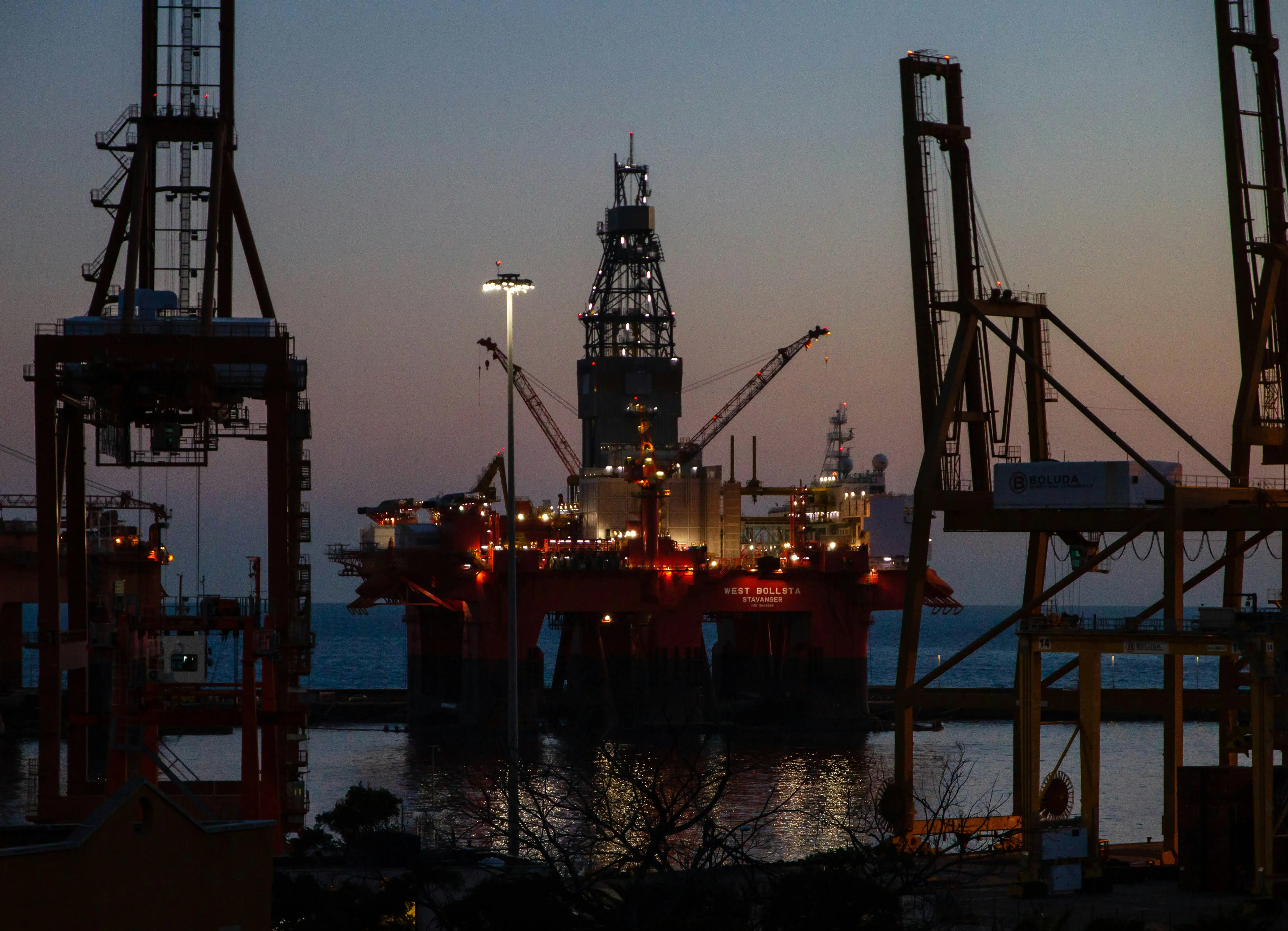
2. Saudi Arabia
Saudi Arabia has proven oil reserves of around 267,200 million barrels, a decline of about 30 million barrels. As the world’s leading oil exporter and a key OPEC player, it wields major influence over global energy markets. Its reserves are relatively easy to extract, giving the kingdom a strategic advantage in production costs and supply control.
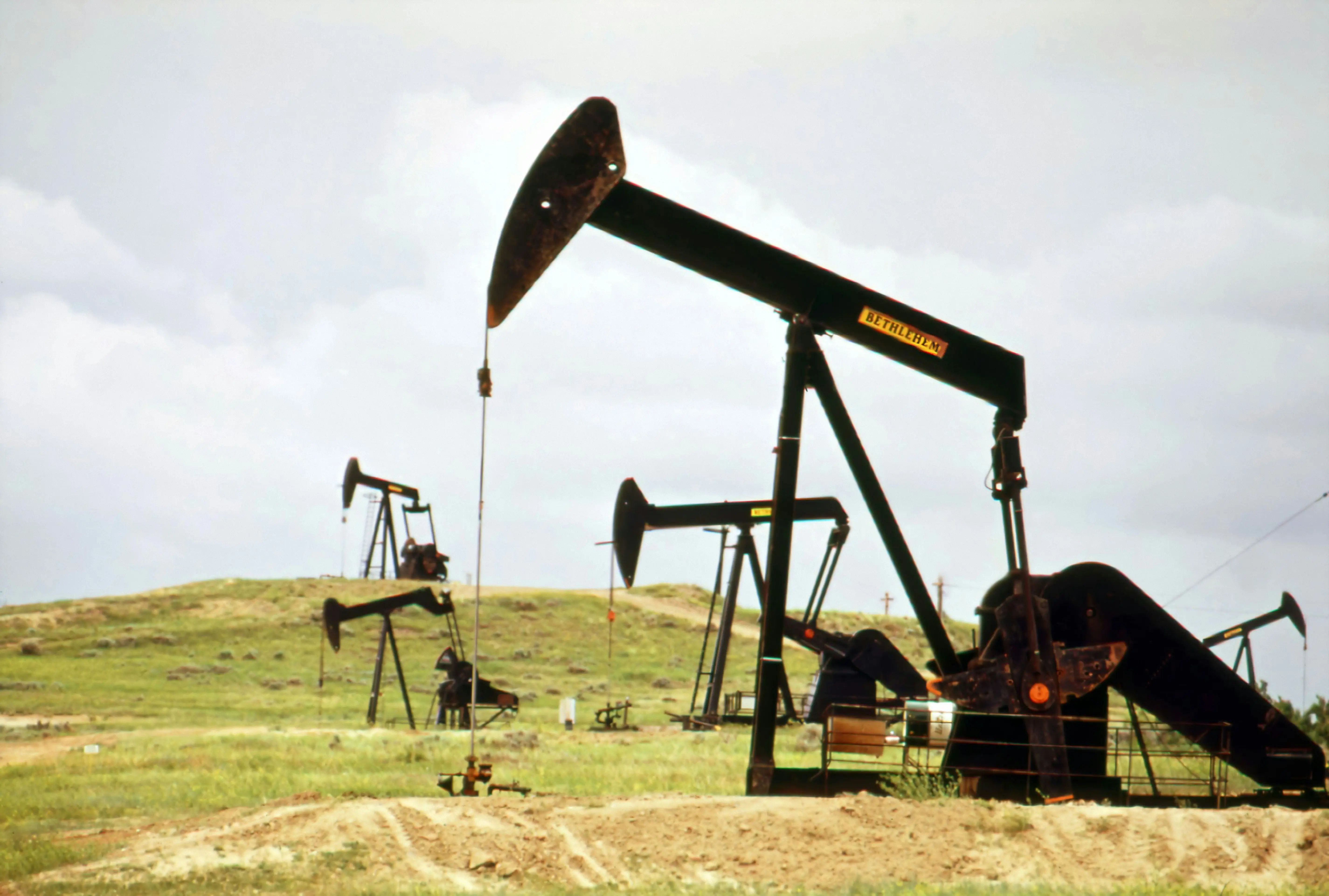
3. Canada
Canada possesses approximately 163,440 million barrels of proven oil reserves, with no recent change reported. Most of these reserves are in oil sands, particularly in Alberta, making extraction more complex and expensive. Canada remains a major supplier to the United States and is focusing on balancing energy production with environmental and climate commitments.
4. Iran
Iran holds about 208,600 million barrels of proven oil reserves, placing it among the world’s top holders. Despite this, sanctions and geopolitical tensions have restricted its ability to fully exploit and export its oil. Iran’s energy sector remains central to its economy and a key factor in its relations with global powers.
5. Iraq
Iraq has proven oil reserves of roughly 145,019 million barrels, with no reported change. Oil is the backbone of Iraq’s economy, accounting for the majority of government revenue. While reserves are abundant and relatively easy to extract, political instability, security concerns, and infrastructure challenges continue to limit production growth.
6. United Arab Emirates
The UAE has proven oil reserves of around 113,000 million barrels, as Abu Dhabi controls most of these reserves, making oil an important pillar of the federation’s wealth. At the same time, the UAE is investing heavily in diversification, renewable energy, and technology to reduce long-term dependence on hydrocarbons.
7. Kuwait
Kuwait holds around 101,500 million barrels of proven oil reserves. The country’s economy is heavily dependent on oil exports, and its reserves are among the most accessible globally. As a long-standing OPEC member, Kuwait plays a steady role in global oil supply, focusing on maintaining production capacity and modernising its energy sector.
)
)
)
)
)