Who brews the most? List of top 5 coffee-producing countries in the world

Coffee is one of the most consumed beverages in the world. As per the British Coffee Association, people consume about two billion cups of coffee every day. Let's have a look at the top 5 nations with the highest production of coffee.

5. Ethiopia
Ethiopia ranks as the fifth-largest coffee producer worldwide. It is Africa’s leading coffee producer, and notably, all of its output consists of Arabica beans, renowned for their rich flavour profiles.
4. Indonesia
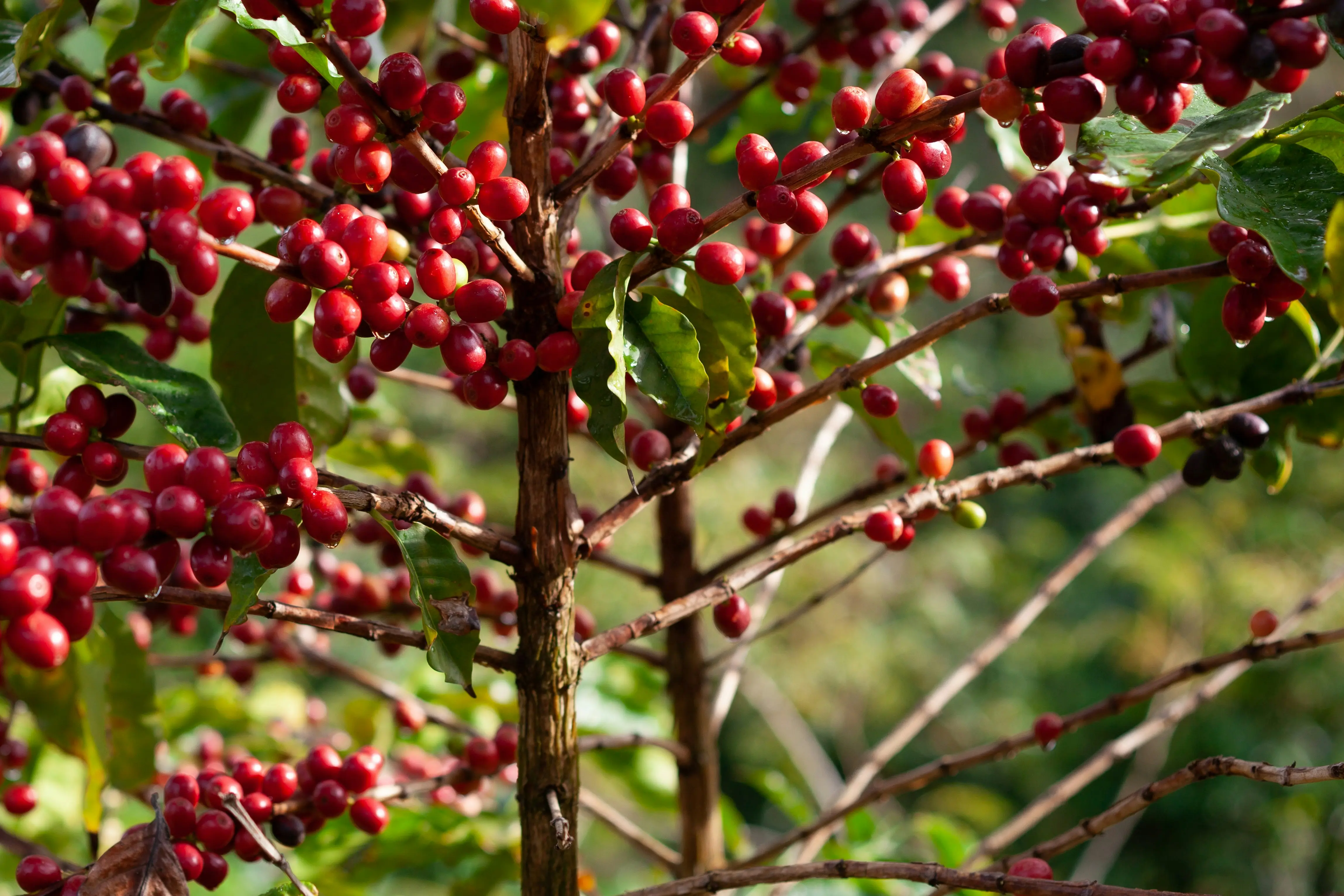
Indonesia is the world’s third-largest robusta producer, though it also cultivates Arabica. For 2024–2025, a total production is 10.7 million 60-kg bags. Coffee is grown across 1.2 million hectares, with smallholder farmers—typically managing just 1–2 hectares each, contributing most of the nation’s supply.

3. Colombia
Colombia has long been associated with premium coffee, popularised globally by the Juan Valdez campaign. Known for its consistently high-quality Arabica beans, Colombia is forecast to produce 13.2 million 60-kg bags in 2024–2025, maintaining its reputation as one of the most respected origins in the coffee world.
2. Vietnam
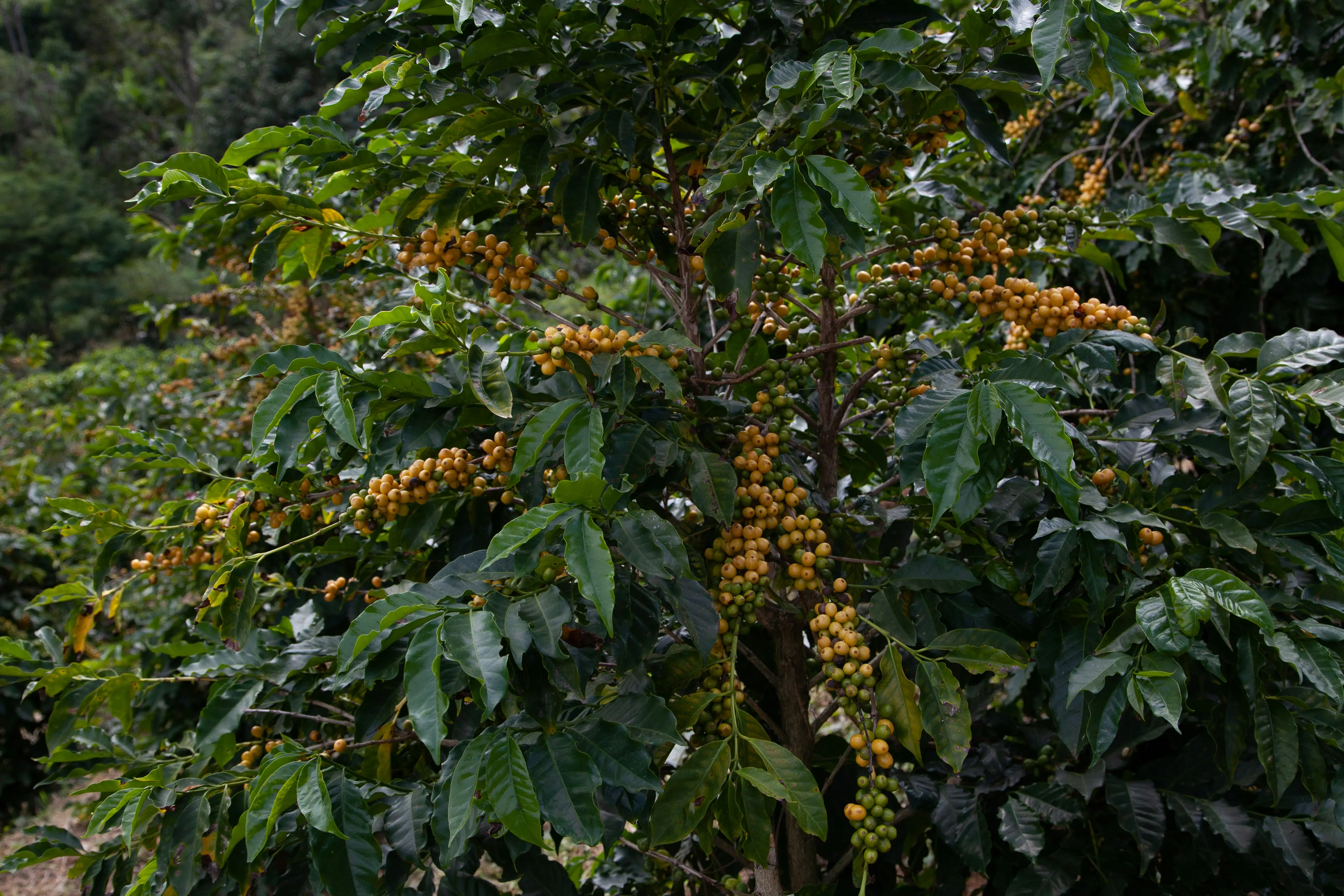
Despite being a relative newcomer to the global coffee trade, Vietnam has surged to become a powerhouse producer. After government reforms in the 1980s, coffee output expanded rapidly, growing 20–30 per cent annually during the 1990s. Today, Vietnam is the leading robusta supplier, with production of 29 million 60-kg bags in 2024–2025, according to the USDA.
1. Brazil
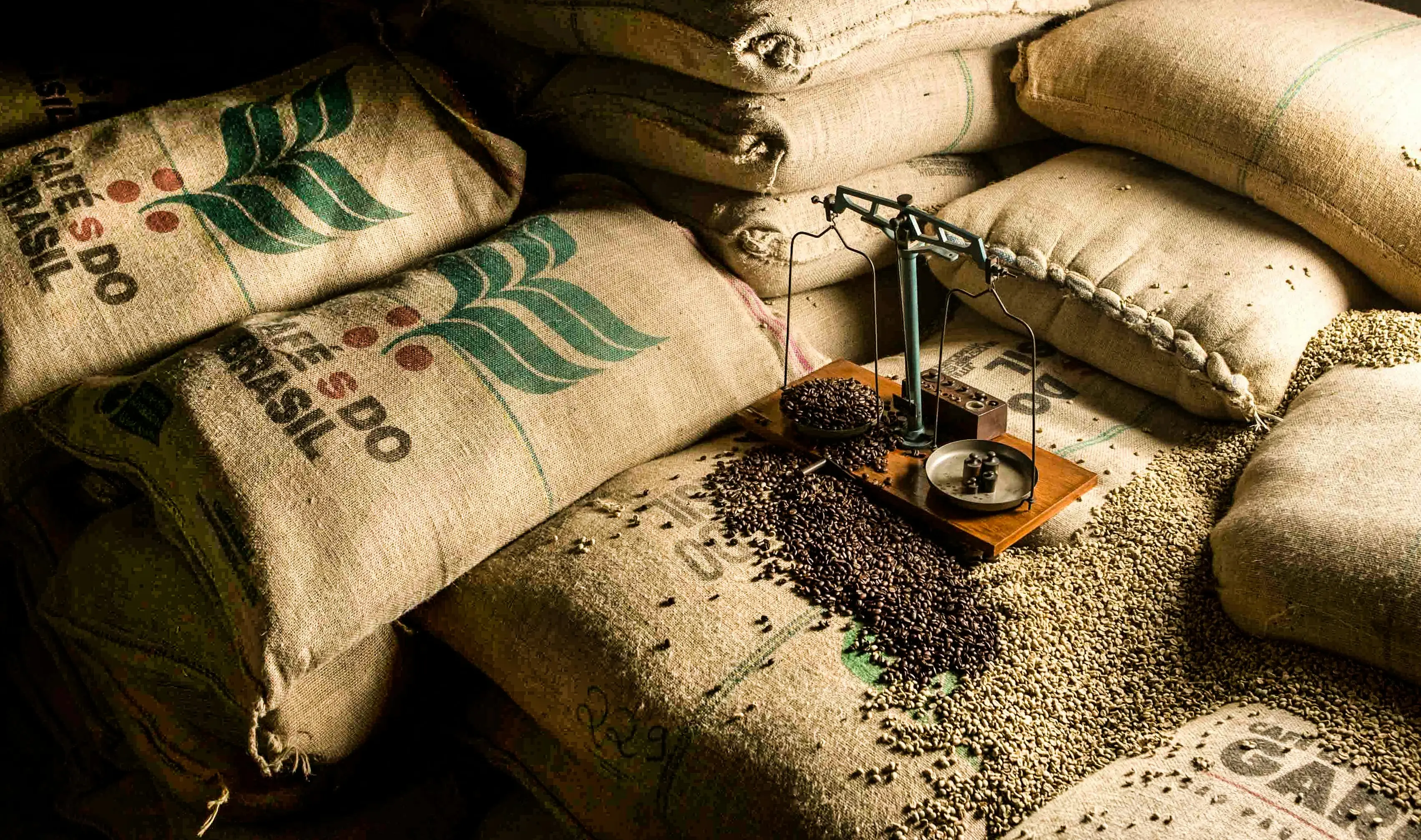
Brazil continues its reign as the world’s largest coffee producer, supplying over 64.7 million 60-kg bags in 2024–2025, equivalent to 37 per cent of global output. The main growing regions are in São Paulo, Paraná, and Minas Gerais, where the dry-processing method is widely used, giving Brazilian beans their distinct flavour characteristics.
)
)
)
)
)