'$50 million bed': Where does a $2 billion B-2 Bomber sleep?

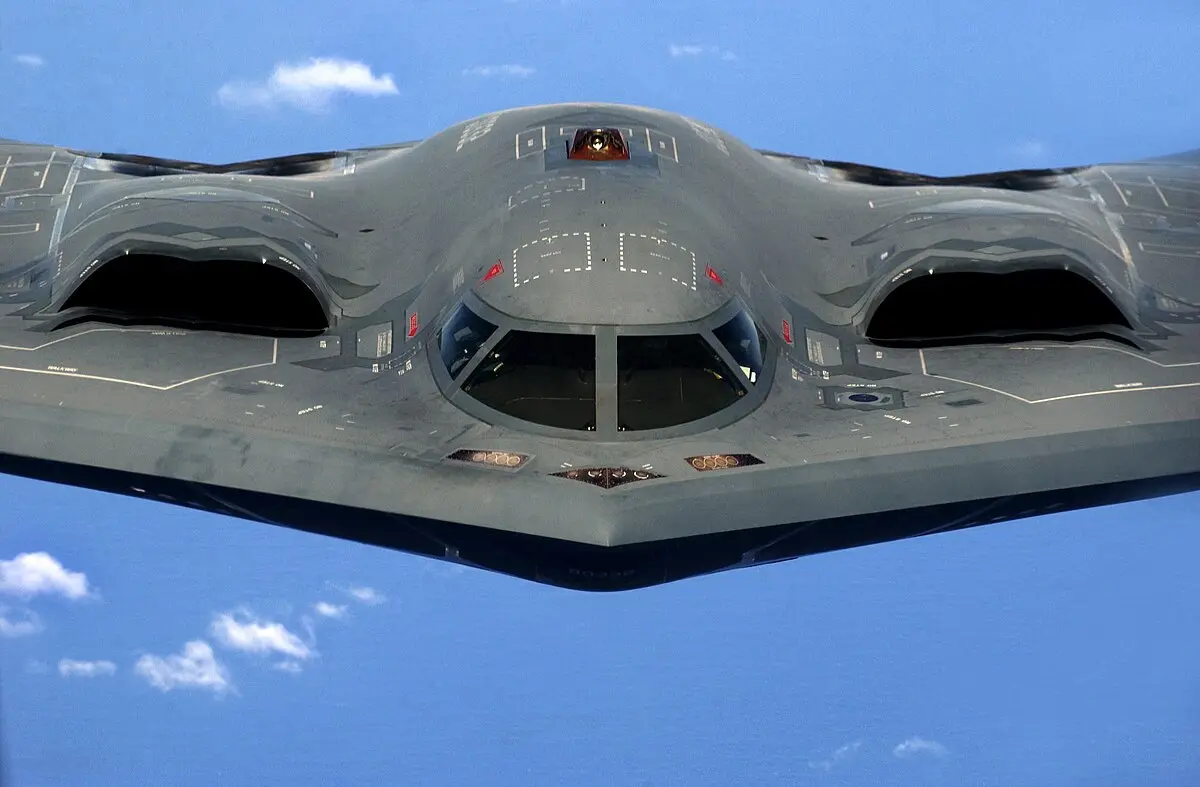
The B-2 Spirit cannot park outside. Its radar-absorbing skin requires climate-controlled storage after every flight. There is only one permanent B-2 base in the world — Whiteman Air Force Base in Missouri. When the aircraft deploys anywhere else on earth, a specialised portable shelter system must be pre-built and waiting. Here is the extraordinary logistical operation required just to house the world's most expensive aircraft.
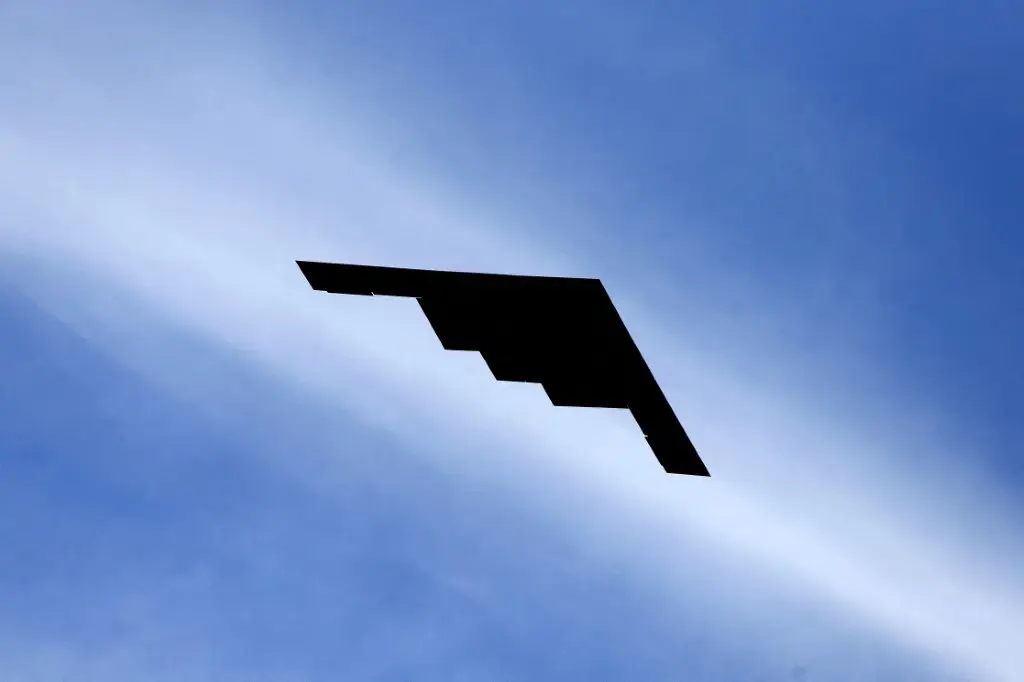
One Permanent Base On Earth
Every B-2 Spirit in the US Air Force inventory is assigned to Whiteman Air Force Base near Kansas City, Missouri. It is the only location in the world with the permanent infrastructure required to maintain the aircraft — the climate-controlled hangars, the specialised coating repair facilities, the trained maintenance workforce, and the secure storage for the weapons the aircraft carries. When a B-2 is not on a mission, it lives at Whiteman. There is no second option.
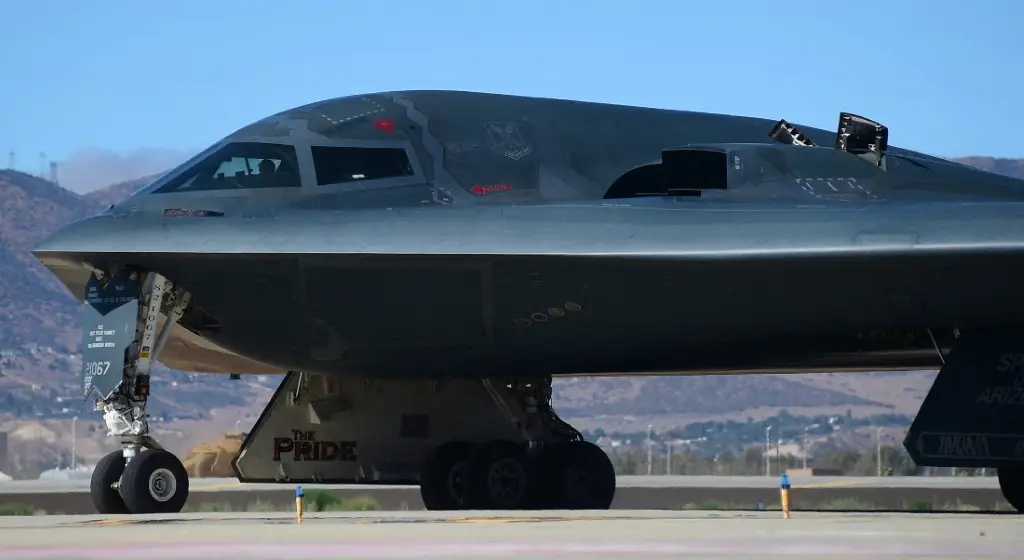
The Problem With Deploying To Other Bases
Unlike an F-16 or an F-35, which can land at almost any airfield with a runway long enough and fuel available, the B-2 requires specific environmental conditions when it is on the ground. The radar-absorbing coating must be maintained in controlled humidity and temperature. Post-flight inspection and repair of the coating requires specialised tools and materials. Parking the aircraft on a conventional apron overnight in a tropical climate would begin degrading its stealth capability within hours.
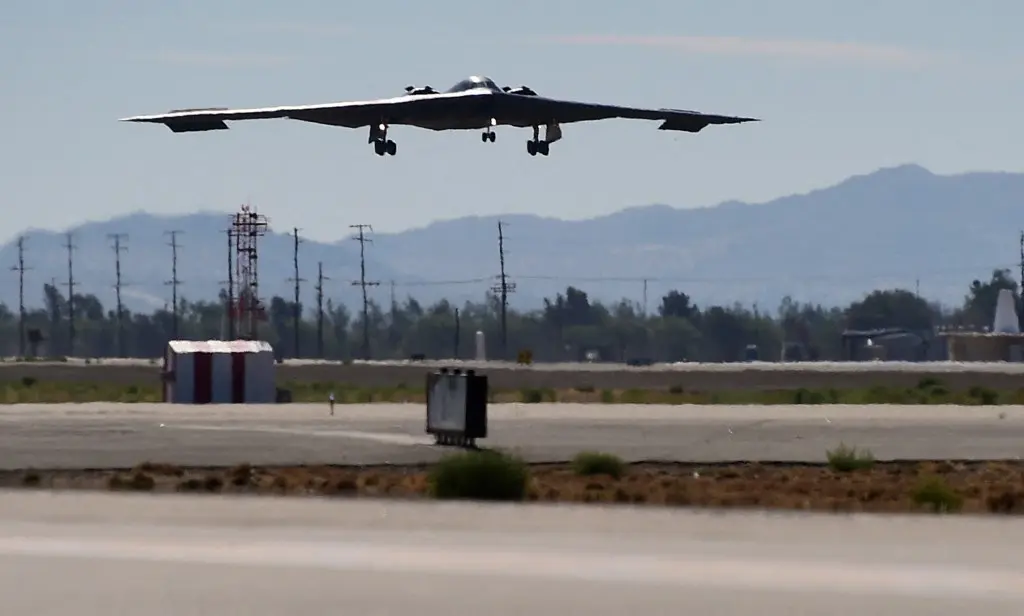
The Flexible Maintenance Shelter
The solution is the Flexible Maintenance Shelter — a portable, deployable climate-controlled hangar that can be assembled at any airfield to provide the B-2 with the environmental conditions it needs. The shelter is large enough to enclose the aircraft with room for maintenance crews to work around it. It maintains specific temperature and humidity levels. It can be broken down, transported by cargo aircraft, and reassembled at a new location. It is, essentially, a portable hotel room for a $2 billion aircraft.
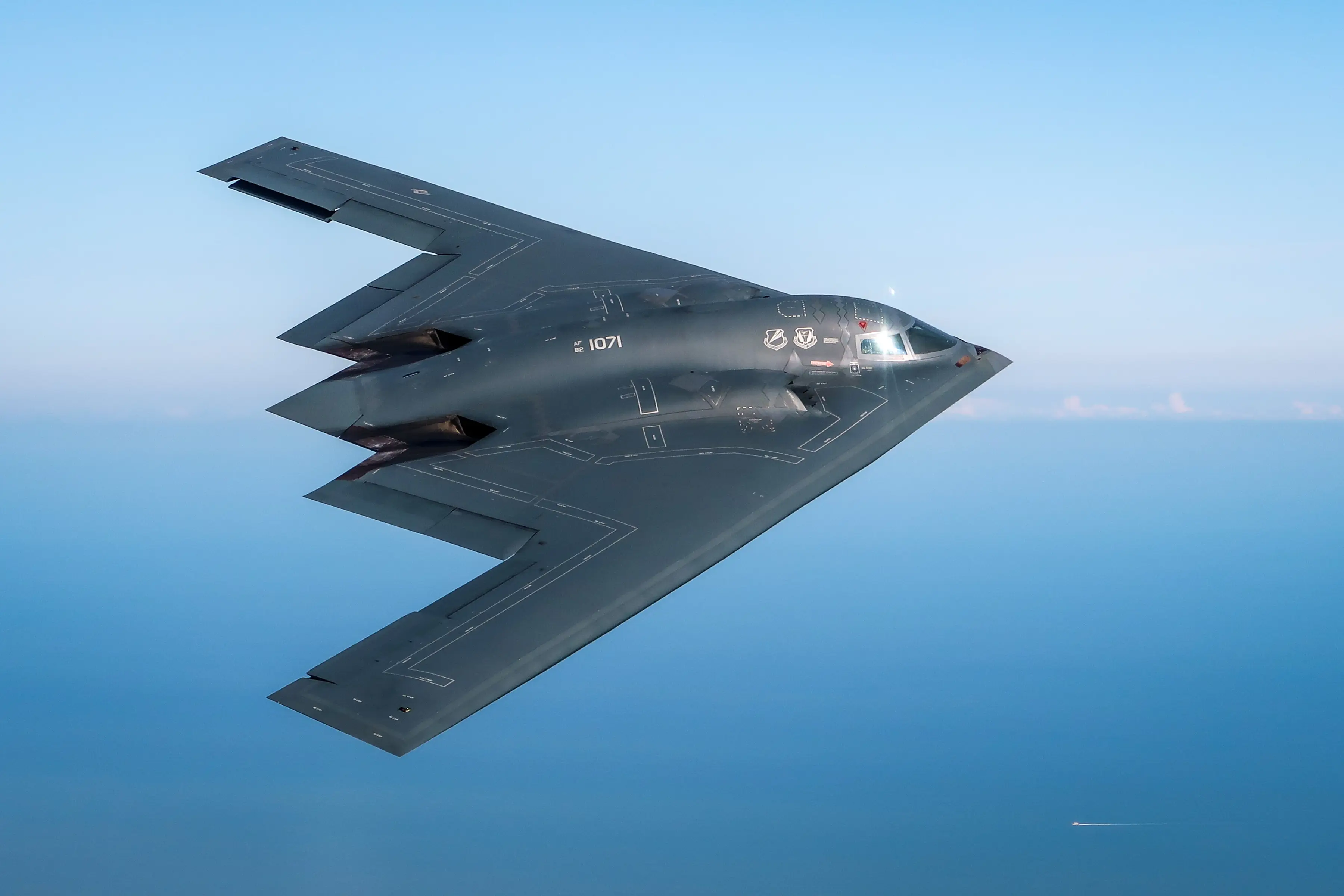
The Logistics Of Getting There First
Before a B-2 can deploy to a forward location, the shelter and its support equipment must arrive first. This requires cargo aircraft — typically C-17s or C-5s — to transport the shelter components, the climate control systems, the coating repair materials, and the maintenance teams to the destination base. The advance team assembles the shelter, verifies it is functioning, and only then is the B-2 cleared to depart Whiteman. The aircraft cannot arrive at a location that is not ready for it.
Where B-2s Have Deployed
Despite the logistical complexity, B-2s have deployed to Diego Garcia in the Indian Ocean for Afghanistan and Iraq operations, to Andersen Air Force Base in Guam for Pacific deterrence missions, and to Royal Air Force Fairford in the United Kingdom for European operations. Each deployment required weeks of advance preparation. At each location, the shelter was assembled before the aircraft arrived and disassembled after it departed. The B-2 has operated globally — but never without its own infrastructure arriving first.
The Cost Of Deployment
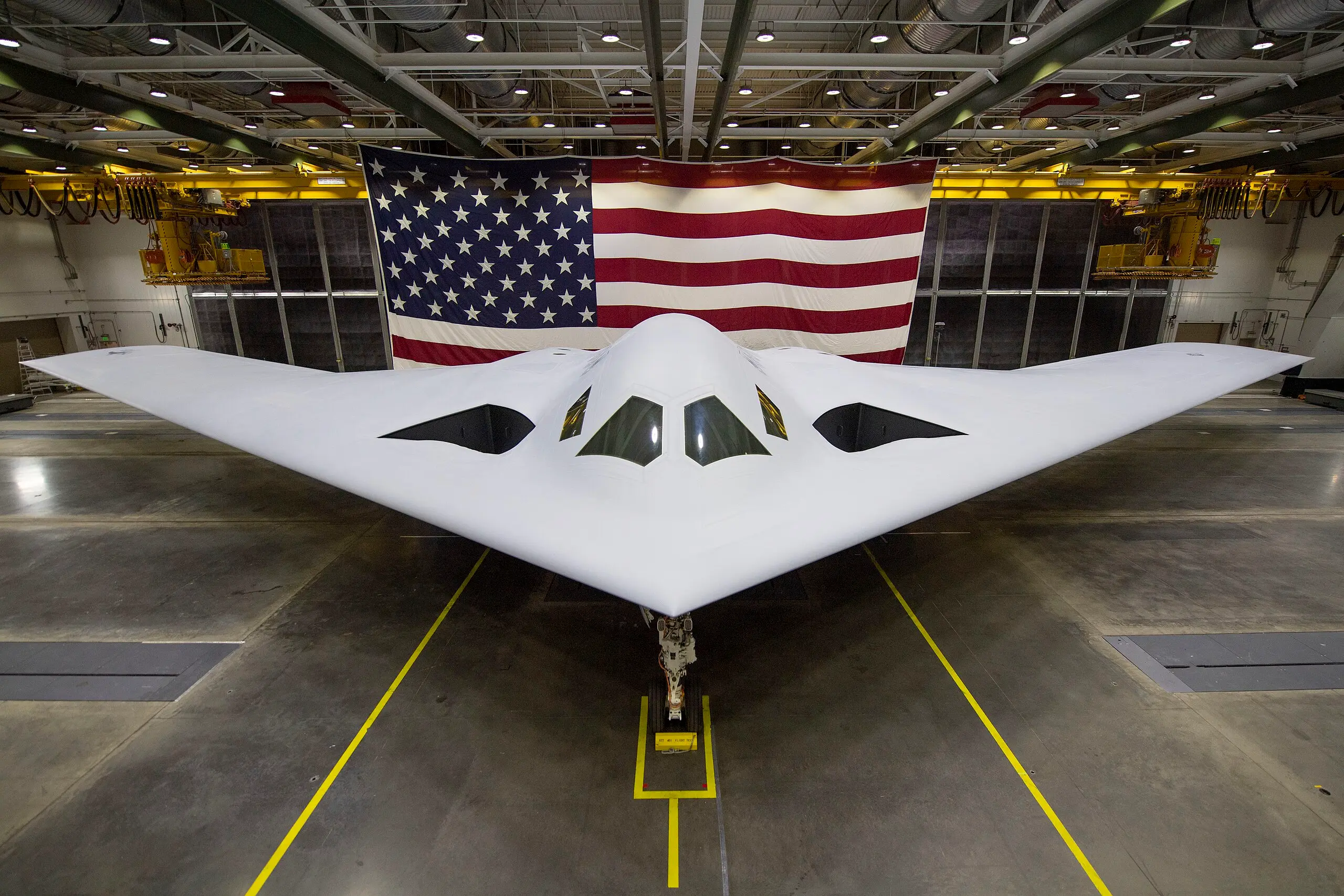
A B-2 deployment to a forward location is one of the most expensive single-aircraft operations in military aviation. The aircraft itself costs $130,000 per flight hour to operate. The transport of shelter equipment and support personnel adds millions more. The maintenance costs during deployment — coating inspections after every flight, specialised repairs that cannot be deferred — add further to the bill. A two-week B-2 deployment can cost tens of millions of dollars before any weapons are loaded.
Why It Is Worth It Anyway
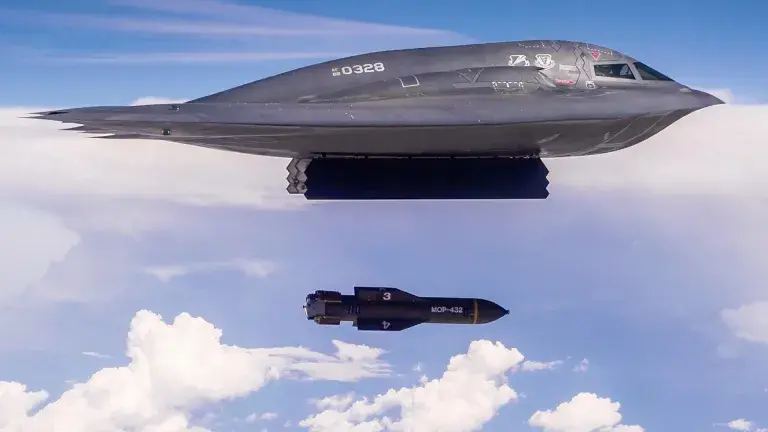
The extraordinary logistical burden of deploying a B-2 is accepted because there is no alternative if the mission requires it. No other aircraft can penetrate the air defences that the B-2 is designed for. No other aircraft can deliver the combination of payload, range, and stealth that the B-2 provides. The logistics are expensive, complex, and demanding — but they are the price of having a capability that no other nation has matched. The portable hangar follows the B-2 around the world because the aircraft is irreplaceable, and protecting it is non-negotiable.
)
)
)
)
)