When Sudan split in two: How South Sudan became the world’s newest country

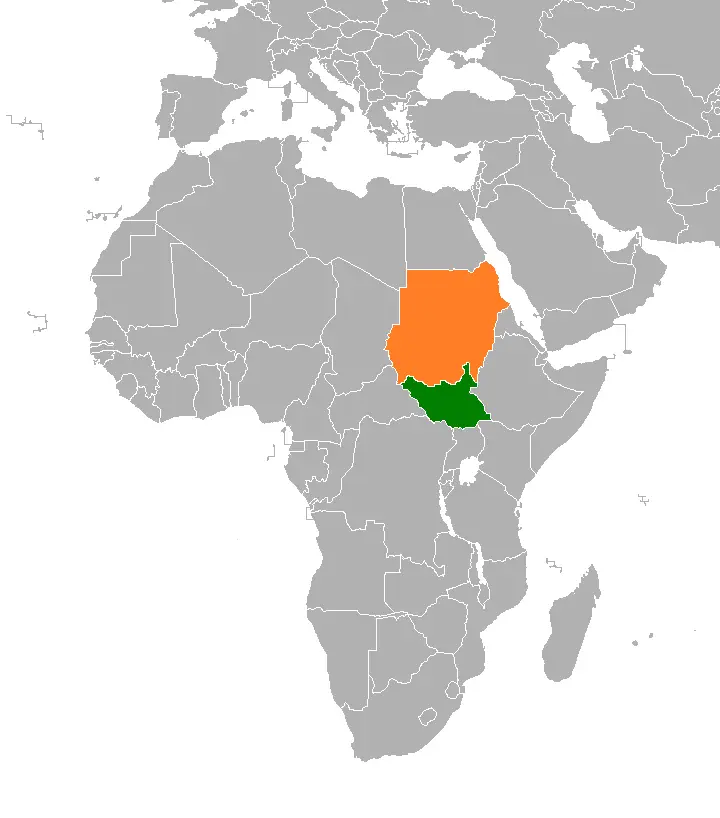
The division of Sudan was not a sudden act of politics, but the culmination of more than half a century of civil wars, broken peace deals and deep-rooted ethnic and religious divisions.
Introduction — The long road to separation
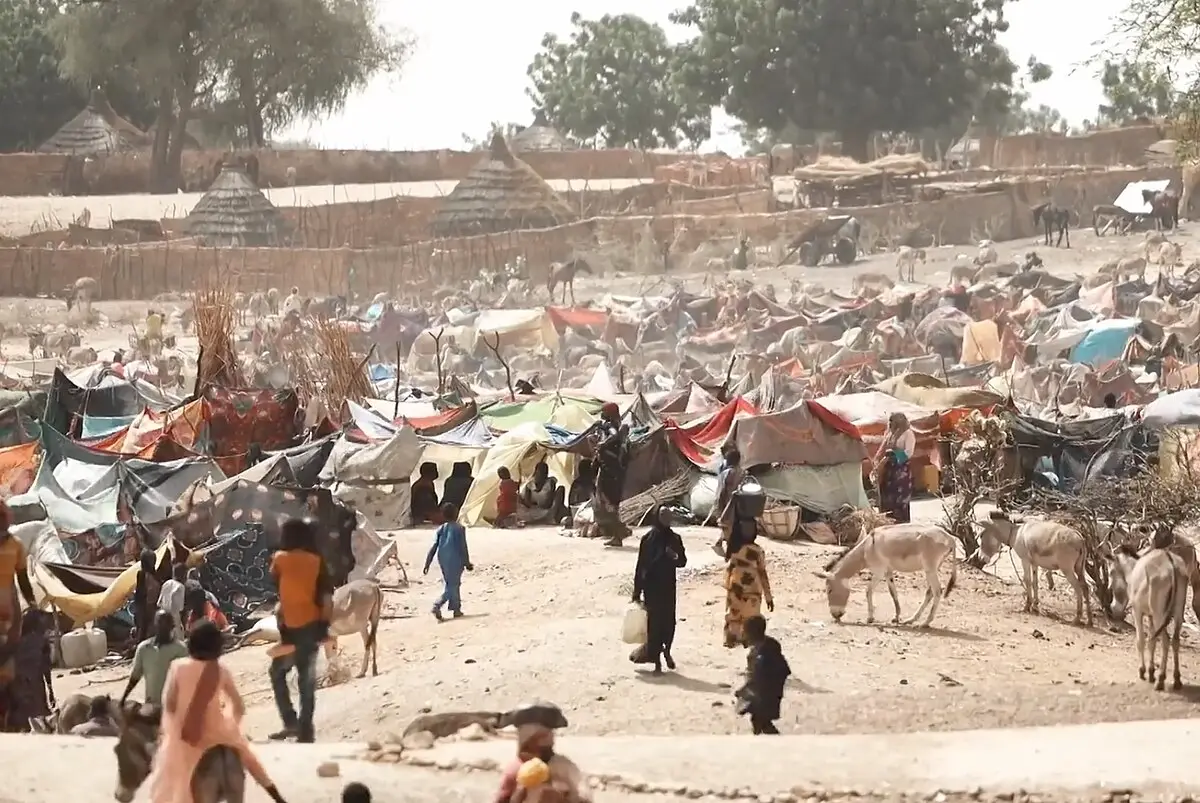
Sudan is once again engulfed in a devastating civil war, a brutal conflict between the Sudanese Armed Forces (SAF) and the Rapid Support Forces (RSF) that has torn the country apart since April 2023. Cities such as Khartoum, Omdurman, and El-Fasher lie in ruins, millions have been displaced, and famine looms across the land. The renewed violence is a grim reminder of the divisions that led to Sudan’s earlier fracture. Fourteen years ago, in 2011, those same tensions of power, ethnicity, and marginalisation culminated in the birth of South Sudan, the world’s youngest nation. The story of how Sudan split in two is not merely history; it remains central to understanding the chaos that still grips the region today. Yet, even as new flags were raised in Juba, the world’s youngest country was born into fragility, facing the monumental challenge of nation-building after war.
The legacy of colonial rule
Sudan’s divisions trace back to its colonial history. Under British–Egyptian rule (1899–1956), the north and south were governed separately, the north integrated into the Arab-Islamic world, while the south was influenced by Christian missionaries and local African traditions. When the two regions were merged before independence in 1956, deep mistrust was already embedded. The new northern-led government quickly imposed Arabisation and Islamic law, alienating the largely non-Muslim south and sowing the seeds of rebellion.
Two civil wars and decades of devastation
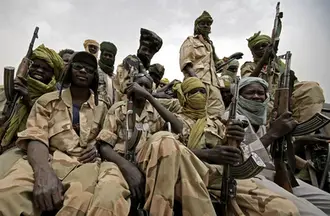
Sudan’s first civil war erupted in 1955, a year before independence, and raged until 1972 when the Addis Ababa Agreement granted the south limited autonomy. The peace lasted barely a decade. In 1983, then-president Jaafar Nimeiri revoked southern autonomy and imposed sharia law, sparking a second and even deadlier war led by the Sudan People’s Liberation Army (SPLA) under John Garang. Over two million people were killed and more than four million displaced in what became one of the world’s most brutal civil conflicts.
The 2005 peace agreement and the path to independence
After years of international mediation and pressure, the Comprehensive Peace Agreement (CPA) was signed in Nairobi in 2005 between the Sudanese government and the SPLA. The CPA ended active hostilities, guaranteed power-sharing, and crucially, granted the south the right to hold a referendum on independence after six years. When the vote finally took place in January 2011, the result was overwhelming, 98.8 per cent of South Sudanese voted to secede from Sudan. The moment was celebrated across Africa as a rare success story in conflict resolution.
July 9, 2011 — the birth of a nation
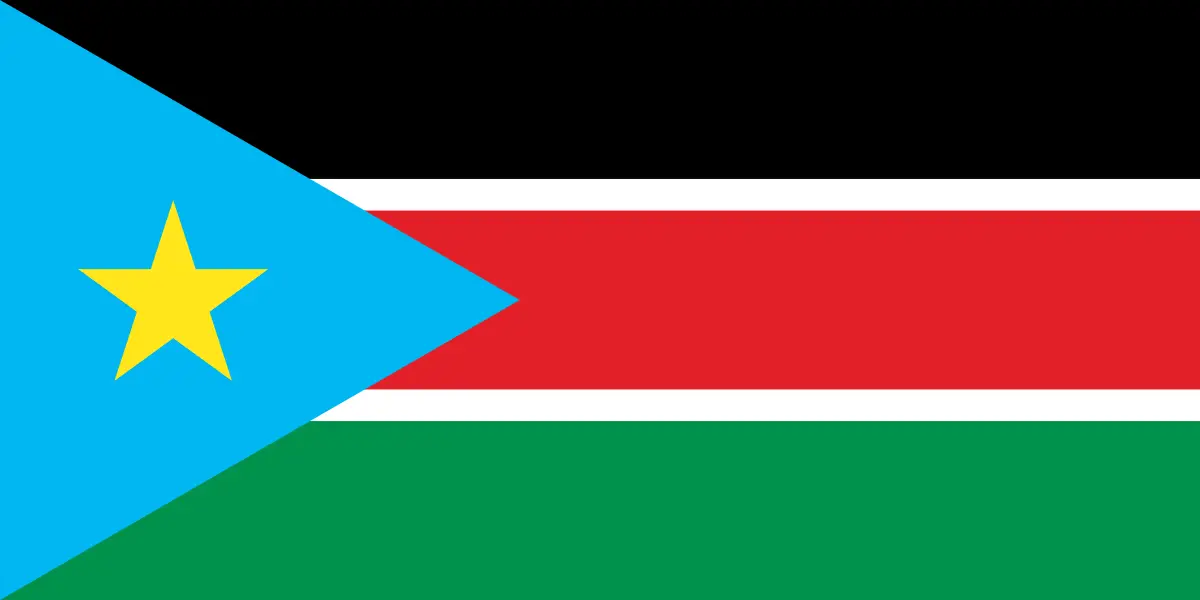
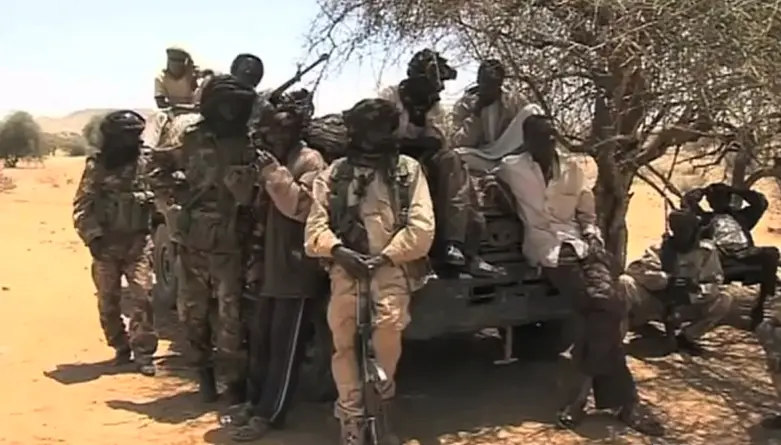
On July 9, 2011, South Sudan officially became the world’s newest country. Juba, the capital, erupted in celebration as the new flag was raised before thousands of cheering citizens and visiting heads of state. Salva Kiir became the first president, and John Garang, who had died in a helicopter crash in 2005, was remembered as the movement’s founding hero. International recognition was swift, the United Nations admitted South Sudan as its 193rd member state, and India, along with most nations, established diplomatic ties immediately.
Hopes and hardships of independence
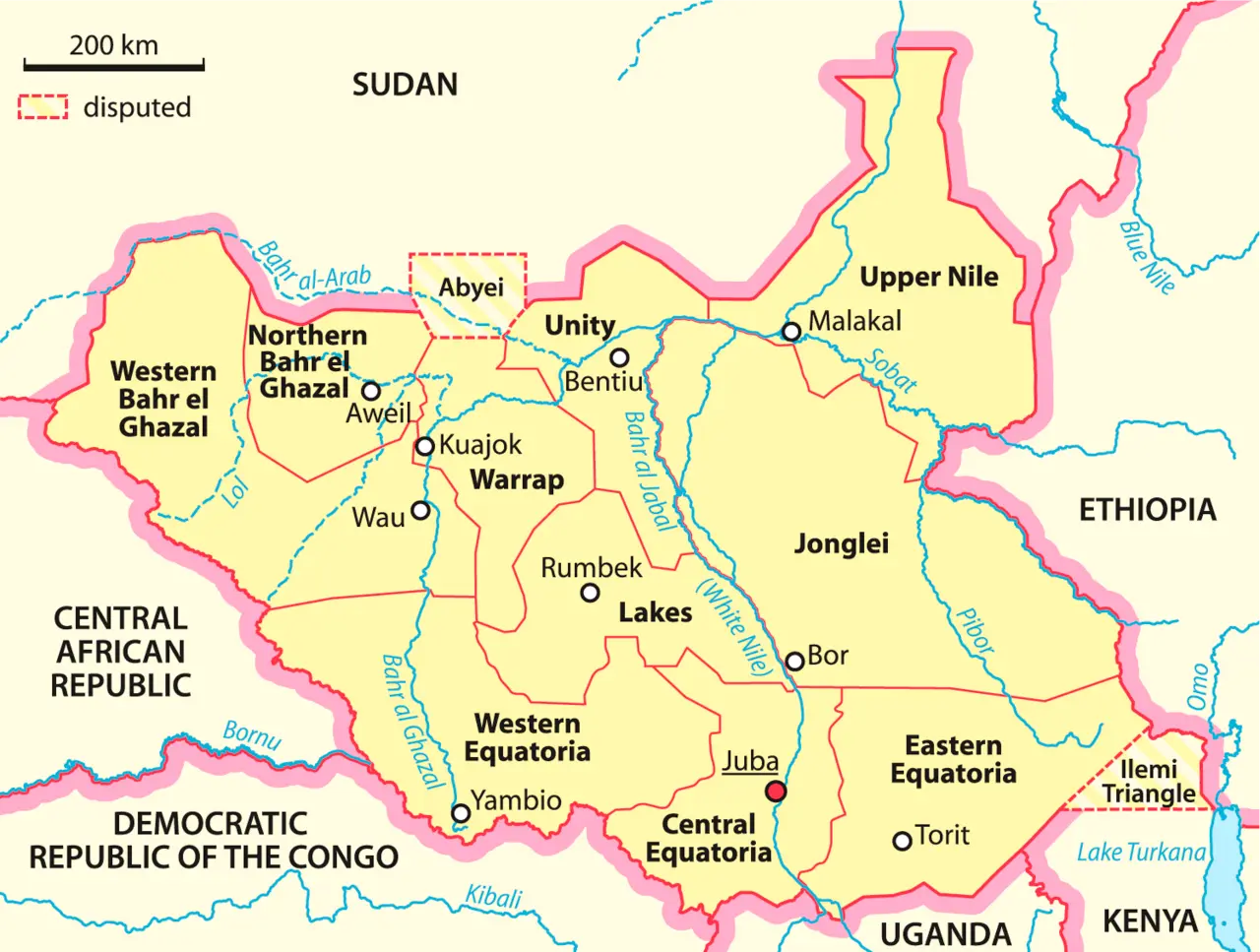
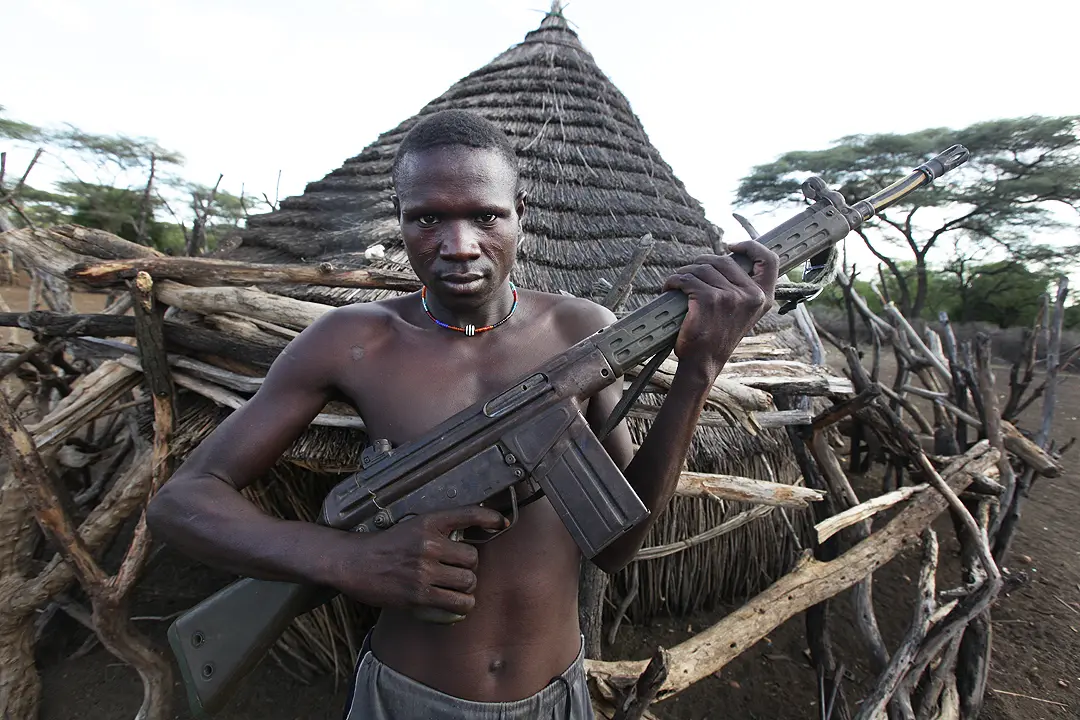
Independence, however, did not bring peace. Disputes with Sudan over oil-rich border regions such as Abyei and Heglig soon reignited tensions. Within the new country, ethnic rivalries, corruption, and political infighting began to erode stability. In December 2013, just two years after independence, clashes between forces loyal to President Kiir and those backing former vice president Riek Machar plunged South Sudan into civil war. The conflict killed hundreds of thousands and displaced millions, dimming the early promise of nationhood.
Conclusion — freedom and fragility
The story of Sudan’s partition is one of liberation intertwined with loss. South Sudan’s independence was a hard-won victory for self-determination after decades of suffering. Yet, the challenges that followed highlight how peace agreements alone cannot resolve the deeper legacies of inequality and mistrust. Fourteen years after independence, South Sudan remains fragile, struggling to heal divisions and build a stable future.
)
)
)
)
)