What would happen if the sun vanished? Here’s how long Earth could survive...

The consequences would be both immediate and catastrophic, reshaping Earth in ways difficult to imagine.
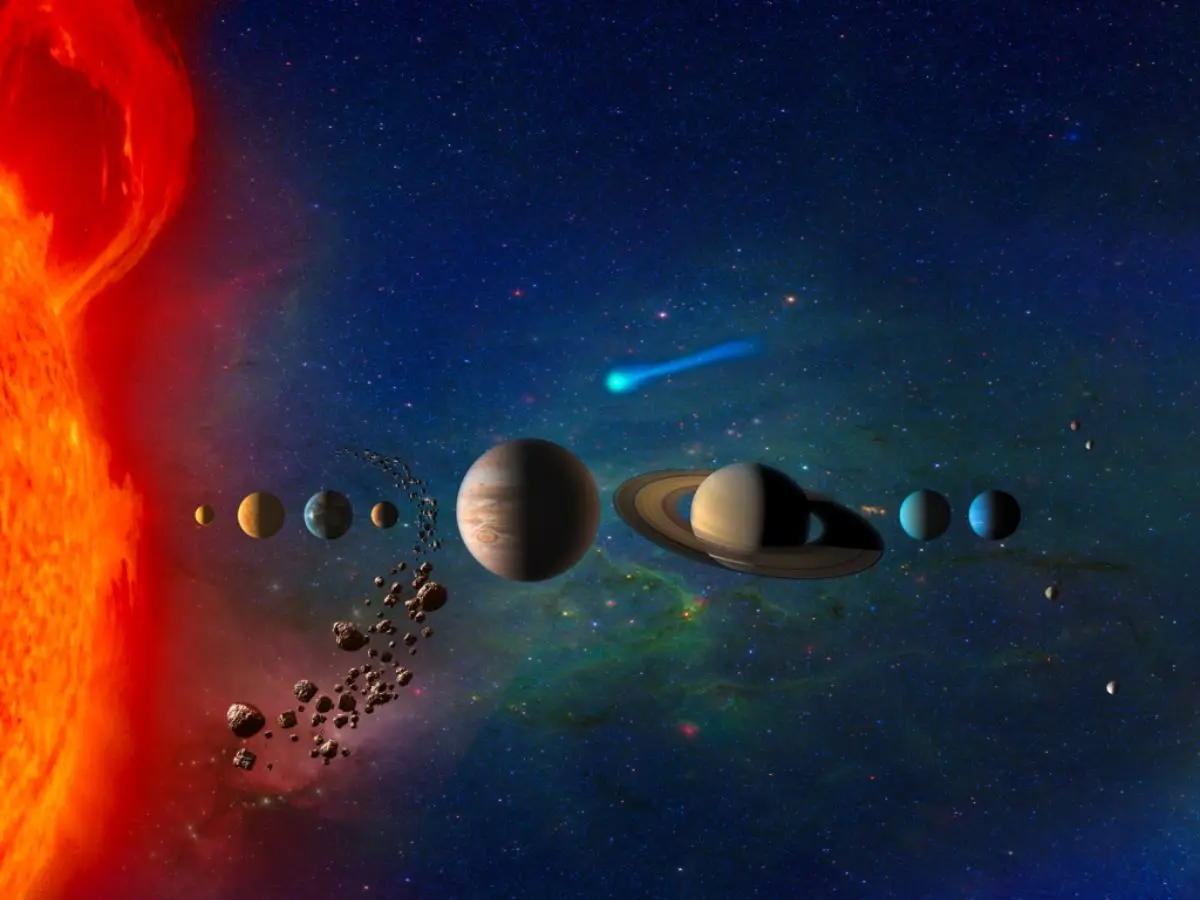
What Would Happen to Earth If the Sun Vanished?
The Sun is not just the centre of our Solar System; it is the very reason life exists on Earth. Every moment, its gravitational pull keeps the planets in orbit, while its light and heat drive the processes that sustain ecosystems and climate. But what if, in an instant, the Sun simply vanished? The consequences would be both immediate and catastrophic, reshaping Earth in ways difficult to imagine.
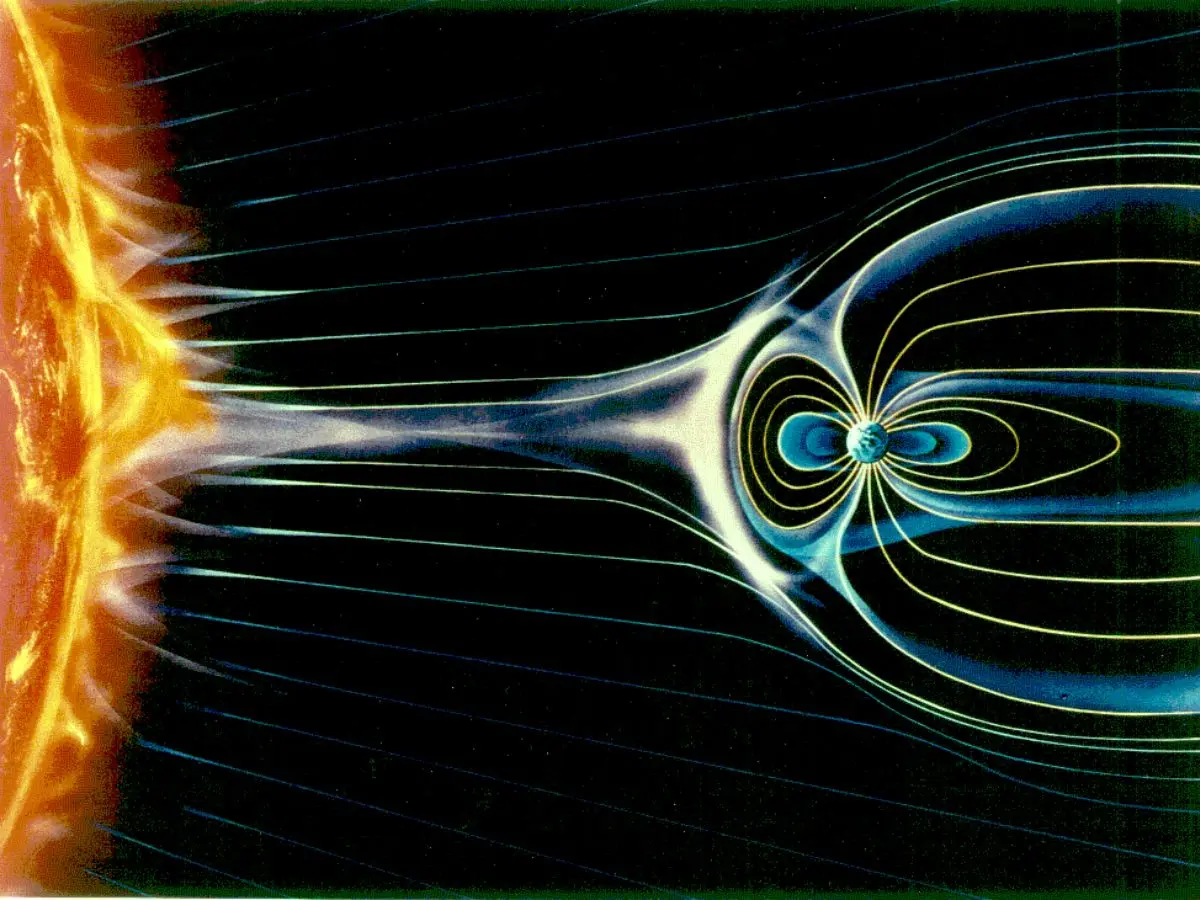
Gravity Lost: Drifting into the Void
The Sun’s mass provides the gravitational anchor for all the planets. If it were to disappear suddenly, Earth would no longer orbit it. Instead, our planet would shoot off in a straight line, tangential to its current orbit, drifting endlessly into interstellar space. The Moon, bound to Earth by gravity, would remain with us, but the elegant clockwork of the Solar System would collapse instantly.
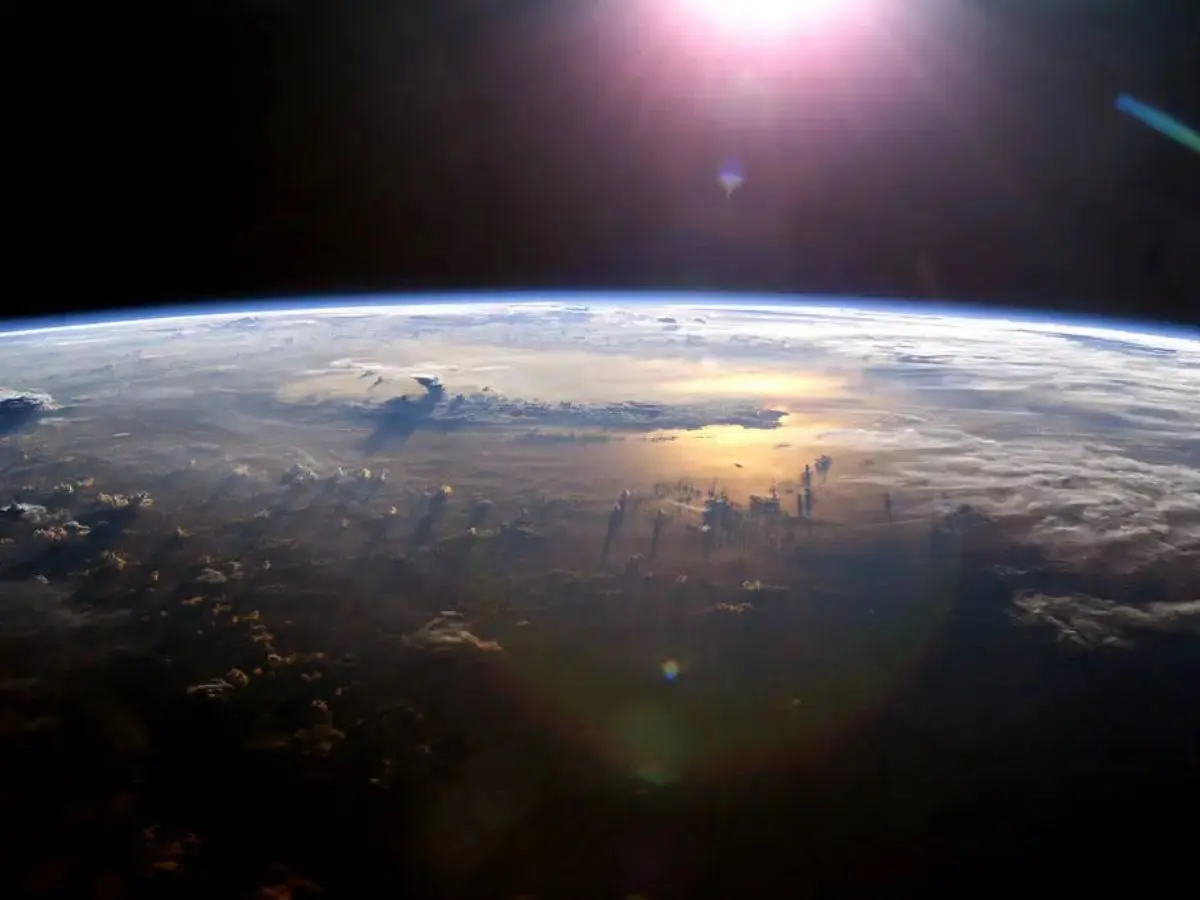
Eight Minutes of Light
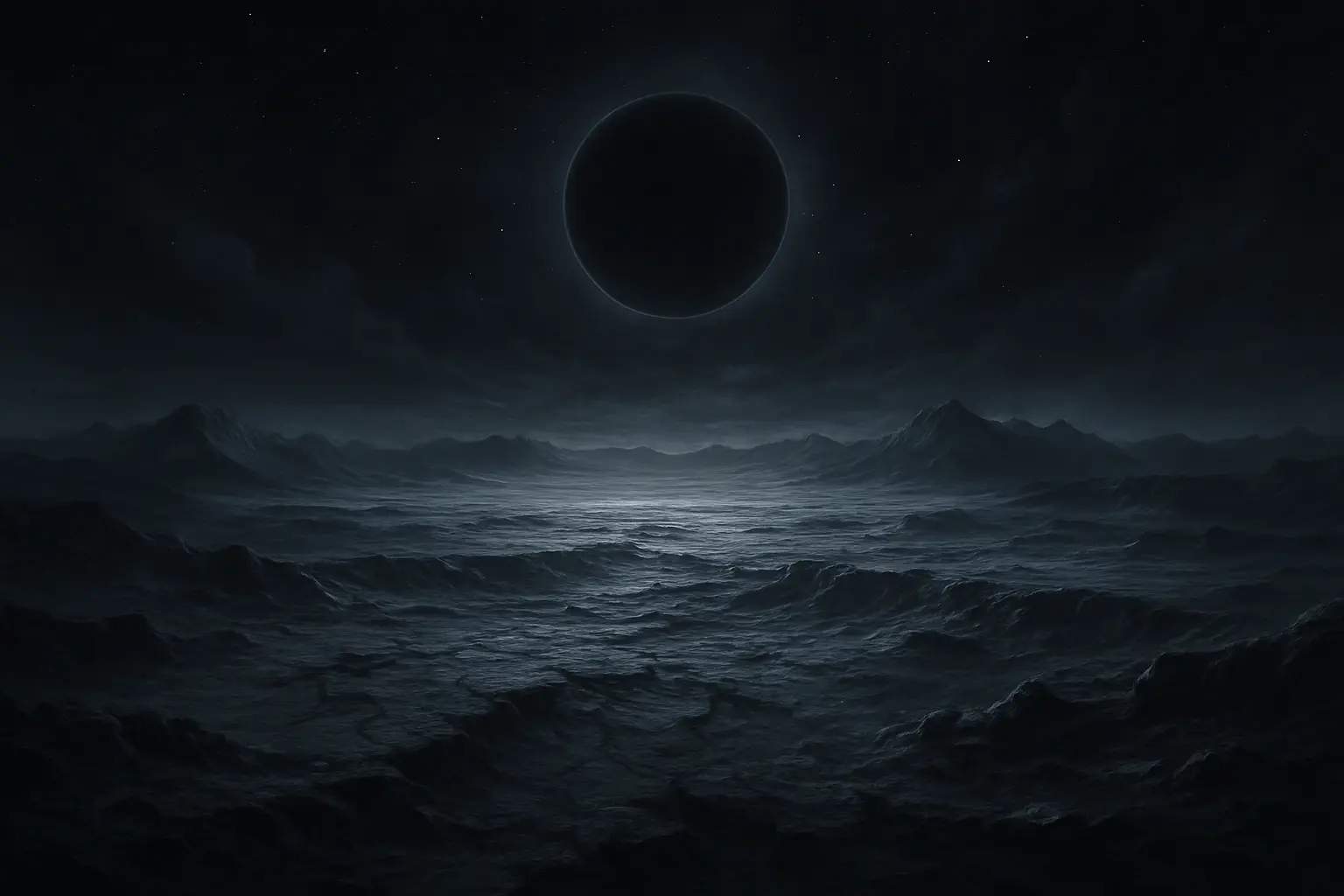
Because light takes around eight minutes to travel from the Sun to Earth, we would not notice the disappearance immediately. For those eight minutes, the Sun would still shine, and everything would appear normal. Then, as the last photons reached us, the sky would go completely black. Day would turn instantly to night, leaving only the stars and planets faintly visible.
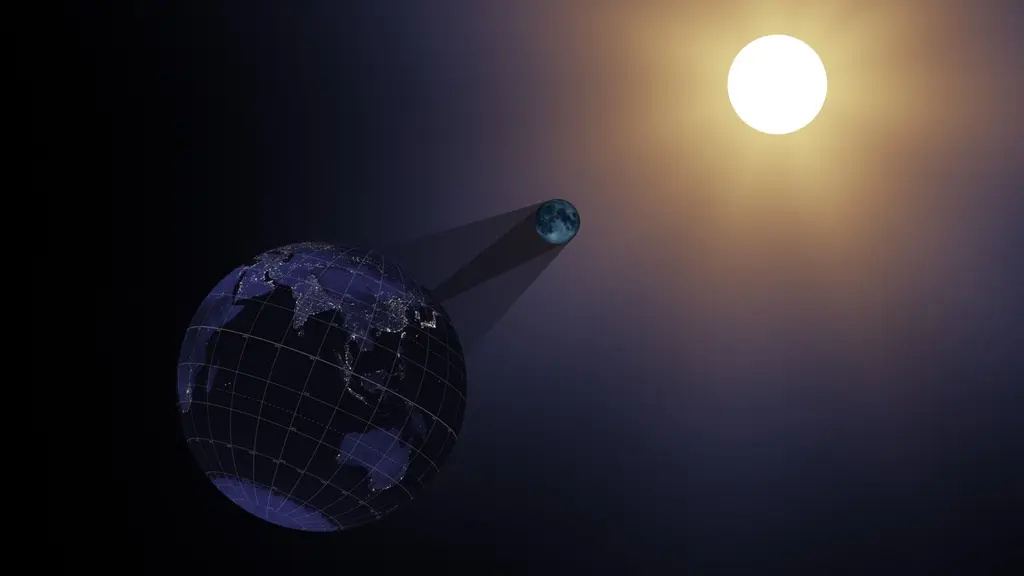
Temperatures Plunge Towards Absolute Zero
Without the Sun’s heat, Earth’s surface temperature would plummet rapidly. Within a week, the average global temperature could fall below –70°C. Oceans would begin to freeze from the surface down, though the immense thermal mass of water would delay complete freezing for hundreds of thousands of years. Beneath the ice, liquid water might persist for some time, but the surface would become an inhospitable wasteland.
Photosynthesis Ends, Life Collapses
With no sunlight, photosynthesis would cease almost immediately, cutting off the primary energy source for plants and phytoplankton. Within days, ecosystems would begin to unravel. Herbivores would starve first, followed by carnivores. Humanity could survive briefly with artificial light and heat, relying on stored food and energy reserves, but civilisation would be fundamentally doomed without the Sun’s energy.
Earth’s Core and Nuclear Options
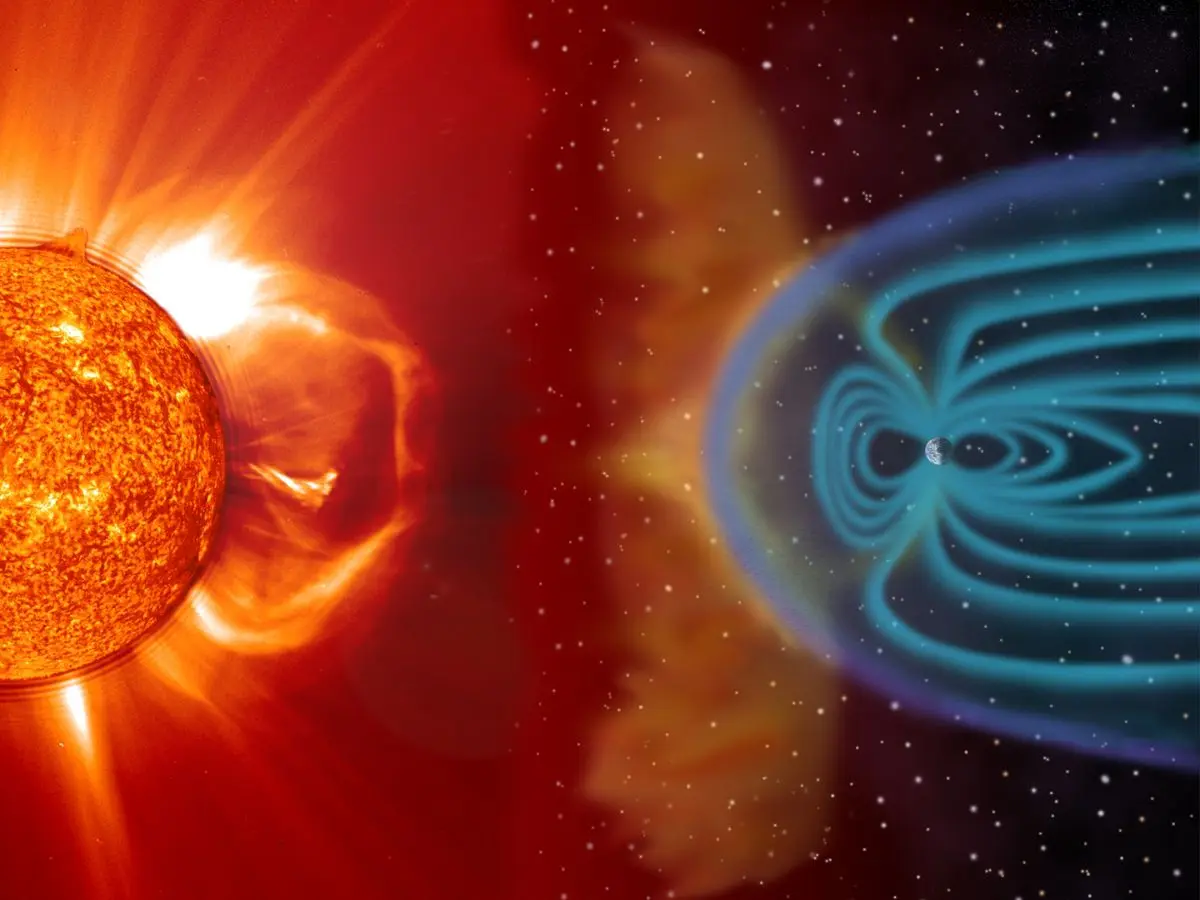
Despite surface death, heat from Earth’s molten core and radioactive decay would continue for billions of years. Life could theoretically persist near hydrothermal vents on the ocean floor, where communities already exist independent of sunlight. In theory, humans might also survive in artificial habitats powered by nuclear energy or fusion, but this would require rapid adaptation and technology beyond current global capacity.
Drifting Towards Other Stars
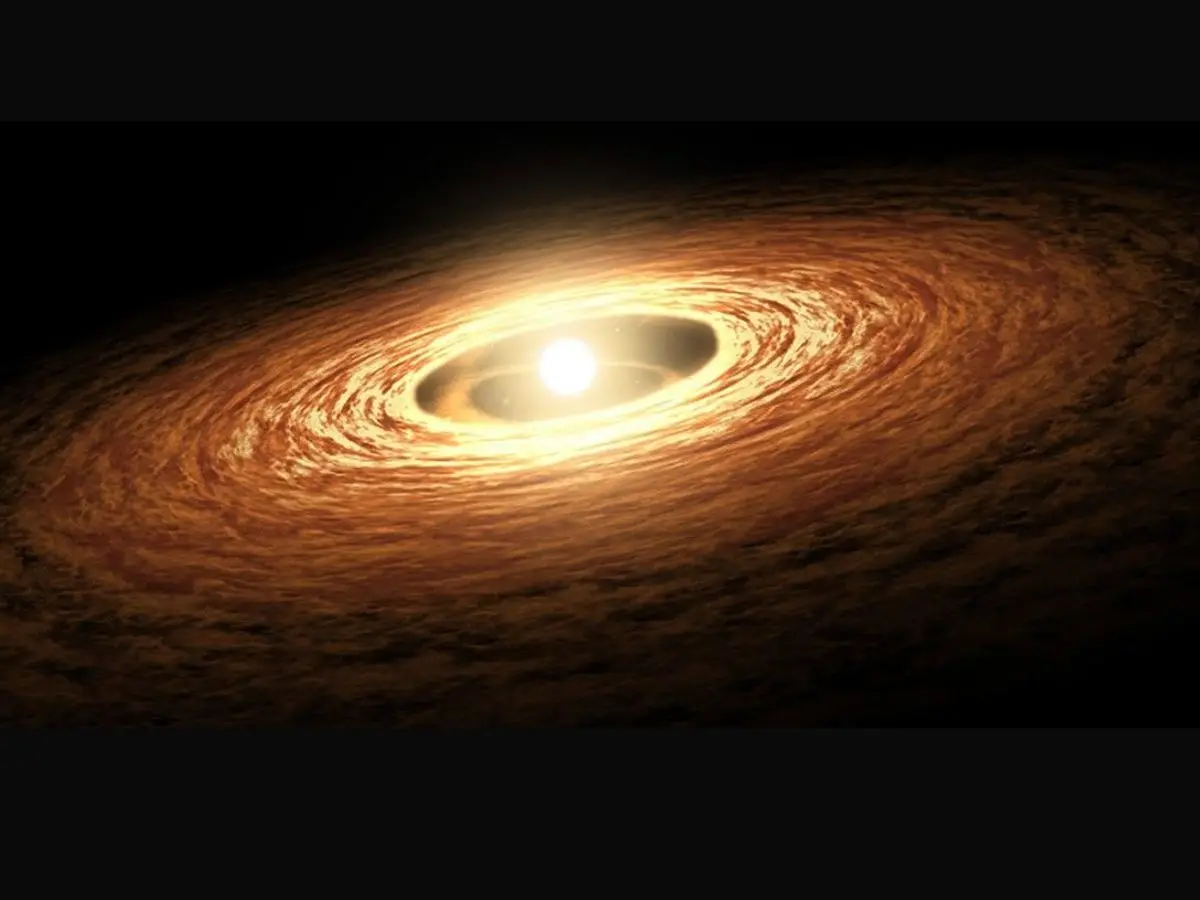
As Earth drifted through the galaxy, it might, over millions of years, pass near another star system. If conditions aligned, it could even be captured by another star’s gravity. However, the odds are vanishingly small, and the timescales stretch far beyond human history. For all practical purposes, Earth would become a frozen rogue planet, untethered and alone.
The Inescapable Truth
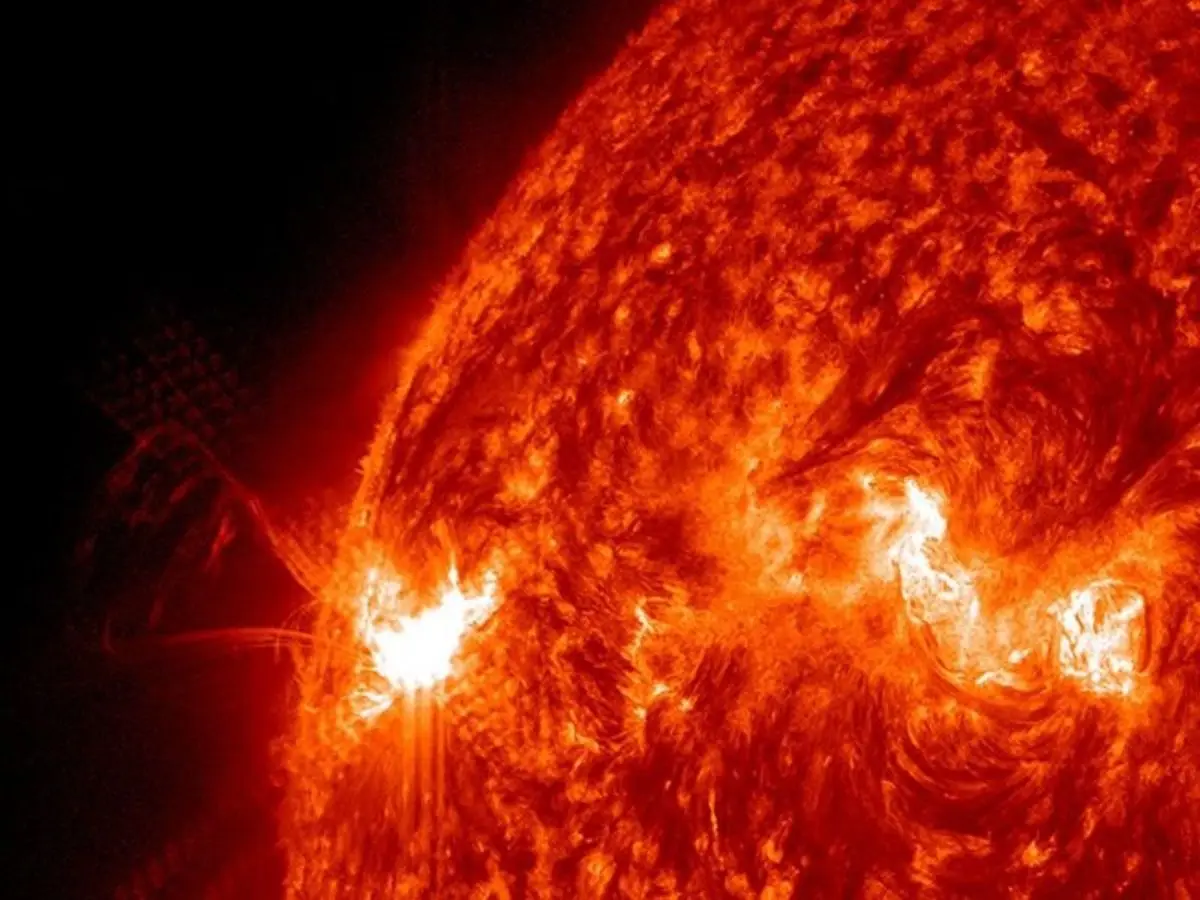
The Sun is not simply a light in the sky but the foundation of everything that makes Earth habitable. Its sudden disappearance would mean the rapid collapse of climate, ecosystems, and human survival, however, it's not happening anytime soon.
)
)
)
)
)