What will happen if a F-35 fighter jet tries to fly into space?

Fighter jets like the F-35 rely on air-breathing engines that need atmospheric oxygen to burn fuel. Beyond the stratosphere, air becomes too thin to sustain combustion.
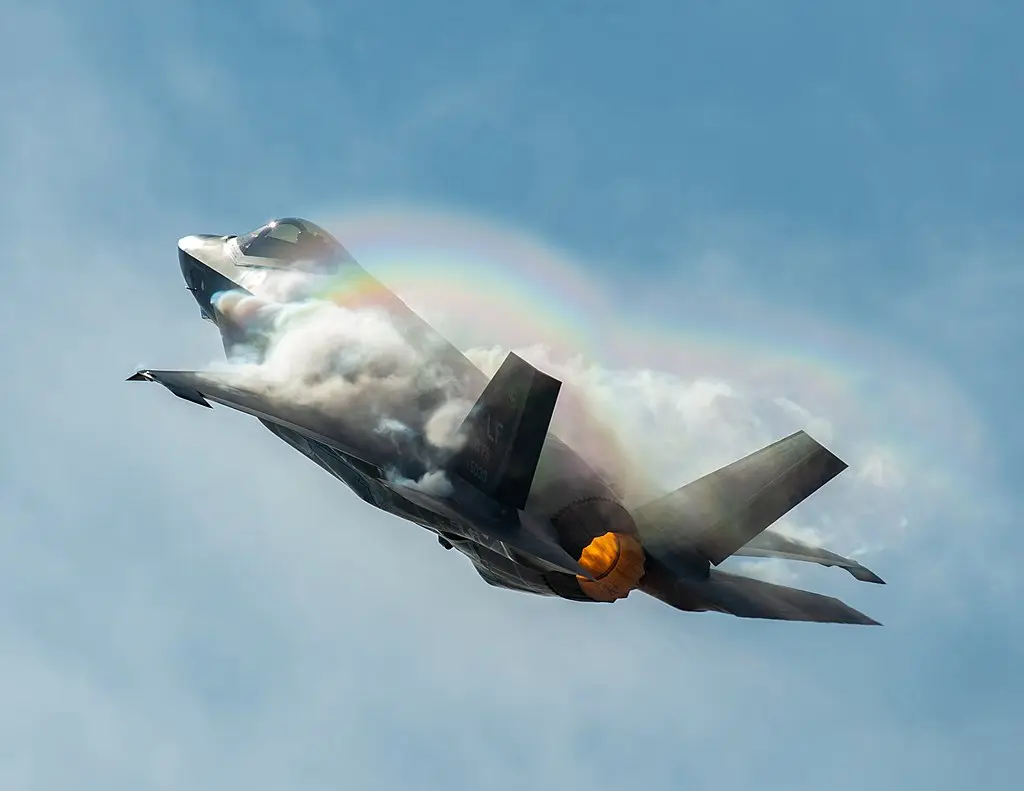
The question of altitude
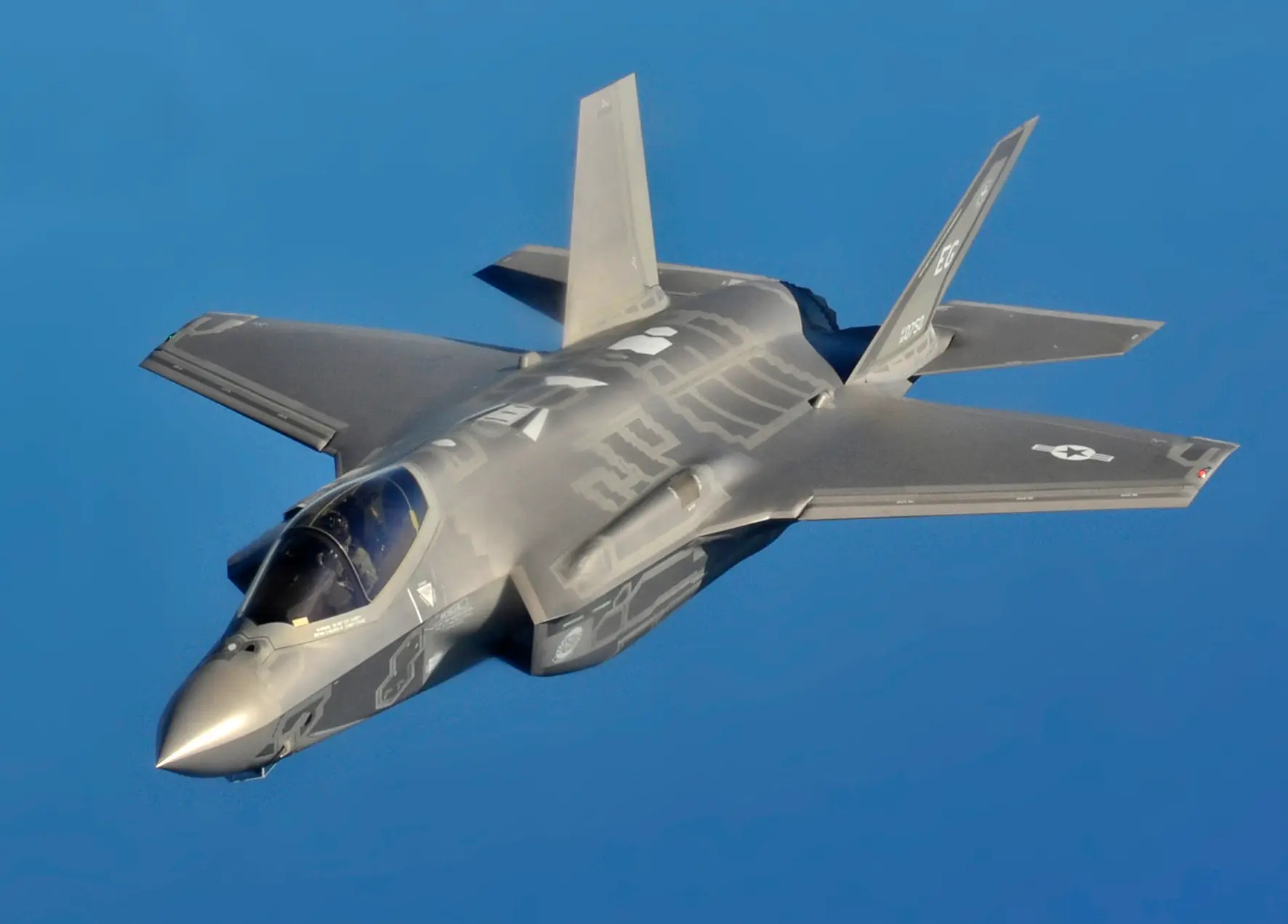
The F-35 Lightning II, developed by Lockheed Martin, remains one of the most advanced multi-role fighter jets in service today. Designed for stealth, agility and combat versatility, it dominates modern airspace. But what if an F-35 pilot attempted to fly beyond the Earth’s atmosphere?
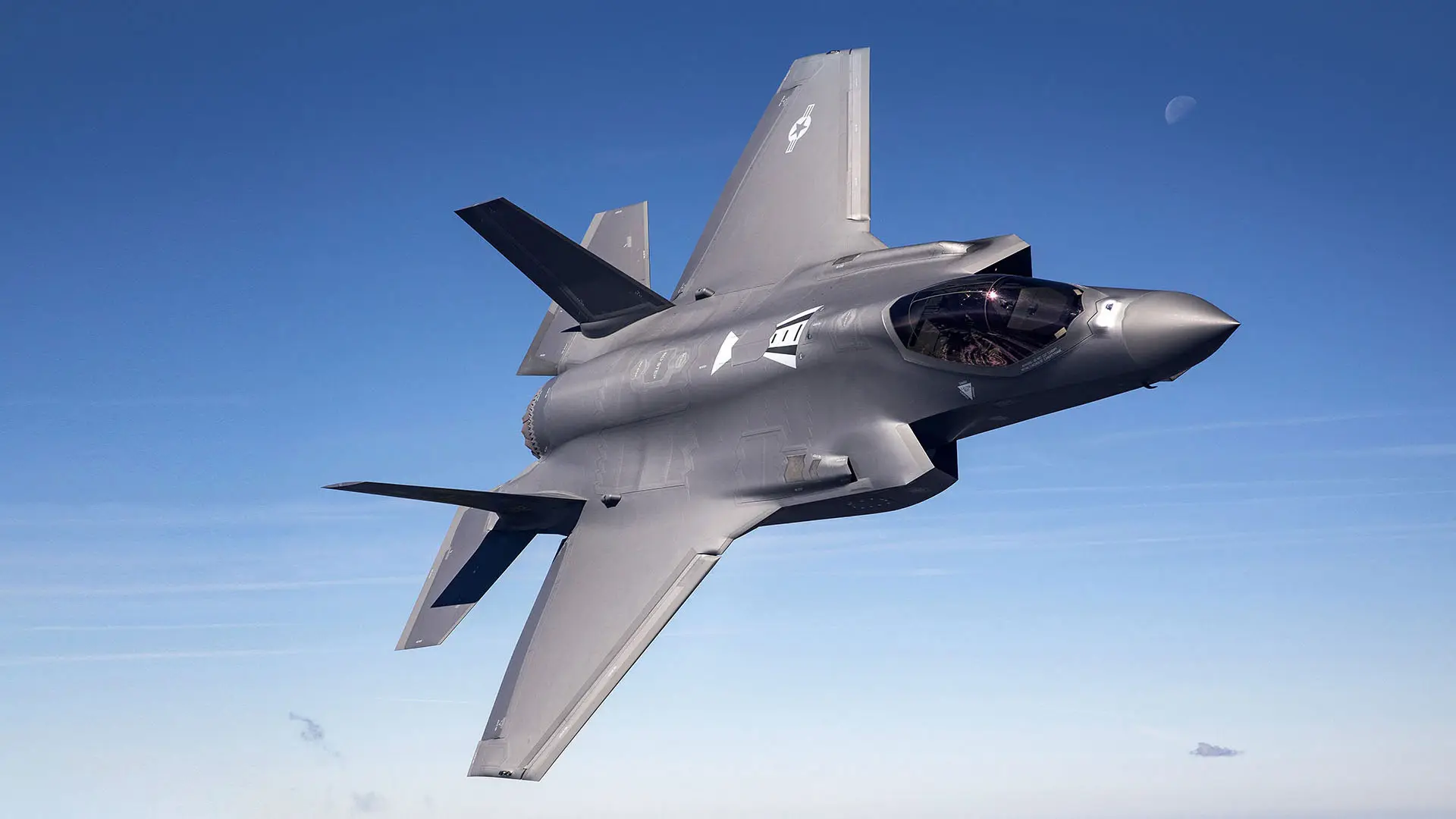
Why the F-35 can’t go higher
It can reach a maximum altitude of around 50,000 feet (15,240 metres). But space officially begins at the Kármán line, roughly 100 kilometres (62 miles) above Earth’s surface. Fighter jets like the F-35 rely on air-breathing engines that need atmospheric oxygen to burn fuel. Beyond the stratosphere, air becomes too thin to sustain combustion. Without sufficient air, the engine would flame out, leaving the jet powerless and unable to climb further.
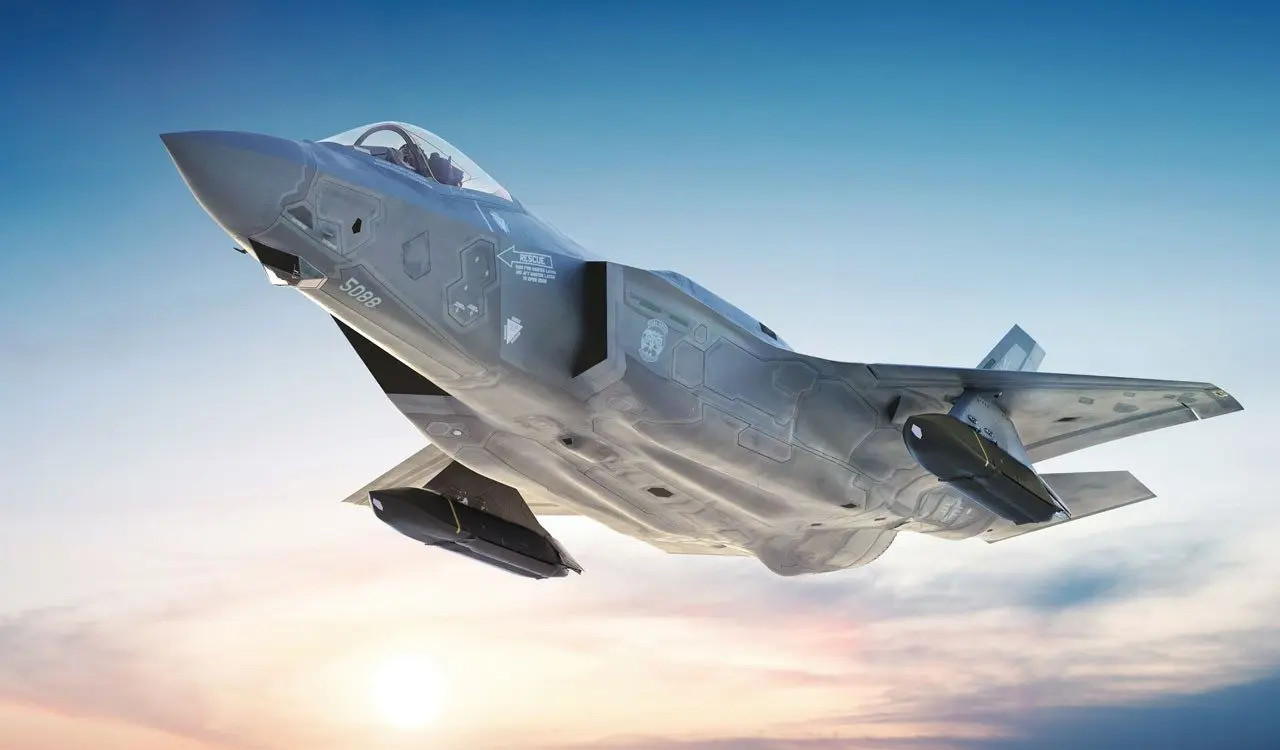
Structural and thermal challenges
Even if an F-35 somehow kept moving upwards, the extreme cold and low pressure at high altitudes would present serious risks. Its airframe, optimised for speeds below Mach 2 and within the atmosphere, isn’t designed to cope with the near-vacuum or sudden heating during potential re-entry.
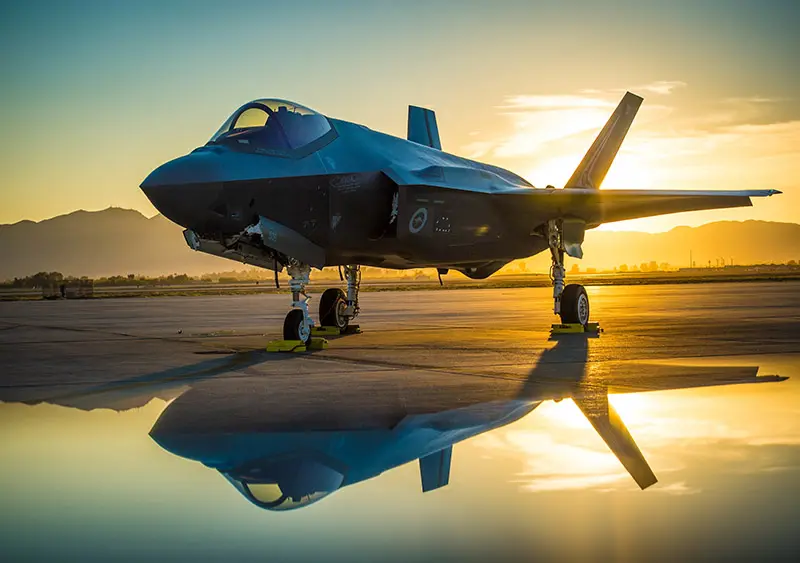
Lack of orbital speed
Reaching space isn’t only about altitude. An object must travel at about 28,000 km/h (17,500 mph) to enter low Earth orbit. The F-35 has a top speed of roughly Mach 1.6 (around 1,960 km/h or 1,220 mph), far below what is needed to overcome Earth’s gravity and remain in orbit.
What would actually happen
If a pilot tried to ‘fly’ an F-35 into space, the aircraft would rapidly lose thrust as the air thinned, eventually stalling and descending back to lower altitudes. The jet was never intended to operate beyond the upper layers of the atmosphere.
Spacecraft vs fighter jets
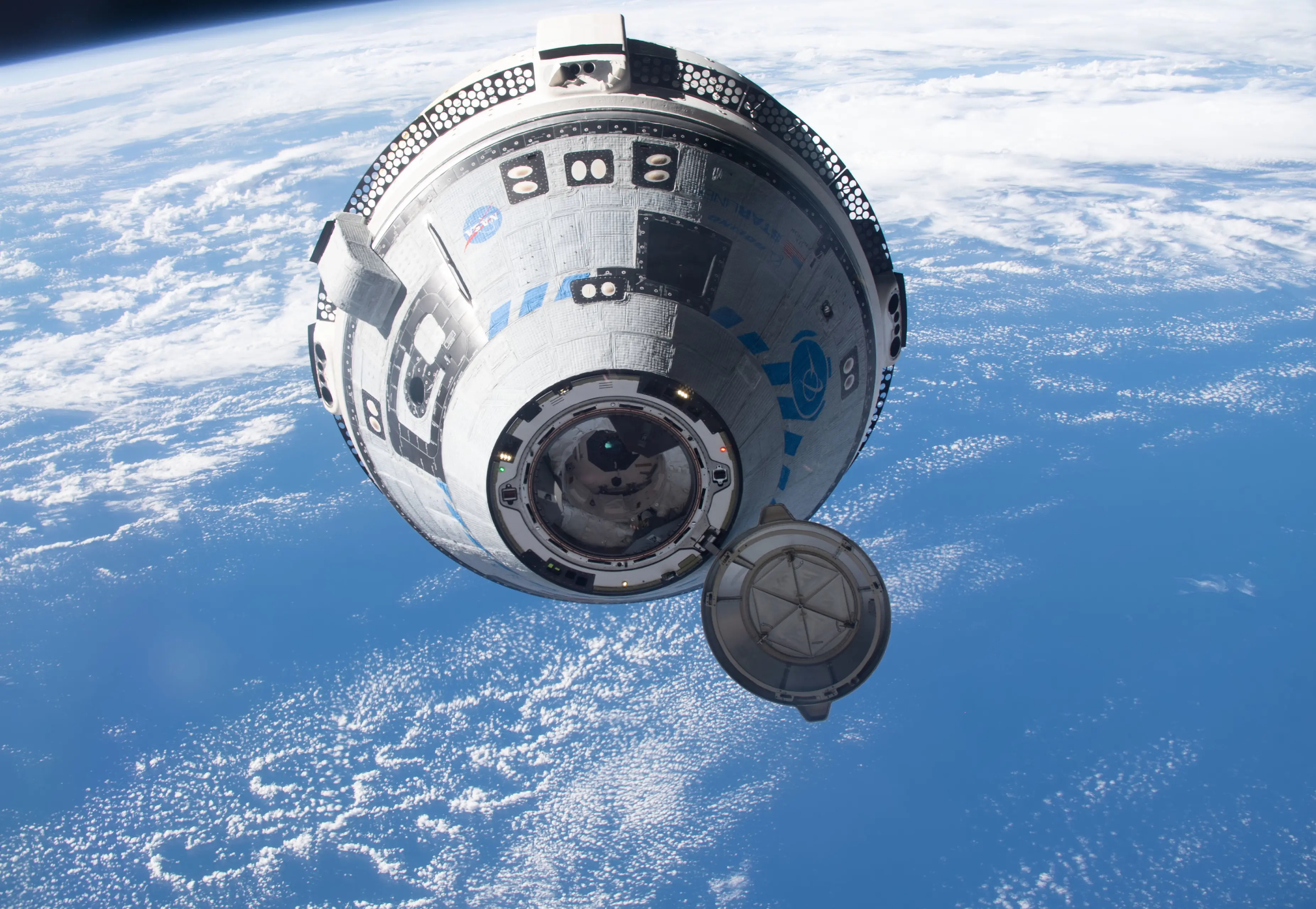
Spacecraft rely on rocket propulsion, designed to operate in a vacuum and achieve escape velocity. In contrast, modern fighters are built for agility, supersonic flight and combat roles within the atmosphere, not for leaving it.
Designed for Earth’s skies
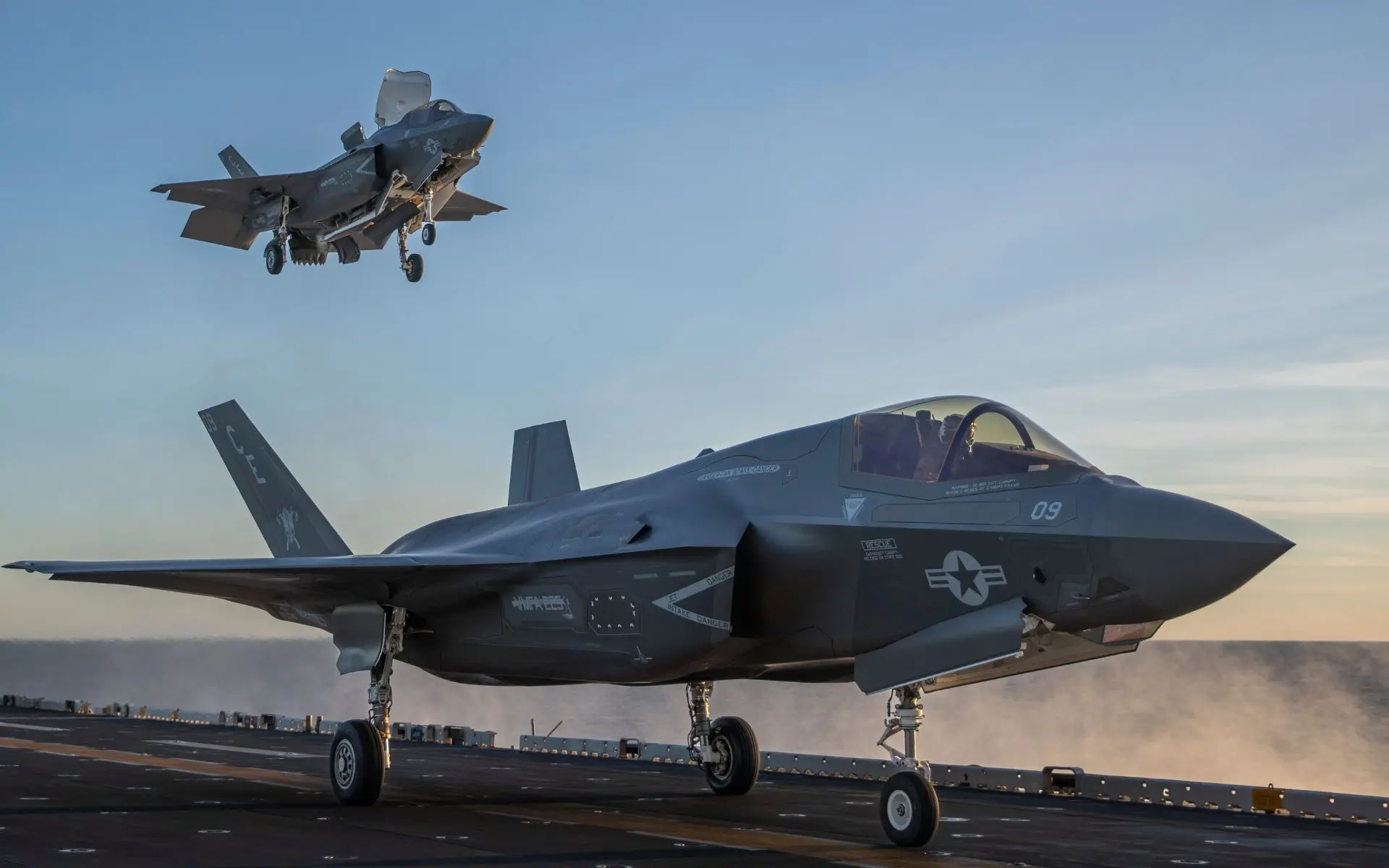
In short, the F-35 excels in its role as a stealth fighter, but it is physically and technically incapable of reaching space. Its design, propulsion and materials reflect its mission: air dominance and multirole capability, strictly within Earth’s atmosphere.
)
)
)
)
)