What will end the Iran war? US demands, Iran red lines and Israel’s stance — breaking down what each side wants

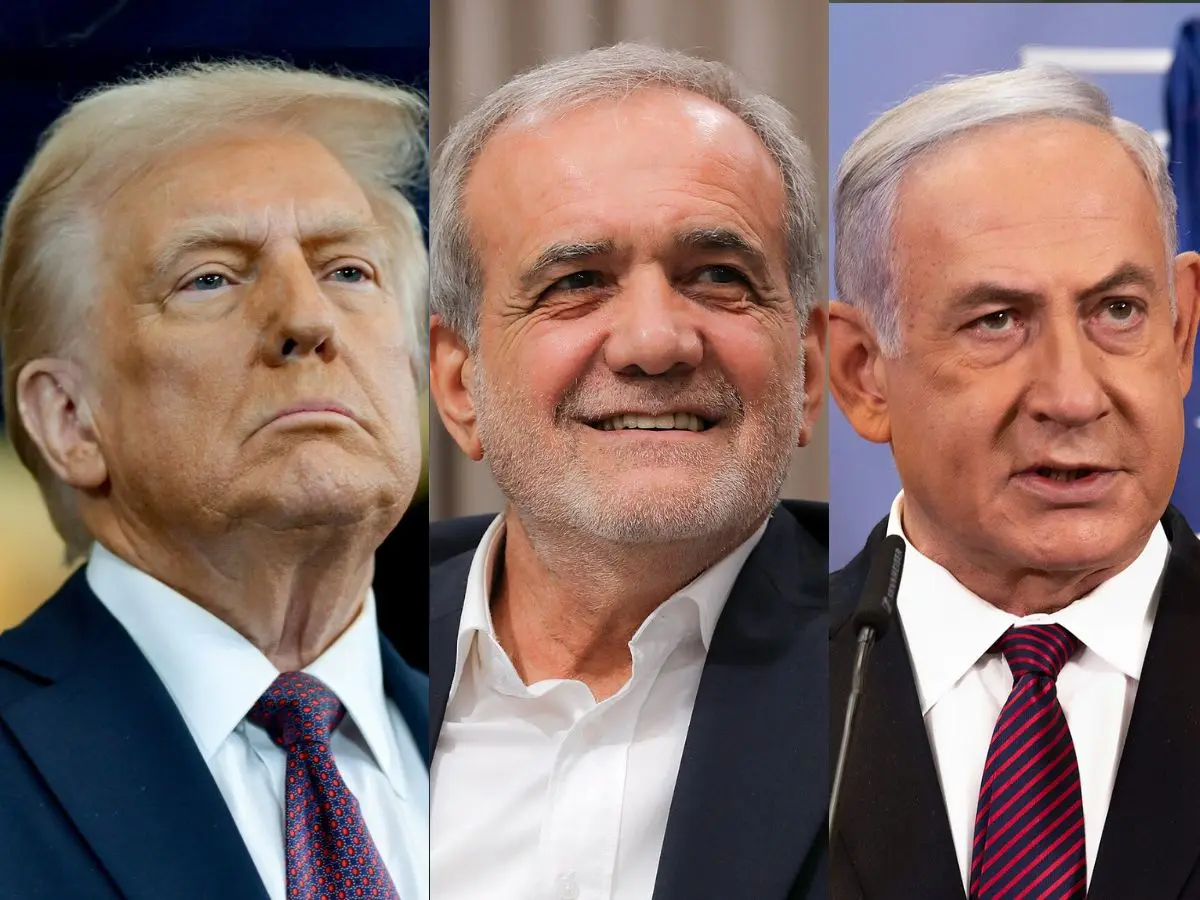
The United States, under President Donald Trump, has proposed a 15-point plan to end the war, delivered through intermediaries
A War Without a Clear Exit
The war involving Iran, launched on February 28 by the United States and Israel, has escalated into a conflict with regional and global consequences. With airstrikes, retaliatory attacks and disruptions to Gulf energy flows, the question of how it ends remains unresolved. All sides have outlined firm positions, leaving little room for compromise.

Washington’s 15-Point Proposal
The United States, under President Donald Trump, has proposed a 15-point plan to end the war, delivered through intermediaries. While details remain completely undisclosed, three Israeli cabinet sources told Reuters the plan includes eliminating Iran’s stockpile of highly enriched uranium, ending its enrichment programme, curbing ballistic missiles and halting support for regional allies such as Hezbollah. The White House warned Iran would be hit “harder than they have ever been hit before” if it rejects the proposal.

Military Pressure and Build-Up
Alongside diplomacy, Washington is increasing military pressure. According to Reuters, the US is expected to deploy thousands more troops to the Middle East. Officials say the strategy is to force compliance while maintaining operational readiness, signalling that negotiations are backed by the threat of further escalation. Trump highlighted the scale of recent operations, stating, “We probably destroyed 90 per cent of their missiles, launchers… We wiped out their navy, air force completely, large part of their missiles."
Tehran’s Core Demands
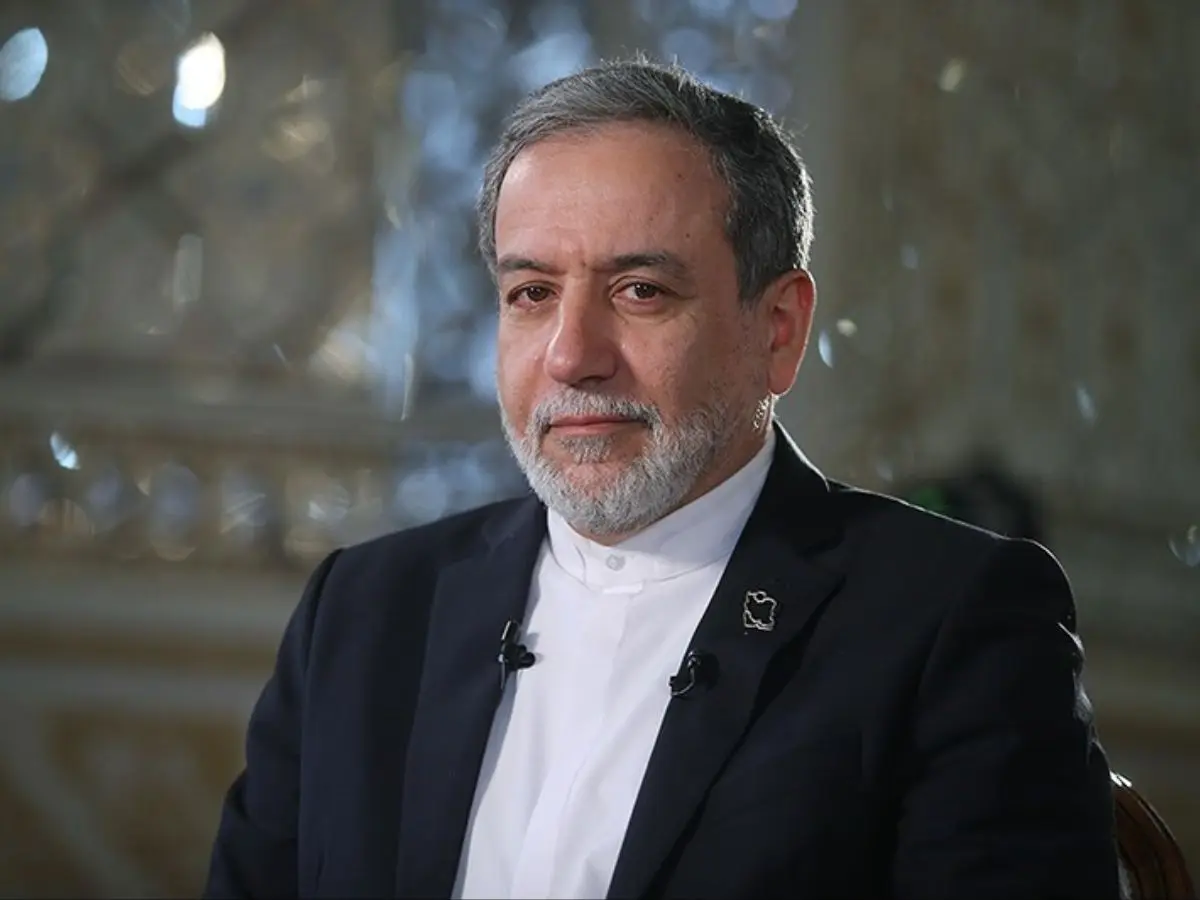
Iran has rejected claims of formal negotiations but confirmed indirect exchanges. Foreign Minister Abbas Araqchi said Tehran is not negotiating directly, though messages continue through intermediaries. A senior Iranian official told Reuters the response to the US proposal was “not positive”, but remains under review. An informed source told Tasnim News Agency that Iran has formally sent its response to the US 15-point proposal through intermediaries and is awaiting a reply. The source said Tehran has demanded an end to what it called “aggression”, guarantees to prevent future conflict, and payment of war damages. Iran also insisted that any settlement must clearly define terms and ensure the war ends across all fronts, including groups involved across the region.
Red Lines and Conditions
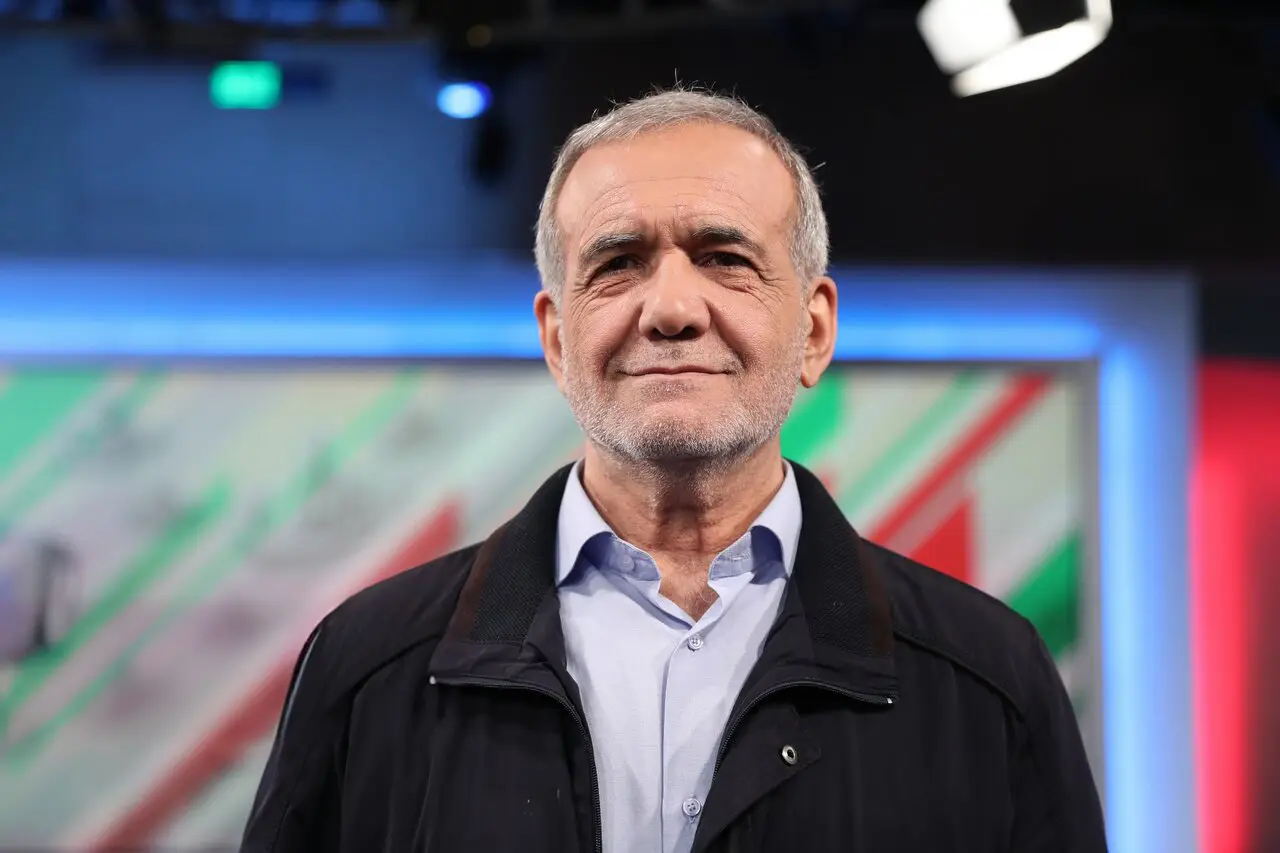
An Iranian official cited by state broadcaster Press TV said Tehran insists on sovereignty over the Strait of Hormuz as its "natural, legal right." Iran has also told intermediaries that any ceasefire must address Israel’s war in Lebanon, six regional sources familiar with Tehran’s stance told Reuters, effectively tying any peace deal to broader regional dynamics and the security of its allies.
Threat of Wider Escalation
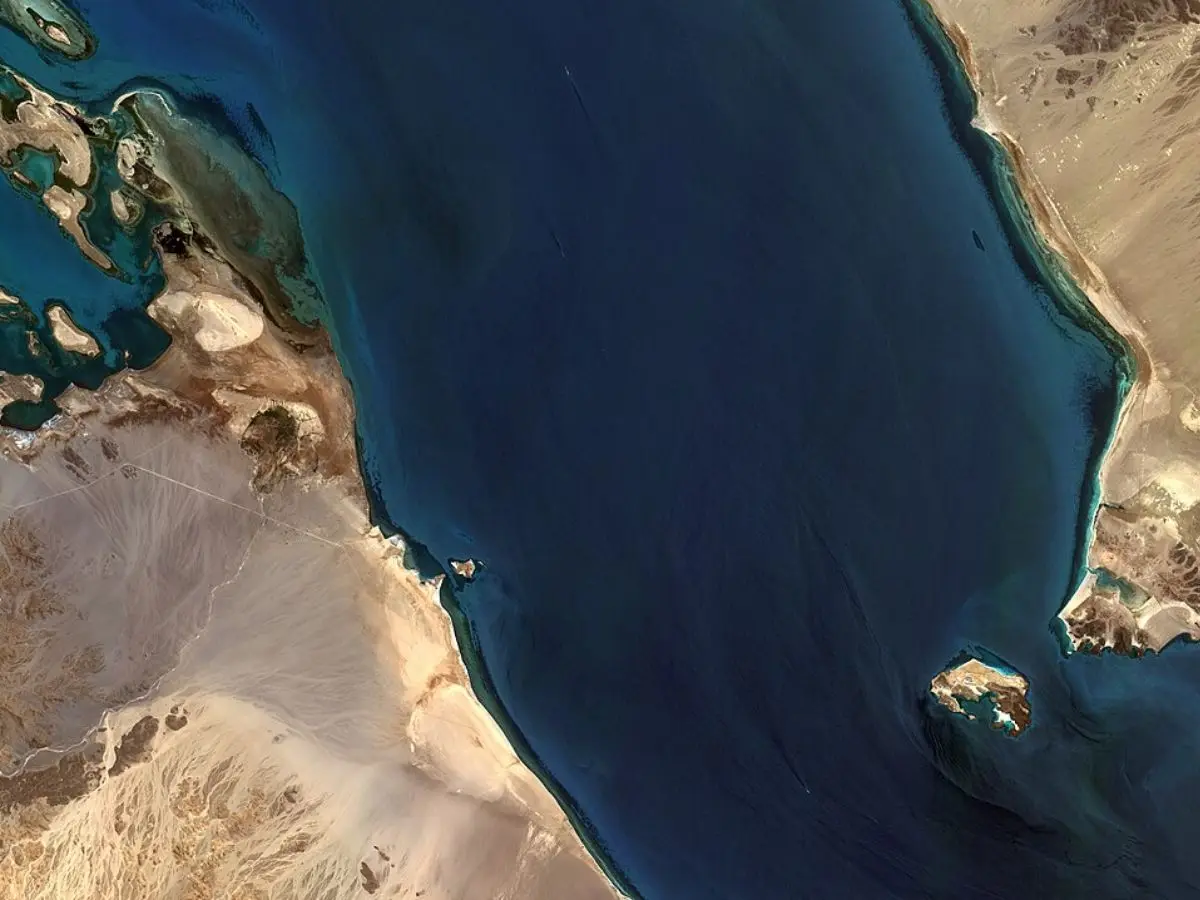
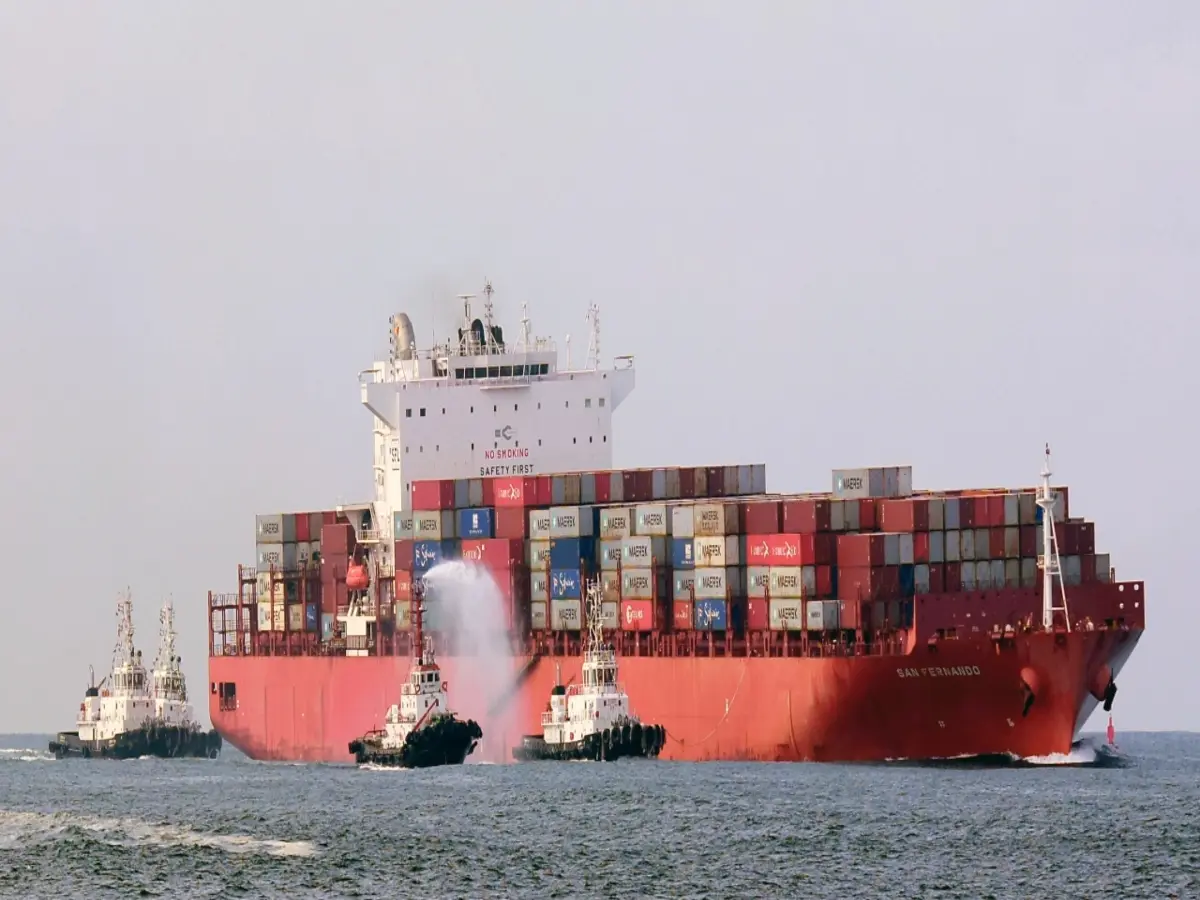
Iran has warned it could escalate further if conditions are not met. Officials have indicated the potential to disrupt alternative oil routes, including the Bab al-Mandab Strait, and to target infrastructure if its territory is threatened. These signals underline Tehran’s leverage over key maritime chokepoints.
Israel’s Hardline Position
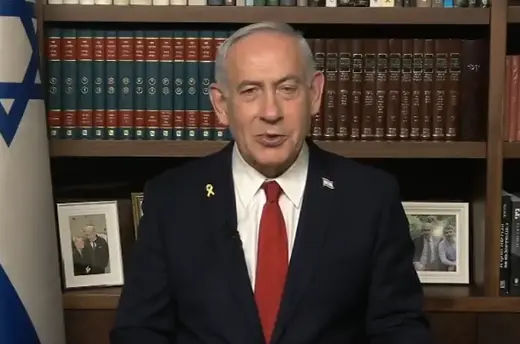
Israel remains sceptical of any agreement. A senior defence official said there were concerns Iran would not accept US terms, while also warning against concessions. The military has stated it will continue operations to degrade Iran’s capabilities, noting there are “many more targets left.” Israel also wants to retain the option of pre-emptive strikes, reflecting its insistence on long-term security control.
A Deadlock in the Making
With maximalist demands on all sides, the path to ending the war remains unclear. The United States seeks dismantlement, Iran demands recognition and reparations, and Israel insists on continued military freedom. For now, diplomacy and escalation are advancing in parallel, with no immediate resolution in sight.
)
)
)
)
)