What’s happening in Ladakh? Understanding the latest unrest over statehood

For many Ladakhis, the fight is not just about political representation but also about protecting their fragile ecosystem, cultural identity, and way of life.
1. Trigger: Hunger Strike & Health Collapse
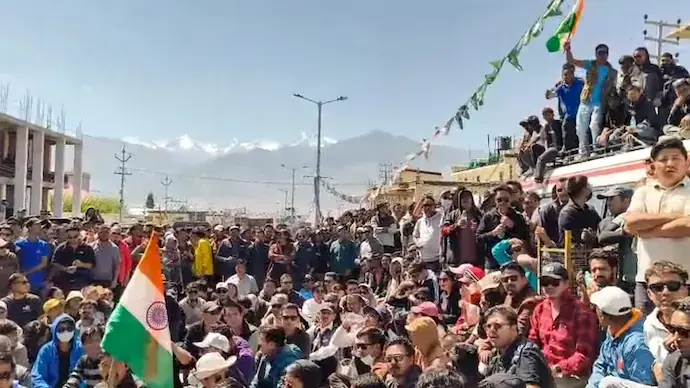
The immediate spark for the unrest came when two participants of a 35-day hunger strike, which was demanding special protections for Ladakh, collapsed due to deteriorating health and had to be hospitalised. This development triggered widespread outrage and acted as a rallying point, especially for the youth, who began mobilising in large numbers to demand stronger constitutional safeguards for the region.
2. Demands: Statehood, Sixth Schedule & Local Protections
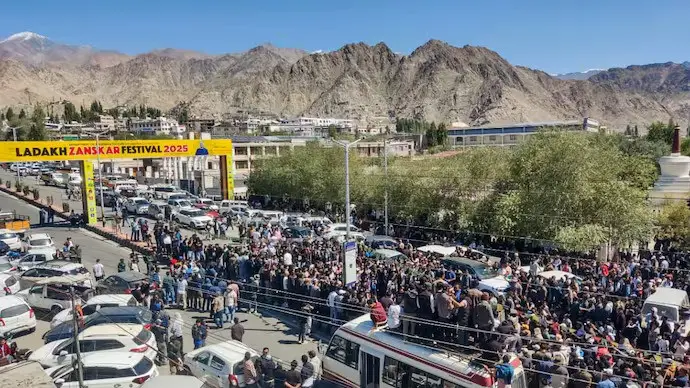
The protesters have placed multiple demands on the table. Their foremost call is for statehood for Ladakh, which would grant the region full legislative powers instead of remaining under direct central control. They also want Ladakh included under the Sixth Schedule of the Constitution, which gives autonomy and protections to tribal regions. Additionally, demands include job quotas, protection of land and resources for locals, and separate Lok Sabha seats for Leh and Kargil districts to ensure fair political representation.
3. Historical & Political Background
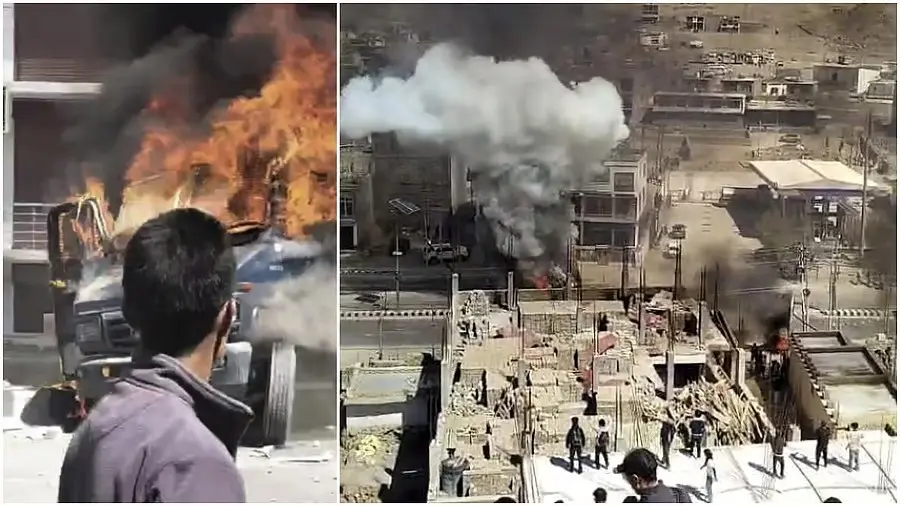
The roots of the unrest can be traced back to 2019, when Ladakh was carved out of the former state of Jammu & Kashmir and turned into a Union Territory without a legislative assembly. While the Leh and Kargil Hill Councils provide some governance, their powers are limited. Many residents argue that key decisions on land, environment, and development are taken by New Delhi with minimal local consultation, leaving the community feeling sidelined.
4. The Outbreak of Violence
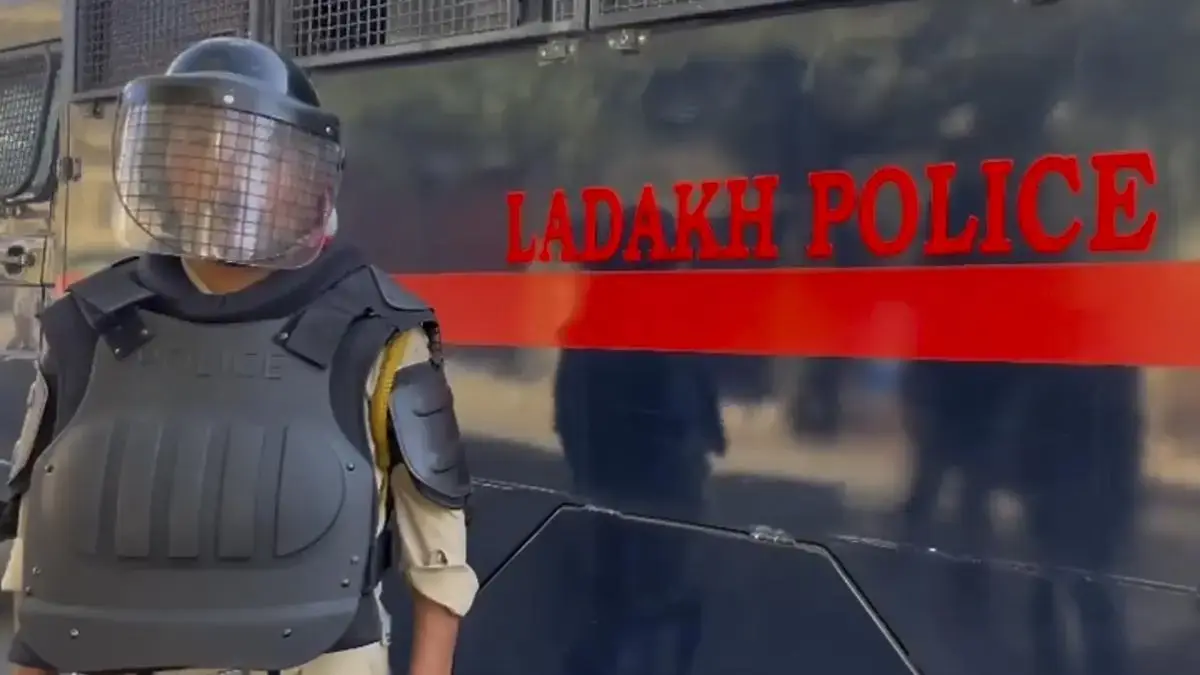
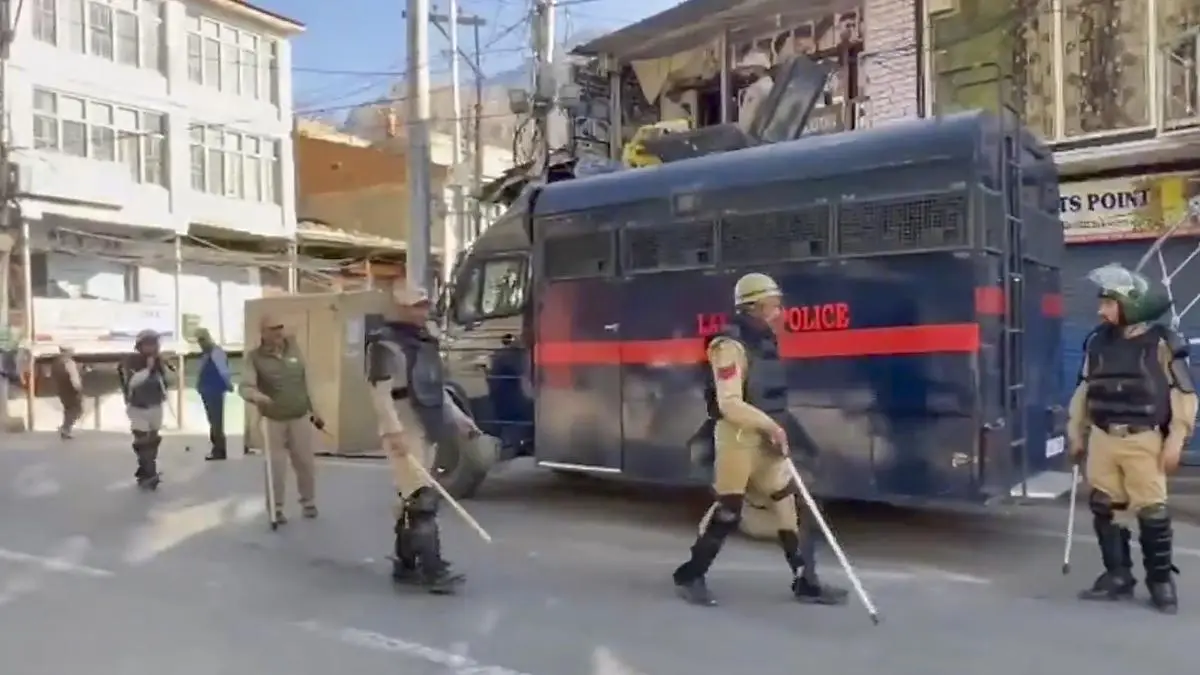
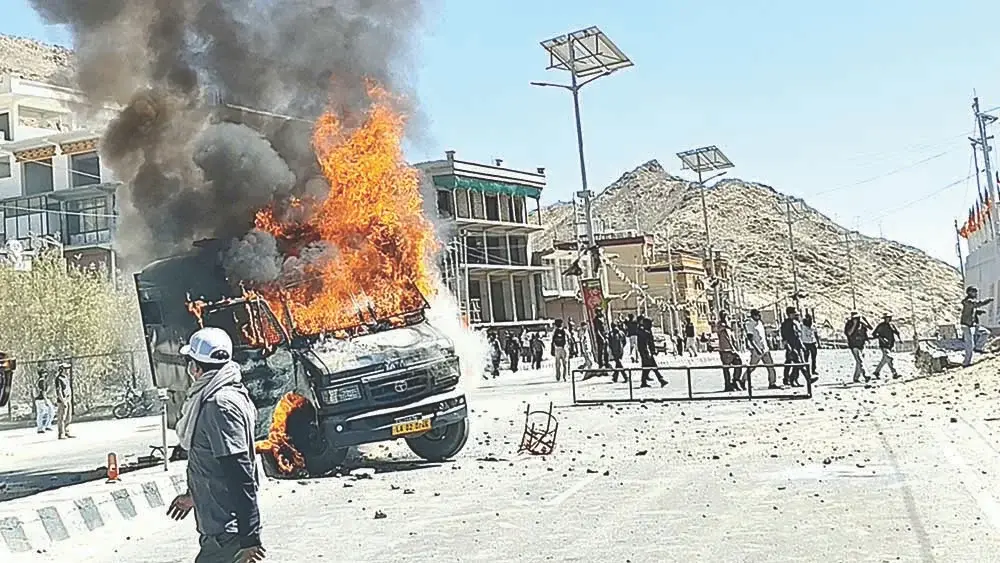
What began as a peaceful agitation soon turned violent. Clashes broke out between protesters and security forces, with incidents of stone-pelting, arson targeting a ruling party office, and the burning of a police vehicle. The police responded with batons, tear gas, and even live firing, claiming they acted in self-defence. Tragically, four civilians were killed, and dozens, including police personnel were left injured in the violence.
5. Government Response & Curfew
In response to the violence, authorities imposed curfews, restricted public gatherings, and tightened law enforcement across the region. The government also accused certain provocative speeches, particularly those by educationist-turned-activist Sonam Wangchuk, of inciting unrest. Investigations have been launched, including a CBI probe into alleged FCRA violations linked to organisations associated with Wangchuk.
6. Stakes: Ecology, Identity & Governance
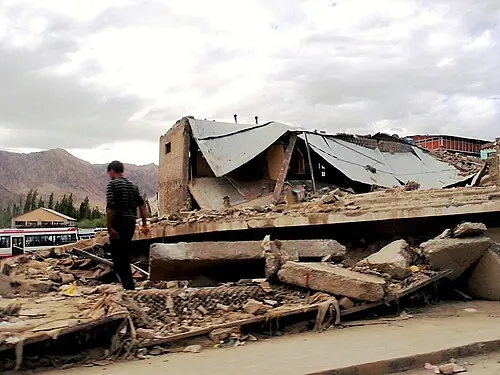
For many Ladakhis, the fight is not just about political representation but also about protecting their fragile ecosystem, cultural identity, and way of life. Protesters fear that without constitutional safeguards, the region could be exposed to unregulated development, mining projects, and migration that threaten both the environment and indigenous communities. These concerns amplify the urgency of their demands.
7. What’s Next: Dialogue vs Escalation
The central government has scheduled fresh talks with local leaders on October 6, aiming to defuse tensions and find a political solution. Meanwhile, protest leaders, including Sonam Wangchuk, have urged demonstrators to maintain peace and avoid further escalation despite the anger on the ground. Still, the situation remains volatile, with many residents viewing this as a decisive moment that will determine whether New Delhi grants Ladakh greater autonomy or keeps it under direct control.
)
)
)
)
)