What role will SpaceX play after the ISS retires?

The ISS will retire around 2030, with SpaceX leading its safe deorbit mission. NASA and private firms plan new space stations and missions, while SpaceX’s Starship aims for Moon and Mars exploration, marking a new era in space travel and commercial space stations.
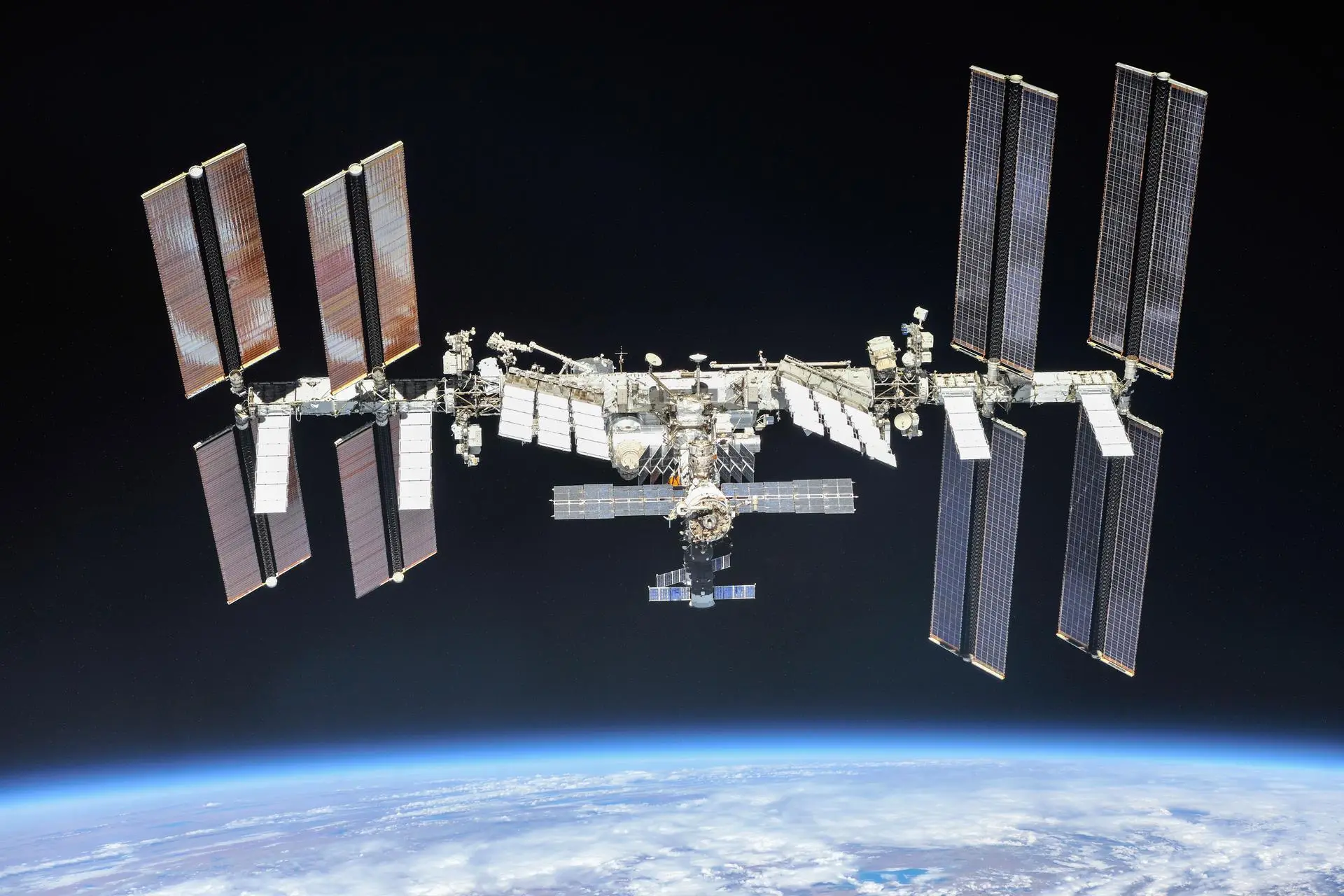
International Space Station
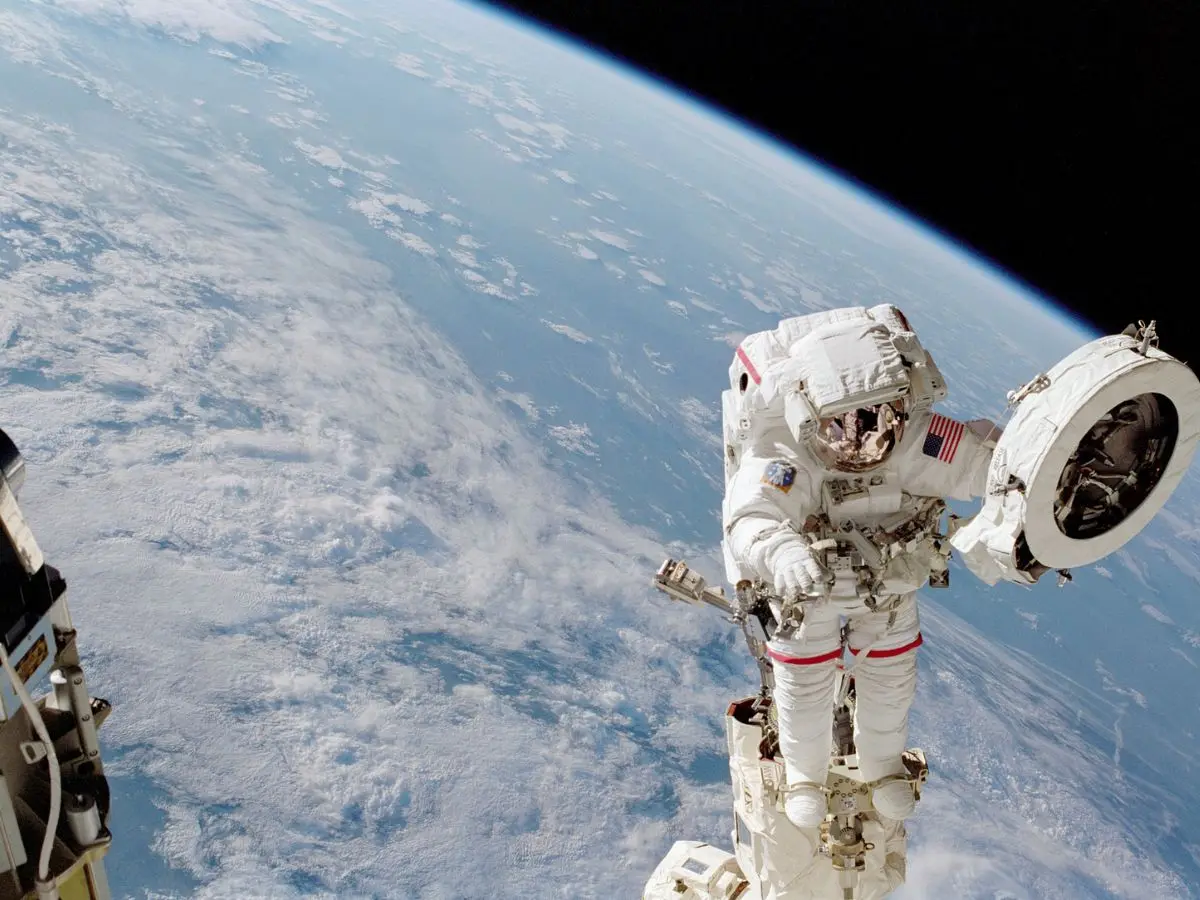
The International Space Station is set to retire around 2030. NASA has already picked SpaceX to design a special “deorbit vehicle” that will help safely guide the ISS down to Earth, avoiding any risk to people or property.
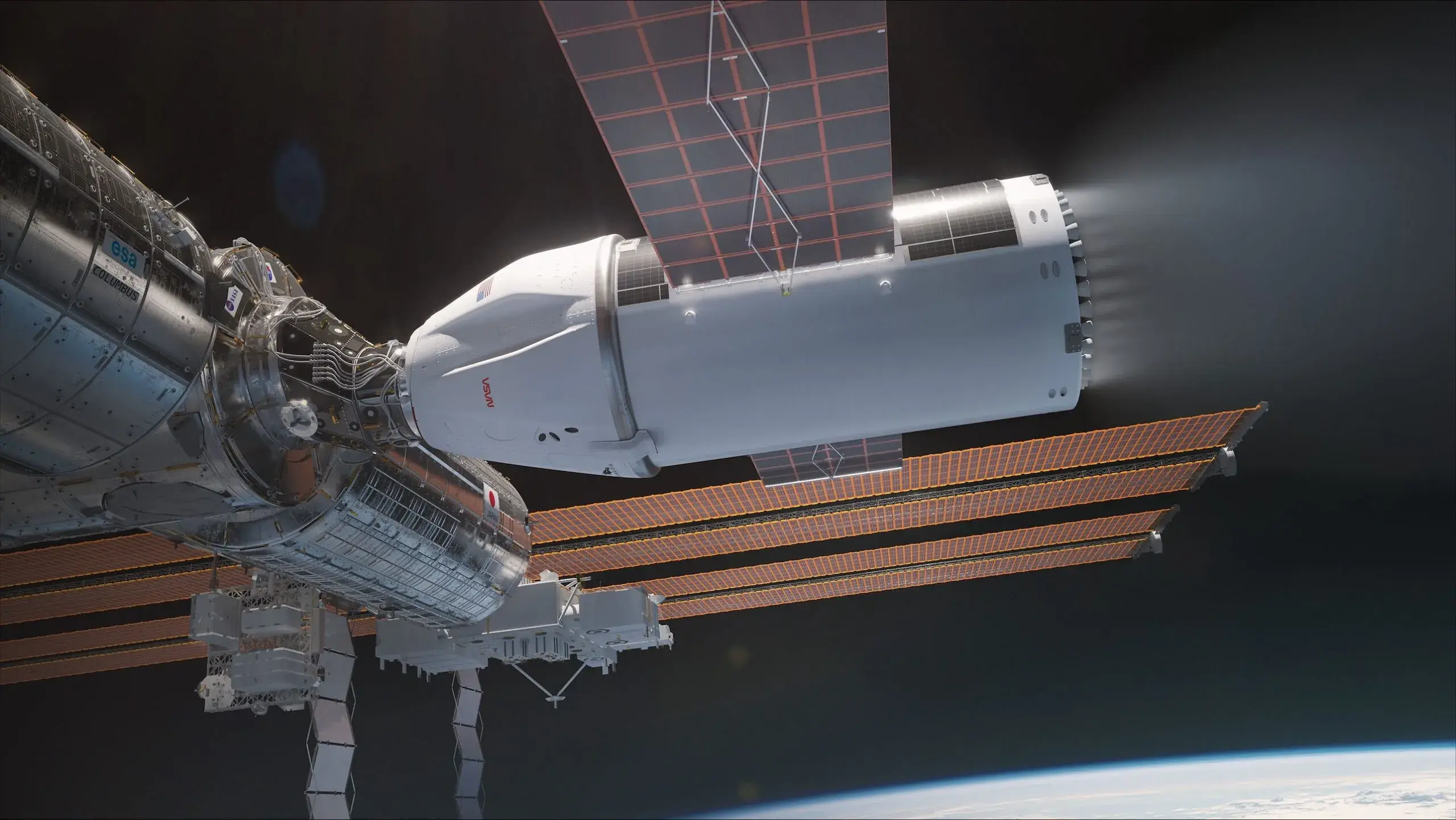
The deorbit mission
The job is huge: the ISS weighs over 430 tonnes and orbits every 90 minutes. The SpaceX “tugboat,” funded by an $843 million NASA contract, will nudge the station into Earth’s atmosphere for a planned break-up above the Pacific Ocean’s Point Nemo.
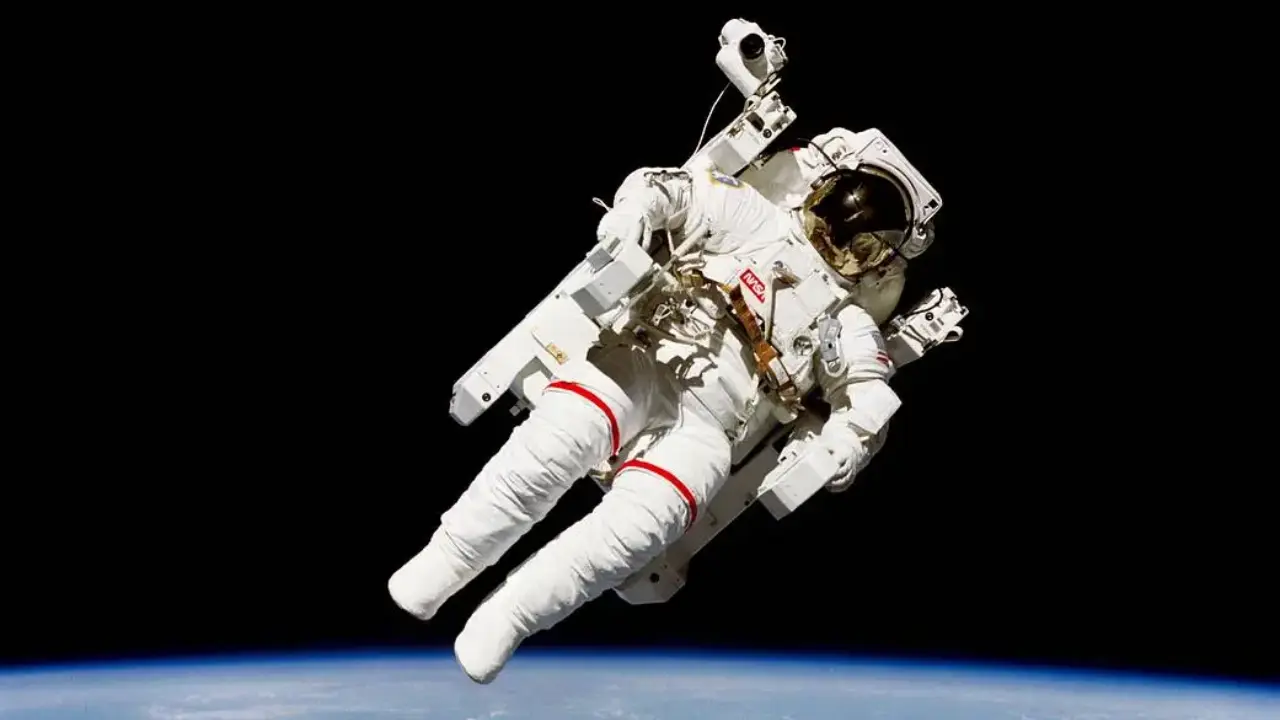
What comes next for astronauts?
After the ISS retires, low-Earth orbit won’t go quiet. NASA, SpaceX, and private partners want to keep people working and living in space. SpaceX’s Crew Dragon capsule will likely keep sending astronauts to new space stations built by companies or government groups.
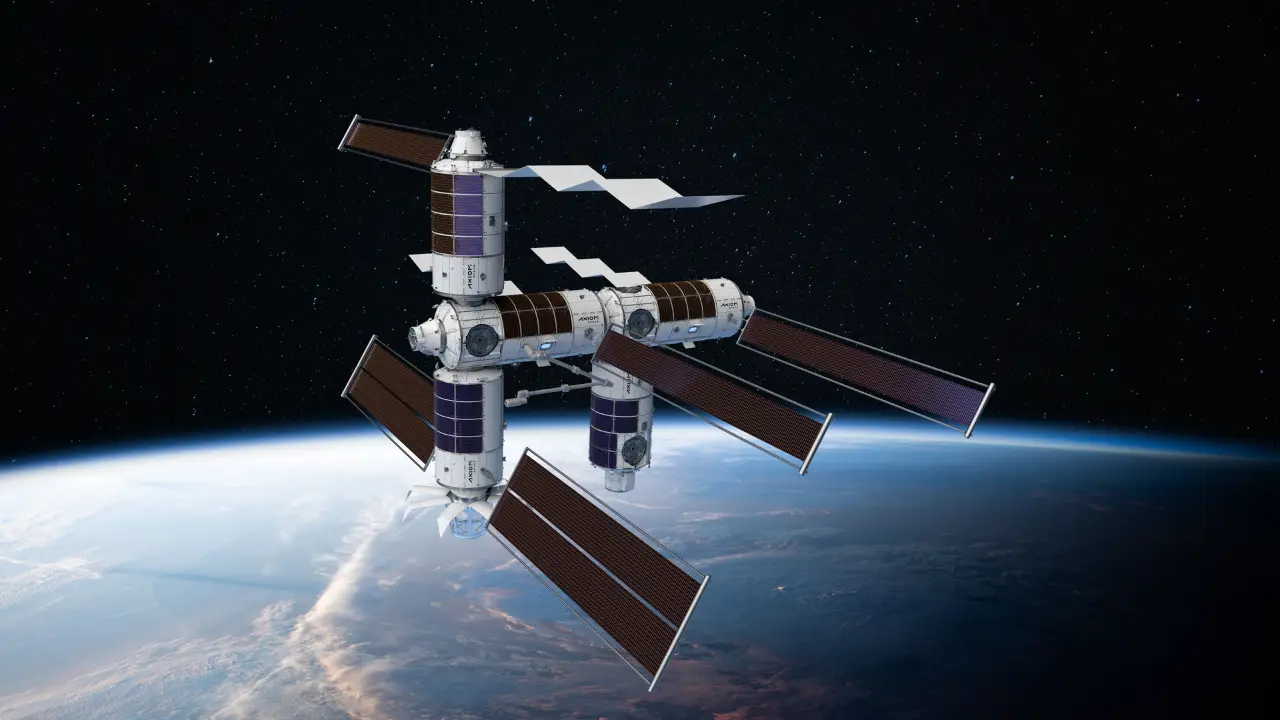
SpaceX and private space stations
SpaceX is lined up to launch modules for new private stations like Axiom and Starlab. Axiom’s first module will launch on a SpaceX Falcon Heavy, attach to the ISS, then later separate as its own commercial station before 2030.
Commercial stations
Many firms are racing to put up new “mini-ISS” stations for research, industry and even tourism. Several will use SpaceX rockets for launch and Crew Dragon for transport, keeping SpaceX central to the new era in orbit.
More than just launches
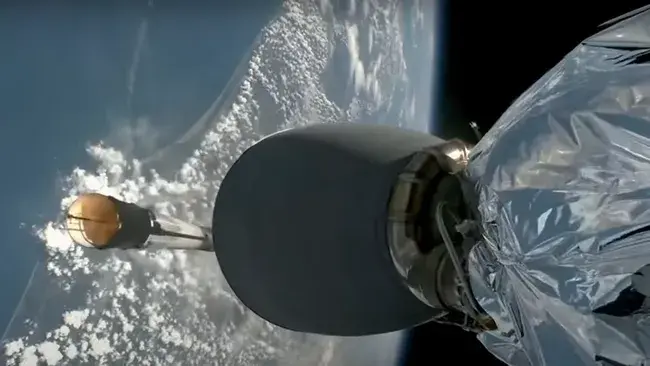
SpaceX’s role will cover more than launches. As an ISS cargo and crew supplier since 2012, SpaceX is expected to provide vital ferry, cargo and possibly servicing and emergency rescue duties for future commercial outposts.
The Mars mission focus
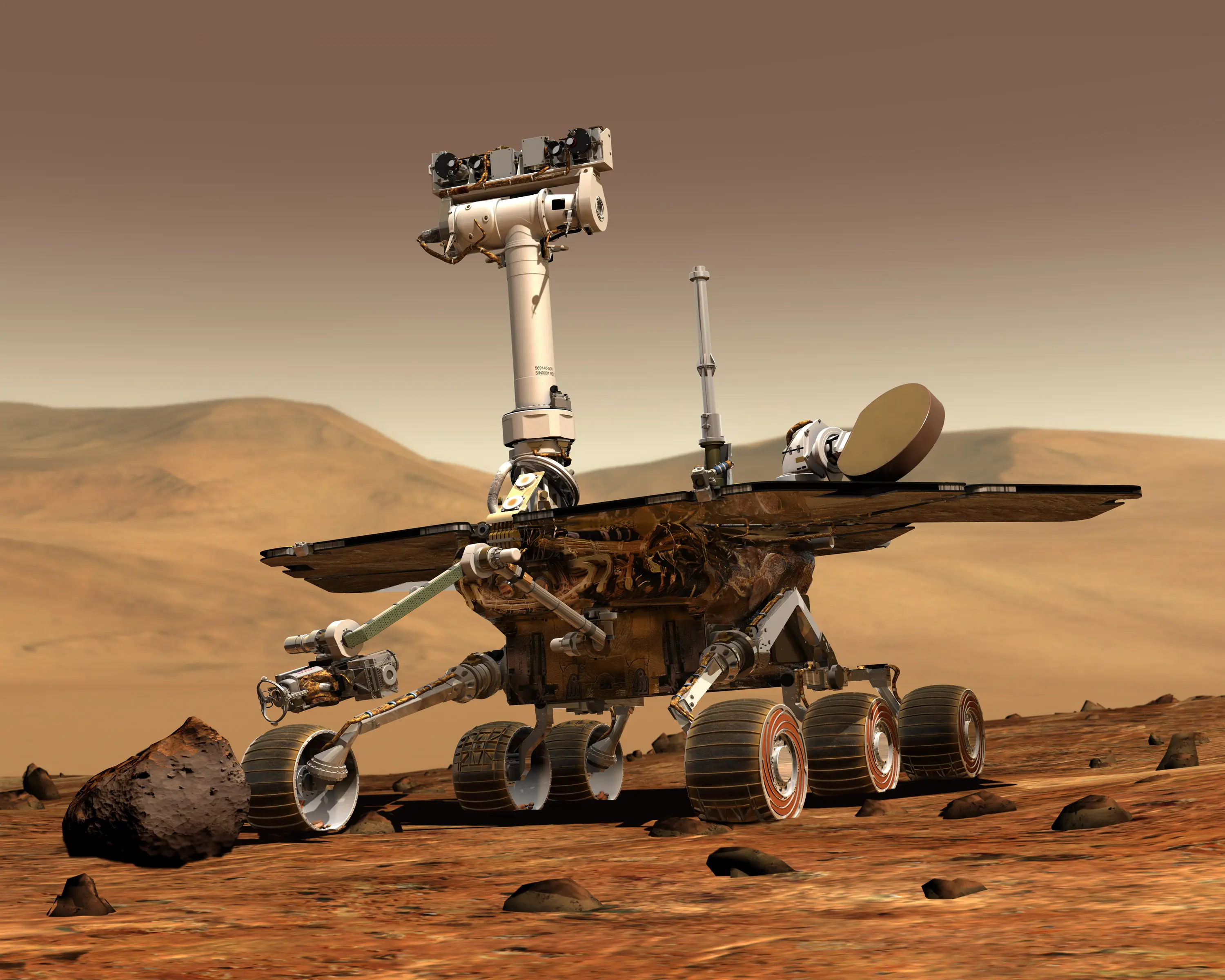
Elon Musk has openly said retiring the ISS frees money for bigger ambitions. Mars colonisation. SpaceX’s advanced Starship rocket, now in final testing, is designed for deep space launches and could soon connect Earth orbit to the Moon and Mars.
)
)
)
)
)