What makes the F-35 one of the most deadly fighter jets for deep-strike missions

The F-35 dominates deep-strike missions through a combination of VLO stealth, advanced sensor fusion, and powerful electronic warfare. With a 1,200nm range on internal fuel and the ability to share data securely via MADL, it acts as an invisible battlefield quarterback, penetrating defences.
The Invisible Intruder Stealth That Defies Radar
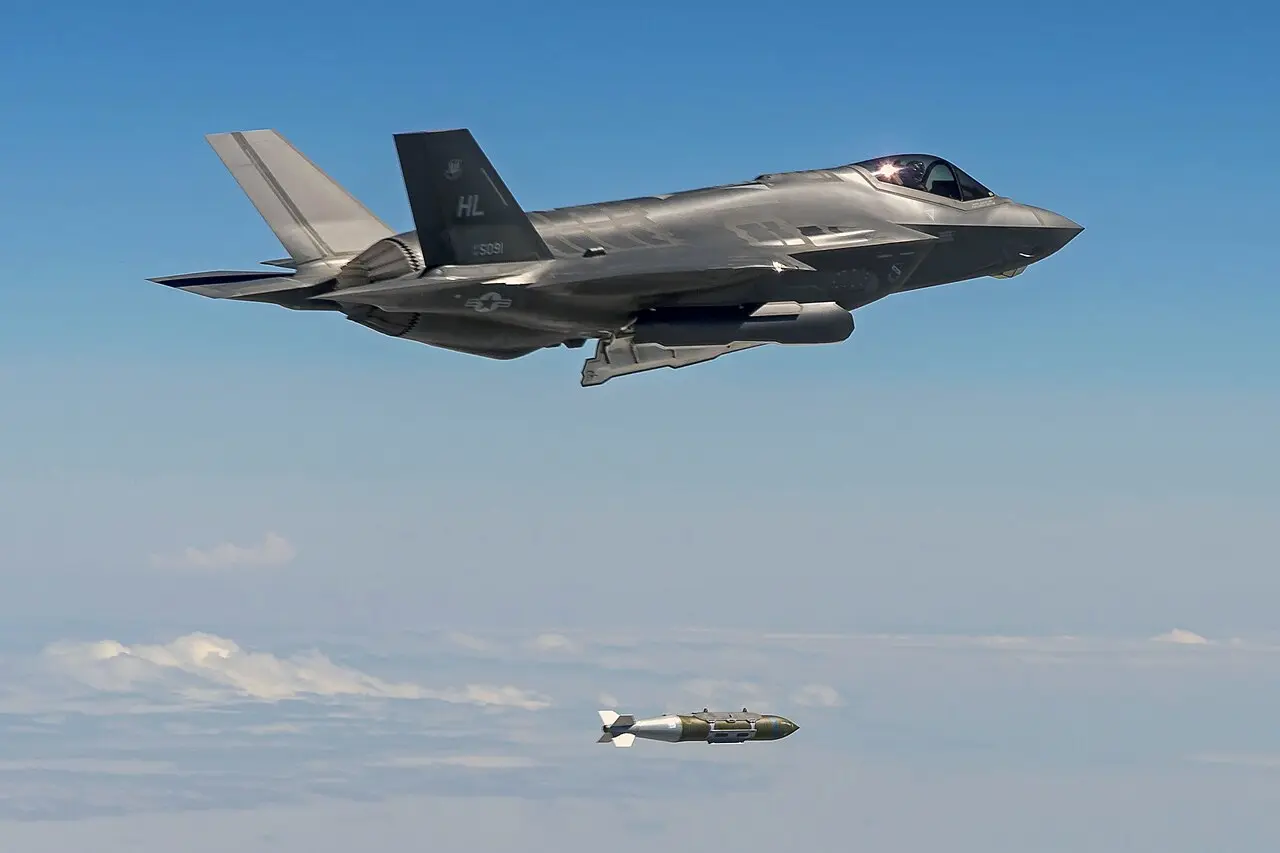
The F-35’s Very Low Observable (VLO) stealth is its primary deep-strike asset. By aligning edges and hiding engines, its radar cross-section is reduced to the size of a golf ball, allowing it to slip past advanced air defences undetected, as per media reports
A Flying Supercomputer Sensor Fusion Dominance
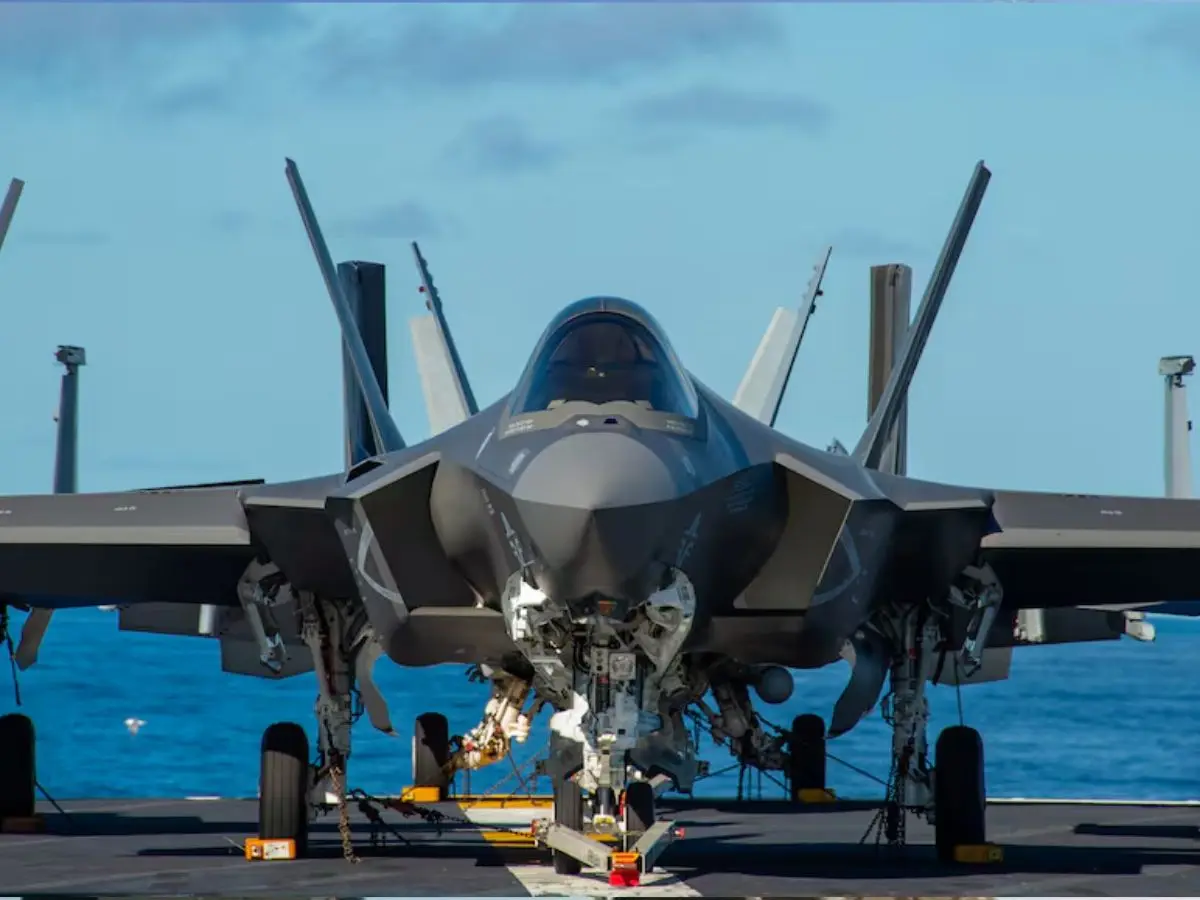
Unlike older jets, the F-35 fuses data from all its sensors into a single, clear picture for the pilot. This ‘sensor fusion’ allows the jet to detect, track, and engage targets long before enemies are even aware of its presence.
Electronic Warfare Suite Jamming Enemy Defences
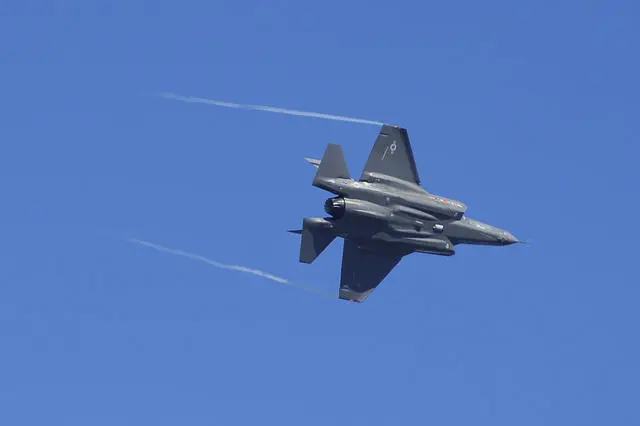
Equipped with the AN/ASQ-239 system, the F-35 can jam enemy radars and disrupt missile guidance. This built-in electronic warfare capability means it can blind adversaries without relying on separate support aircraft.
Deep Reach on Internal Fuel 1,200 Nautical Mile Range
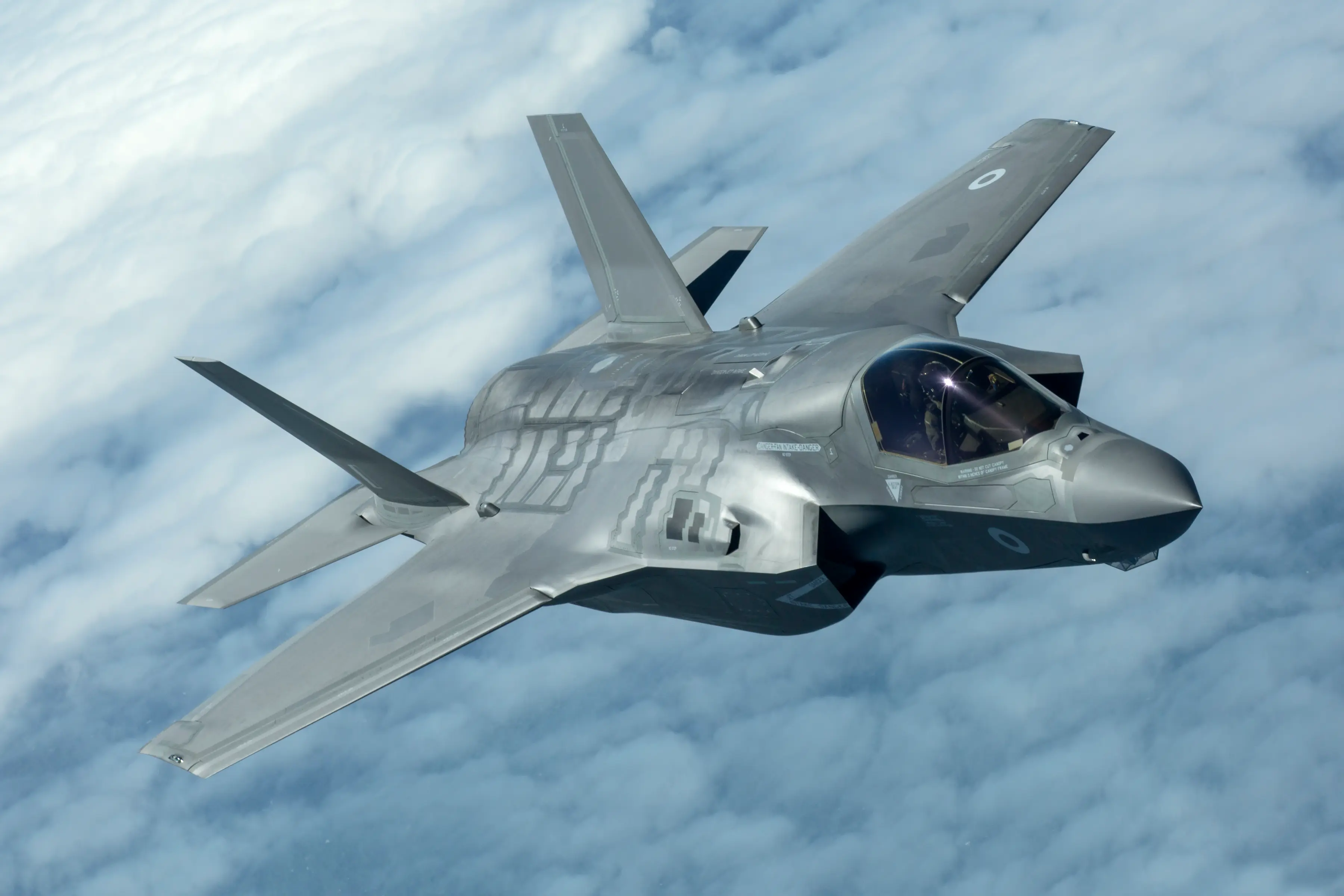
For deep strikes, range is critical. The F-35A can fly over 1,200 nautical miles on internal fuel alone, eliminating the need for external tanks that would compromise its stealth profile during sensitive missions. Source: Simple Flying / Lockheed Martin
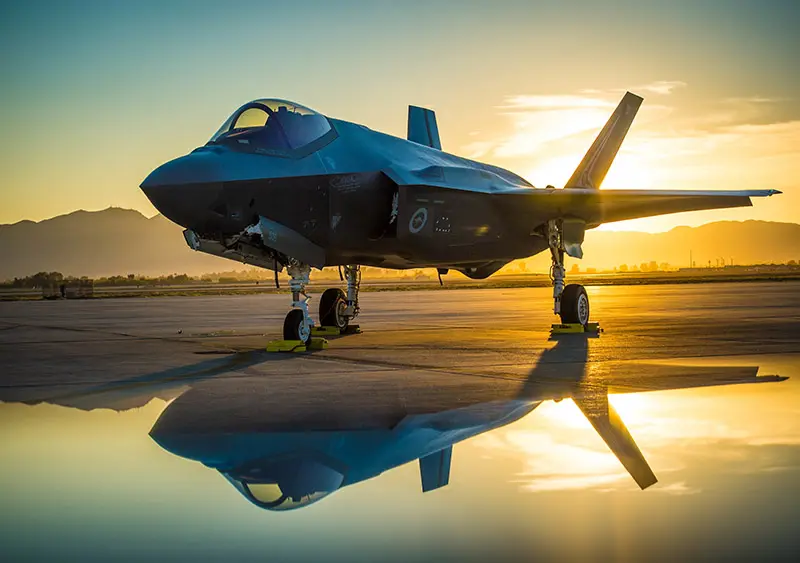
The Most Powerful Engine 43,000 lbs of Thrust
Powered by the Pratt & Whitney F135 engine, the F-35 generates 43,000 lbs of thrust. This immense power supports high speeds and heavy internal payloads, ensuring the jet can strike hard and exit the danger zone partially efficiently.
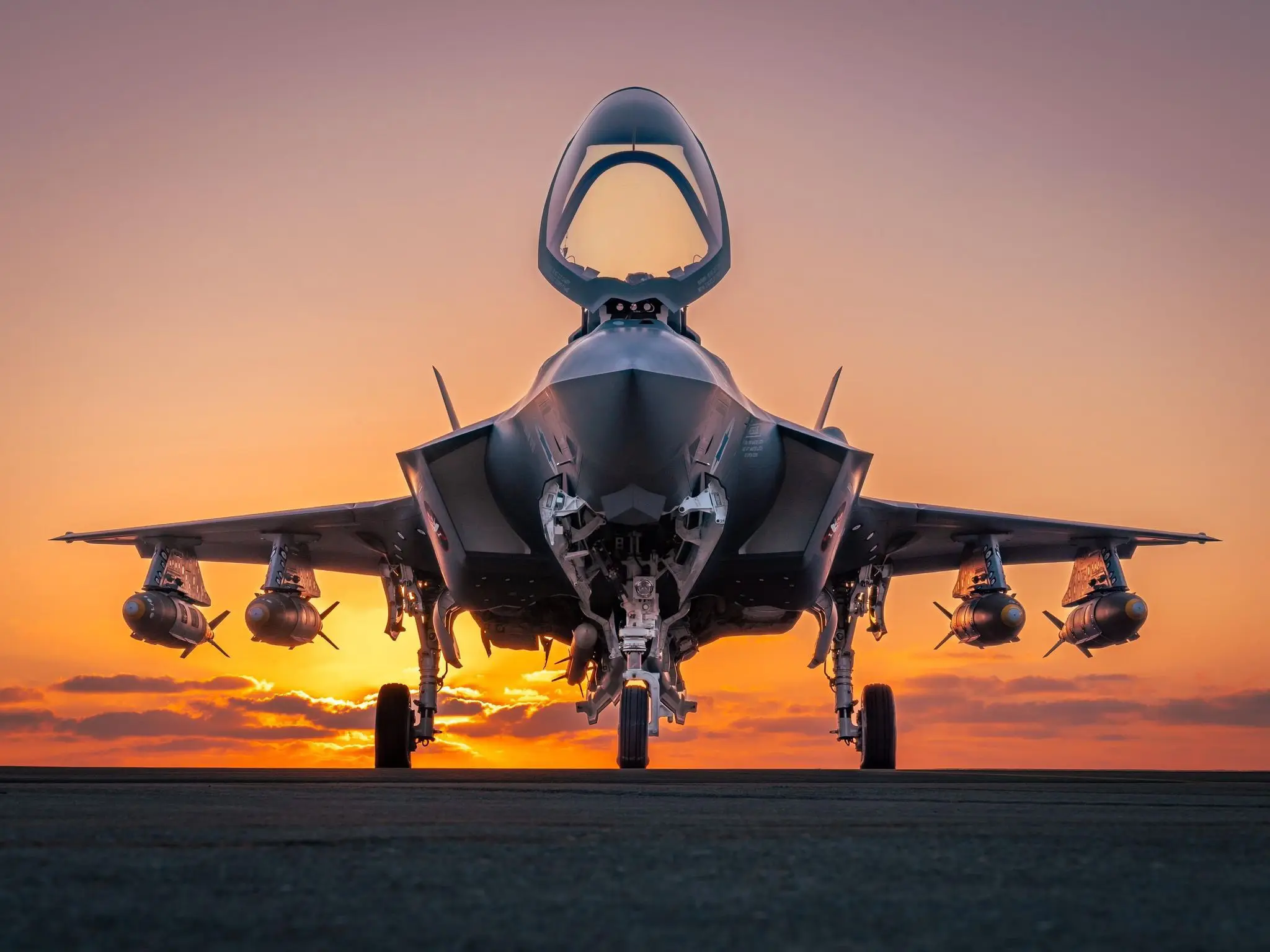
Hidden Lethality Internal Weapons Bays
To maintain invisibility, the F-35 carries its payload internally. It can house 5,700 lbs of ordnance, including JDAMs and AMRAAMs, ensuring it remains a deadly threat while keeping its sleek, radar-evading shape.
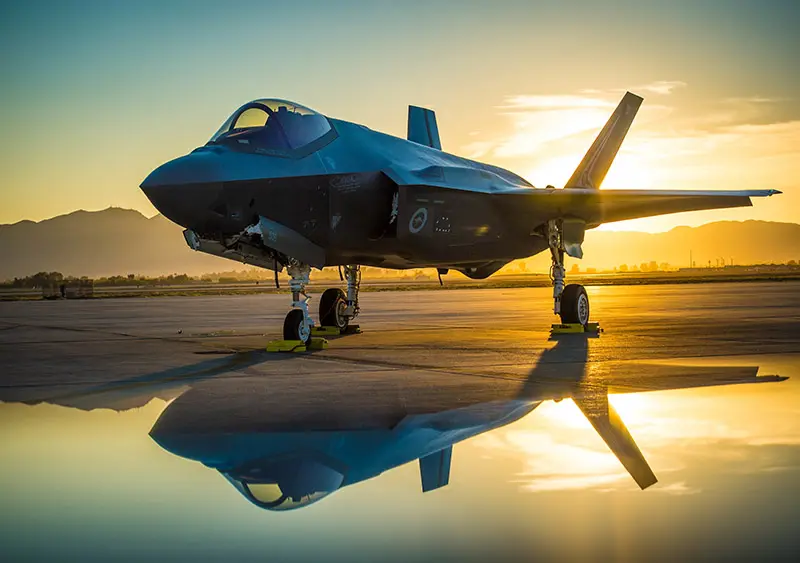
The Battlefield Quarterback Secure Data Sharing
Using the Multifunction Advanced Data Link (MADL), F-35s share target data securely with other stealth jets. This allows a 'wolfpack' to coordinate strikes silently, sharing information without alerting enemy sensors.
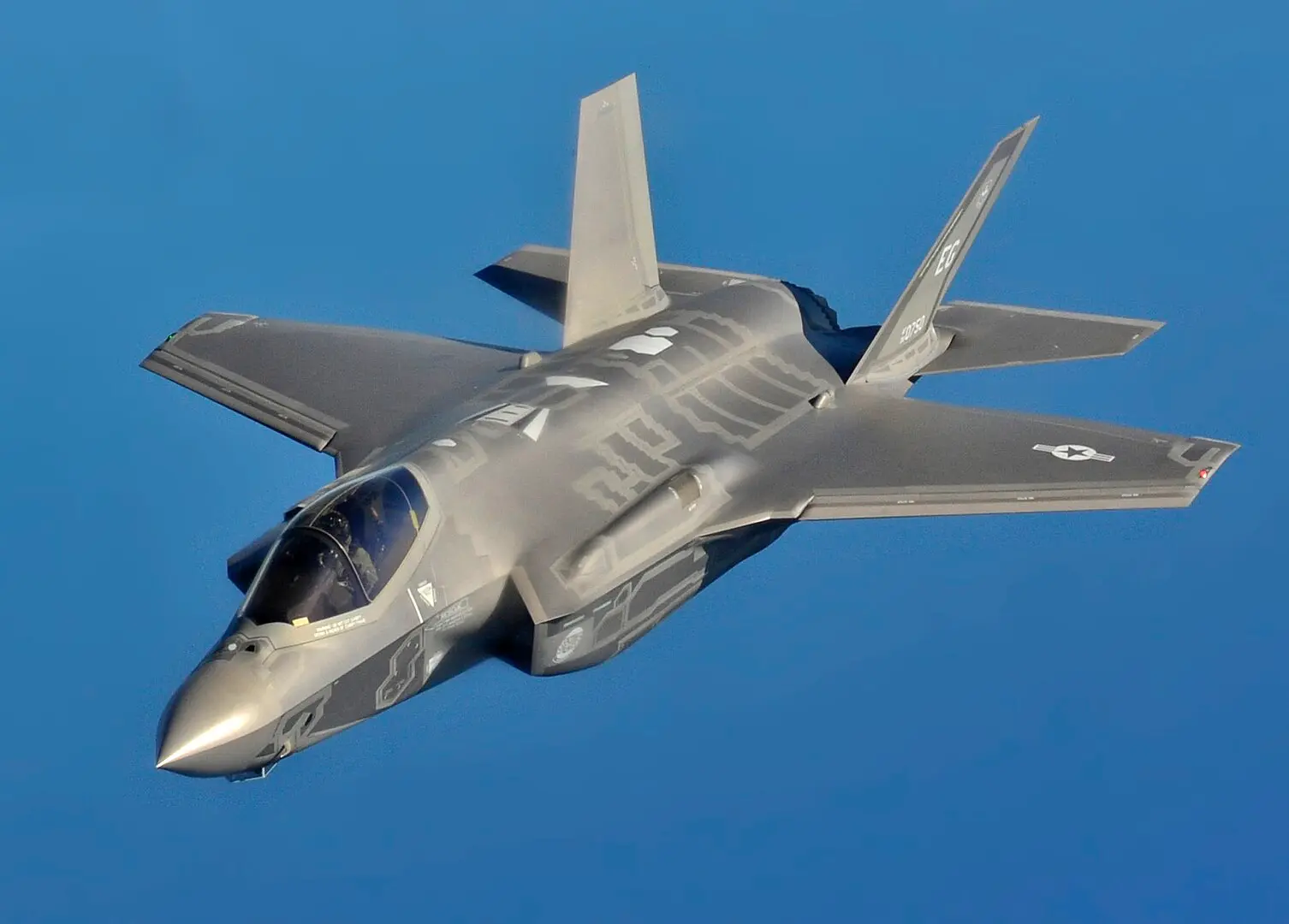
Real-World Proof Operation Midnight Hammer
The F-35 proved its deep-strike worth in operations like 'Midnight Hammer'. Reports confirm F-35As penetrated hostile airspace to suppress defences, paving the way for bombers to strike deeply buried targets without a single shot fired at them.
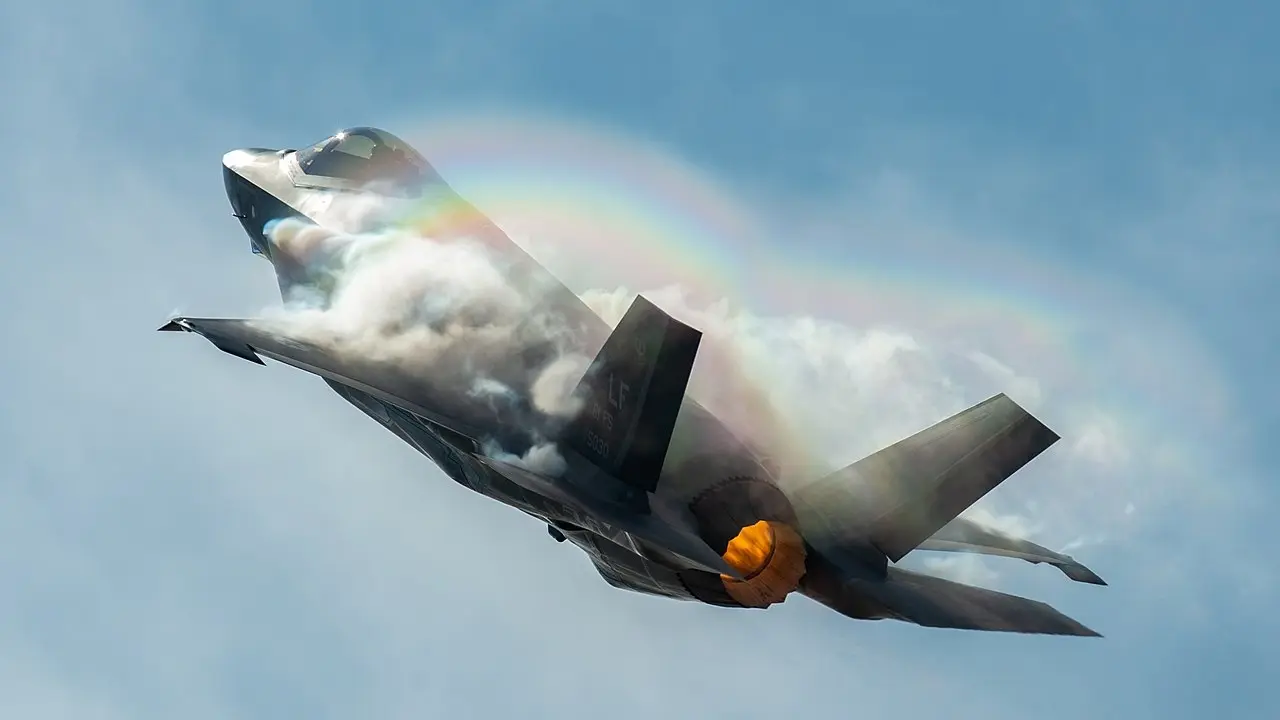
Seeing Through the Airframe 360-Degree
Awareness The Distributed Aperture System (DAS) streams real-time imagery directly to the pilot's helmet. This allows pilots to essentially 'look through' the floor of the jet to spot ground targets or incoming missiles from any angle.
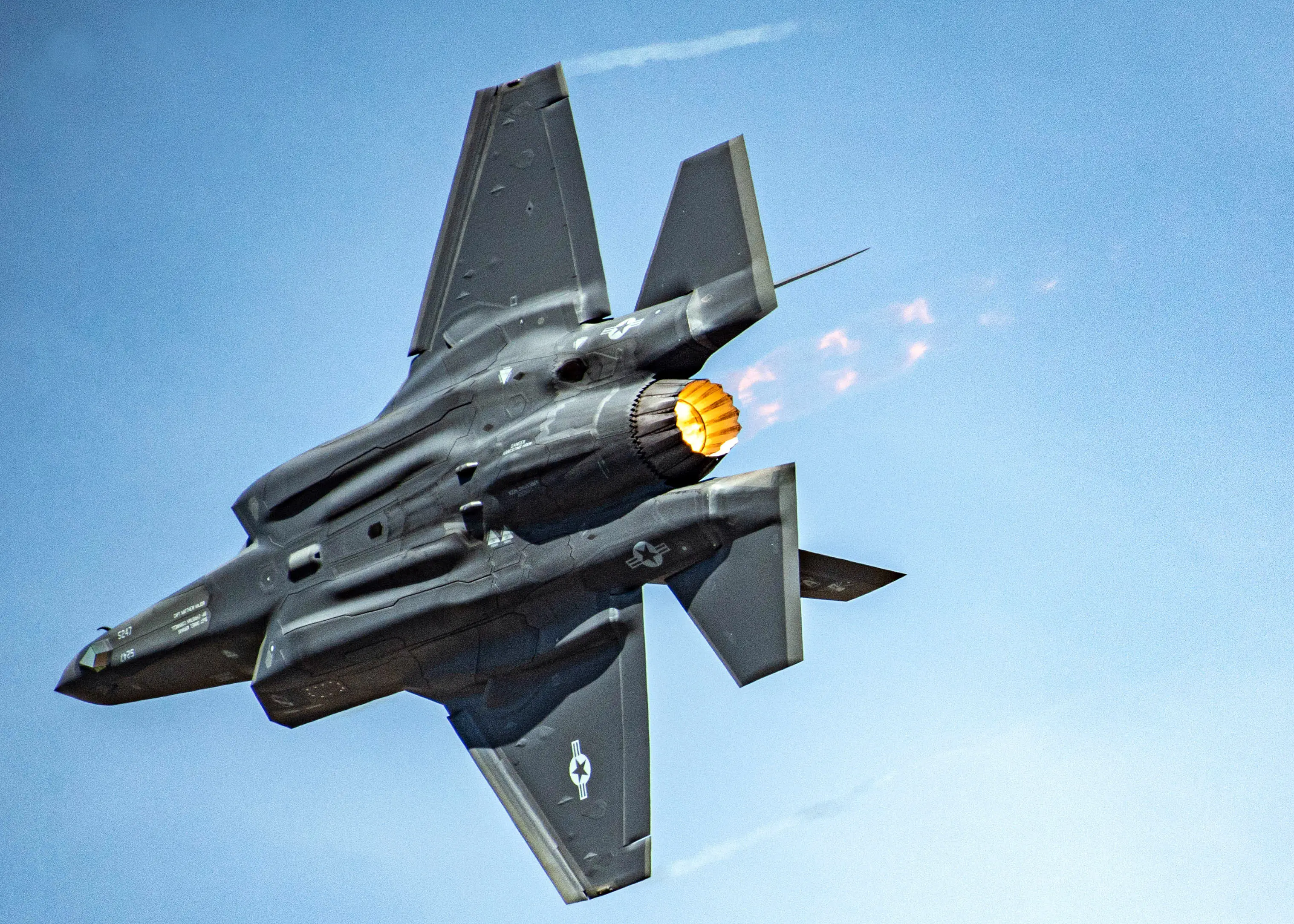
Future-Proof Lethality Block 4 Upgrades
The jet is constantly evolving with software updates. Upcoming Block 4 upgrades will integrate even more advanced weapons like the 'Sidekick' adapter, increasing internal missile capacity and cementing its role as the premier deep-strike platform.
)
)
)
)
)