What is the future of AI in space orbits?

AI will transform space orbits in the next decade. Experts expect smart satellites, autonomous science, real-time data centres, and even self-repair capabilities above Earth. Learn what’s coming soon and who is leading. Know more below.
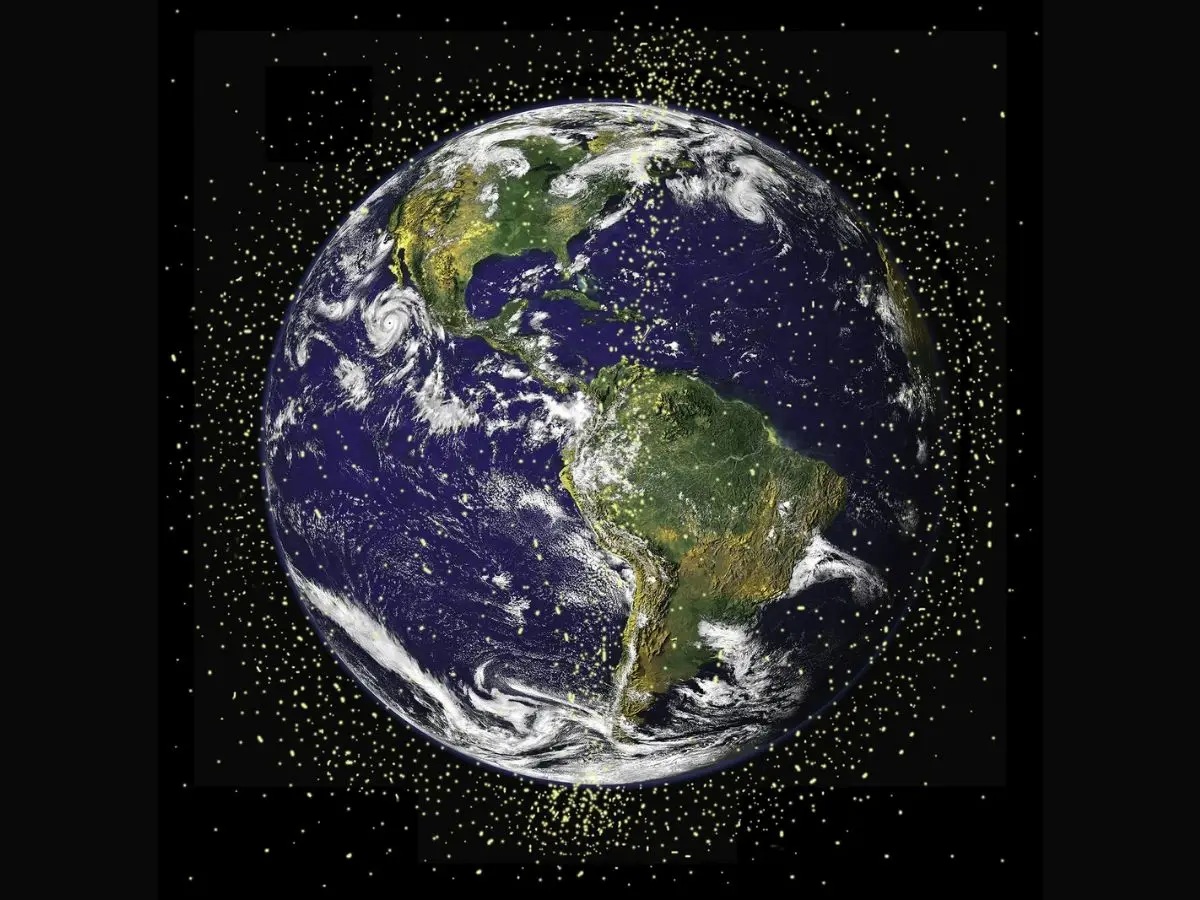
Smart satellites ready to think in orbit
AI is now central to satellite design. Satellites use AI for real-time analysis, collision avoidance, and adaptive observation. India and China have both launched satellites that use onboard AI to navigate, do self-diagnosis, and choose targets for closer study.
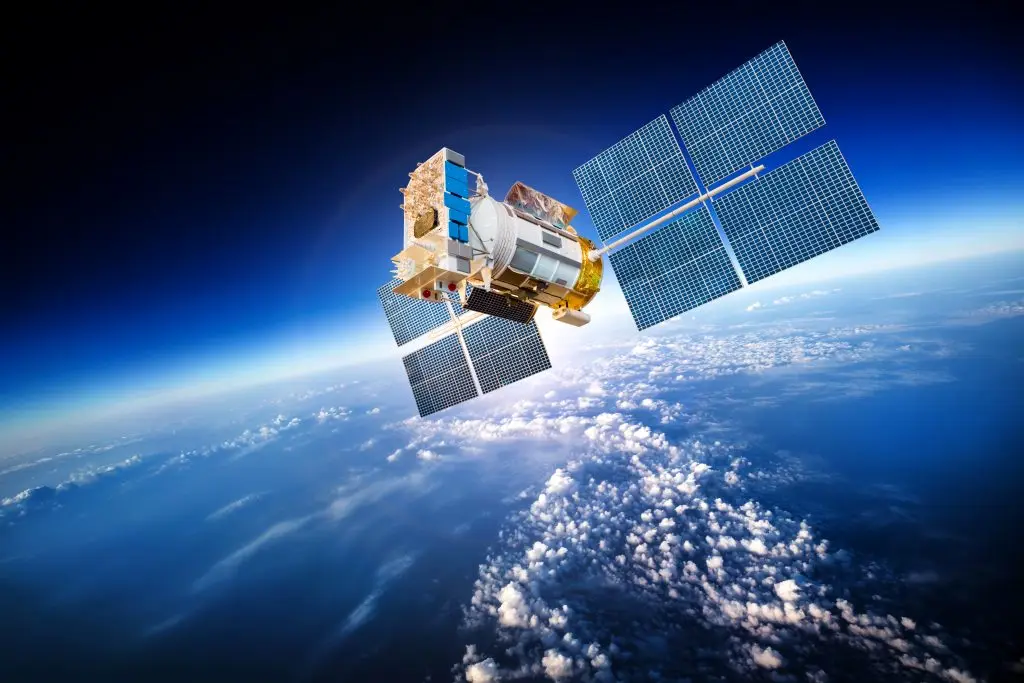
Autonomous missions and real-time science
AI in orbit allows satellites to adjust their observation focus instantly. NASA has tested "Dynamic Targeting" AI tells satellites where to point sensors and can react to things like hurricanes or wildfires in seconds, without needing instructions from Earth. ESA, ISRO and commercial fleets are rolling out similar features.
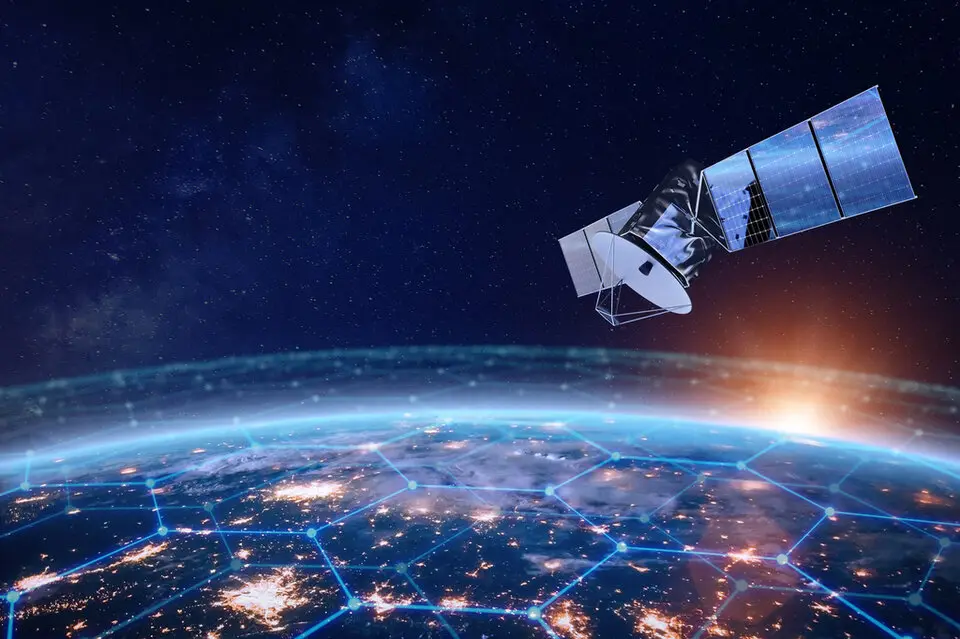
Orbital data centres the next leap
Tech leaders like Jeff Bezos and ESA predict space-based data centres within 10-20 years. These could process massive AI workloads fuelled by constant solar power, reduce energy use, and make cloud services faster and greener for everyone. China’s "Three-Body Computing Constellation" is already testing space supercomputers.
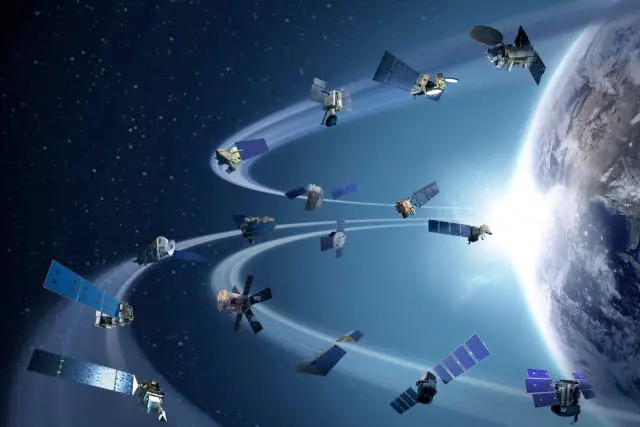
Self-repair and anomaly detection
AI lets satellites detect and fix minor faults independently. Soon, groups of satellites called swarms might send help to a troubled peer or change formation to avoid danger. This means fewer outages and longer satellite lifespans, and less need for intervention from Earth.
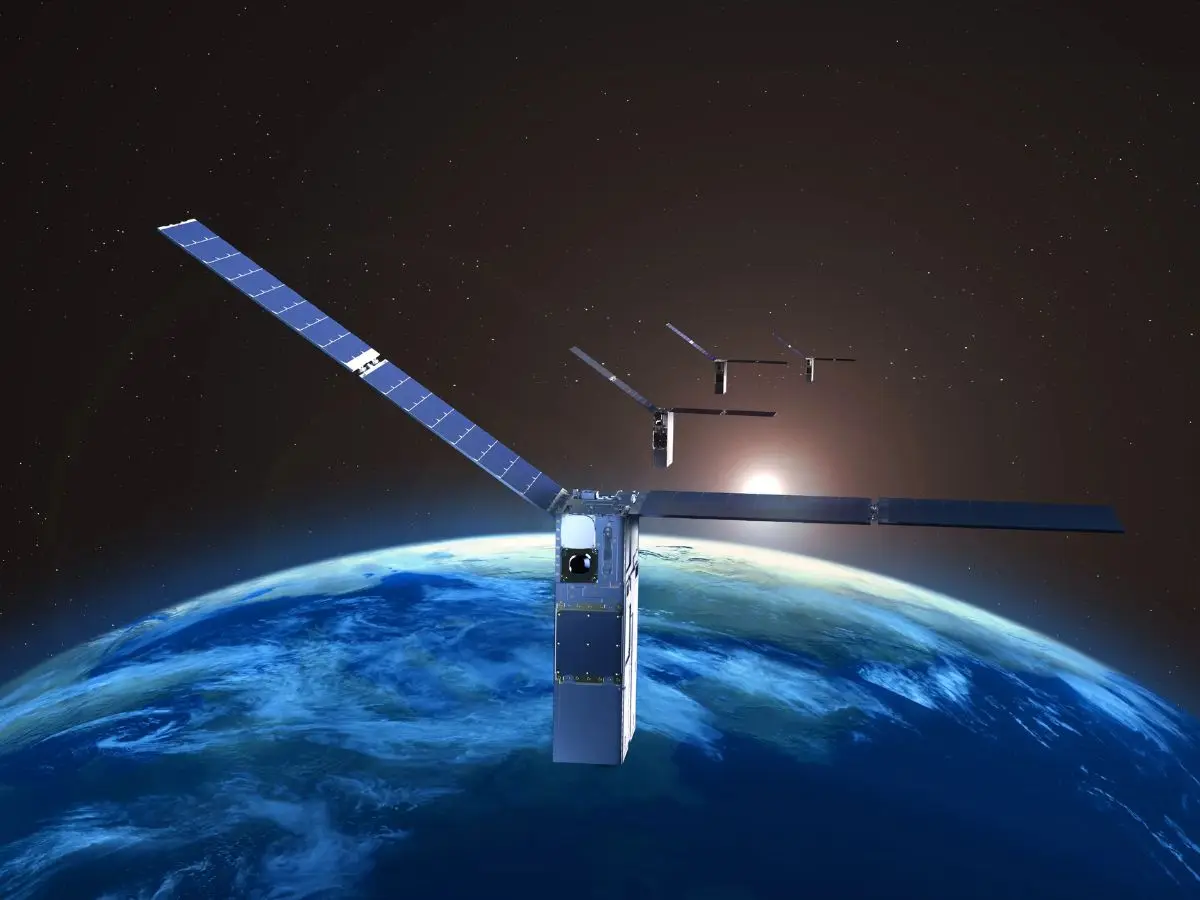
Smarter imaging and Earth monitoring
AI sorts through terabytes of space imagery every day. Satellites now automatically detect floods, illegal activities, or environmental changes. Insurers, energy firms and governments buy this real-time analysis from commercial operators using advanced AI.
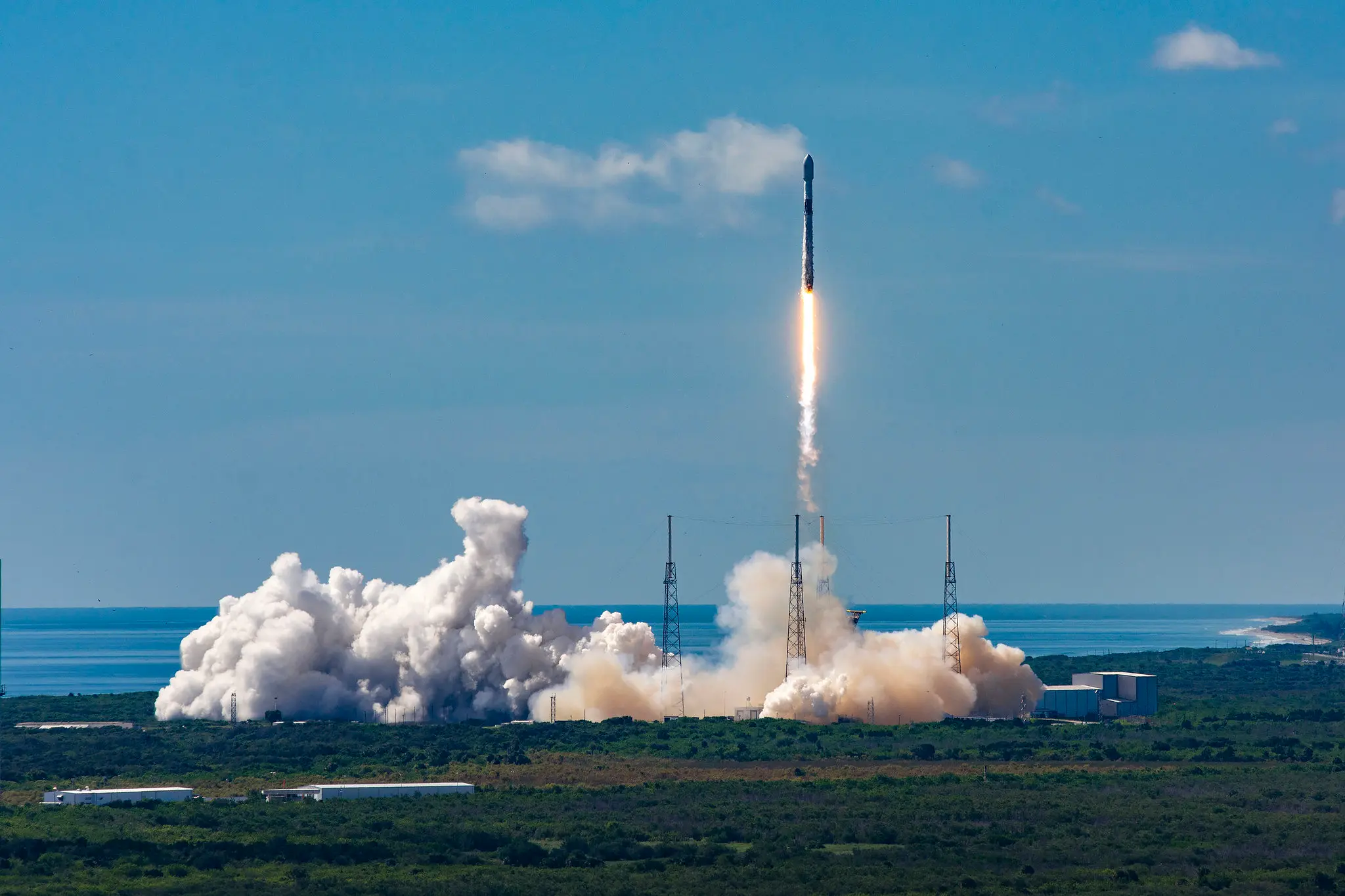
Quantum, robotics and advanced hardware
Future satellites will use more quantum computing, robotic upgrades, and ultra-efficient hardware. These upgrades will make data handling and mission control smarter, save energy, and support rapid changes in mission goals.
Why AI matters for the future of space
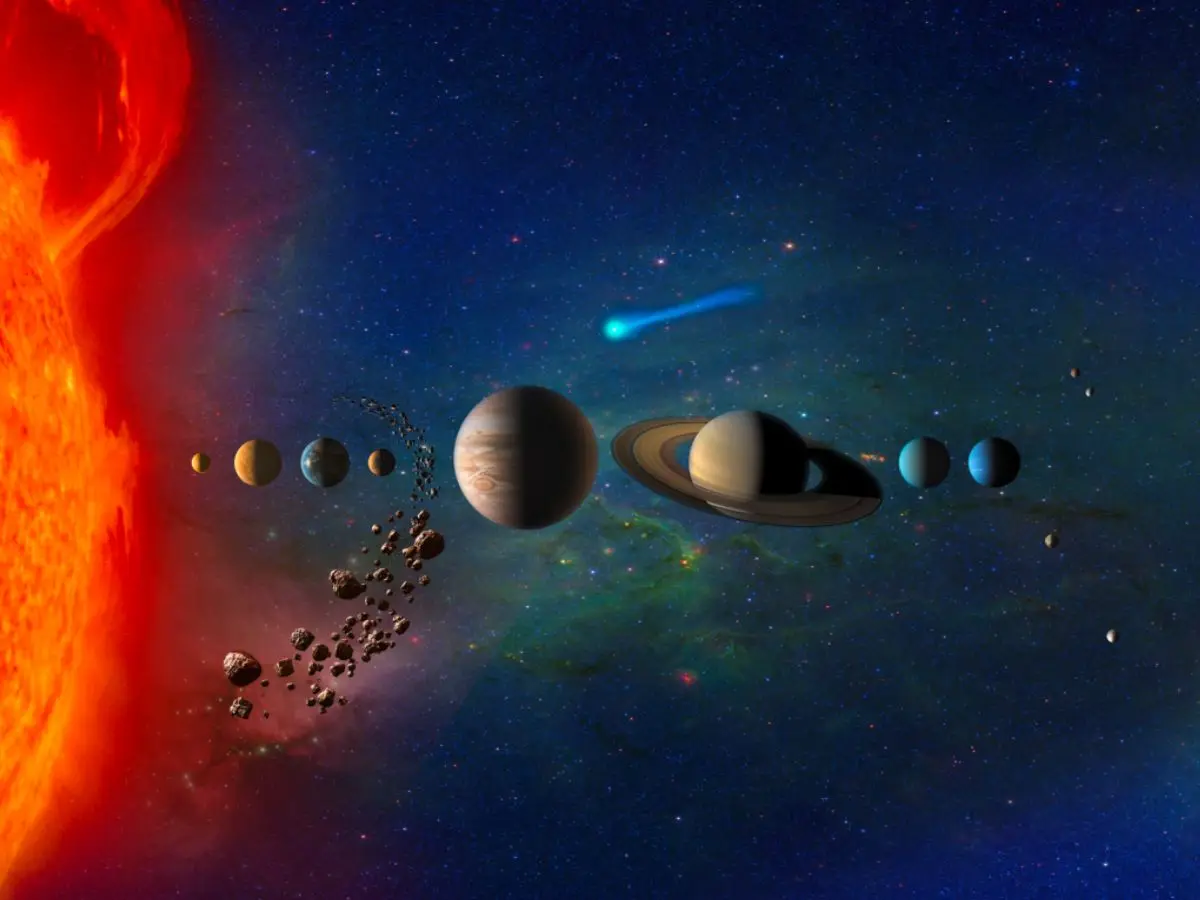
As space gets busier, AI keeps satellites safe from debris, boosts science, and supports tasks like lunar exploration, commercial services, and global connectivity. By 2035, space orbits will host self-managed, adaptable satellites helping humans push beyond the limits of Earth.
)
)
)
)
)