What is India’s LR‑LACM Cruise Missile, and why does a speculated India‑Greece deal alarm Türkiye?

The reports claim that India may have 'unofficially' proposed the sale during the DEFEA 2025 defence expo in Athens. As of now, no official confirmation has been issued by India or Greece.
Introduction – Tensions in the Aegean?
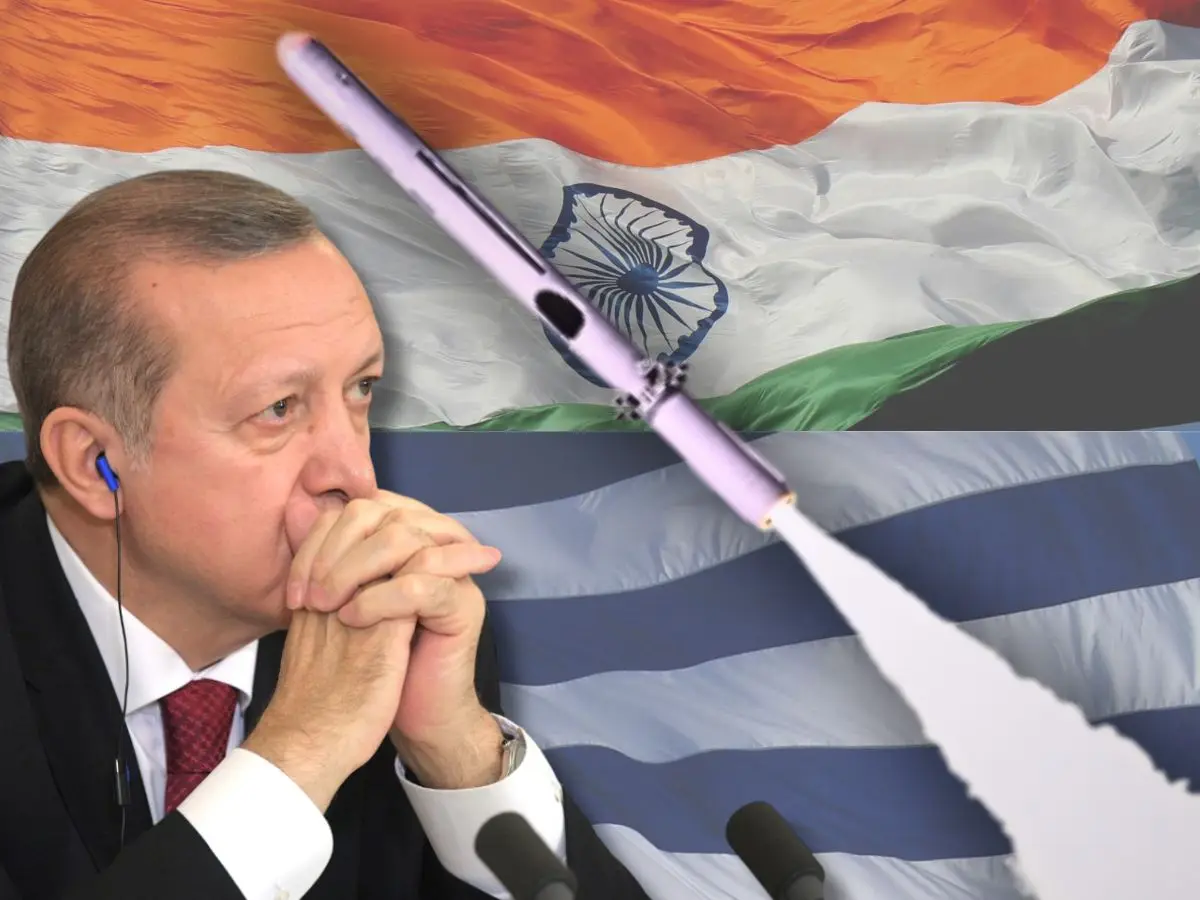
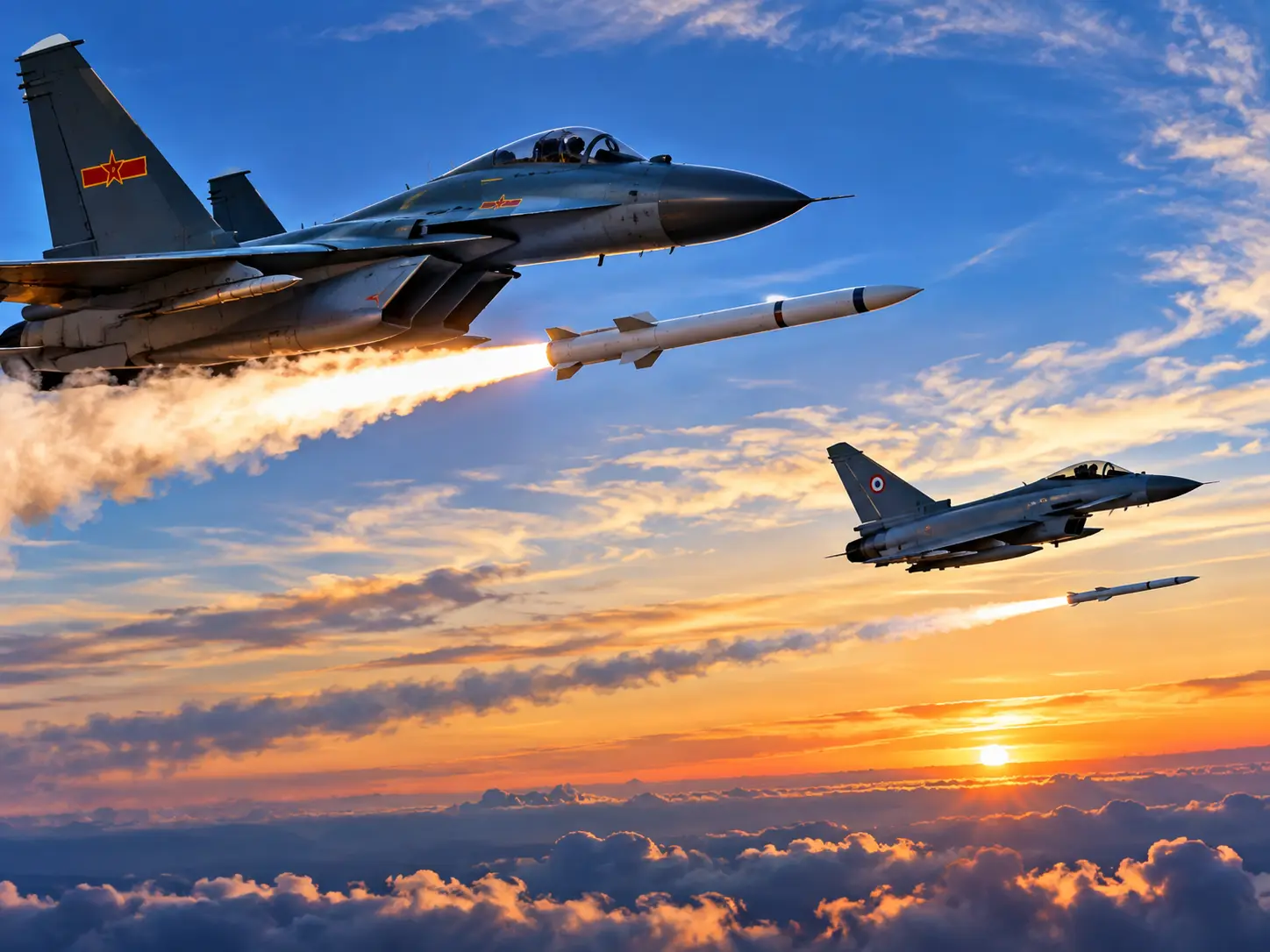
Turkey has raised concerns over reports that India is allegedly offering its indigenously developed Long Range Land Attack Cruise Missile (LR-LACM) to Greece, a regional rival of Türkiye. The reports, first published by Turkish outlet TRHaber and citing Greek sources, claim that India may have 'unofficially' proposed the sale during the DEFEA 2025 defence expo in Athens. As of now, no official confirmation has been issued by India or Greece.

Why Is Türkiye Concerned?
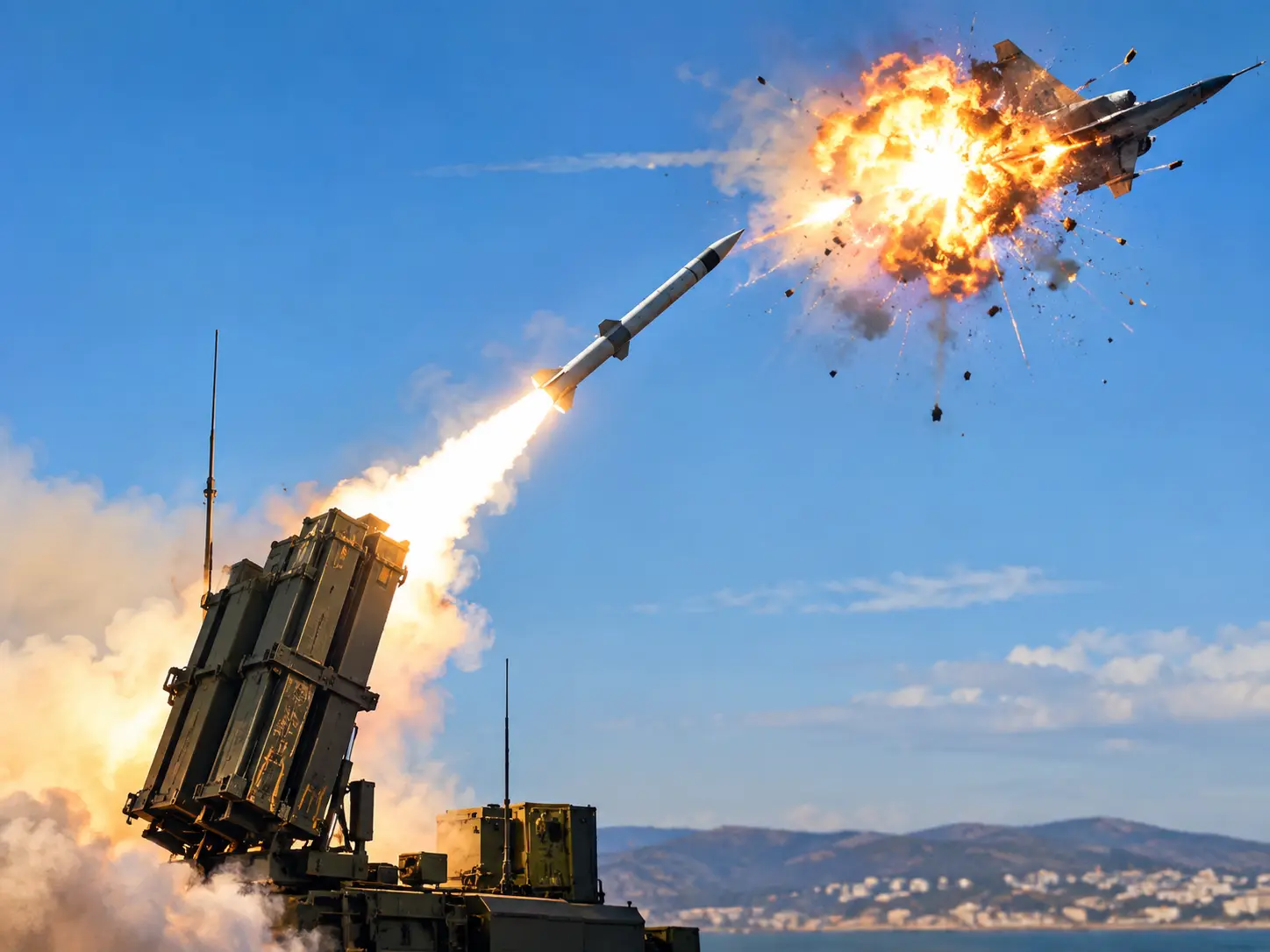
Turkish media has framed the alleged move as a security threat, linking it to Turkey’s support for Pakistan during the recent India–Pakistan conflict, Operation Sindoor. Reports allege that Turkish drones and military advisors aided Islamabad. Ankara is reportedly alarmed that Greece could use Indian missiles to target Turkish military infrastructure in the Aegean. TRHaber also claimed that the missile’s has the capability to evade air defense systems such as Turkey’s S-400.
What Is the LR-LACM?
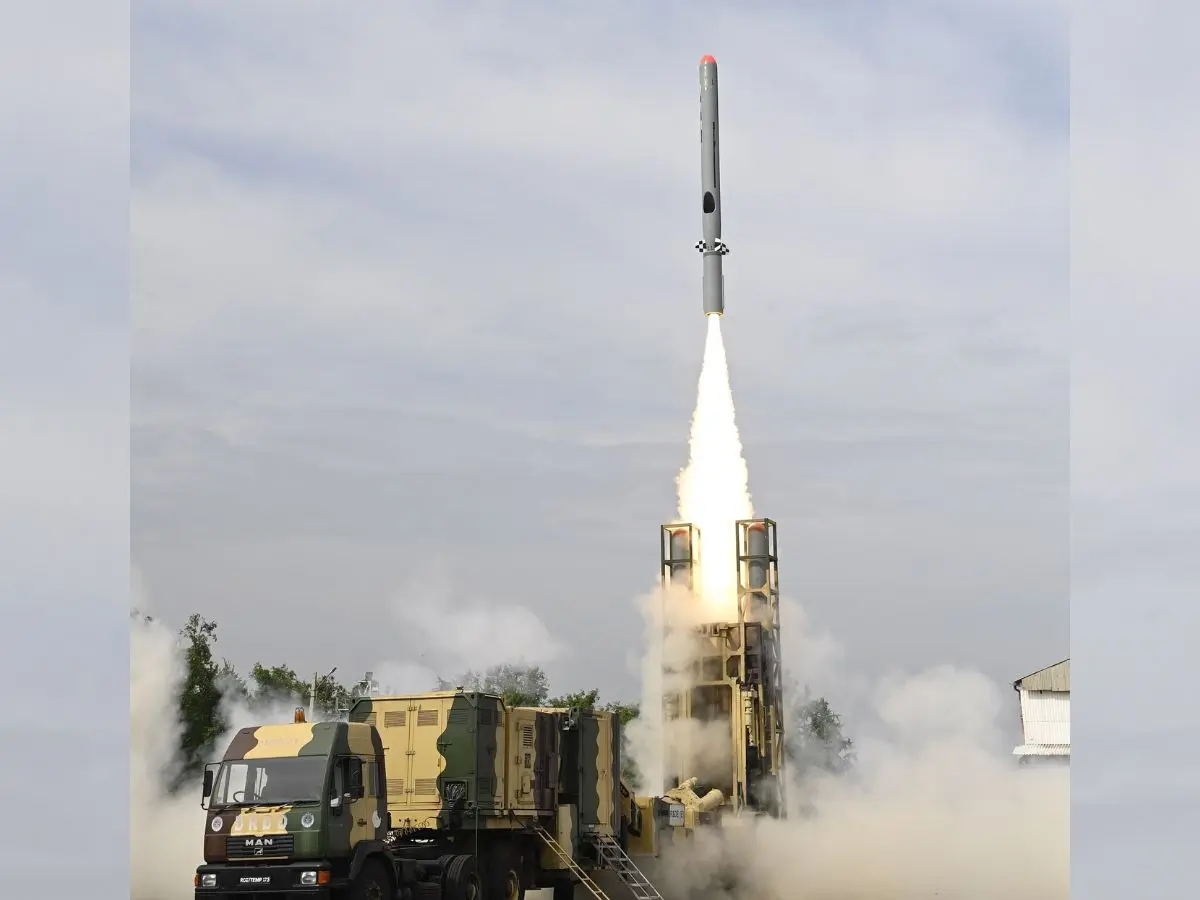
The Long Range Land Attack Cruise Missile (LR-LACM) is an Indian subsonic cruise missile developed by DRDO. It was first successfully tested on 12 November 2024 at the Integrated Test Range in Chandipur, Odisha. It is designed for deep precision strikes and terrain-hugging flight, similar to the US Tomahawk and Russia’s Kalibr missiles.
Key Specifications
The weapon has a range of 1,000 to 1,500 kilometres for land-based variants and over 1,000 kilometres when launched from naval platforms. It is powered by the indigenously developed Manik Small Turbofan Engine (STFE) and is capable of carrying both conventional and nuclear warheads. The missile employs a highly accurate guidance system combining GPS, inertial navigation, and terrain contour matching (TERCOM), achieving a circular error probable (CEP) of less than 10 metres, making it a formidable asset for long-range strategic targeting.
The LR-LACM is designed for launch from multiple platforms, including mobile articulated launchers for land-based operations and Universal Vertical Launch Modules (UVLM) installed on over 30 Indian Navy warships. Its low-altitude terrain-hugging flight profile, coupled with stealth characteristics and the ability to execute complex manoeuvres, enables it to evade sophisticated air defence systems, including Türkiye’s S-400 batteries.

Strategic Implications
According to TRHaber, Türkiye fears that the LR-LACM could be used by Greece to target critical military infrastructure, including airbases in Izmir and Çanakkale, coastal radar installations, and even S-400 air defence systems. The missile’s ability to strike high-value assets from long standoff distances has raised concerns in Ankara about a shift in regional deterrence dynamics.

India–Greece Relations Deepen
It is being alleged that India and Greece have recently signed a defence cooperation agreement, by the Greek media. Reports also claim Greece is studying India’s Rafale deployment strategies during Operation Sindoor to enhance its own tactical planning. While Turkish media warns of a possible India, Greece strategic axis, the reports remain unconfirmed by official sources. India has not commented on the alleged missile offer, and no statement has been issued by Greece either.
)
)
)
)
)