What is Gravity Nuclear bomb and which fighter jet can fly it?

These bombs, also known as free-fall nuclear bombs, are tactical unguided weapons dropped from aircraft.
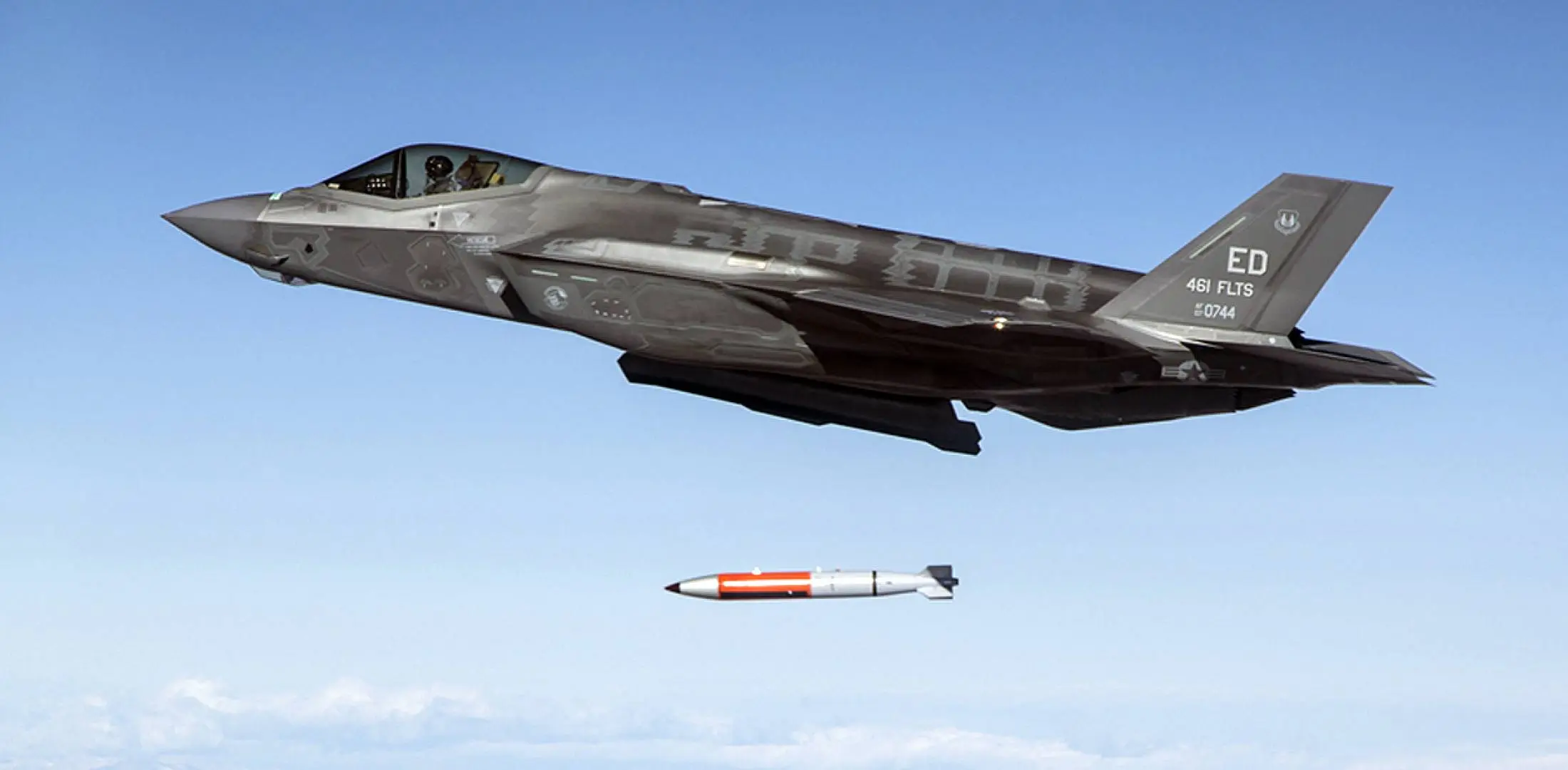
Understanding Gravity Nuclear Bombs
Gravity nuclear bombs remain among the most formidable weapons ever built. These bombs, also known as free-fall nuclear bombs, are tactical unguided weapons dropped from aircraft. Unlike missiles, these bombs rely purely on gravity and aircraft speed for delivery. Once released, they fall towards the target under the force of gravity alone. First developed during the early nuclear age, they have evolved into highly sophisticated thermonuclear devices. But how does these bombs work?
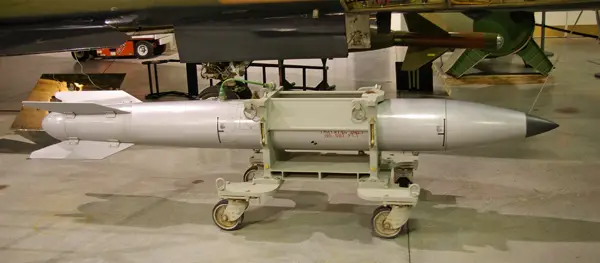
Types of Nuclear Explosions
Most gravity nuclear bombs are thermonuclear, meaning they use both fission and fusion to produce immense explosive power. Fusion reactions release vast energy by merging atomic nuclei, while fission splits heavy atoms. The combination makes thermonuclear weapons significantly more destructive than earlier atomic bombs.
Hiroshima vs Modern Gravity Bombs
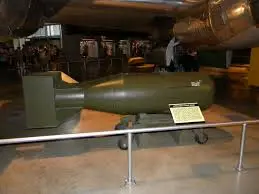
The atomic bomb 'little boy' dropped on Hiroshima in 1945 had a yield of around 15 kilotons of TNT. Modern thermonuclear gravity bombs, like the American B61, can have variable yields up to 340 kilotons, over 24 times more powerful. Despite their destructive potential, actual use is highly constrained by international treaties and policy.
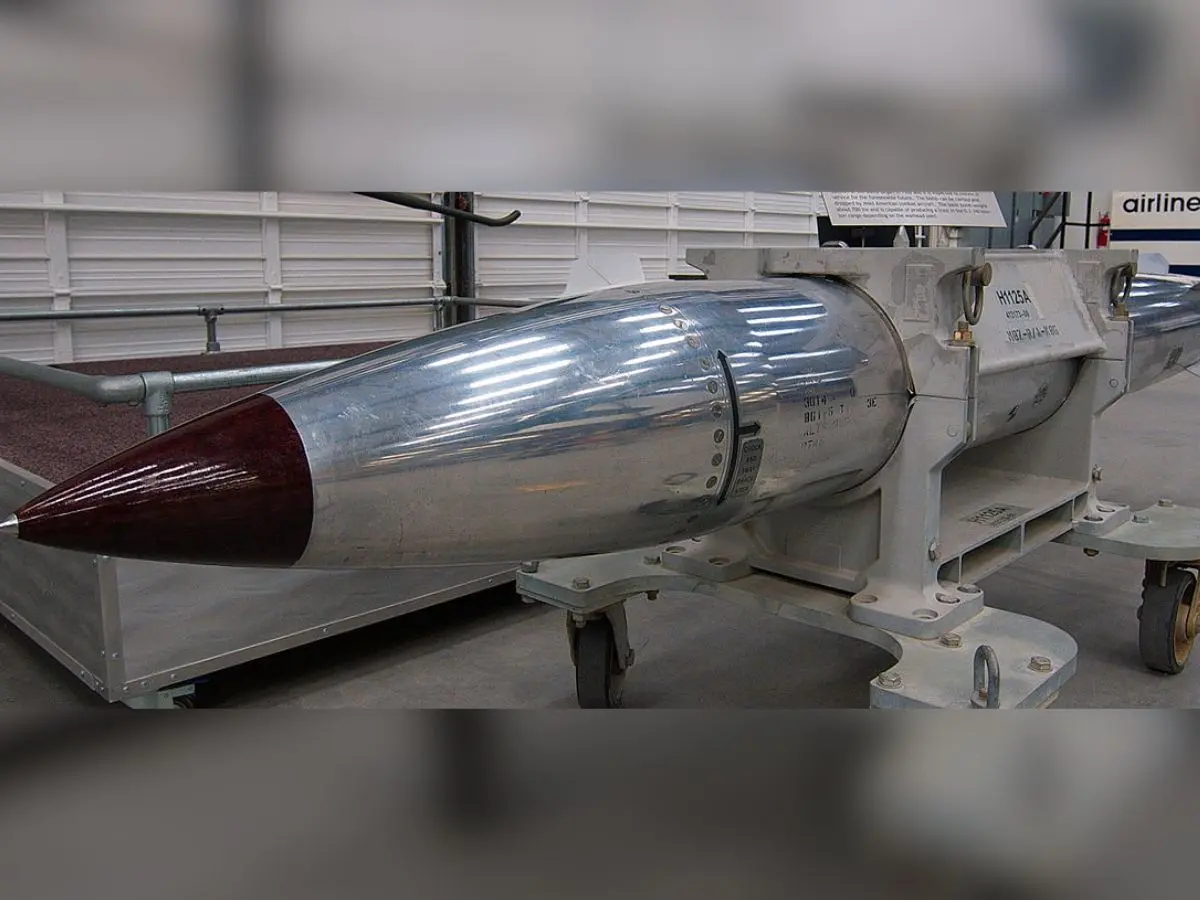
How do they work?
A conventional explosive compresses fissile material (such as uranium-235 or plutonium-239). This starts a rapid, uncontrolled nuclear chain reaction, releasing immense heat and pressure. The energy from the fission explosion compresses and heats a secondary stage containing isotopes like deuterium and tritium. This triggers nuclear fusion, lighter atomic nuclei merge into heavier ones, releasing far more energy than fission alone. The combined process dramatically multiplies the bomb’s yield. Some modern gravity bombs can adjust their yield 'dial-a-yield' by changing how much of the fusion stage is triggered, allowing for different tactical or strategic effects.
How They Cause Damage
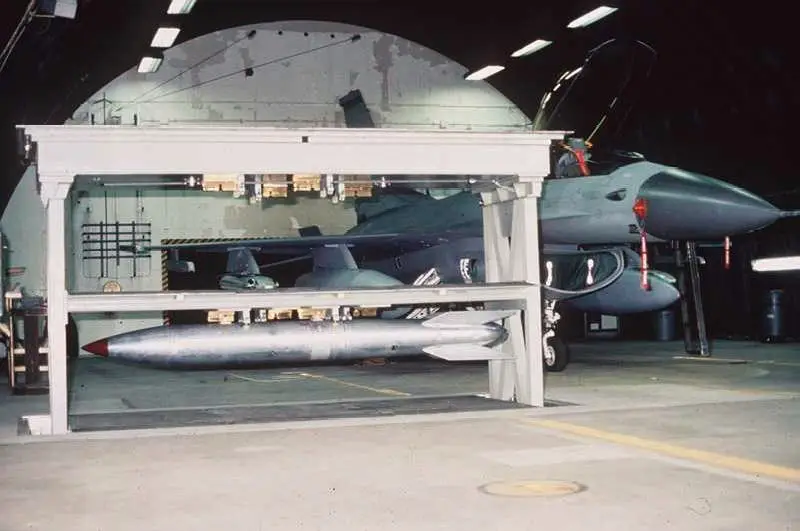
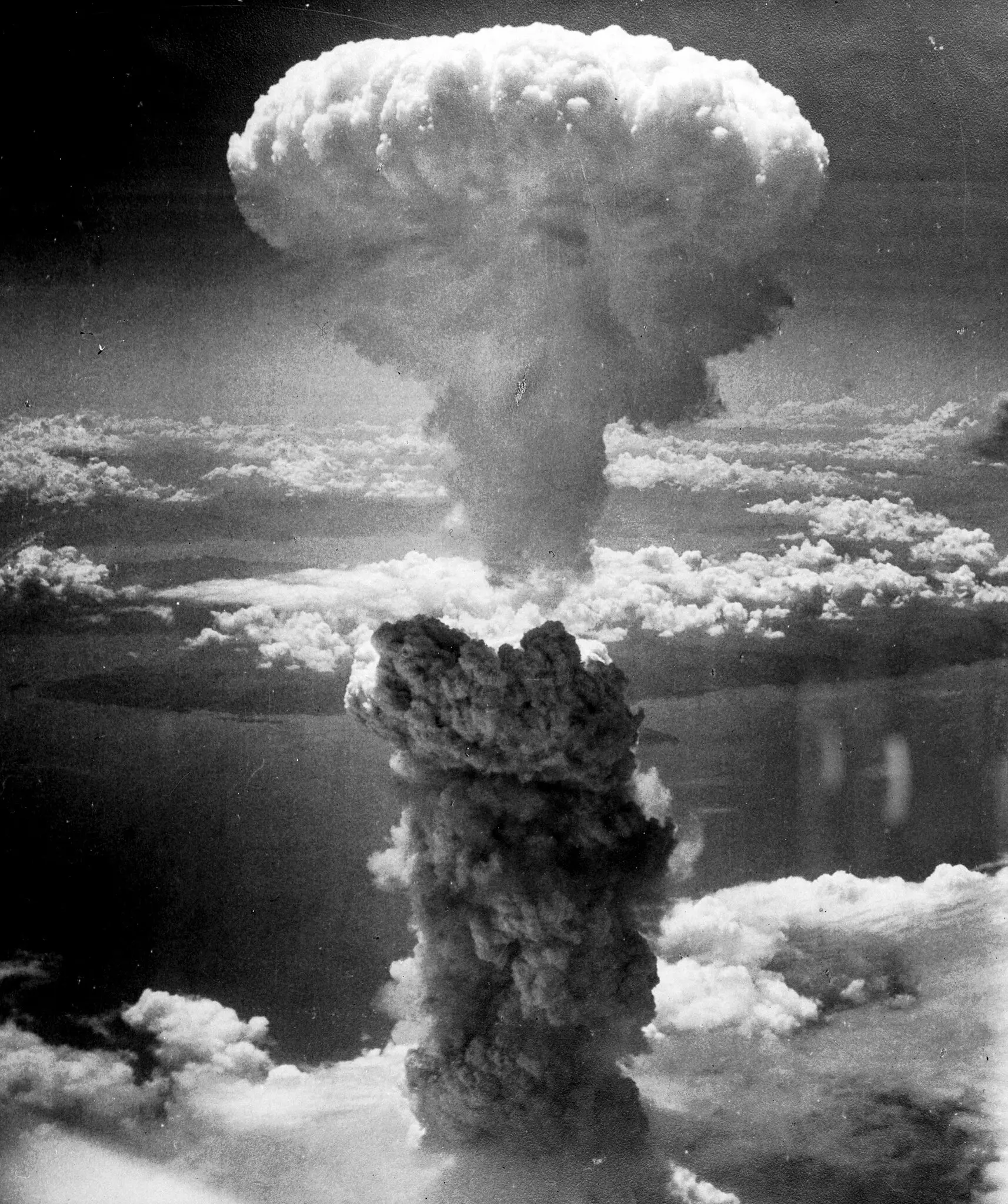
Gravity nuclear bombs destroy through blast, heat, and radiation. The initial explosion creates a massive shockwave; temperatures near the centre reach several million degrees Celsius, igniting fires over large areas. Intense radiation causes immediate casualties and long-term health effects. Fallout spreads radioactive material across wider regions. The B61-12 is the newest US gravity nuclear bomb, developed as part of the B61 life-extension programme.
Aircraft Capable of Carrying Them
Modern fighter jets and bombers are specially modified to carry nuclear gravity bombs. Examples include:
1. F-35 Lightning II (with modifications for the B61)
2. F-15E Strike Eagle
3. Tornado IDS
4. B-2 Spirit stealth bomber
5. F-16 Fighting Falcon (selected versions)
These aircraft have hardpoints, wiring, and avionics adapted for nuclear missions.
Why They Still Exist
Gravity nuclear bombs remain part of military arsenals for strategic deterrence. Their flexibility allows aircraft to adjust flight paths and choose targets shortly before release. Unlike fixed missile silos, aircraft can be repositioned, making them harder to destroy pre-emptively. Despite decades of disarmament, they remain central to the nuclear posture of several nations, mainly as a deterrent rather than for actual battlefield use.
)
)
)
)
)