What is a Hypersonic Fighter Jet? The next big shift in air combat

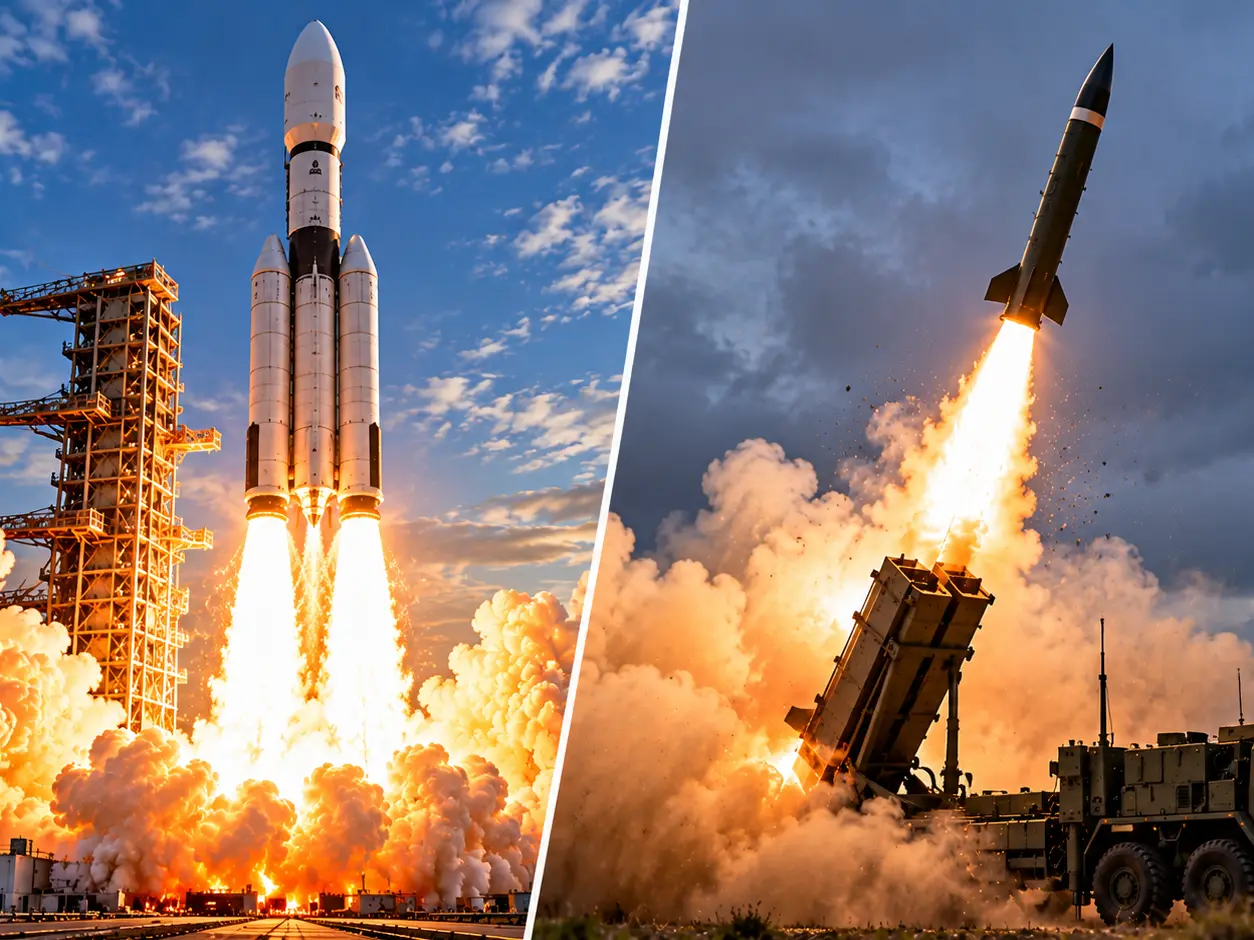
Most existing hypersonic technology is focused on missiles, not aircraft. Countries such as the United States, Russia, and China are testing hypersonic glide vehicles and cruise missiles that can manoeuvre at very high speeds, making them harder to intercept.
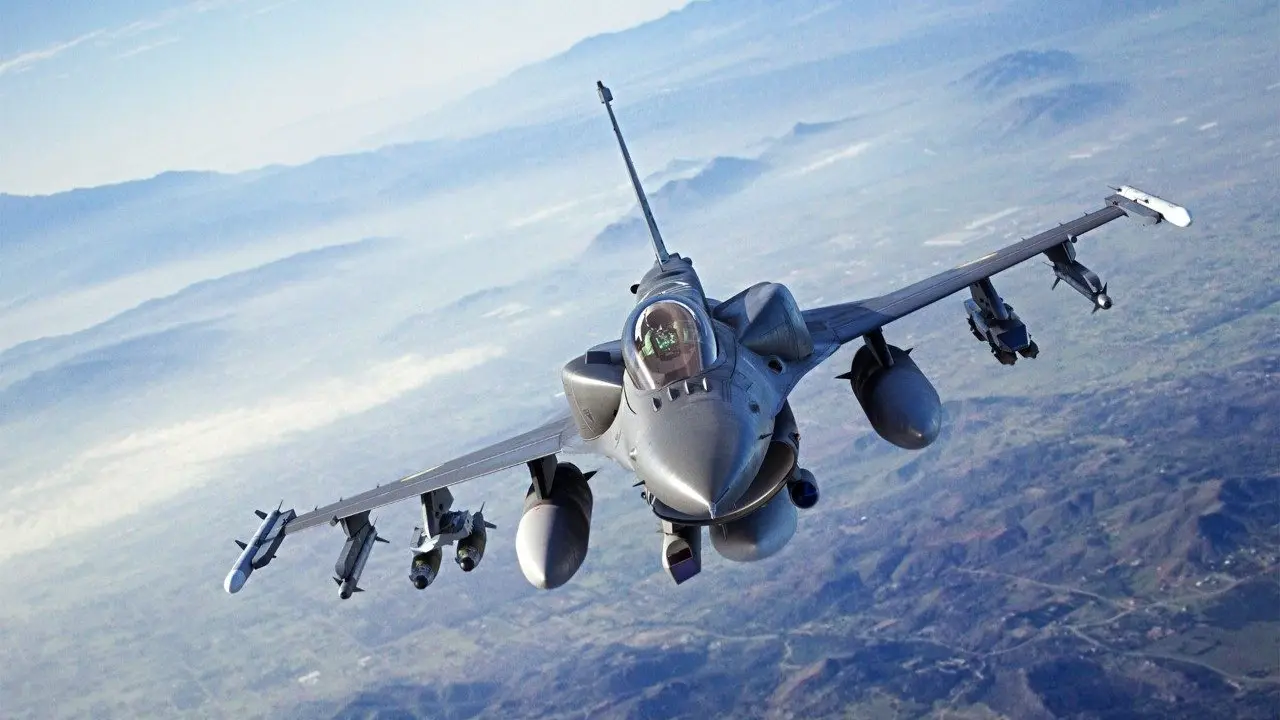
What “Hypersonic” Means
A hypersonic aircraft is defined as one that can travel at speeds above Mach 5 (five times the speed of sound, or roughly 6,100 km/h at sea level). At this velocity, traditional aerodynamics and propulsion methods face limitations, requiring new design approaches.
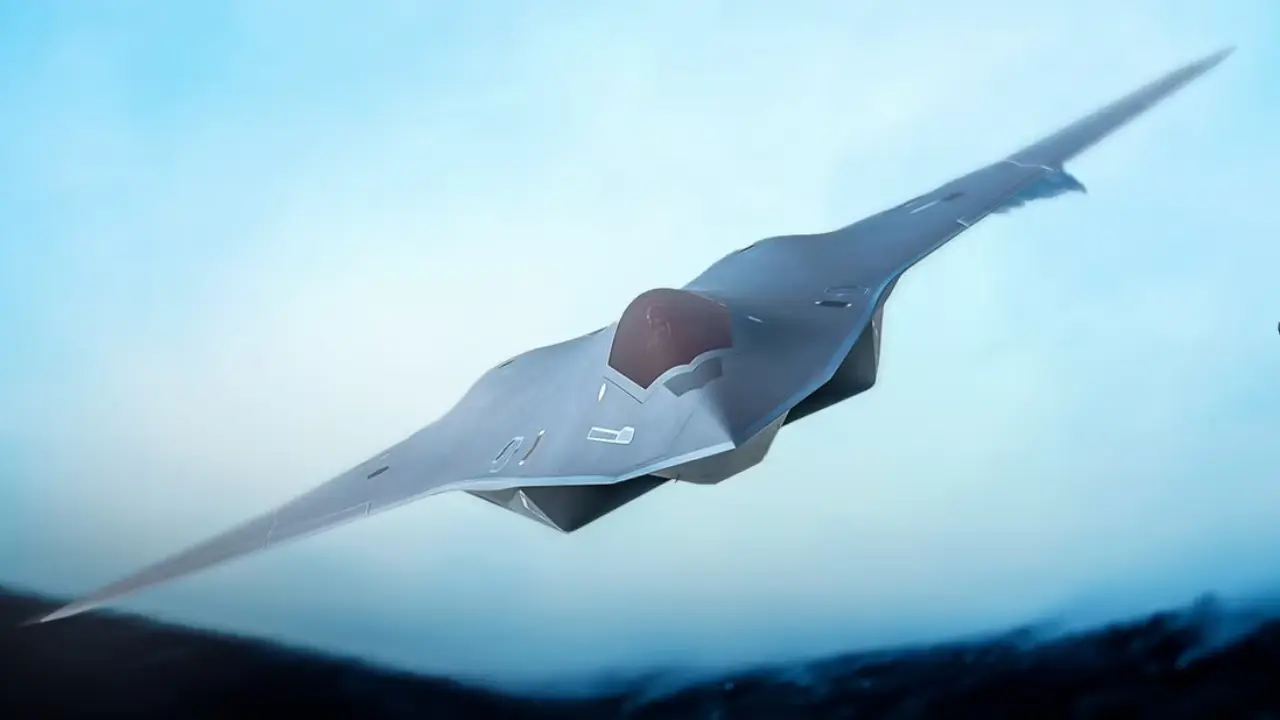
Current Use of Hypersonic Technology
Most existing hypersonic technology is focused on missiles, not aircraft. Countries such as the United States, Russia, and China are testing hypersonic glide vehicles and cruise missiles that can manoeuvre at very high speeds, making them harder to intercept.
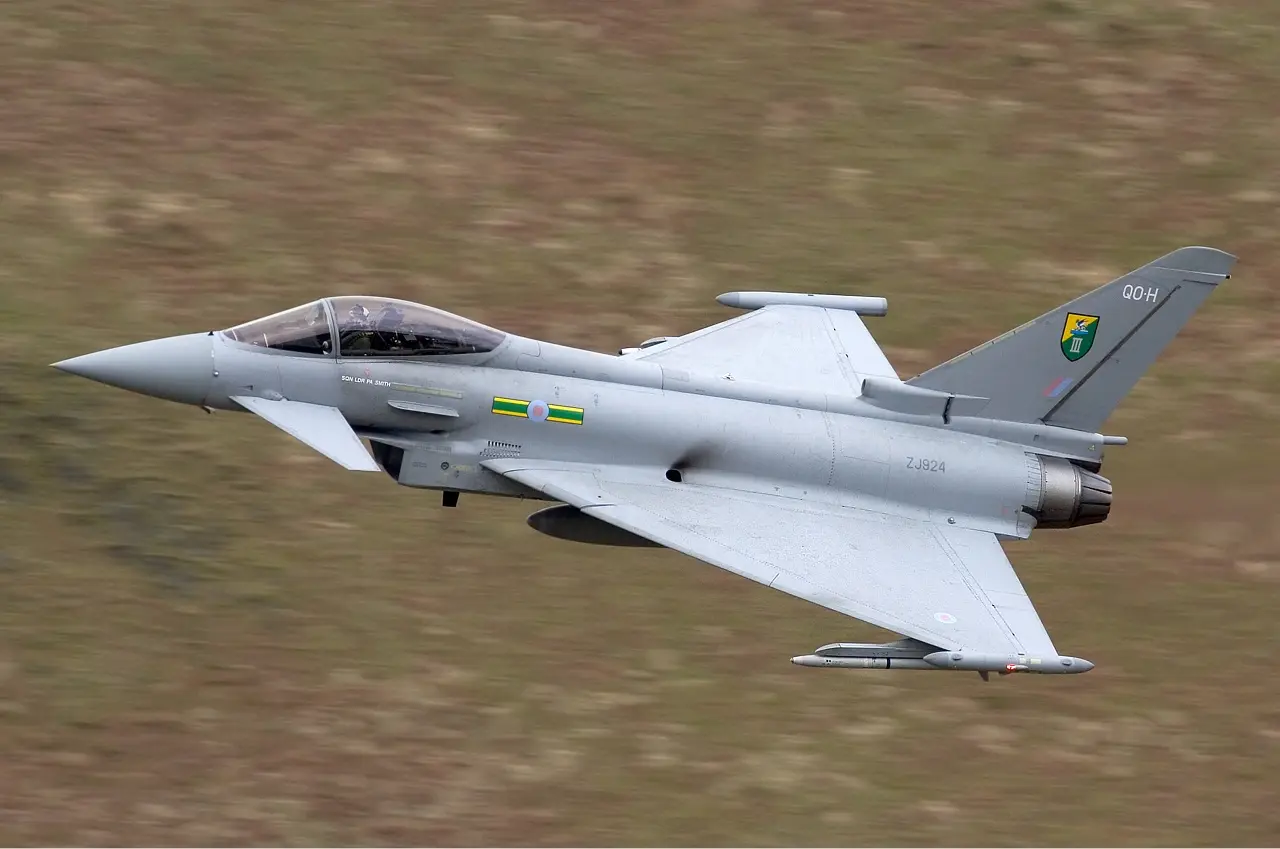
Challenges in Building Hypersonic Fighters
Developing a reusable hypersonic fighter jet requires solving issues such as:
Heat resistance, since extreme temperatures can damage the airframe.
Propulsion, as conventional jet engines cannot operate efficiently at hypersonic speeds.
Control systems, which must handle rapid manoeuvres at high velocity without losing stability.
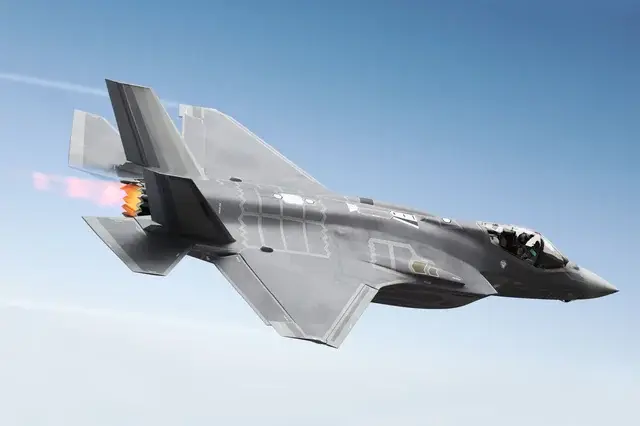
Propulsion Systems Under Study
The leading candidate for hypersonic propulsion is the scramjet (supersonic combustion ramjet). Scramjets compress incoming air at high speeds, eliminating the need for rotating compressors. Hybrid designs combining rockets and scramjets are also being explored.
Strategic Value of Hypersonic Fighters
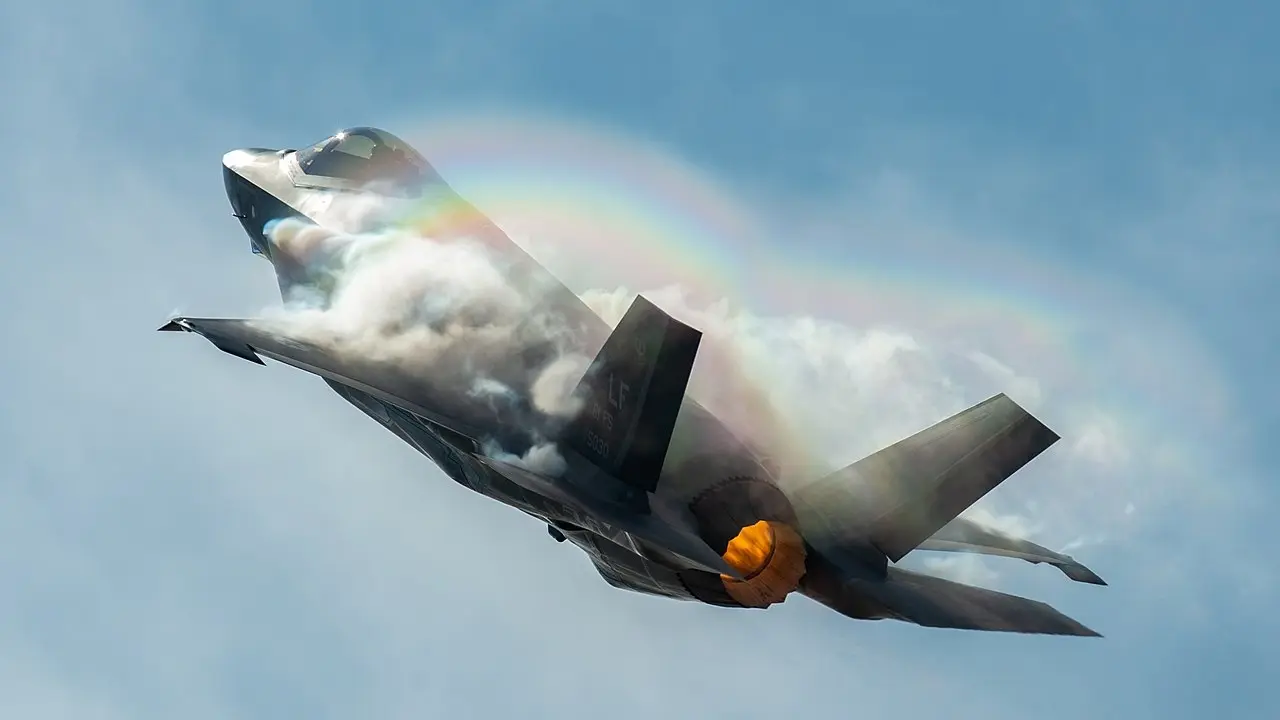
If achieved, hypersonic fighter jets would shorten reaction times in combat, penetrate defended airspace more easily, and expand operational ranges. They could alter existing doctrines of air superiority and deterrence by making current defence systems less effective.
Countries Conducting Research
United States: Programmes under DARPA and the Air Force Research Laboratory.
China: Testing hypersonic aircraft concepts alongside its missile projects.
Russia: Focused more on missiles but exploring aircraft potential.
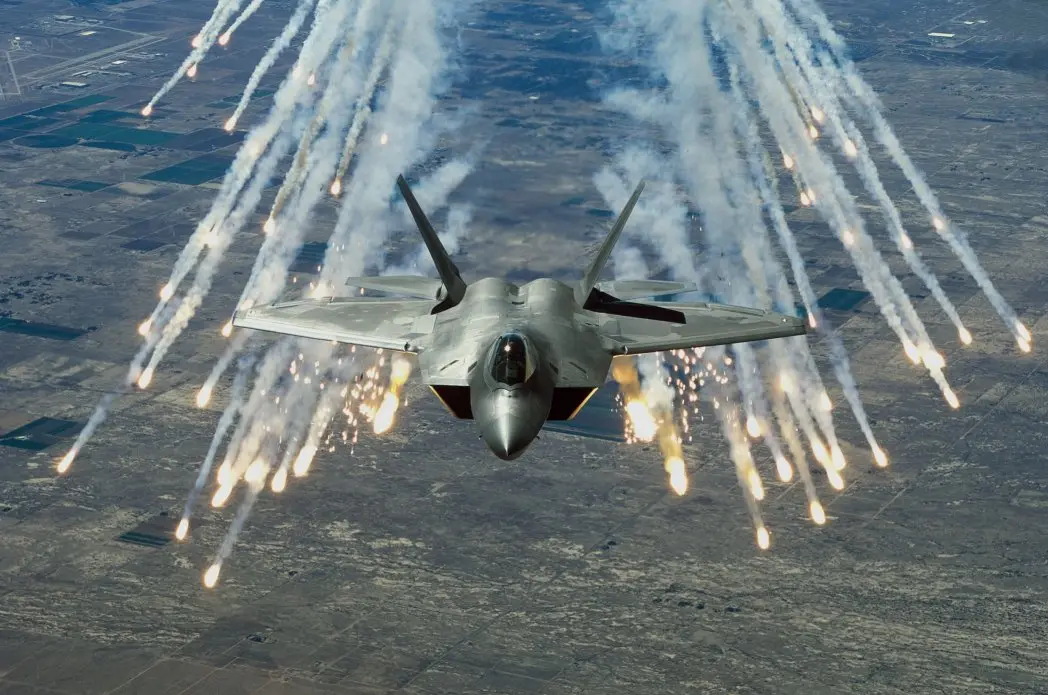
India, Japan, and Europe: Running early-stage research, mainly in propulsion and thermal materials
Future Outlook
Experts suggest that hypersonic fighter jets are still decades away from operational deployment. Progress is more likely to appear first in experimental aircraft and unmanned platforms before manned fighters become practical. Costs, reliability, and safety remain barriers to near-term adoption.
)
)
)
)
)