What if nuclear talks fail? 6 reasons Trump might choose the military option against Iran

US President Donald Trump has indicated he will be indirectly involved in the high-stakes talks, stating, “I don’t think they want the consequences of not making a deal.”
High-stakes diplomacy amid rising military pressure
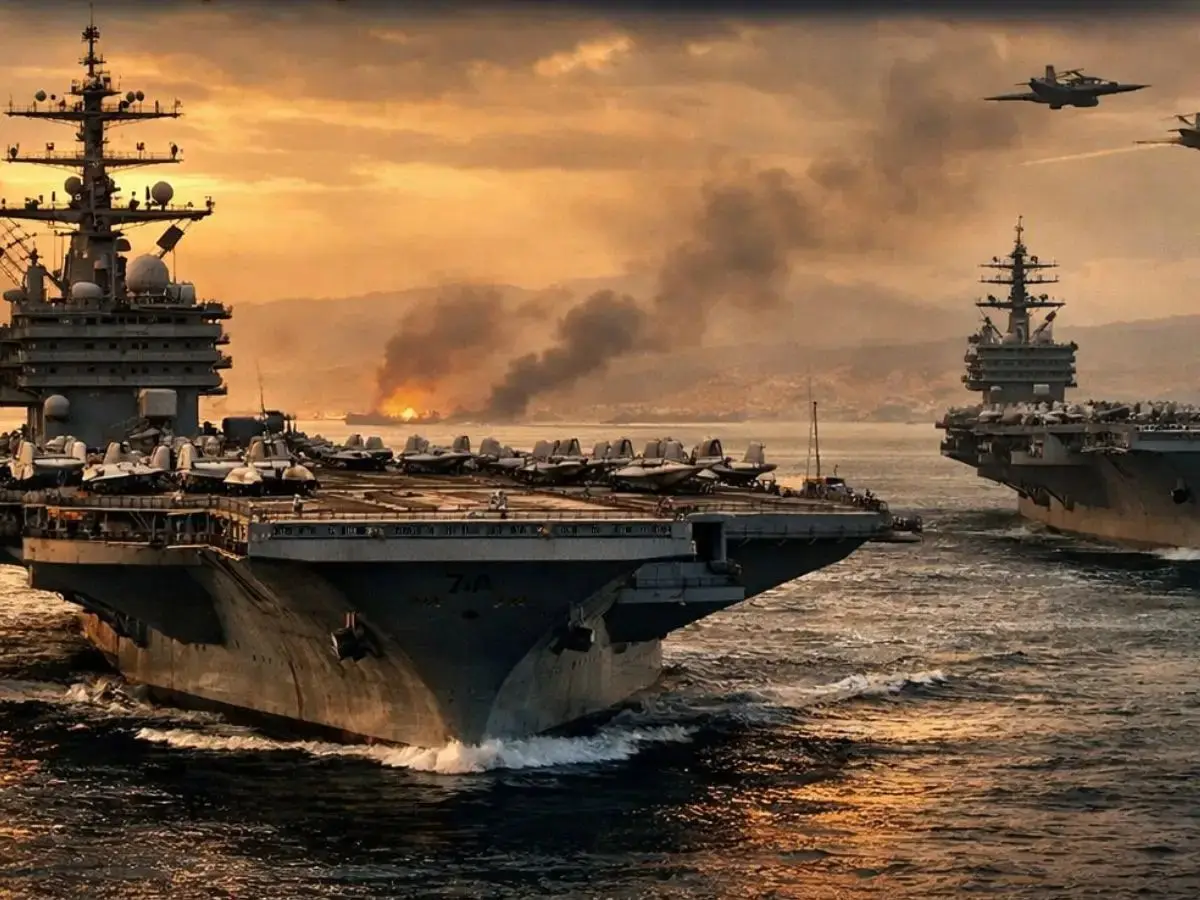
The prospect of a military confrontation between the United States and Iran remains uncertain as the two sides prepare for a second round of nuclear negotiations in Geneva. US President Donald Trump has indicated he will be indirectly involved in the high-stakes talks, stating, “I don’t think they want the consequences of not making a deal.” However, tensions remain elevated, with Washington deploying additional military assets to the Middle East, including the USS Gerald R. Ford and the USS Abraham Lincoln, while officials have signalled preparedness for a sustained military campaign should diplomacy collapse.
A potential moment to reshape regional dynamics
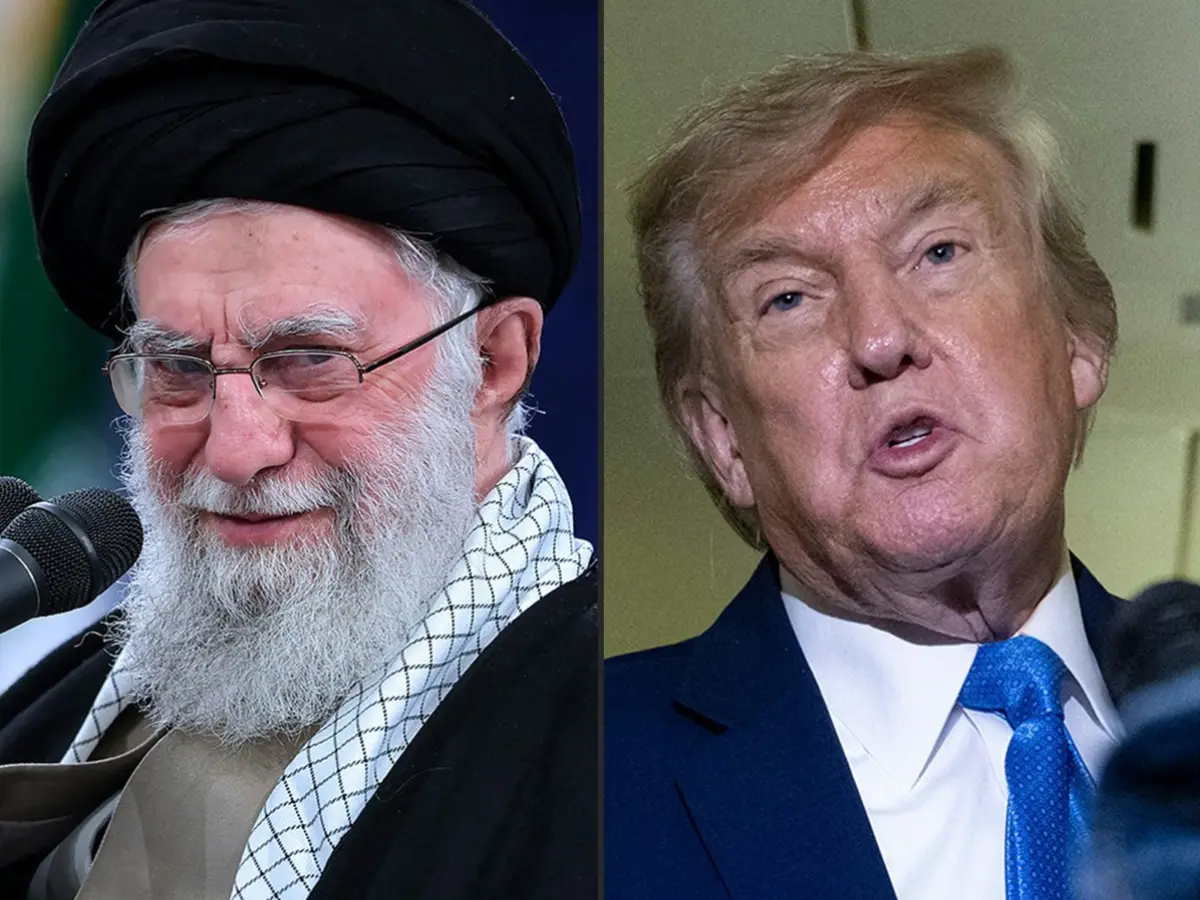
Iran currently faces significant internal and external pressures, including domestic protests, economic strain and military setbacks following clashes with Israel. According to the Atlantic Council, Iran is at its weakest point since the 1979 revolution after recent protests, June’s twelve-day war with Israel, and the drastic degradation of its terror network. Advocates of military intervention believe decisive action could accelerate broader regional initiatives, including expanding frameworks such as the Abraham Accords.
Human rights concerns and political legitimacy
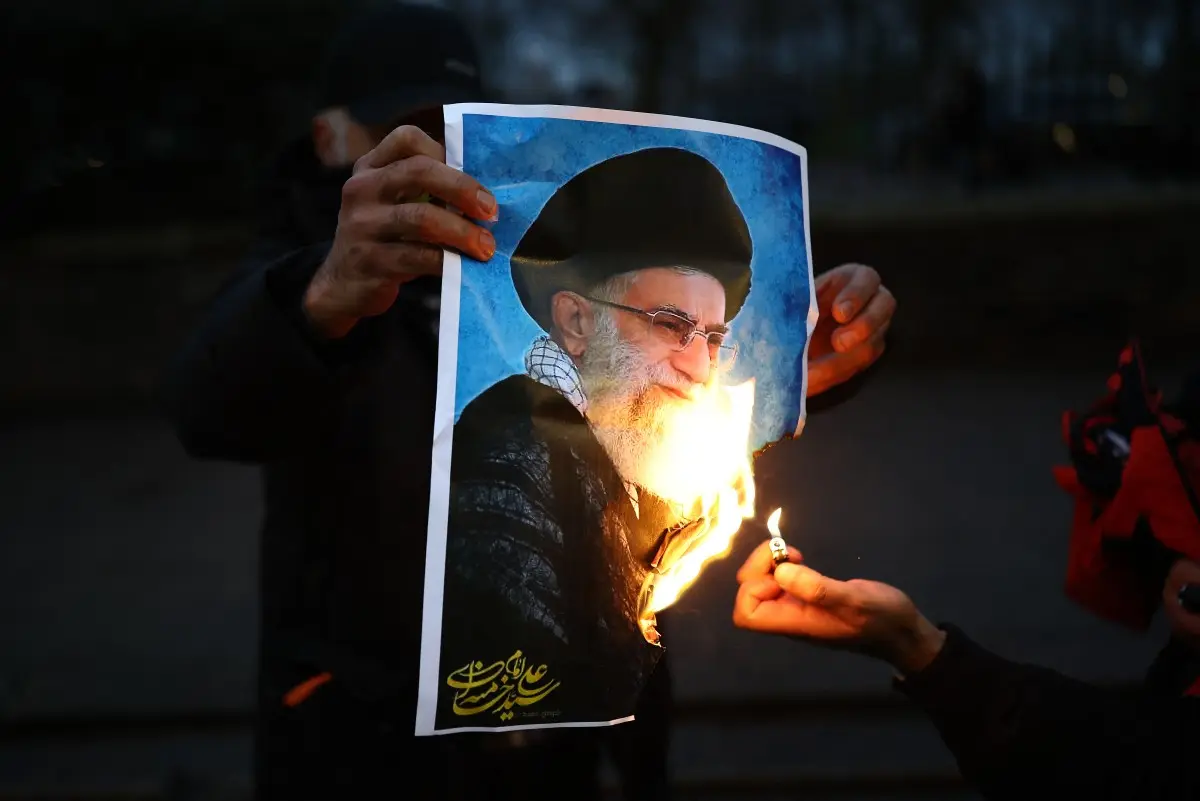
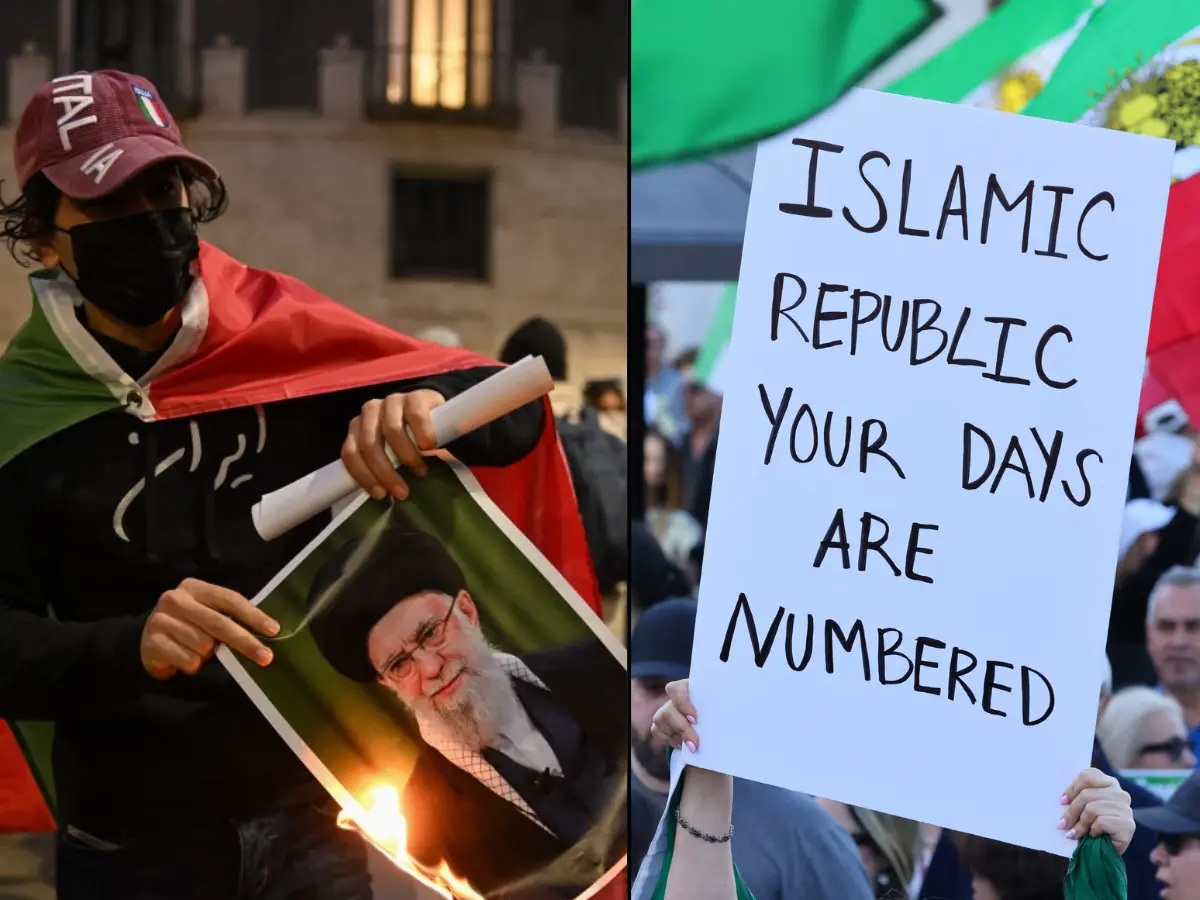
Critics of continued negotiations argue that diplomatic engagement risks overlooking allegations of the regime’s brutal crackdown on protesters, which brought the current tensions to a boiling point in the first place. The death toll reached at least 7,005, with many more still feared dead, AP reported last Thursday, quoting activists, although figures vary widely. Additionally, Iranian opposition leader Reza Pahlavi has urged the US military to intervene in Iran, without spending too much time in negotiating with Tehran's clerical rulers on a nuclear deal.
Preserving deterrence credibility
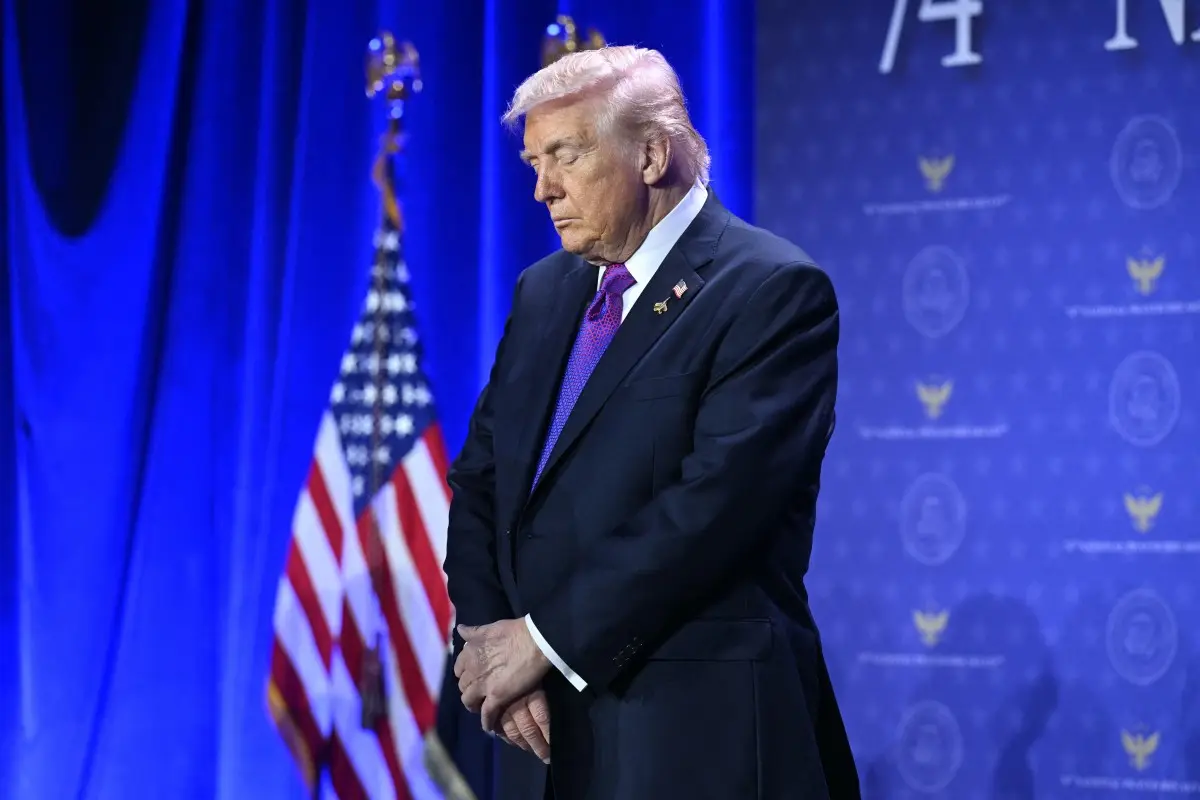
Strategists warn that failure to act after issuing strong warnings could undermine US credibility. Comparisons are frequently drawn with decisions taken by Barack Obama during the Syrian chemical weapons crisis, where the absence of direct military retaliation was seen by critics as weakening American deterrence. Iran has already warned that in case of strikes on Iranian territory, it could retaliate against any US military base. According to the Atlantic council, if Trump does not respond, it could send out a message that Washington will blink under pressure as long as Iran remains resolved in its resistance.
Energy security and global economic stakes
After recent US strikes and the capture of Nicolás Maduro, the United States has taken a more direct approach towards the oil sector in Venezuela, which holds the world’s largest proven crude reserves. Similarly, Iran possesses vast oil and gas reserves, much of its sanctioned crude currently exported to China (about 30 per cent). Any political shift in Tehran could allow Iranian energy supplies to re-enter Western markets, potentially reshaping global oil trade and reducing China’s reliance on discounted crude imports.
The continuing nuclear programme threat
Despite earlier US strikes targeting Iranian nuclear infrastructure, concerns persist that Tehran’s programme remains operational, including uranium enrichment. Monitoring restrictions affecting the International Atomic Energy Agency have heightened concerns regarding uranium enrichment activities. Washington has repeatedly stated that preventing Iran from obtaining nuclear weapons remains a central objective, leaving the outcome of Geneva negotiations critical to regional security calculations.
The Strait of Hormuz factor!
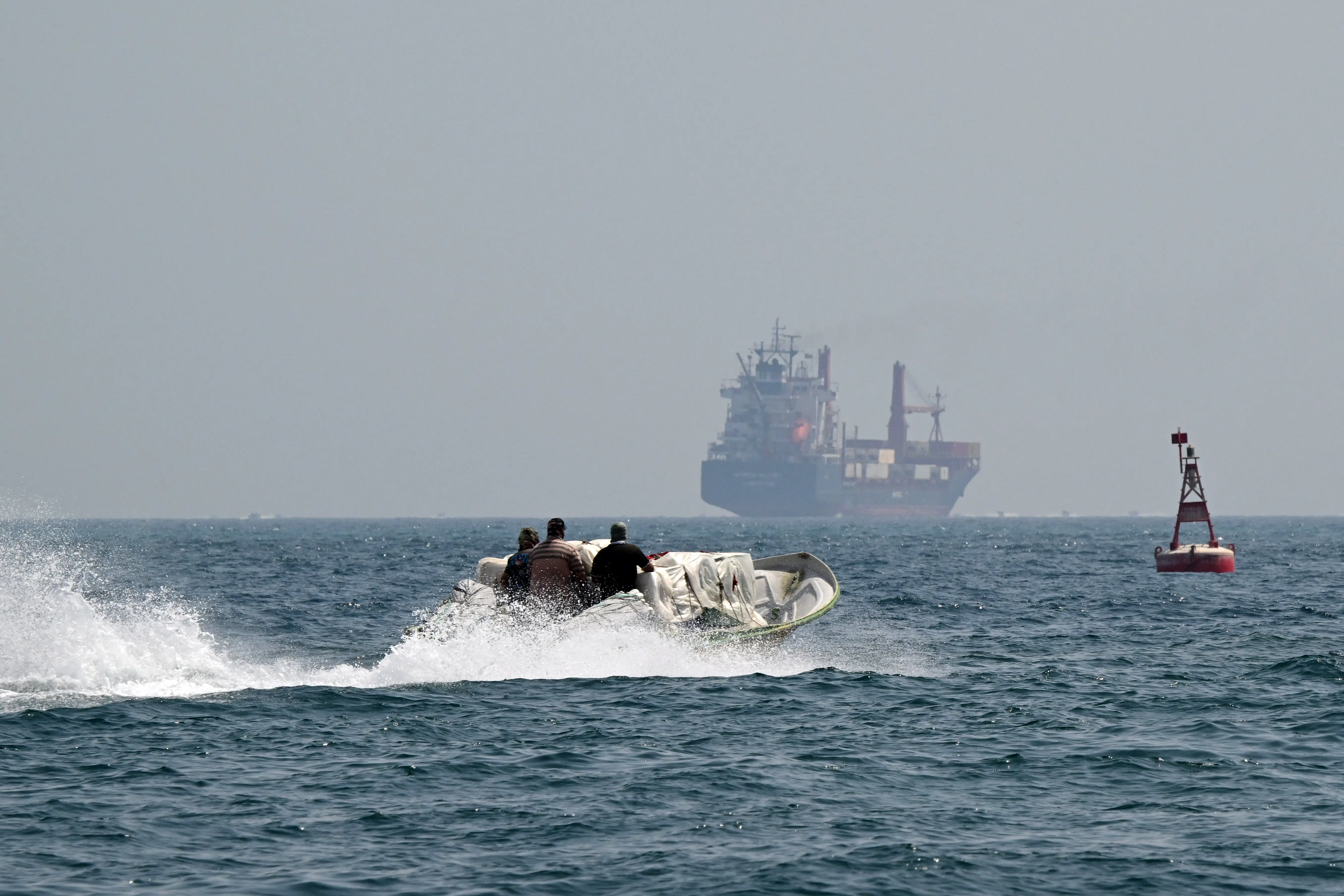
A crucial factor is the Strait of Hormuz, a narrow chokepoint through which about 20 per cent of the world’s oil supply transits daily. Iran has periodically threatened to close or disrupt the strait, including in response to US strikes on its nuclear infrastructure in 2025, a move that would significantly impact global energy markets and oil prices. A robust US military posture and potential strikes are partly aimed at deterring Tehran from acting on such threats, thereby ensuring the free flow of oil through Hormuz.
)
)
)
)
)