What if a fighter jet gets caught in volcanic ash?

Volcanic ash can be deadly for even the most advanced fighter jets. from melting engines to near-zero visibility, these tiny particles pose risks. Here’s why volcanic ash remains one of aviation’s most dangerous threats.
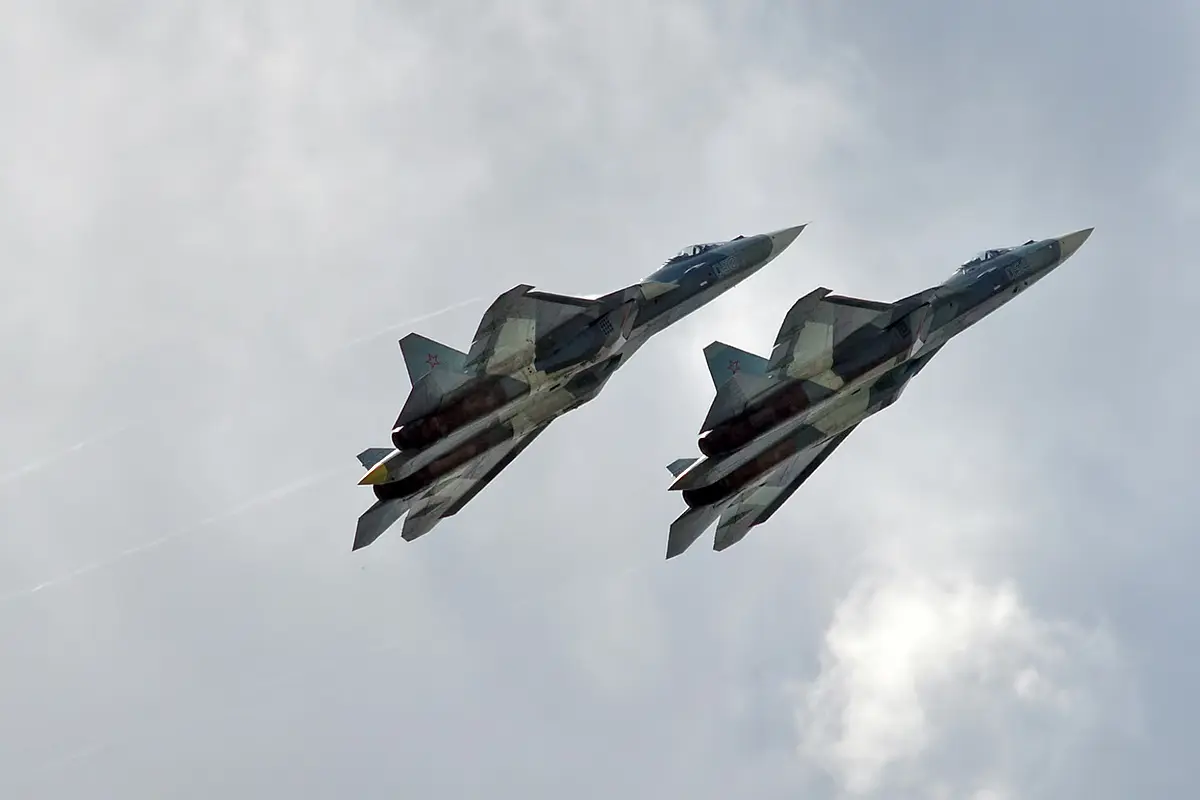
Fighter jet flies through volcanic ash
If a fighter jet flies through volcanic ash, the results can be catastrophic. Volcanic ash contains tiny glass particles that can melt inside jet engines, causing immediate and severe engine damage.
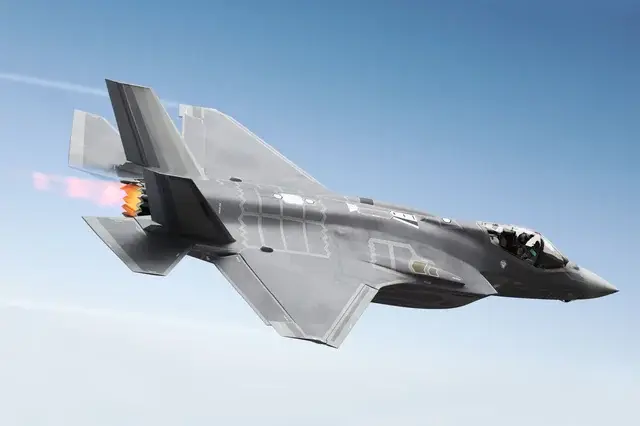
Volcanic ash
The ash particles are incredibly abrasive. They can sandblast the aircraft's surfaces, damage windows, and clog air filters. Even brief exposure can cause significant damage to sensitive equipment.
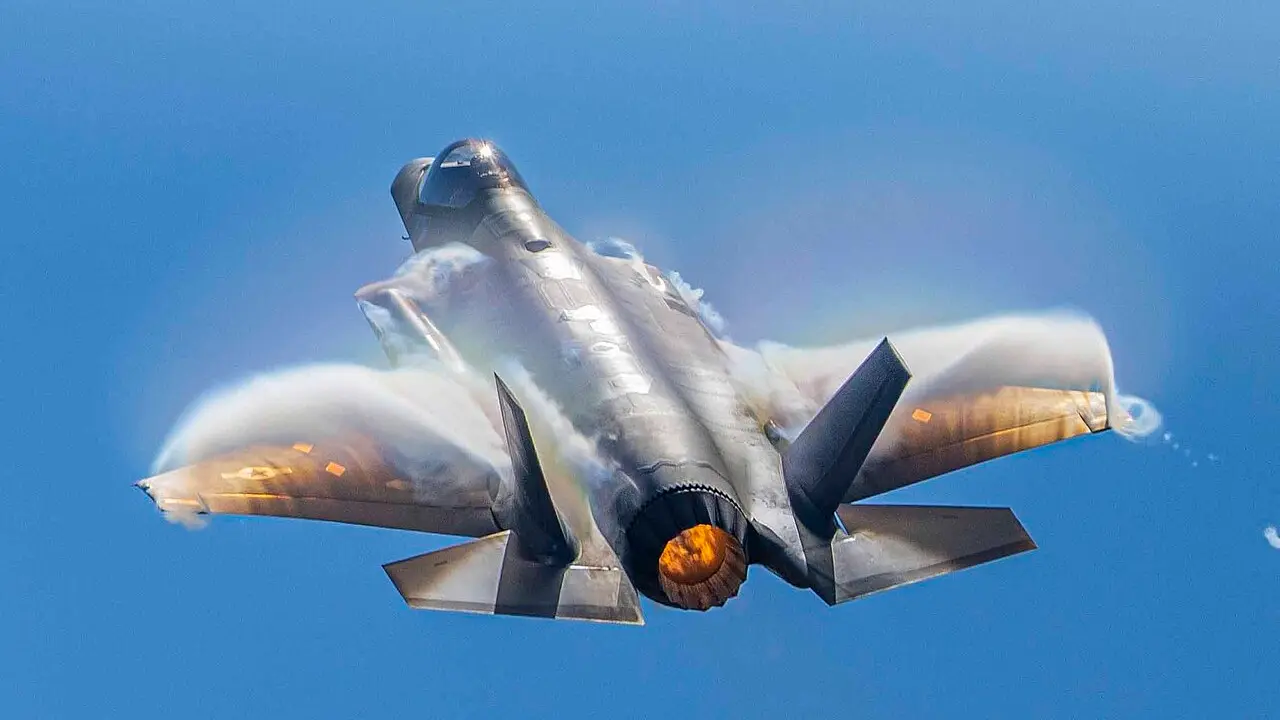
Engine failure is the biggest risk
Engine failure is the biggest risk. When ash enters jet engines, it melts due to the high temperatures and then solidifies on cooler parts. This can block fuel nozzles, damage turbine blades, and cause complete engine shutdown.
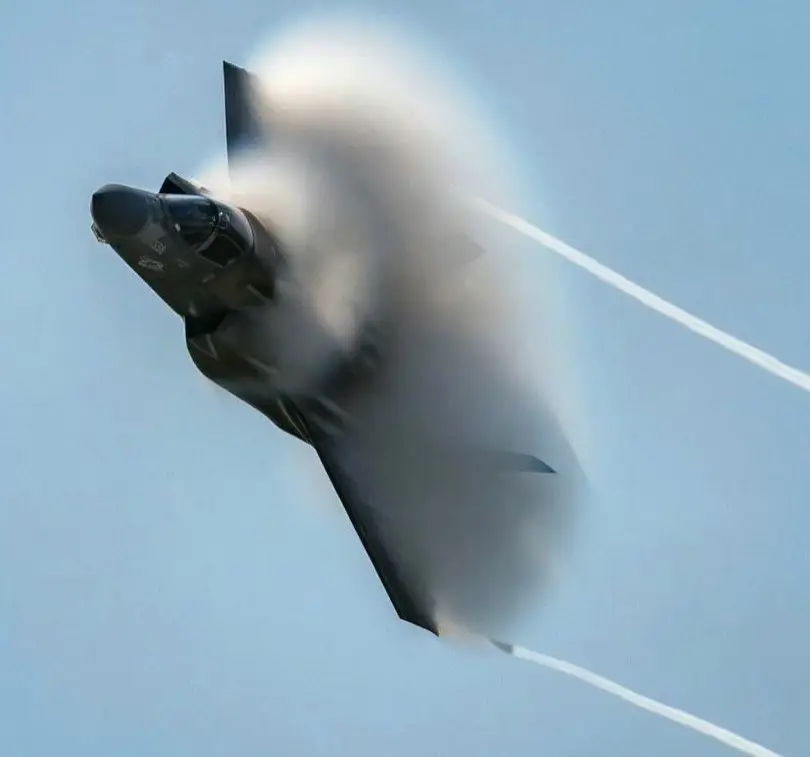
Visibility becomes nearly zero in thick ash clouds
Visibility becomes nearly zero in thick ash clouds. Pilots can't see other aircraft, terrain, or navigation aids. This makes flying extremely dangerous and increases the risk of mid-air collisions.
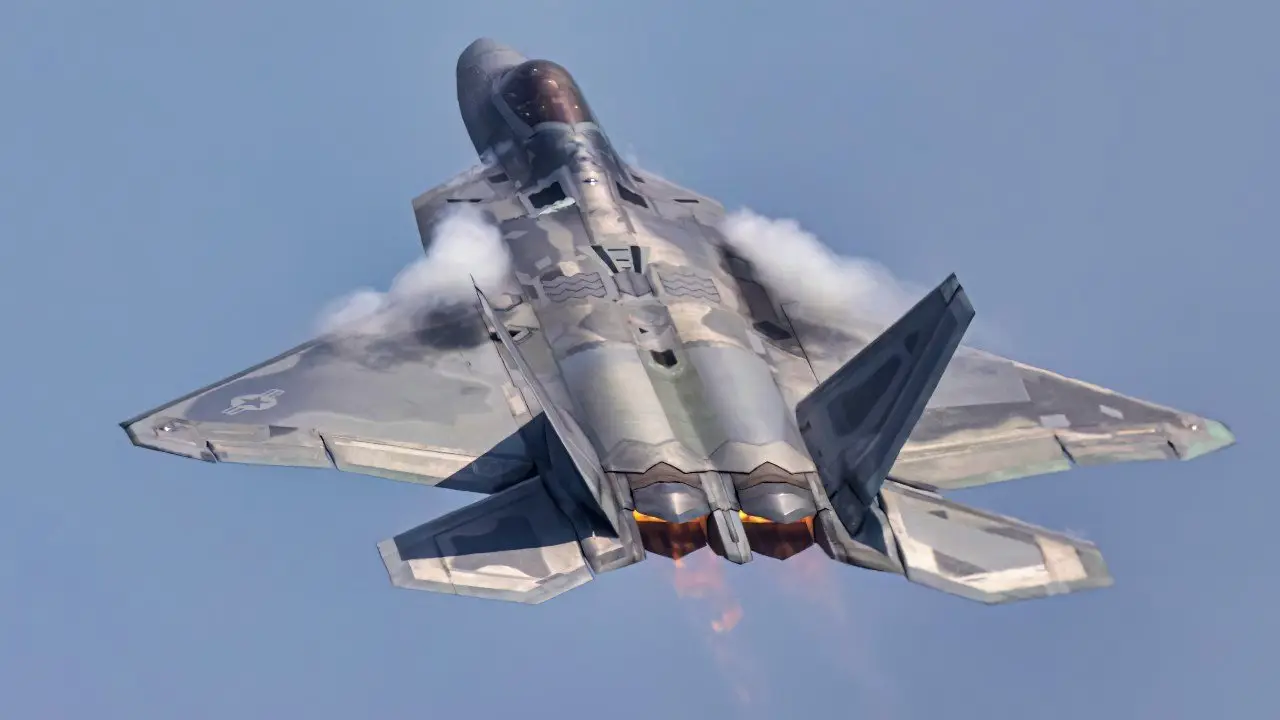
British Airways 747 lost all four engines after flying through an ash cloud
Some commercial aircraft have been severely damaged by volcanic ash encounters. In 1982, a British Airways 747 lost all four engines after flying through an ash cloud. The incident led to improved ash detection and avoidance procedures.
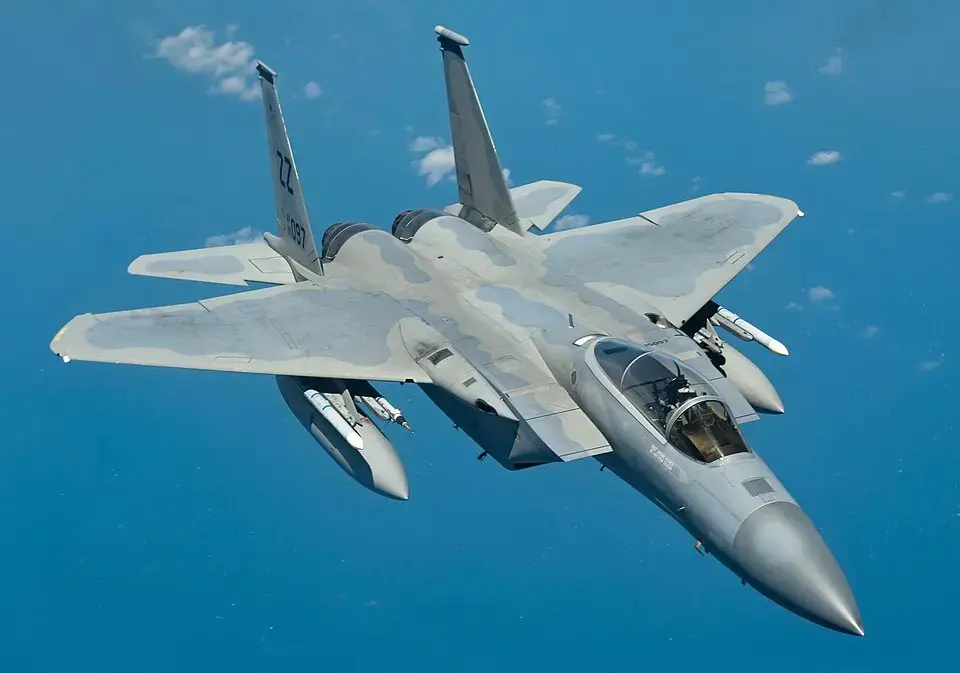
Military aircraft have some advantages over commercial planes
Military aircraft have some advantages over commercial planes. They can fly at higher altitudes to avoid ash clouds, and some have more robust engines. However, they're still vulnerable to ash damage.
Volcanic ash remains a serious threat
So while fighter jets might seem more capable than commercial aircraft, volcanic ash remains a serious threat. The best defence is avoidance - staying well clear of any volcanic activity or ash clouds.
)
)
)
)
)