What happens if a fighter jet flies near space? Five deadly risks pilots can face

Flying near 60,000 ft of above in fighter jets brings deadly risks from hypoxia and pressure loss to frozen cockpits and engine burn. It require elite gear, training, and special pressure suits to save pilots in the sky’s most extreme zones. here’s what pilots will face up there.
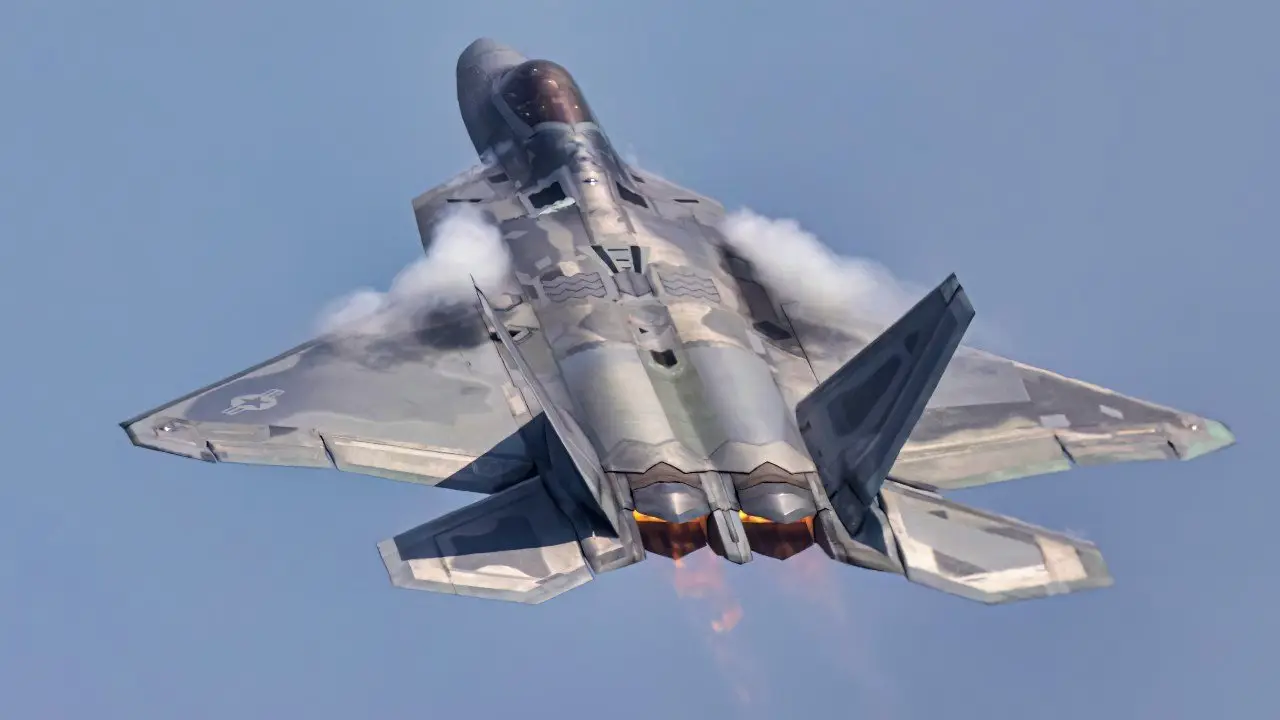
60,000 feet Altitude
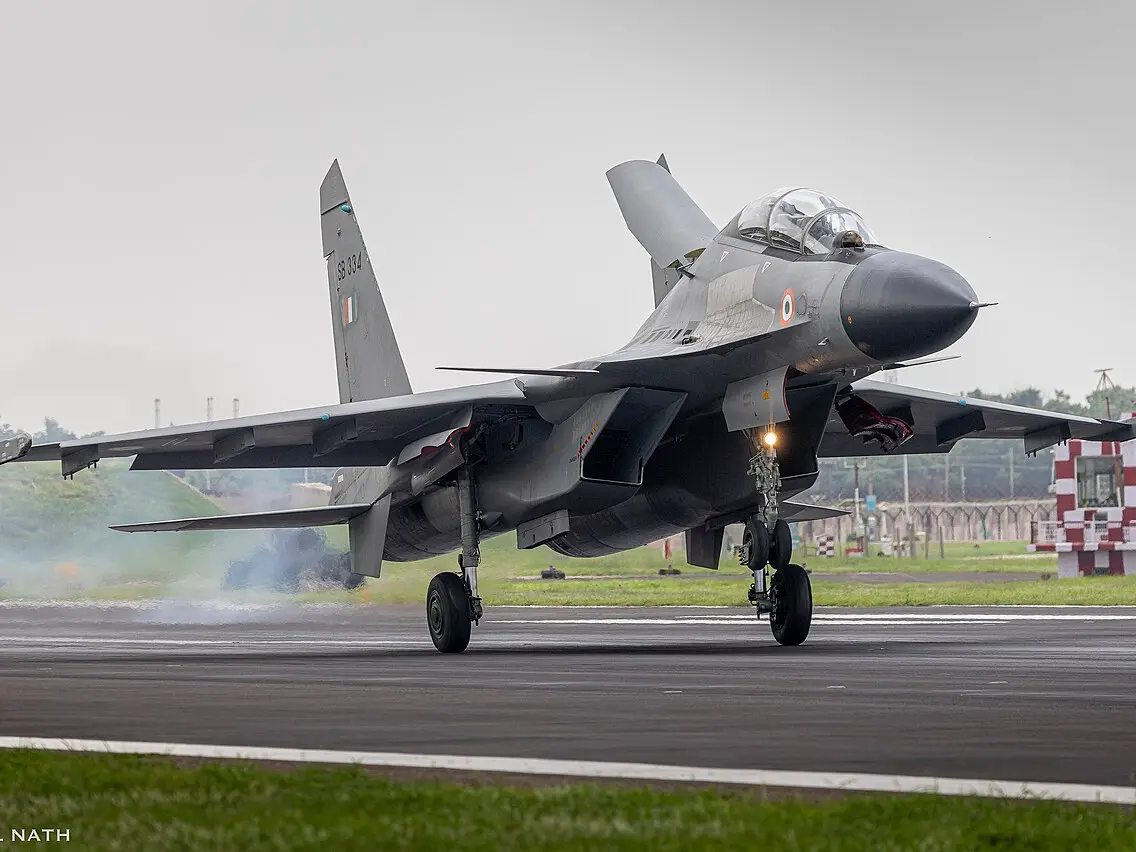
Advance fighter jets like the F-22 can reach height about 60,000 feet. But flying a fighter jet high brings deadly risks. From failing engines to frozen cockpits, pilots face many different types of dangers that test human limits. Here are five chilling threats when jets push the altitude barrier.
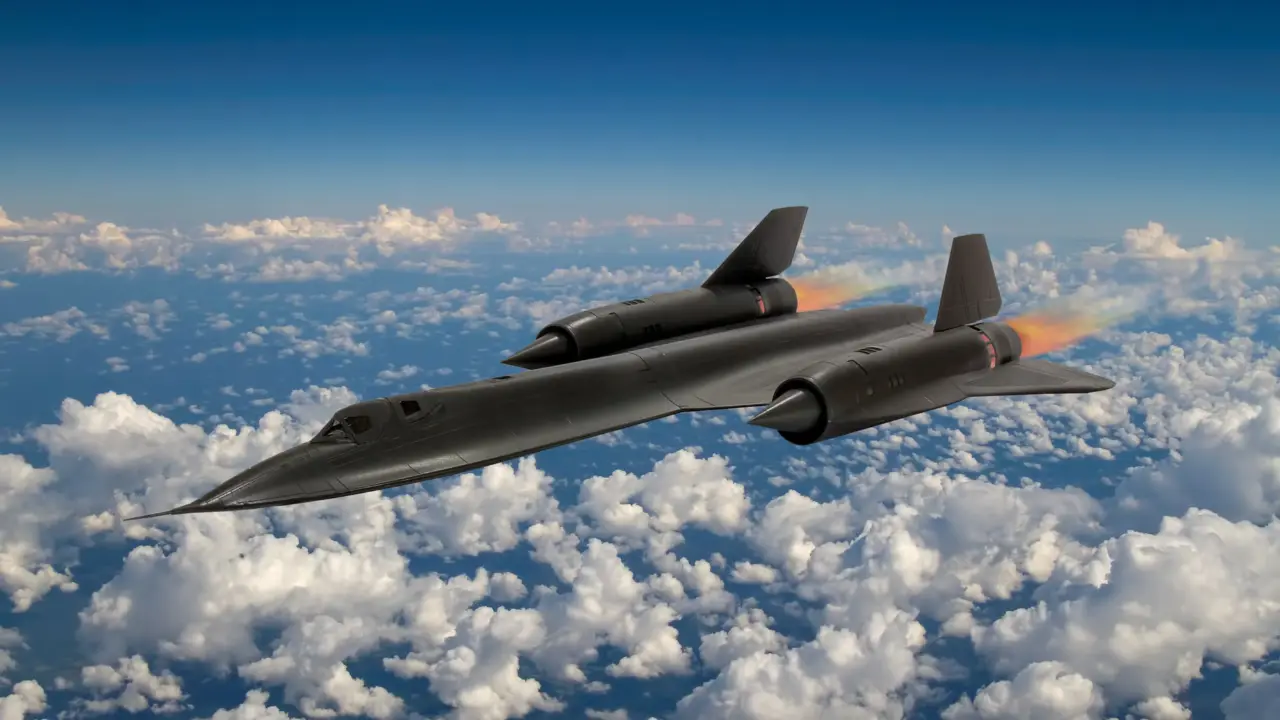
No Air to Breathe
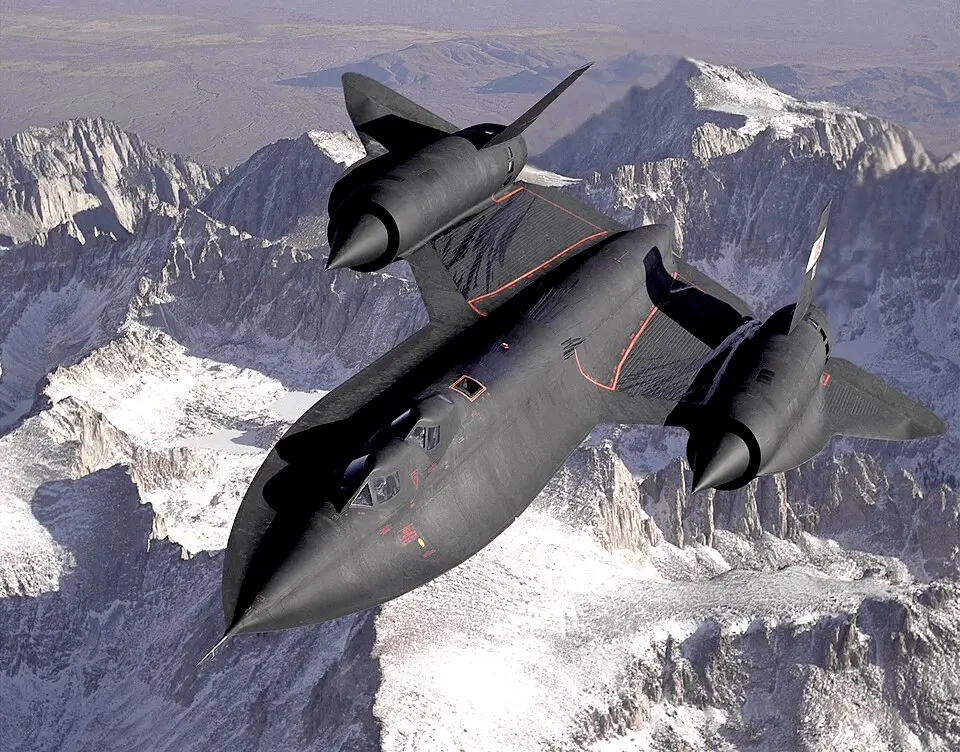
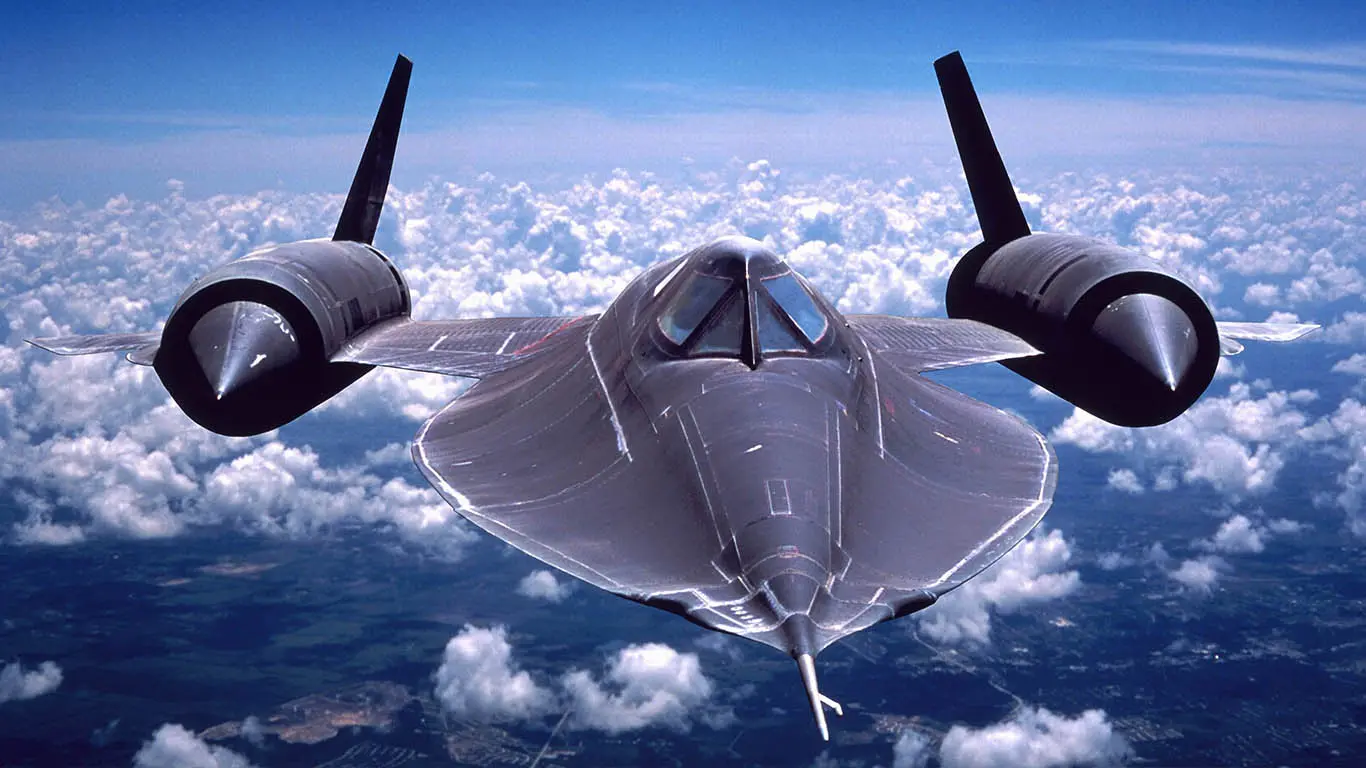
If the Jet is around 60,000 feet high, then the air is too thin for human lungs. At this hight pilots may face hypoxia, which can cause pilot blackouts. In 1966, an SR-71 Blackbird broke apart at 78,000 feet, which was very hight however its pilot survived because of fighter jet oxygen system.
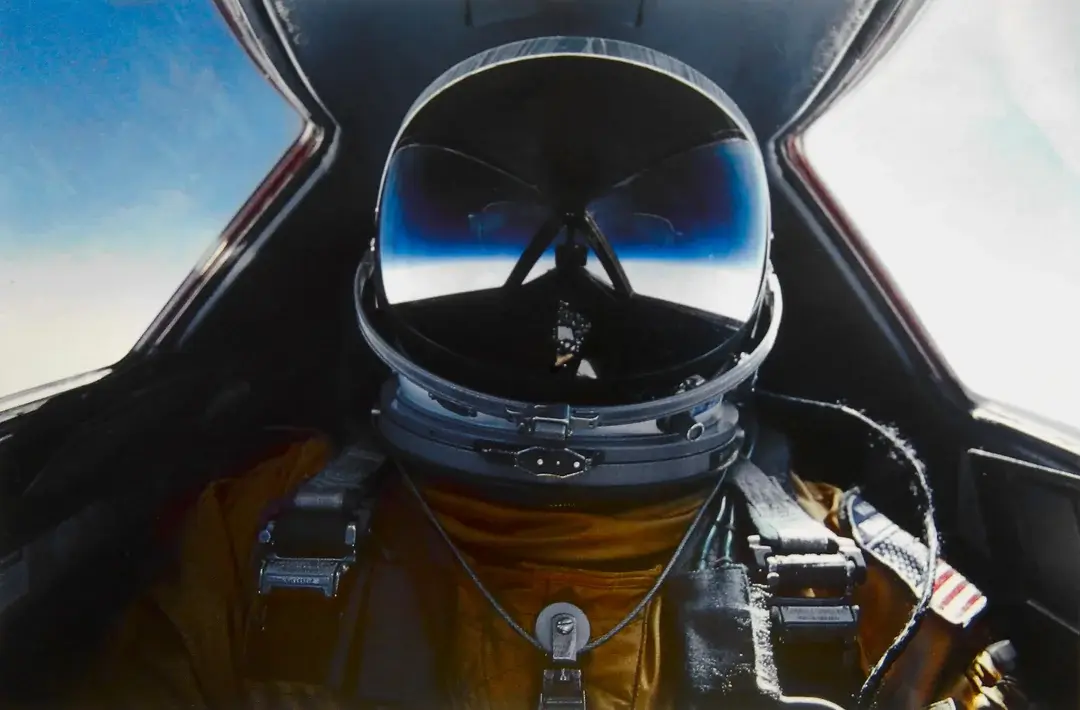
Icy Grips of Cold
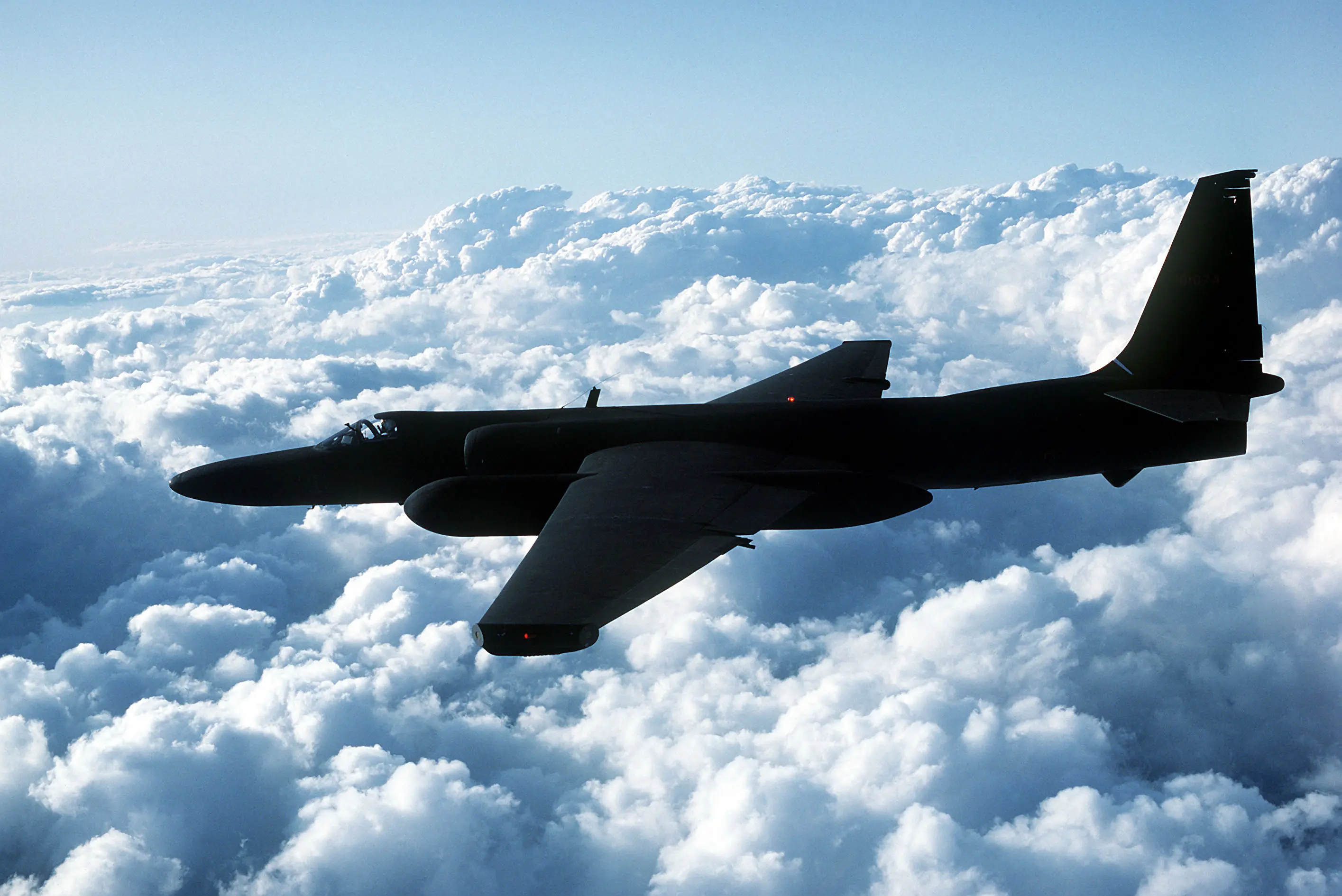
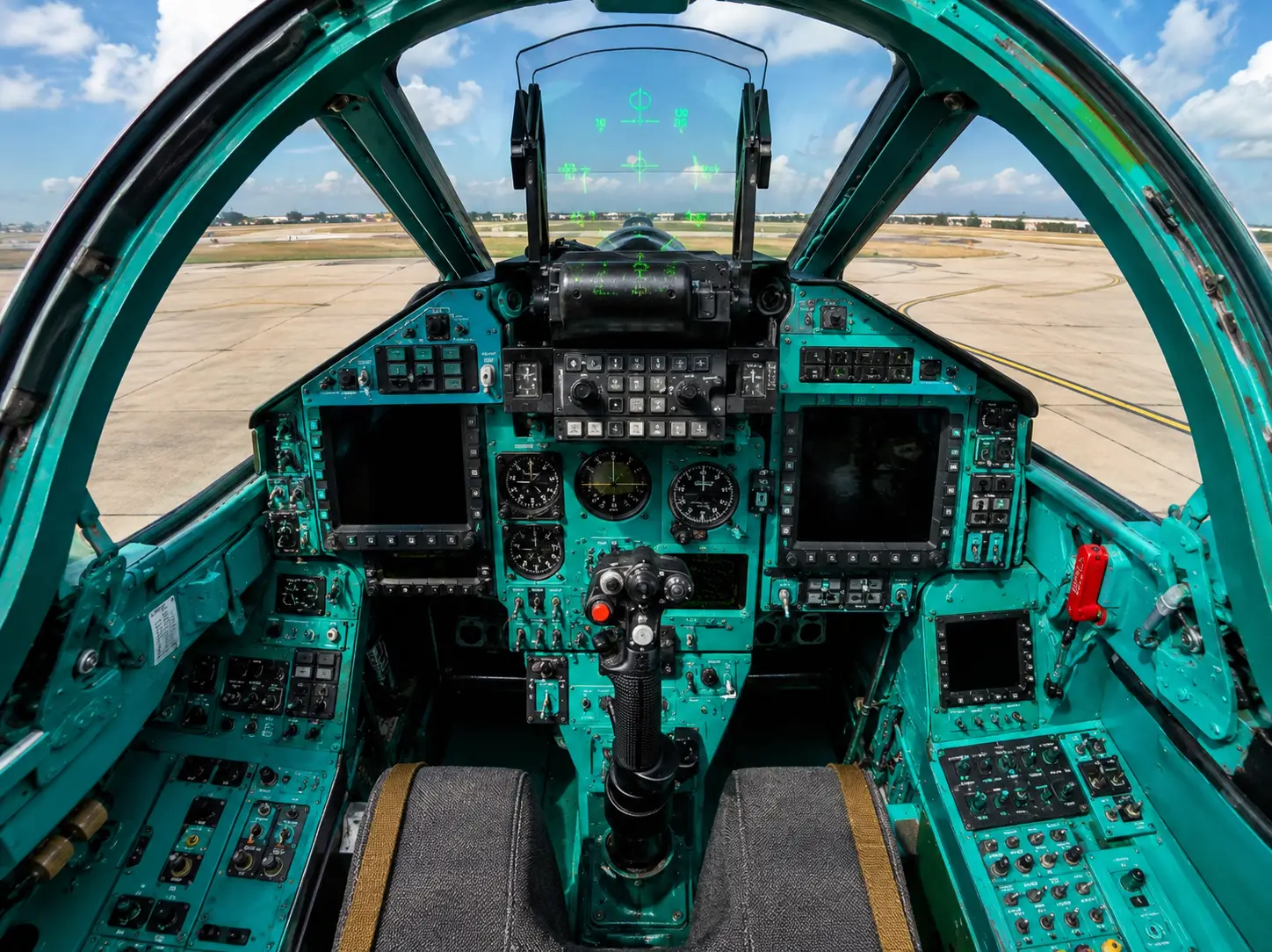
Temperatures at extreme altitudes goes below to -50°C. Cockpit heating fails, and sometimes pilots risk frostbite or hypothermia. For this kinds of situation pilot special suits, like those for SR-71, offer protection. But a damaged suit or canopy can be very dangerous, as one U-2 pilot lost life in the 1990s. because of it.
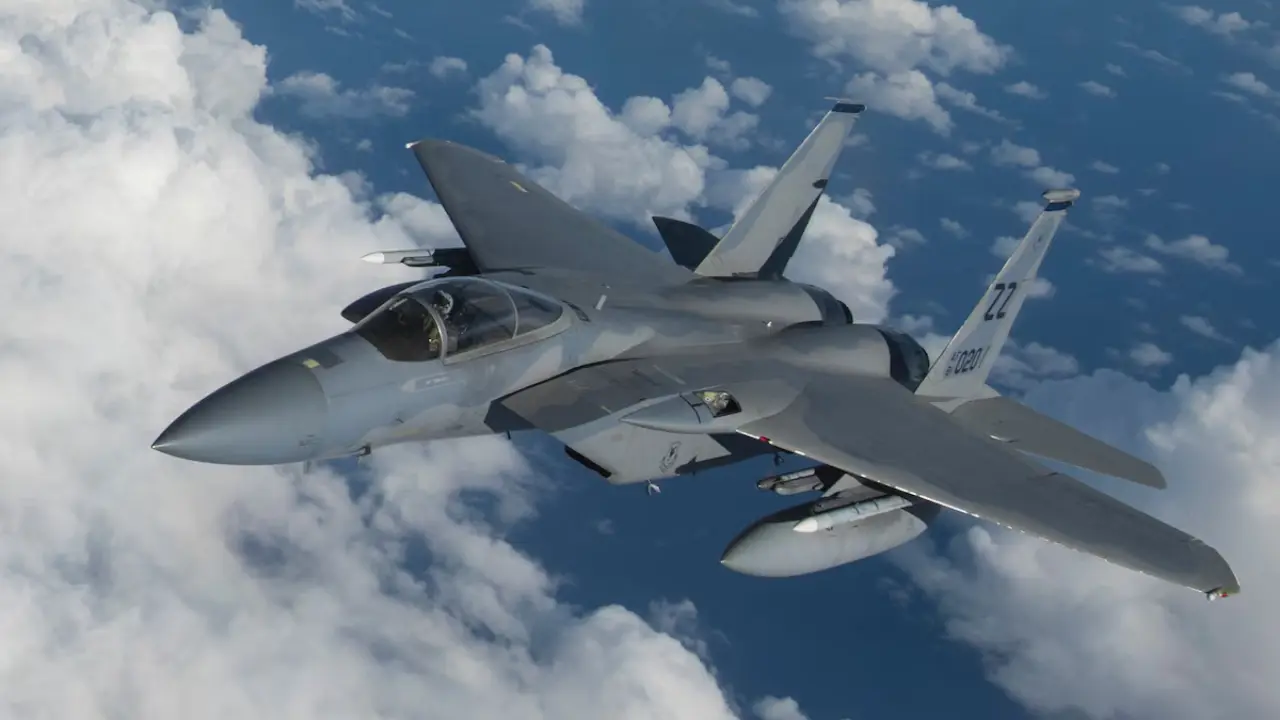
Engines That Stall
Fighter jet engines need air to work, sometimes at high altitudes, it’s scarce. This can cause flameouts which can cause the jets powerless. In 1987, an F-15 stalled during a high-altitude test, forcing a risky glide. This times the modern jets like the F-35 have backups, but the threat lingers.
Bodies Under Strain
Low pressure at 60,000 feet or higher which can cause decompression sickness, like scuba divers face. Due to which blood vessels can burst, causing agony. SR-71 pilots in 1966 survived all because of pressure suits. Without special suit the body can’t handle the rapid pressure drop, which will risking pilots life.
Lost in the Void
At extreme heights, the horizon vanishes, and pilots can lose direction. Example A U-2 pilot in the 1990s nearly crashed after disorientation at 70,000 feet. Pilot advance helmets helped.
Defying the Odds
Mostly pilots are trained to survive high-altitude dangers with ejection seats and suits. The 1966 SR-71 crash showed how advance gear can saves lives. Yet, flying too high is a battle against nature. When jets soar near space, the risks are as real as the skies are vast.
)
)
)
)
)