What future fighter jets might carry instead of missiles?

Future fighter jets may carry lasers, plasma cannons, and AI-powered swarm drones. These advanced payloads promise faster attacks, smarter defence, and a new era of air combat by 2030 and beyond.
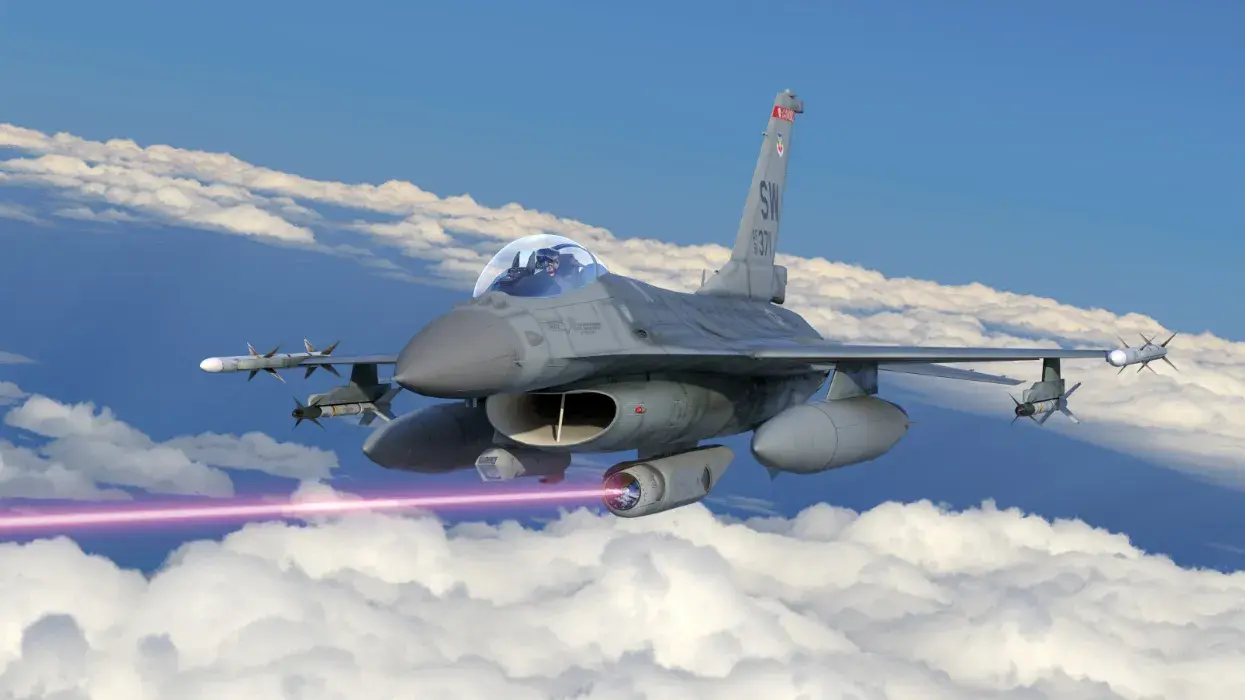
New weapons for fighter jets
As technology grows, fighter jets are expected to carry next-level weapons beyond traditional missiles and guns. Lasers, swarming drones, and plasma devices are leading the way.
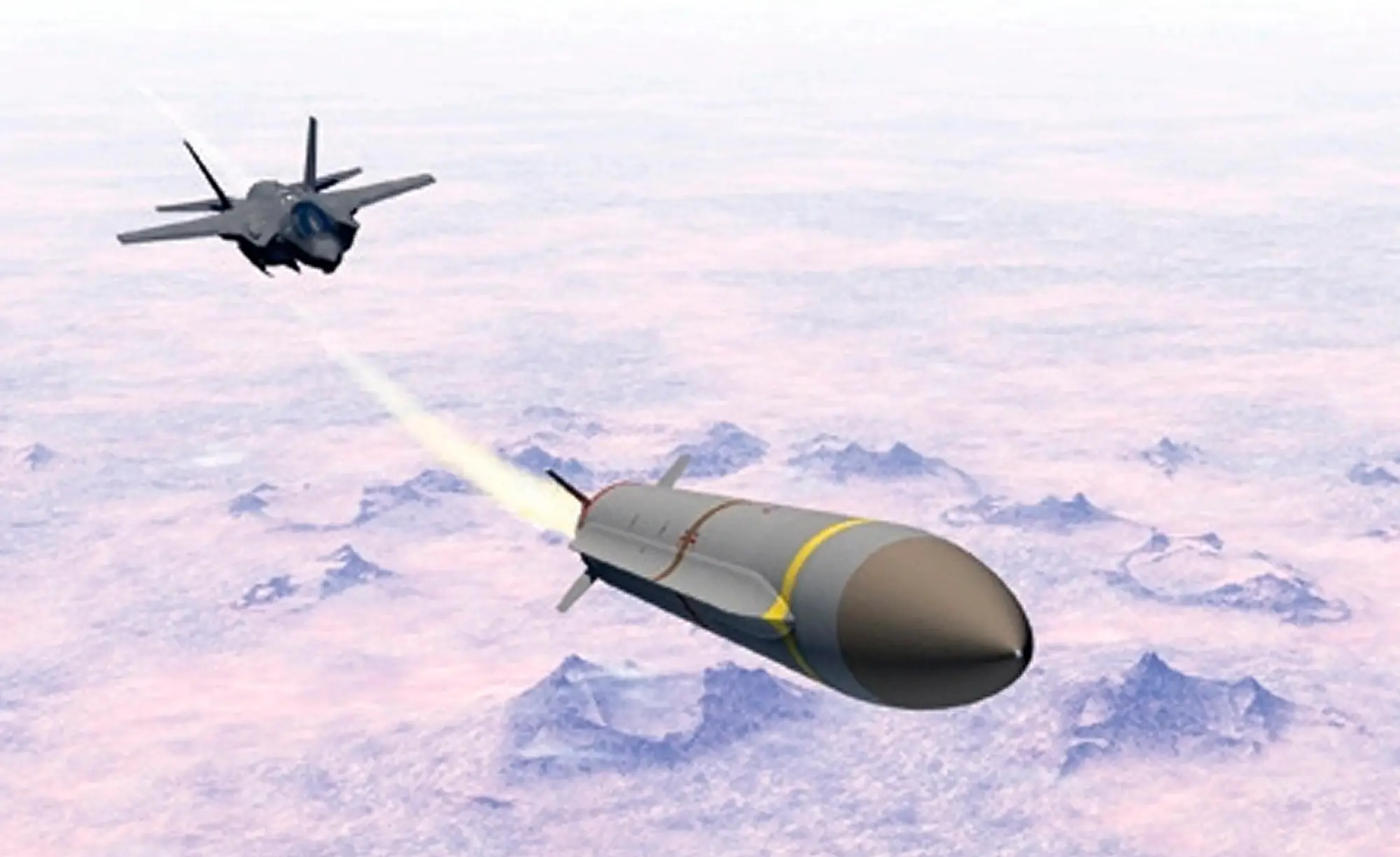
Laser weapons
Lasers can strike targets with focused energy almost instantly. The US is working on flying lasers fitted on jets to shoot down enemy missiles or aircraft, though power and size remain challenges.
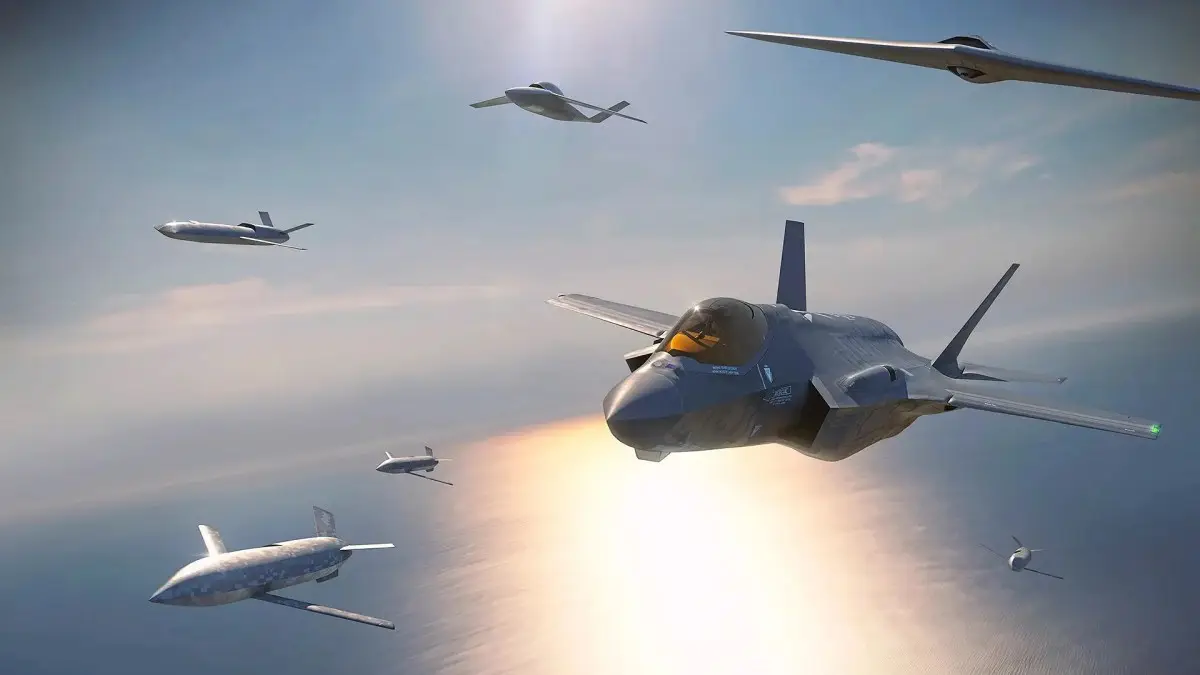
Swarm drones
Swarm drones act as groups of small unmanned aircraft controlled by AI. They can overwhelm enemy defences by sheer numbers, scout or attack, all working in sync like a hive mind.
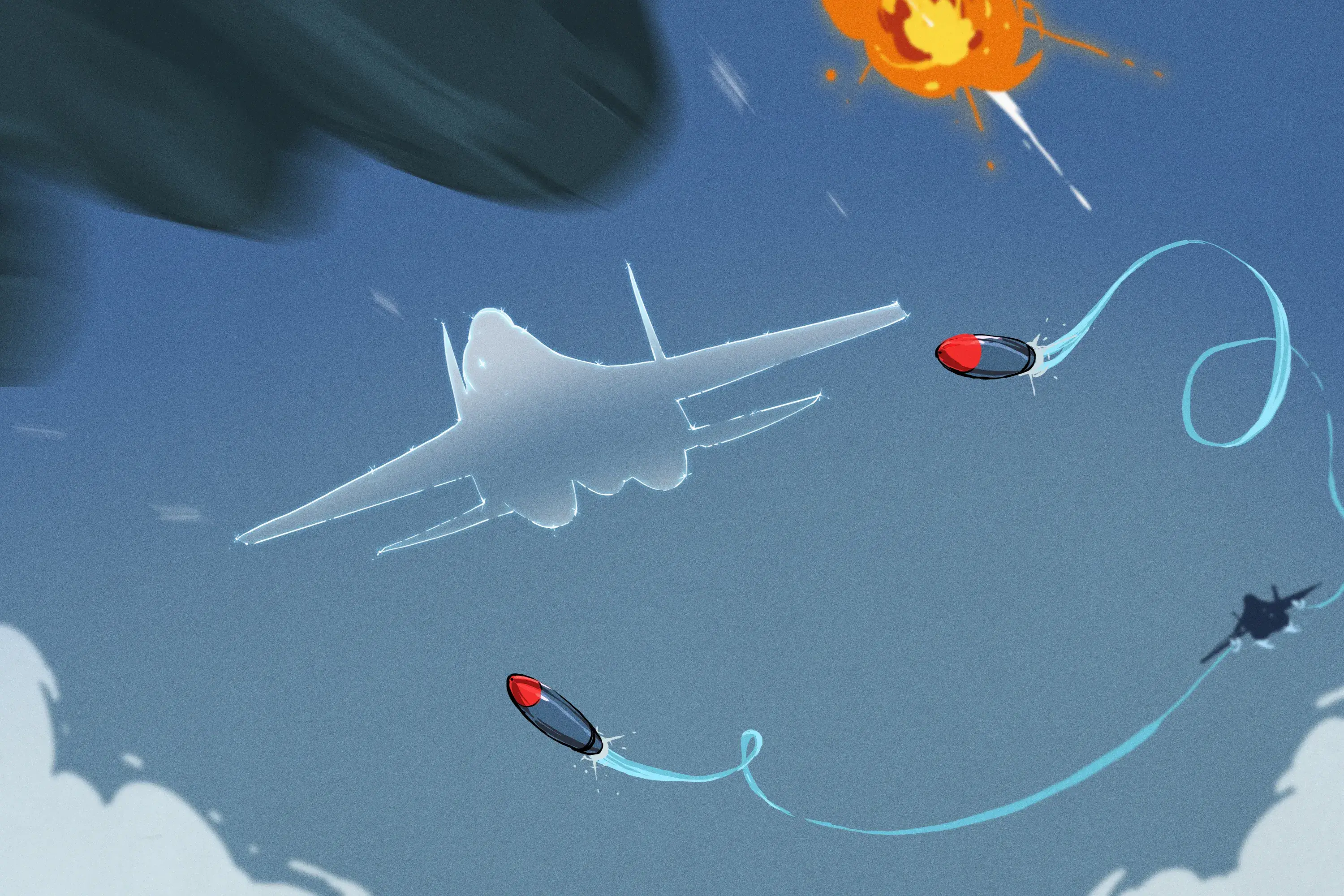
Plasma cannons
Plasma weapons use ionised gas to damage targets rapidly. Though mostly experimental now, plasma cannons could provide destructive power without traditional projectiles.
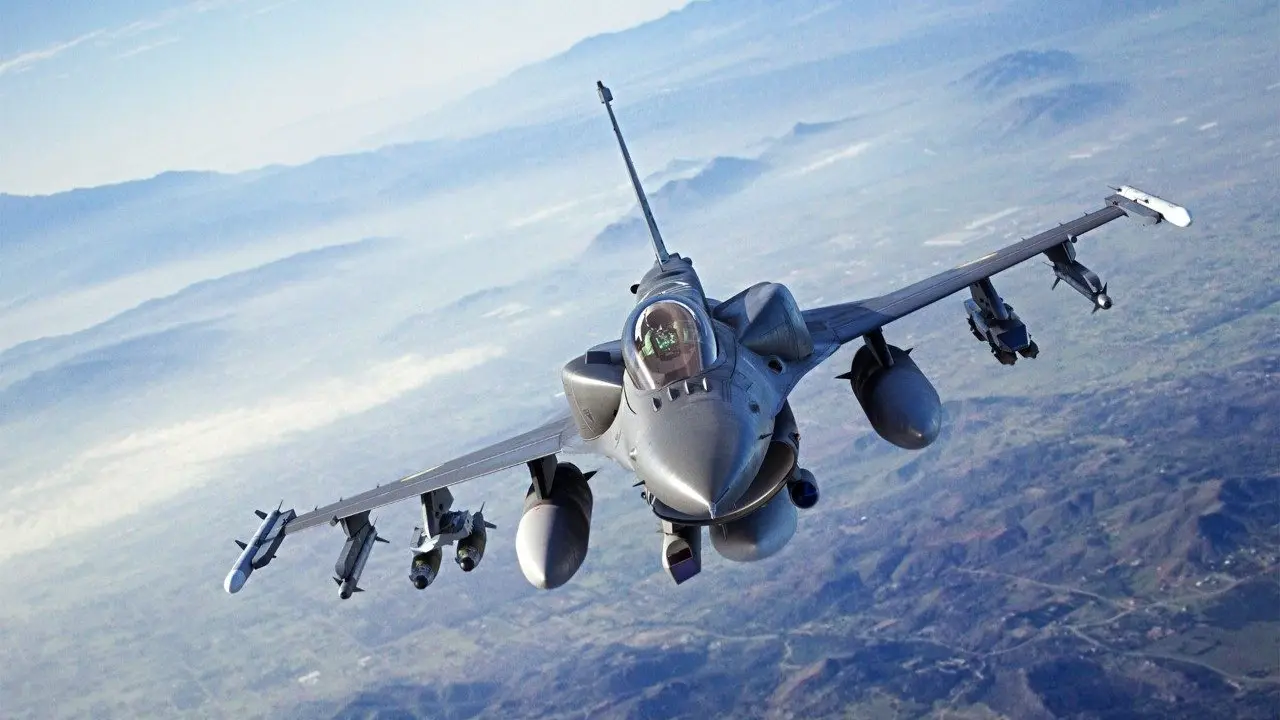
Combat advantages
These payloads give jets new ways to defend and attack. Lasers can disable missiles mid-flight, drones can flood enemy radar, and plasma weapons add unprecedented firepower.
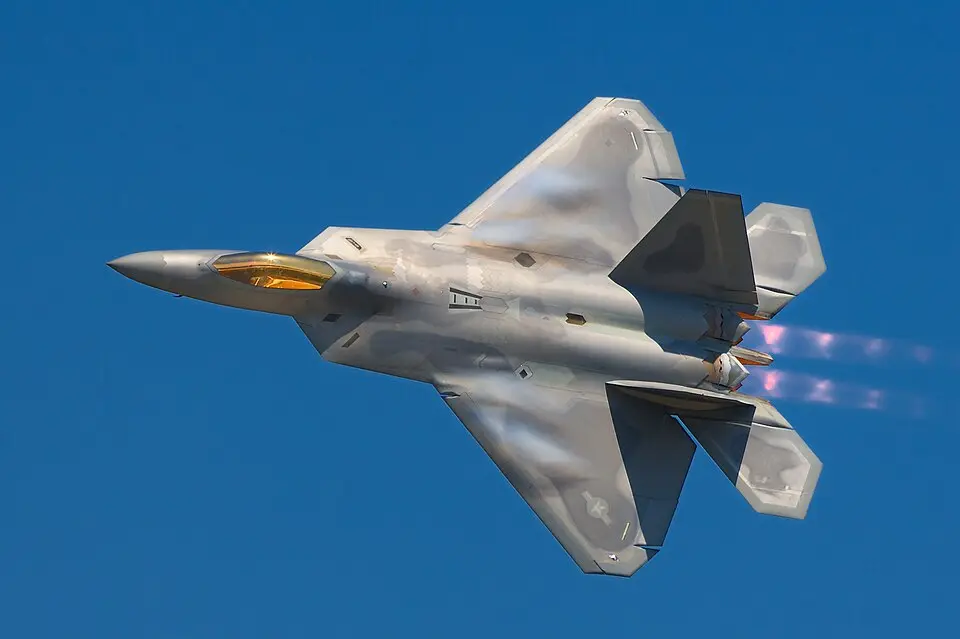
Integration with AI and networks
Future jets will connect with AI systems and digital clouds, coordinating weapons and sensors. This networked approach multiplies the effectiveness of lasers, drones, and plasma arms.
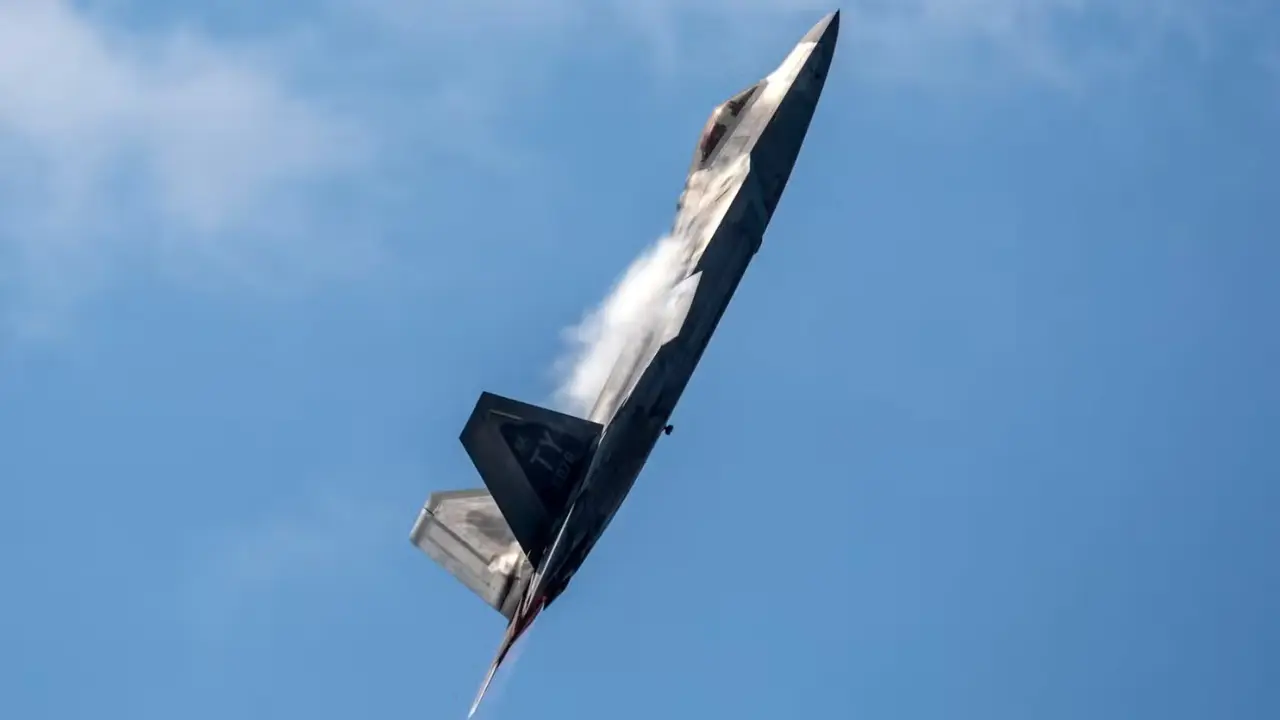
Looking ahead
By 2030 and beyond, next-generation fighter jets may routinely deploy these advanced payloads. They promise safer pilots, smarter warfare, and new rules for controlling the skies.
)
)
)
)
)