What did Voyager 2 capture in its last image before its cameras fell silent?

This historic photograph became the last visual record from Voyager 2, taken before its cameras were permanently switched off to save the probe’s dwindling power.
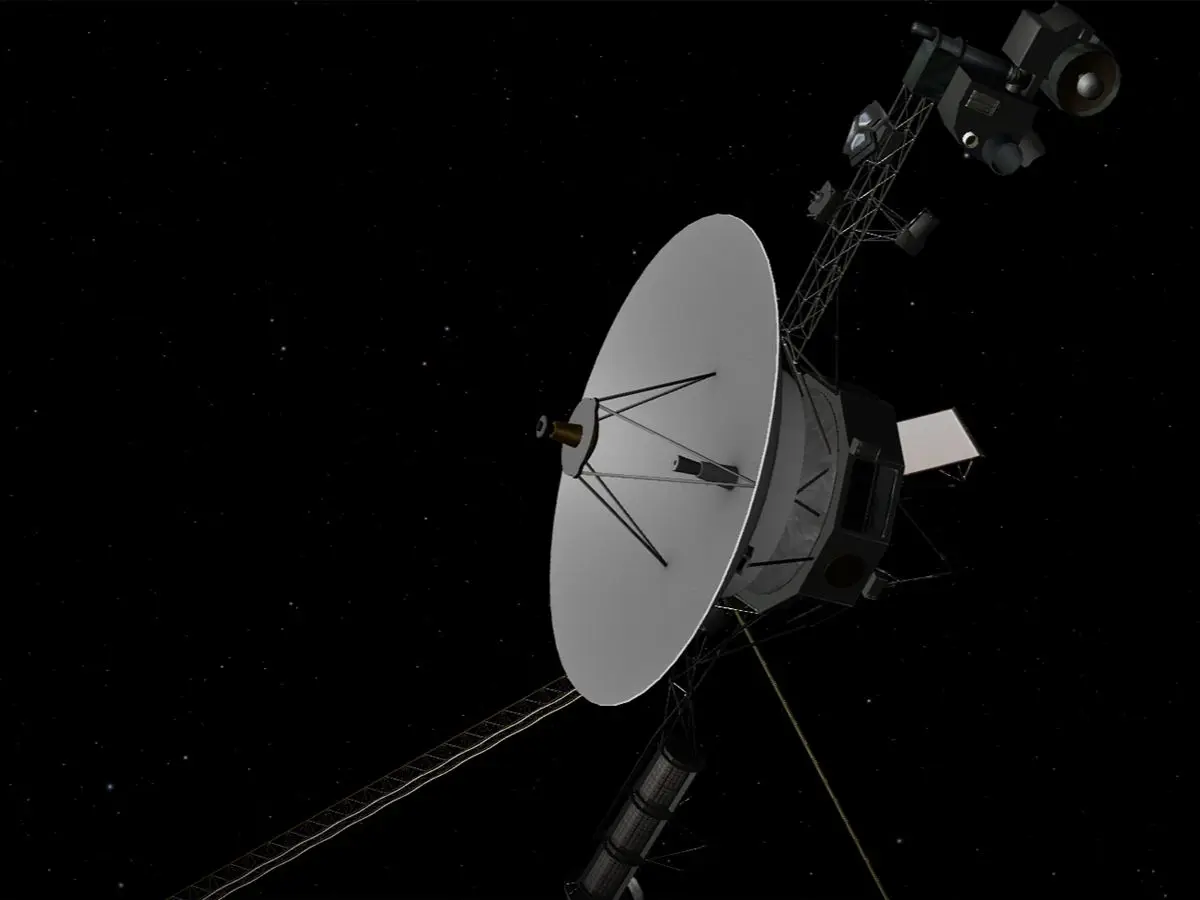
A farewell from the edge of the Solar System
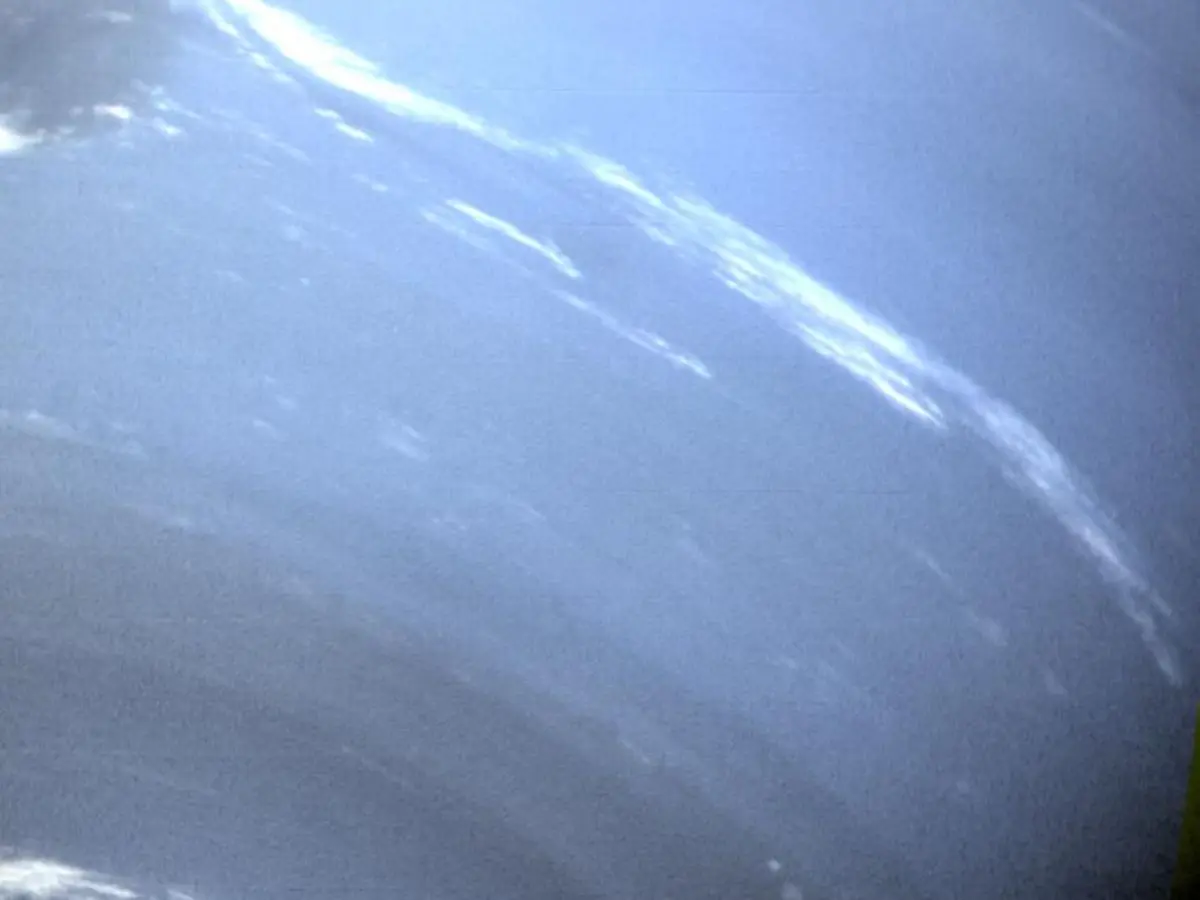
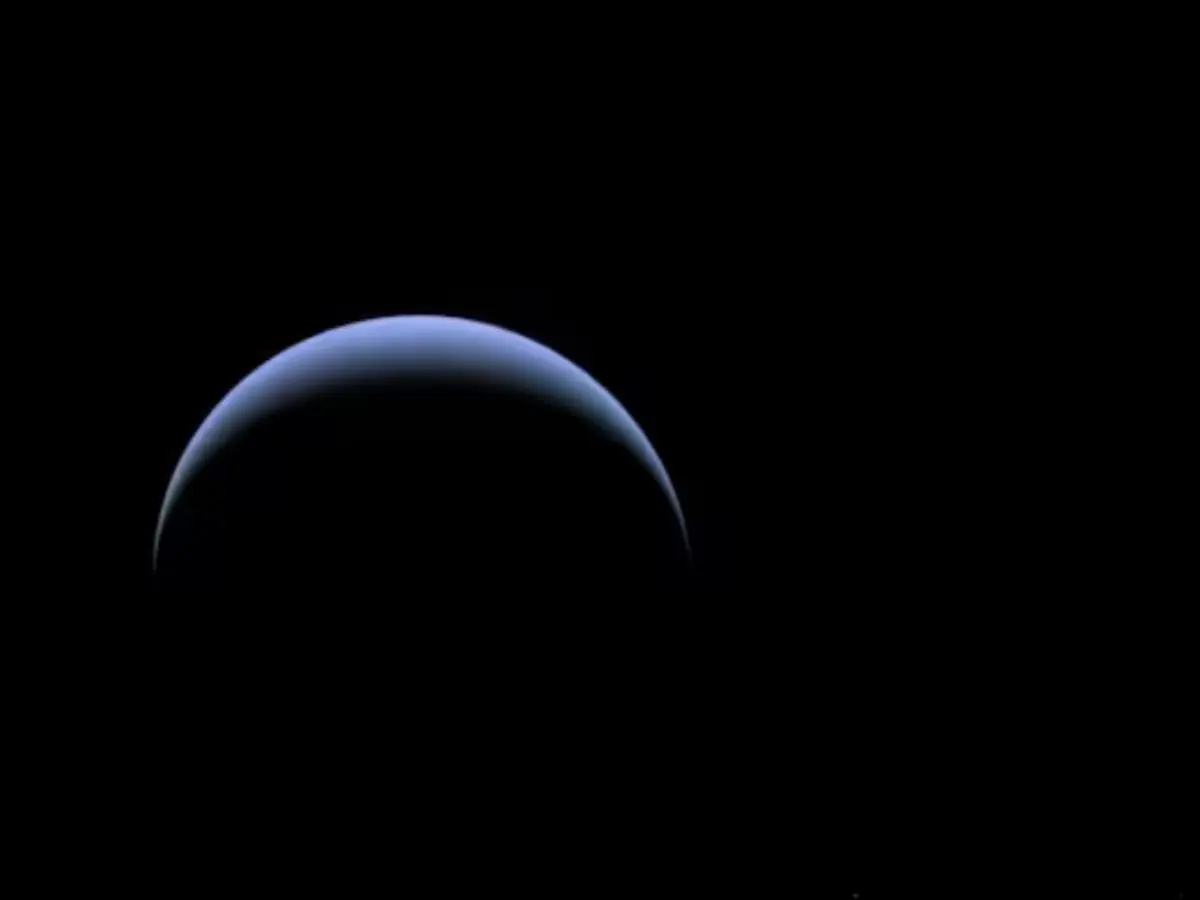
On August 28, 1989, NASA’s Voyager 2 spacecraft captured its final image, a haunting view of Neptune and its moon Triton from a staggering distance of more than 4.7 billion kilometres from Earth. The picture, showing Neptune on the left and Triton to the right, was the spacecraft’s last optical record before its cameras were permanently switched off to conserve dwindling power. It was a symbolic moment: the end of Voyager 2’s planetary encounters and the beginning of its long journey into interstellar space.
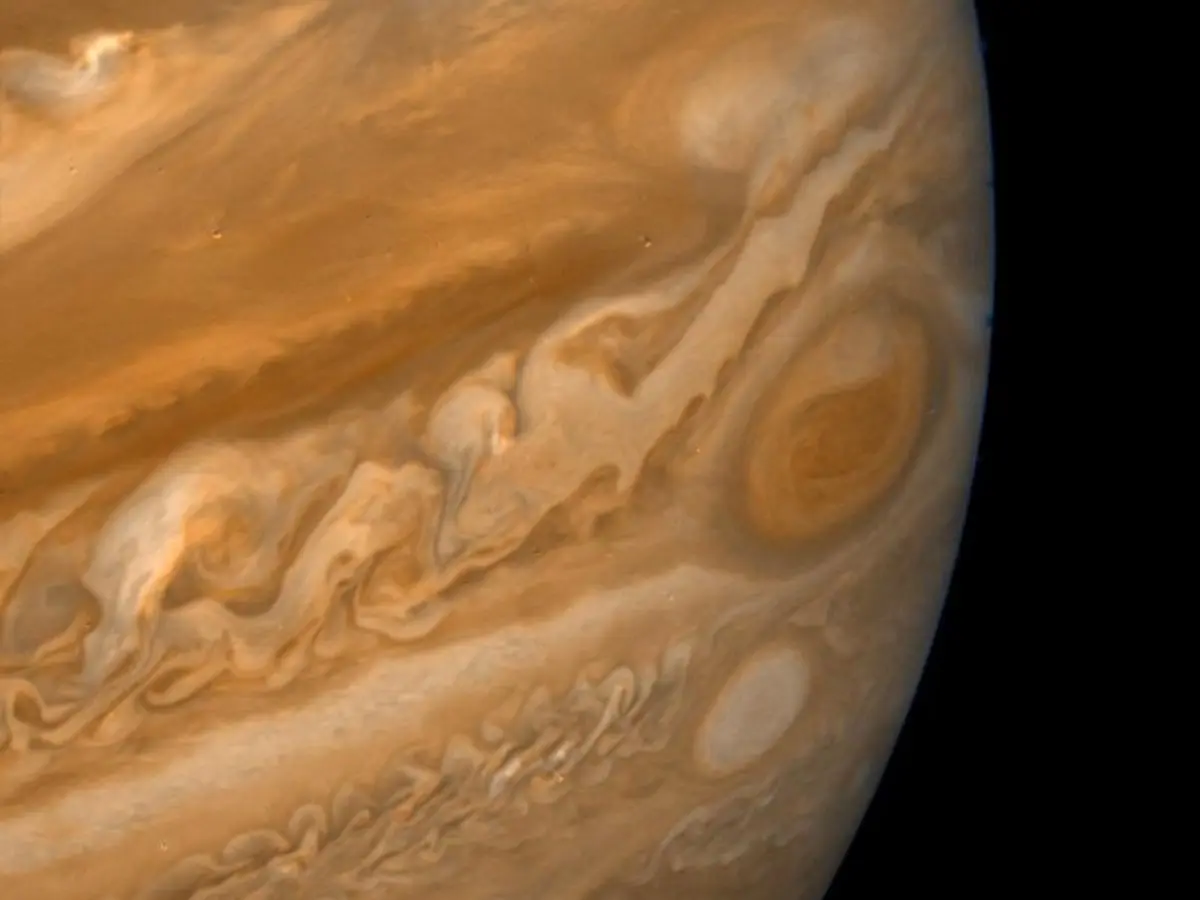
Voyager 2: a mission unlike any other
Launched in 1977, Voyager 2 was the only spacecraft to complete a 'grand tour' of all four outer planets, Jupiter, Saturn, Uranus, and Neptune. Each flyby delivered unprecedented close-up images and scientific data, reshaping our understanding of the Solar System. From Jupiter’s Great Red Spot to Saturn’s rings, Uranus’s tilted axis and Neptune’s supersonic winds, the probe revealed a wealth of discoveries. Its twin, Voyager 1, followed a different path, visiting only Jupiter and Saturn before heading outwards.
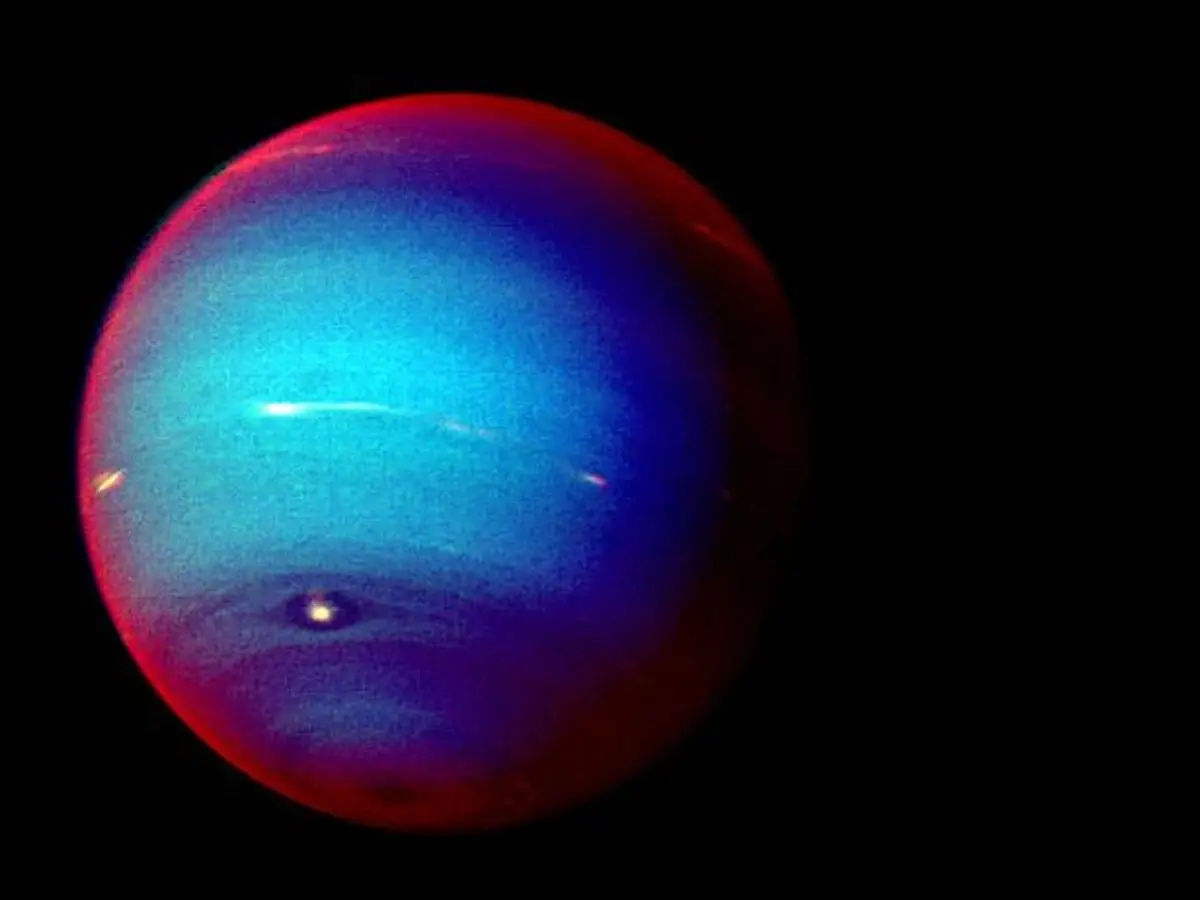
The final portrait: Neptune and Triton
Voyager 2’s last image focused on Neptune and its enigmatic moon, Triton. At the time of capture, the sunlit sides of both bodies faced away from the spacecraft, lending the scene an eerie quality as the probe moved into the darkness beyond Neptune’s orbit. For scientists, the moment was significant: it marked not only the end of close-up planetary exploration by Voyager 2 but also the beginning of a new phase of study, as the spacecraft shifted its instruments to measure the charged particles, magnetic fields, and plasma at the edge of the Solar System.
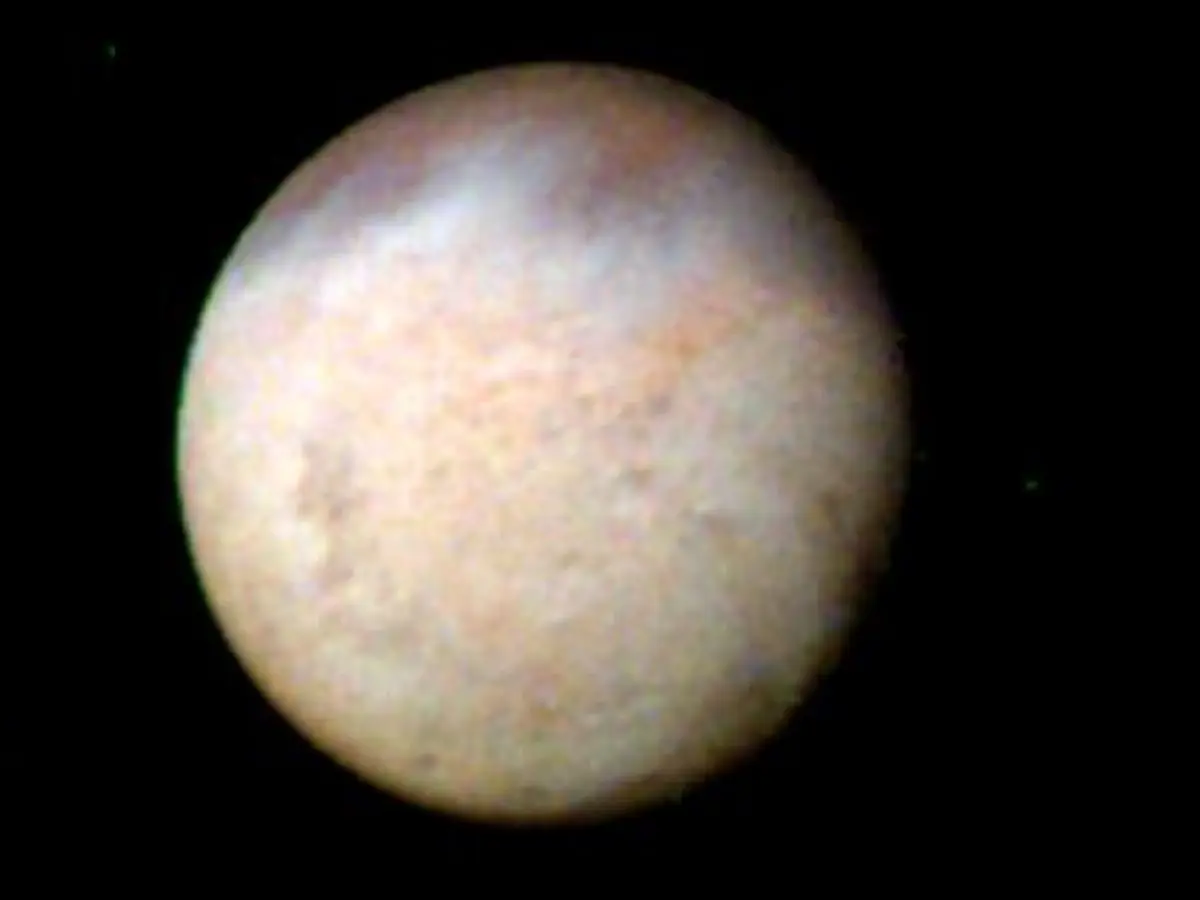
Triton: a moon of mysteries
Among Voyager 2’s many findings, Triton stood out. Unlike most moons, Triton orbits Neptune in the opposite direction to the planet’s rotation, suggesting it was once a captured object from the Kuiper Belt. Voyager 2’s images revealed geysers of nitrogen erupting from its icy surface, evidence of active geology on a frozen world. These discoveries changed scientific perspectives on moons as dynamic and diverse bodies, not just passive companions to their planets.
From imaging to interstellar science
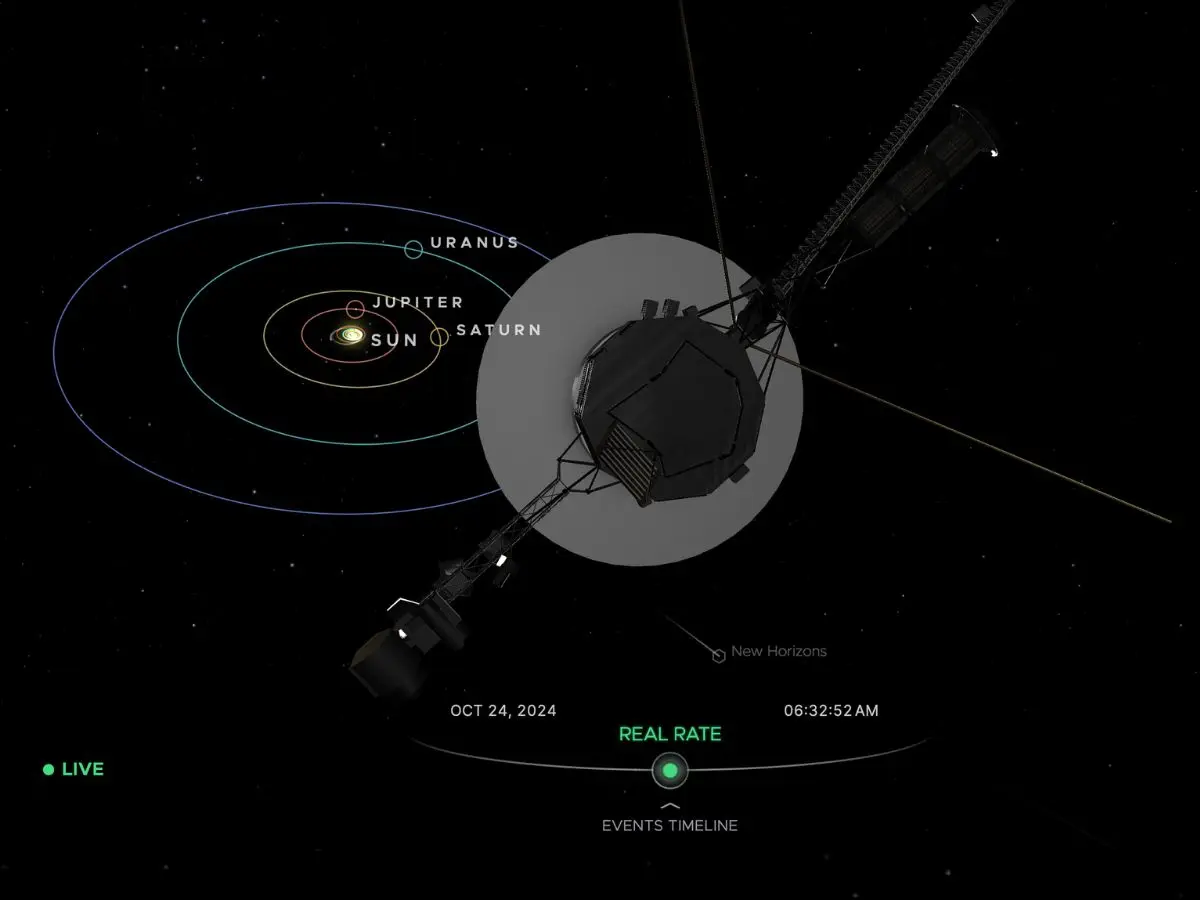
After shutting down its cameras, Voyager 2 reconfigured its mission to focus on interstellar exploration. Without the energy demands of optical imaging, the spacecraft has continued sending back invaluable data about the heliosphere, the vast bubble of particles and magnetic fields generated by the Sun. In 2018, it crossed into interstellar space, joining Voyager 1 in becoming humanity’s most distant emissaries. Both probes continue to operate, though engineers anticipate that by the end of this decade their power reserves will finally be exhausted.
The first image to the last
The spacecraft’s final Neptune portrait also serves as a bookend to its journey. Its very first images, taken of Jupiter in 1979, stunned the world with unprecedented clarity of the gas giant’s storms and moons. Ten years later, its last camera shot, of Neptune and Triton, closed the curtain on an era of discovery. The contrast between those two moments highlights the sheer scale of Voyager 2’s achievement, spanning billions of kilometres and decades of exploration.
The enduring legacy of Voyager
As Voyager 2 and its sibling Voyager 1 drift ever farther from Earth, their legacy endures. They carried with them the Golden Record, a message for any potential extraterrestrial intelligence, and they transformed planetary science forever. The Neptune image from 1989 remains not just a snapshot of a distant world but a milestone marking humanity’s transition from exploring the Solar System to venturing into the galaxy.
)
)
)
)
)