What are gold and silver ETFs? The record inflows and facts driving the global rush

Unlike physical jewellery or coins, these funds track the price of the underlying metal, thus offering a blend of market accessibility and metal performance.
A New Way to Own Precious Metals
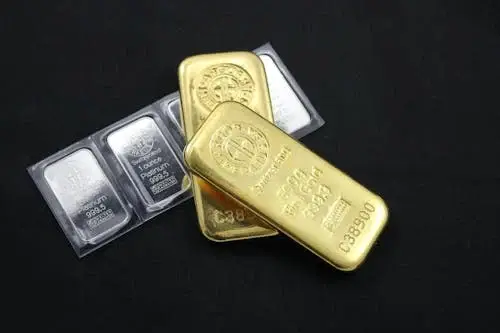
Gold and Silver Exchange-Traded Funds (ETFs) offer a contemporary approach to gold investment for investors seeking exposure to precious metals without actually holding physical bullion. Unlike physical jewellery or coins, these funds track the price of the underlying metal, thus offering a blend of market accessibility and metal performance. The units of these ETFs are traded on stock exchanges and can be bought and sold like any other stock.
How ETFs Work on the Exchange
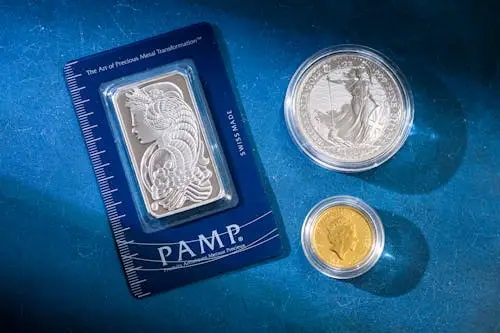
A gold or silver ETF functions much like a stock. Investors buy and sell units on an exchange through their trading and demat accounts. According to the National Institute of Securities Markets, investing in Gold ETFs and Silver ETFs is relatively easy and requires minimal investment knowledge. This mechanism makes transactions quick and reduces the practical issues associated with physical metal, such as storage, insurance, and purity verification.
Benefits Over Physical Holdings
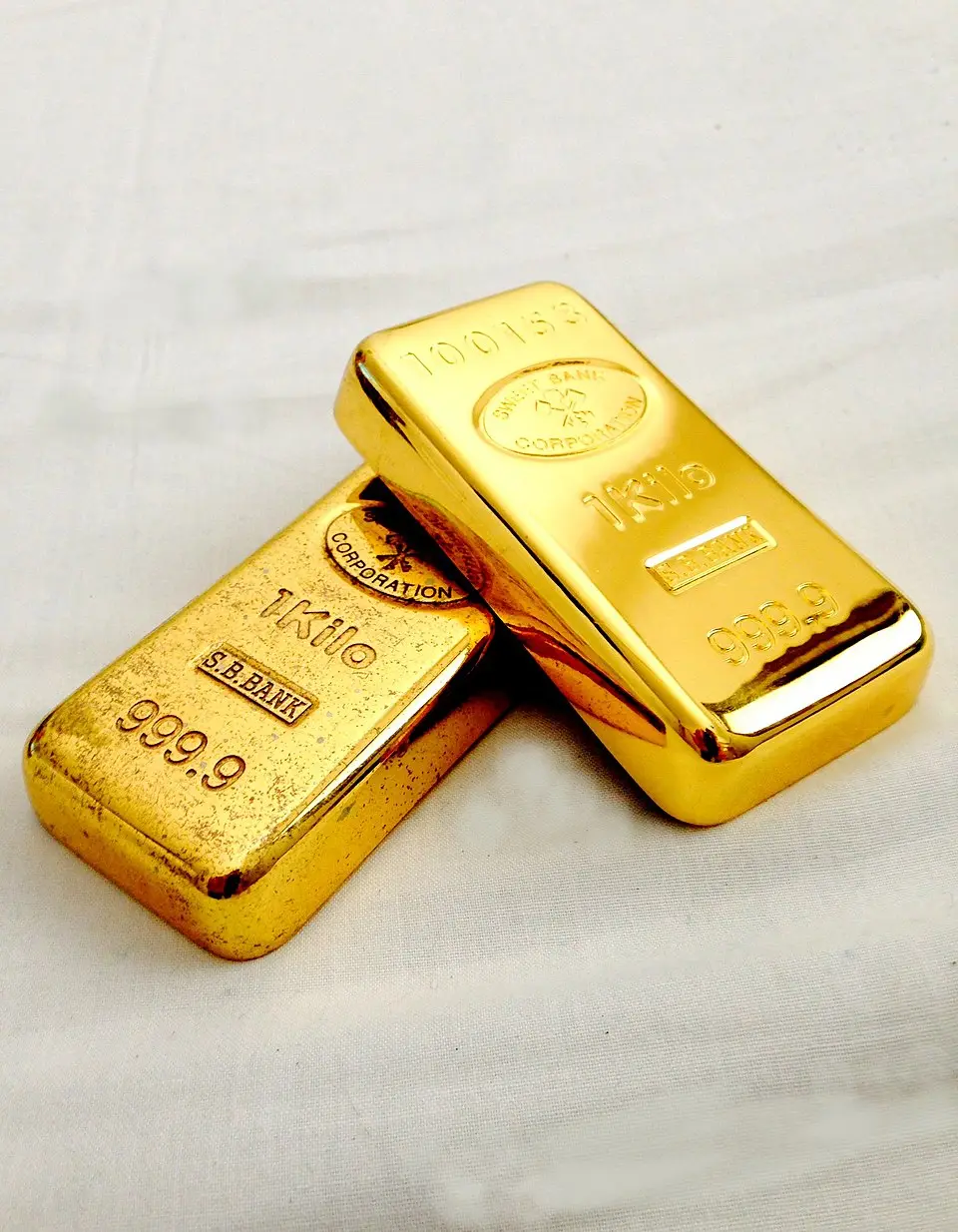
Investing in these ETFs removes many of the traditional drawbacks of physical gold or silver. One of the very important factors is that they offer a more convenient and cost-effective way to invest in precious metals. There is no risk of theft, additionally there is no need for private storage and units are held electronically. Wealth tax does not apply to financial assets like ETFs in many jurisdictions. Liquidity and transparency in pricing are another important features of ETFs, units can be sold on the exchange during market hours at prevailing prices.
Diversification and Risk Management
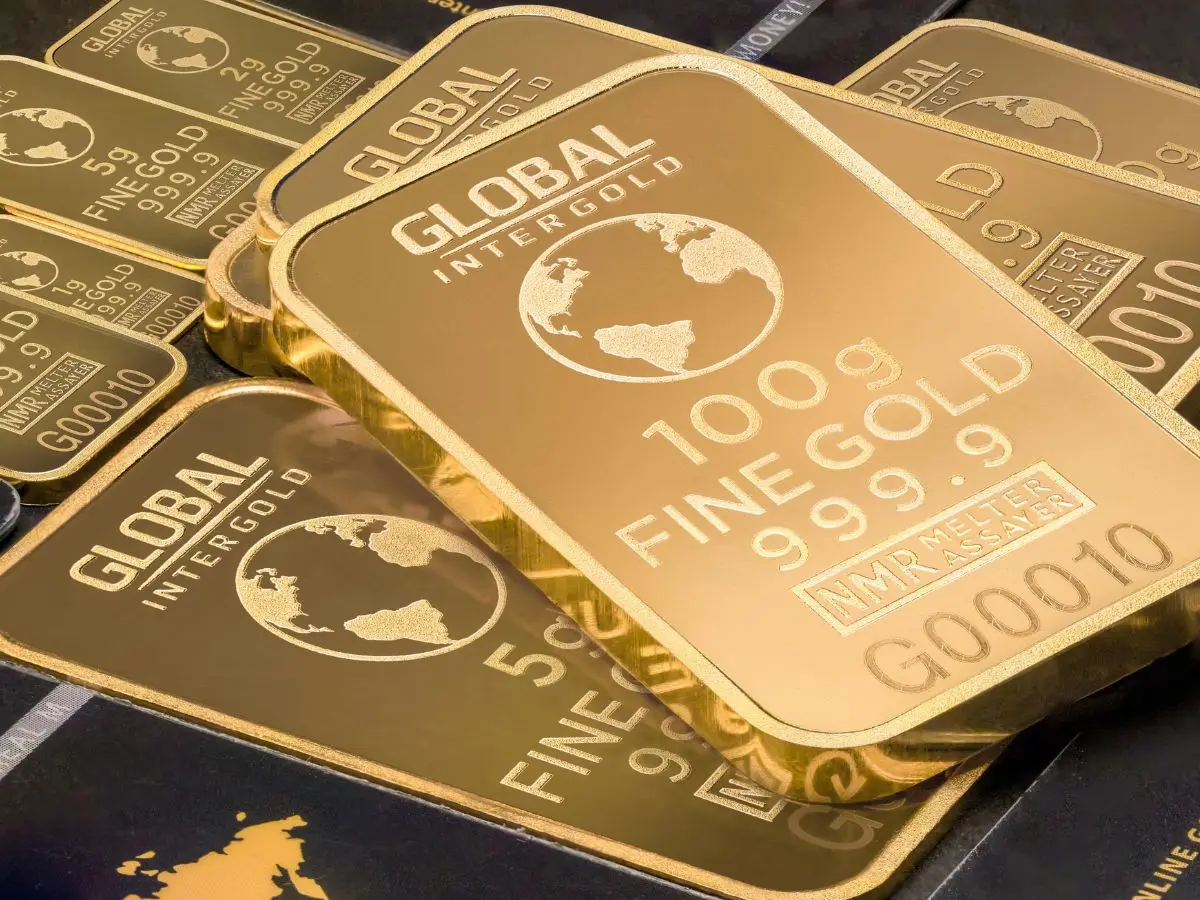
Gold and silver typically exhibit very low correlation with equities and bonds, meaning ETFs based on these metals can act as a hedge in diversified portfolios. This characteristic is particularly appealing during periods of market volatility or economic uncertainty, as precious metals can counterbalance risks elsewhere in an investor’s holdings.
Global Holdings and Flows
Gold backed ETFs and similar products account for a significant part of the gold market, with institutional and individual investors using them to implement many of their investment strategies. World Gold Council says that physically backed gold ETFs globally hold more than 3,900 tonnes of gold, with total assets under management (AUM) reaching US $530 billion, and have experienced their sixth consecutive monthly inflow.
Rising Popularity in India
India’s gold ETF landscape has seen remarkable growth. According to Reuters, India's gold (ETFs) saw their largest monthly inflow in September, pushing assets under management to a record $10 billion. These inflows indicate a clear shift among urban investors from traditional jewellery to financial gold holdings. Silver ETF interest has also surged amid sharp price increases.
Considerations Before You Invest
While ETFs has the ability to provide convenient precious metal exposure, it is important that investors are aware of market risks. Prices fluctuate daily, and ETF units depend on exchange liquidity.
)
)
)
)
)