USS Gerald R. Ford’s record deployment: How world’s largest carrier shaped Iran war from Mediterranean to Red sea

US Central Command said on Wednesday that the Ford is conducting routine flight operations in the Red Sea. Its presence coincides with a fragile ceasefire with Iran, even as the United States maintains a naval blockade targeting Iranian ports and maritime trade.
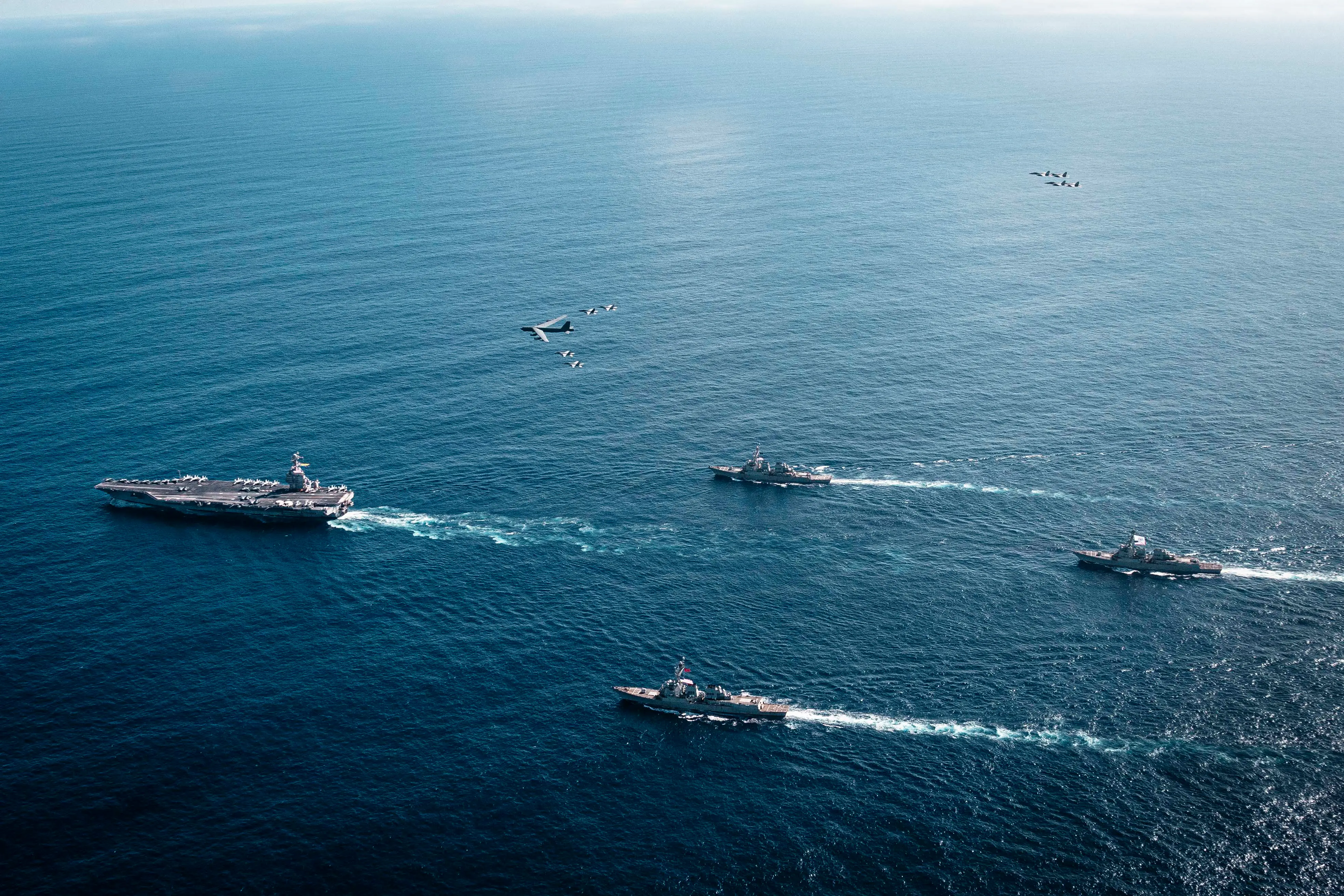
A record deployment comes to an end
The USS Gerald R. Ford is set to return to the United States after a deployment of more than 300 days, among the longest in modern naval history. US officials said the carrier, which supported operations in the Iran war and a mission targeting Venezuelan leader Nicolás Maduro, will leave the Middle East in the coming days and reach its home port in Virginia by mid-May. The development comes as the carrier continues active operations in theatre. US Central Command said on Wednesday that the Ford is conducting routine flight operations in the Red Sea. Its presence coincides with a fragile ceasefire with Iran, even as the United States maintains a naval blockade targeting Iranian ports and maritime trade.
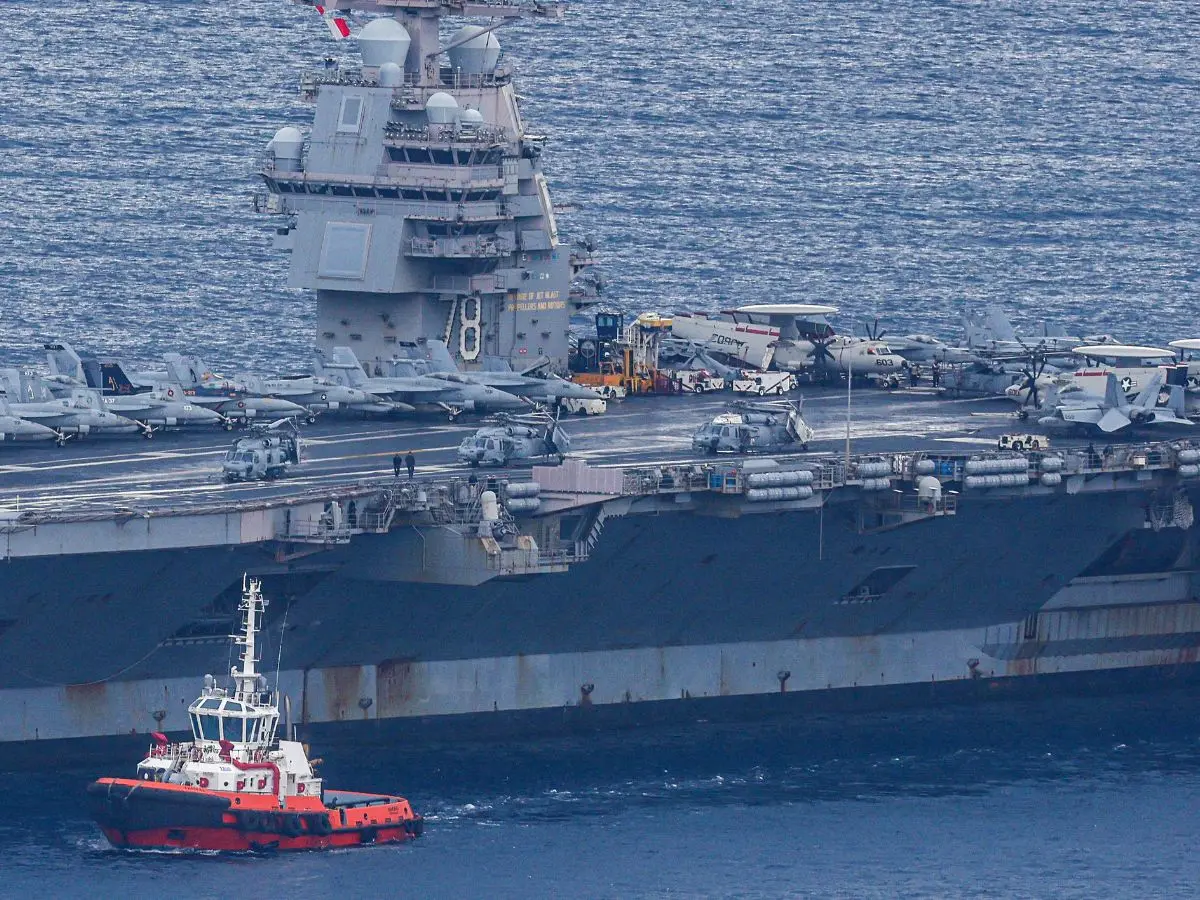
Departure and early mission
The deployment began in June from Naval Station Norfolk, with the carrier initially heading to the Mediterranean Sea. As operational demands shifted, the ship was rerouted in October to the Caribbean, forming part of a major US naval build-up in the region.
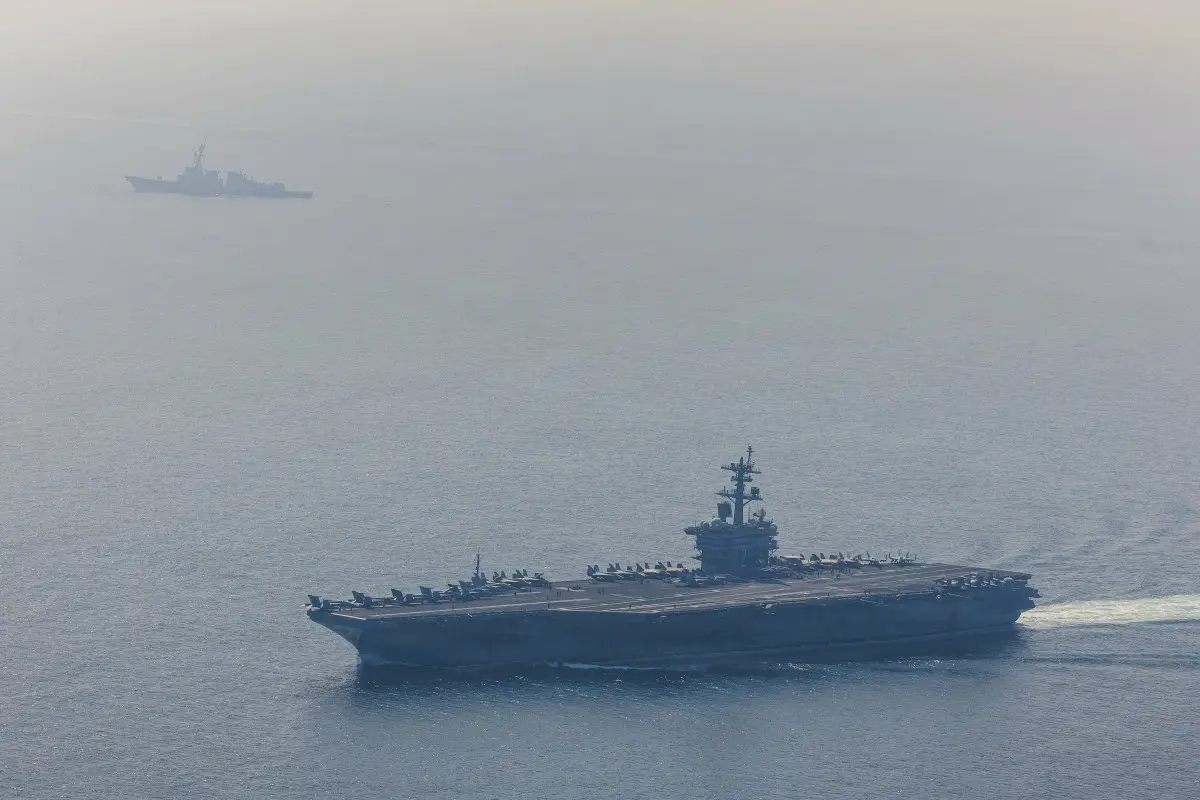
Operations in the Caribbean and beyond
During its time in the Caribbean, the Ford took part in the operation targeting and capturing Maduro. According to AP, US Defence Secretary Pete Hegseth later said, “Multiple times the operational requirements… demanded additional assets in real time,” referring to decisions that extended the deployment across different theatres.
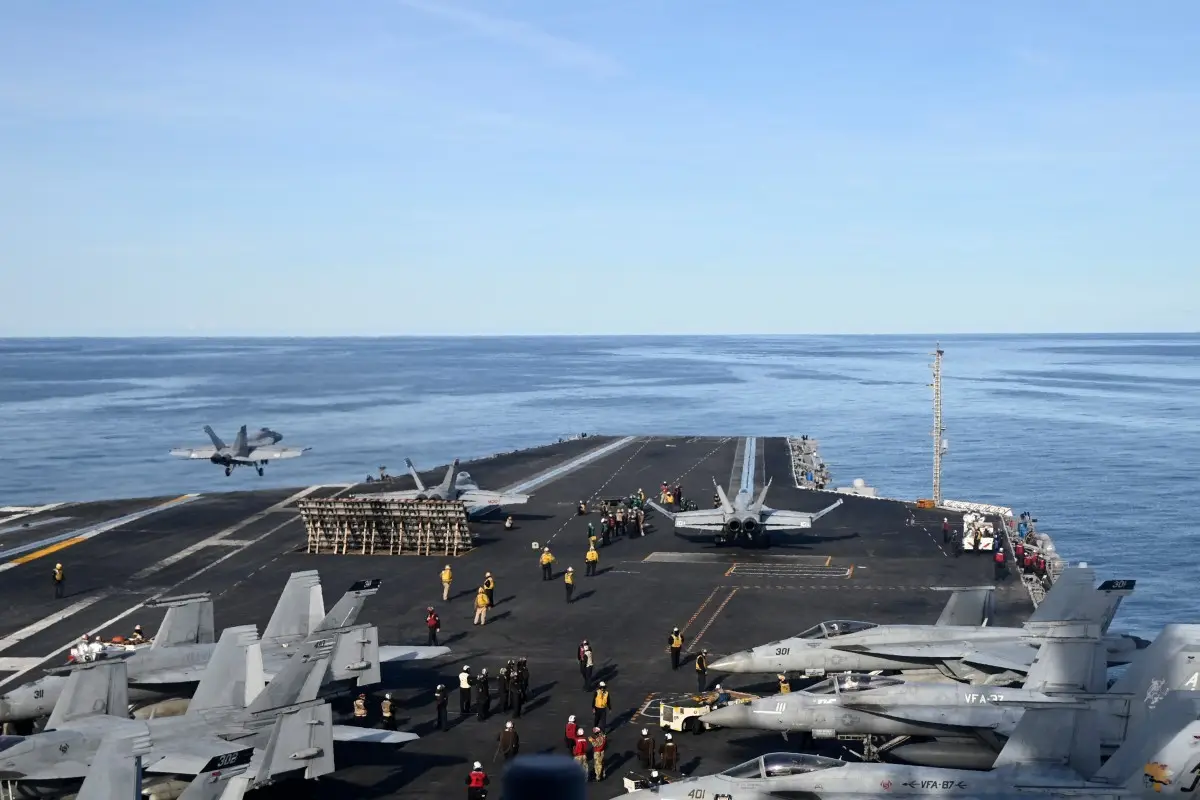
Shift to the Middle East
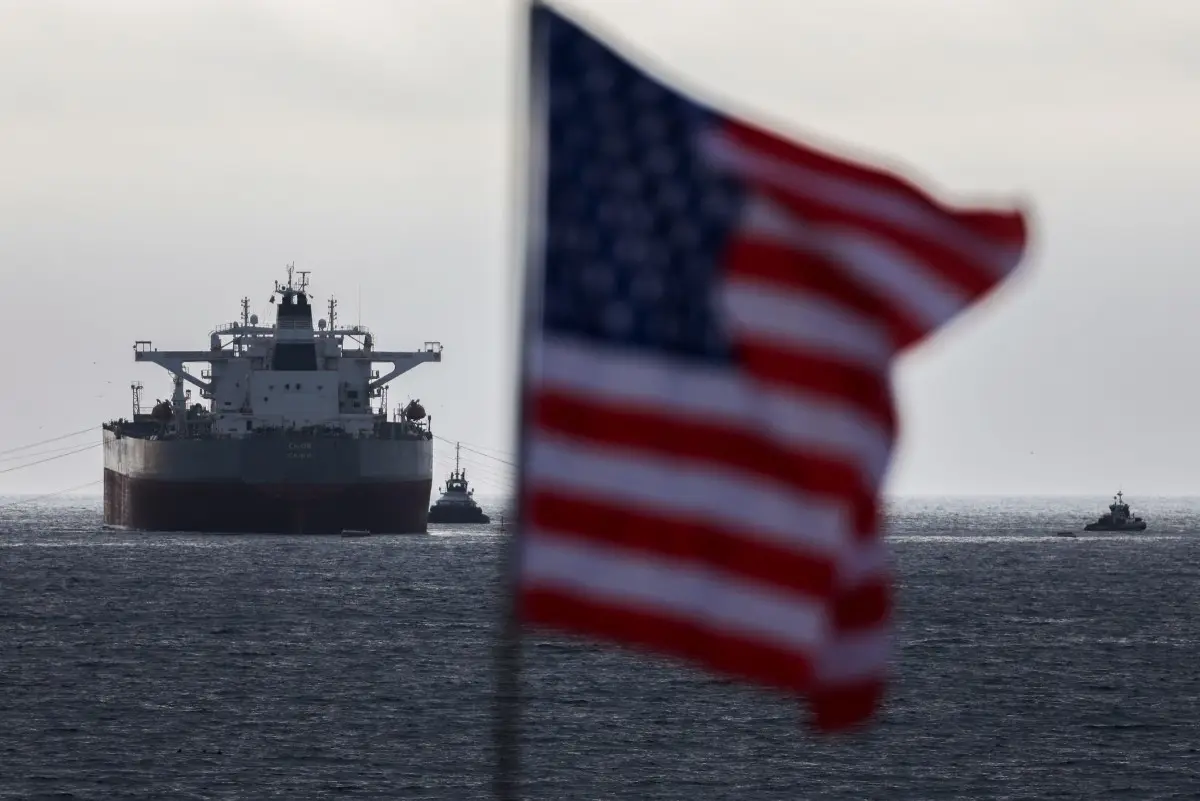
As tensions with Iran escalated, the carrier moved back towards the Mediterranean and supported the opening phase of the conflict from there. It then transited the Suez Canal into the Red Sea in early March, positioning itself closer to active operations. The carrier participated in the commencement of "Operation Epic Fury," marking the official start of the Iran war.
Role in the Iran war effort
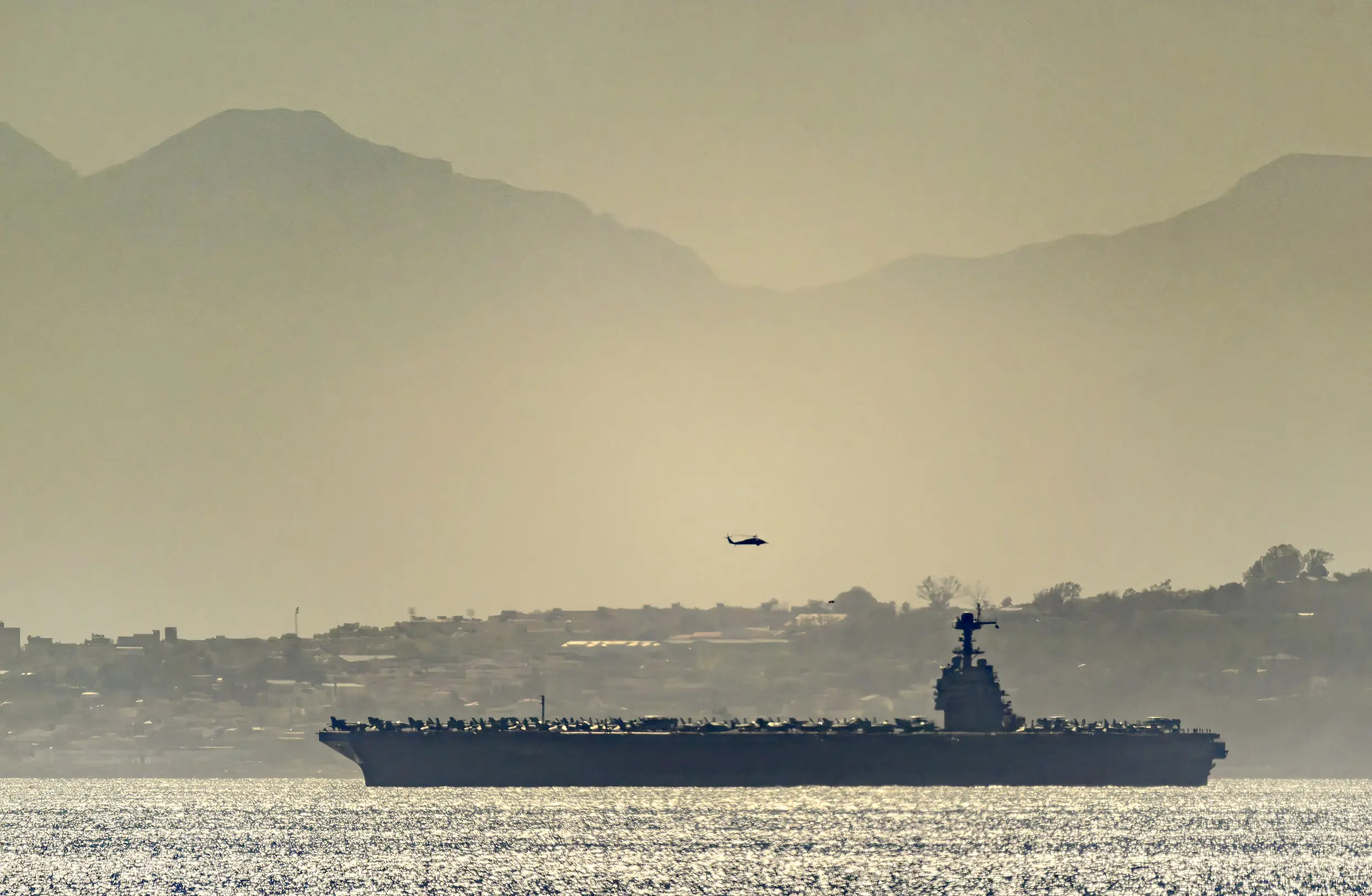
The Ford’s strike group served as a forward base for air operations, capable of launching up to 160 sorties a day. Its presence in the eastern Mediterranean and later the Red Sea formed part of a wider US effort to deter escalation and support allied operations during the conflict.
Setbacks and operational strain
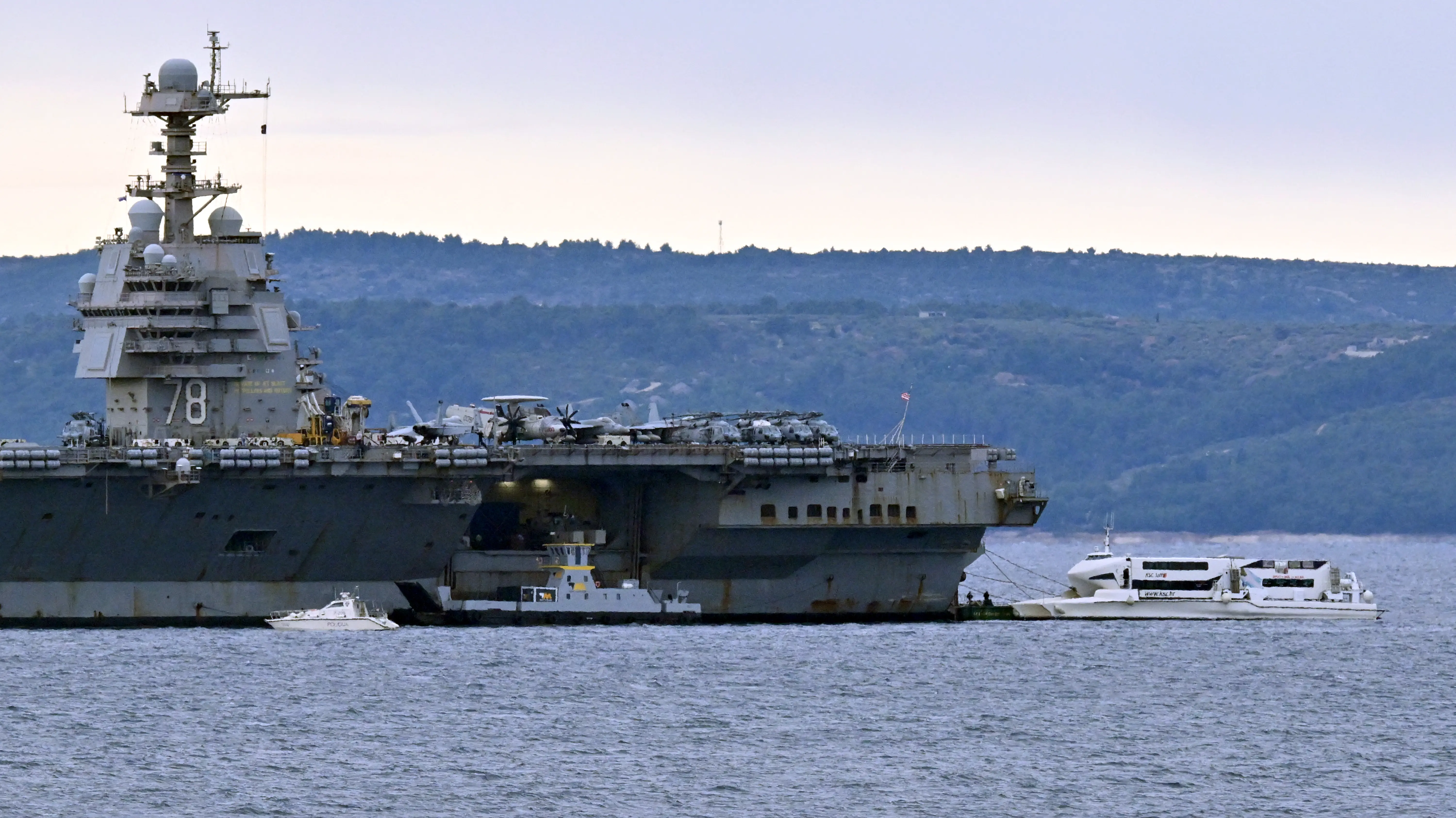
The deployment was not without disruption. A fire in a laundry space forced the carrier to return temporarily to the Mediterranean for repairs, affecting crew conditions. Extended operations also raised concerns about strain on personnel and equipment, with Hegseth acknowledging “readiness and maintenance trade-offs”. Following emergency maintenance and a brief port call in Split, Croatia, the Ford returns to the Red Sea to resume its role in the naval blockade of Iran.
A modern record with lasting impact
At around 295 days at sea, the Ford surpassed the longest US carrier deployment of the past 50 years, previously held by the USS Abraham Lincoln. Its mission coincided with a rare moment when three US carriers, including USS George HW Bush, operated in the Middle East simultaneously.
)
)
)
)
)