USS Abraham Lincoln: How carrier crews keep fighter jets mission-ready for months at sea

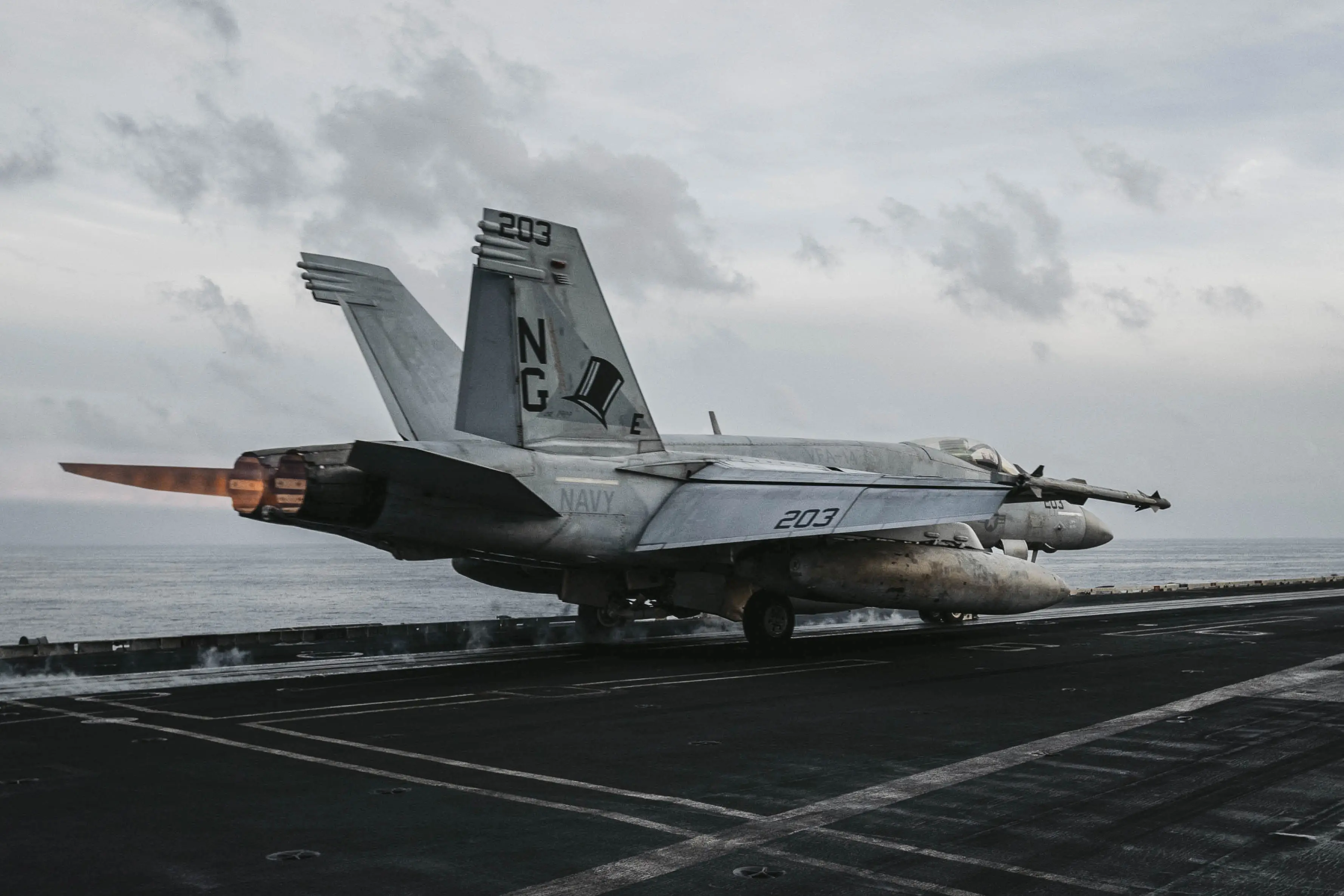
The flight deck operates in what experts describe as “controlled chaos” and even “a million accidents waiting to happen,” highlighting the constant risk and precision required.
Introduction: Sustaining Aircraft in a Hostile Environment
Keeping fighter jets operational for months at sea aboard USS Abraham Lincoln is a continuous, structured process rather than a single task. The flight deck operates in what experts describe as “controlled chaos” and even “a million accidents waiting to happen,” highlighting the constant risk and precision required. Aircraft maintenance is therefore not occasional but embedded into every stage of flight operations, ensuring readiness despite harsh maritime conditions.
The Scale of Maintenance at Sea
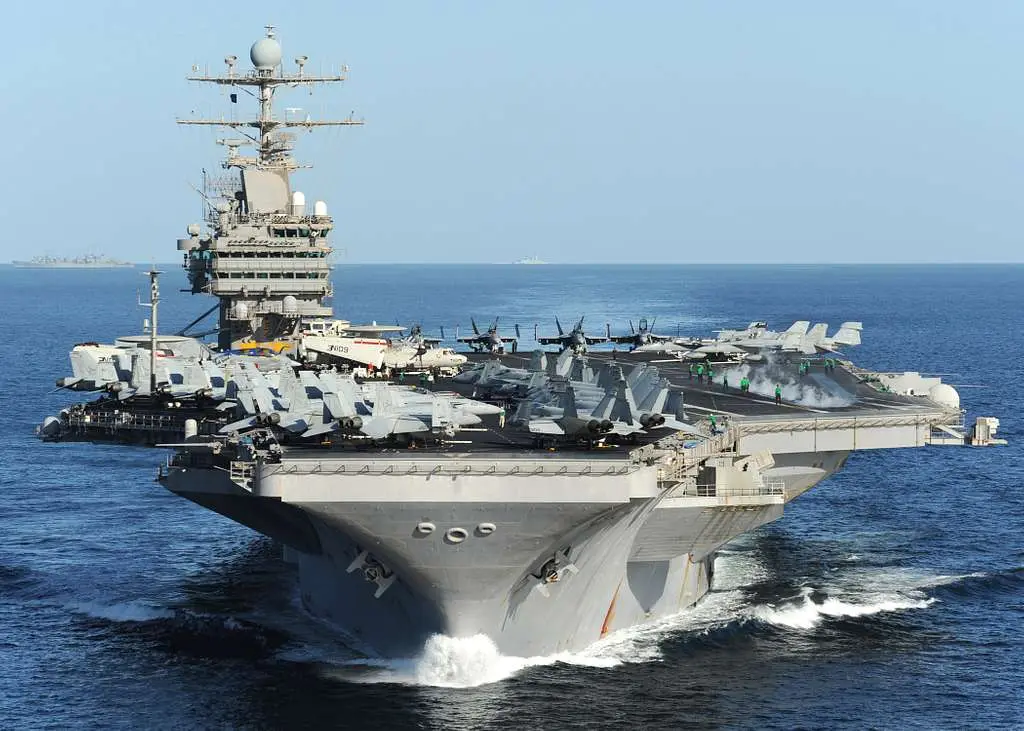
Aircraft carriers function as mobile airbases, where dozens of aircraft operate within a confined deck space. Maintenance ensures that each aircraft remains mission-capable despite exposure to salt, heat, and mechanical stress. This involves constant coordination between deck crews, engineers and aviation specialists working in tight cycles.
Role of Green Jersey Maintenance Crews
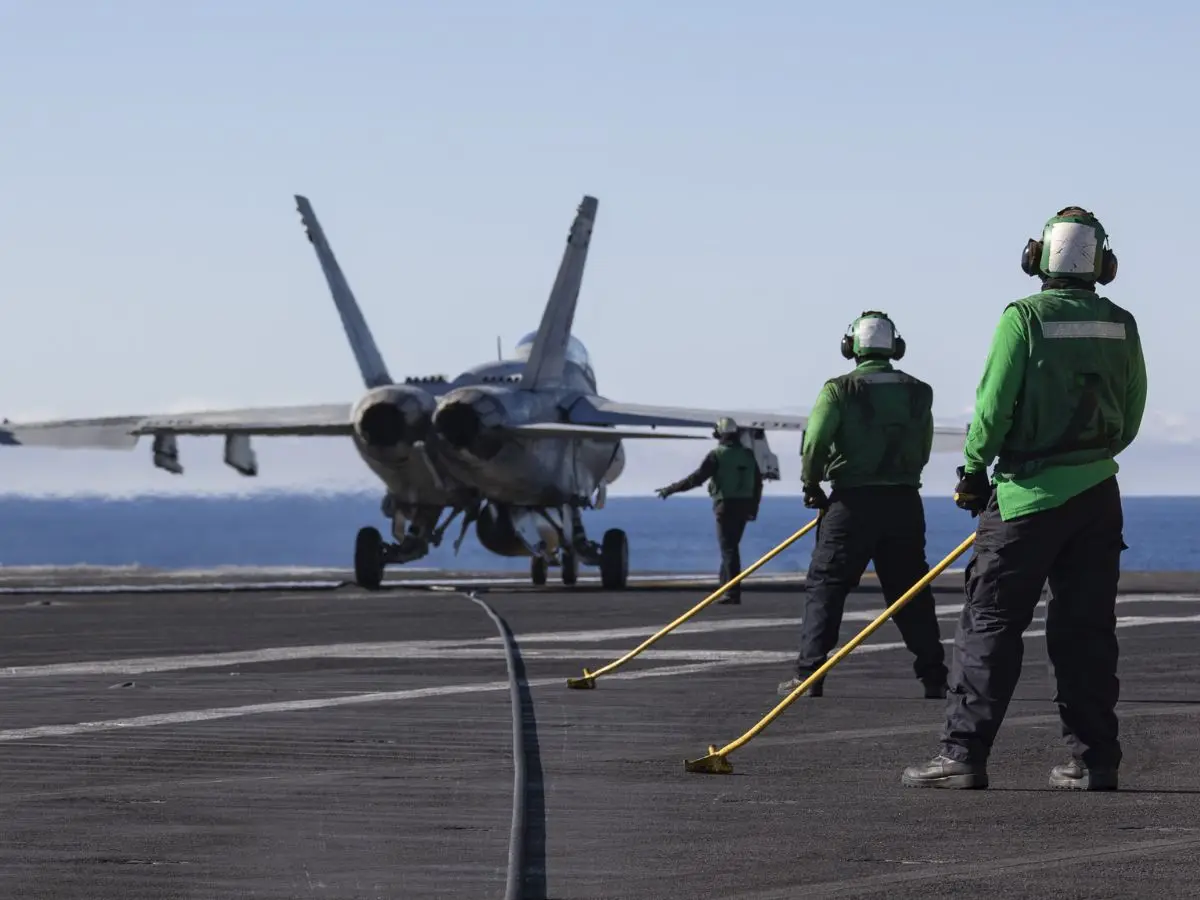
Maintenance on the flight deck is primarily carried out by green jersey personnel. These crews are responsible for inspecting aircraft systems, repairing faults and ensuring equipment is functional. Their role includes working on catapult systems and arresting gear, which are essential for launching and recovering aircraft safely.
Continuous Inspection and Turnaround Checks
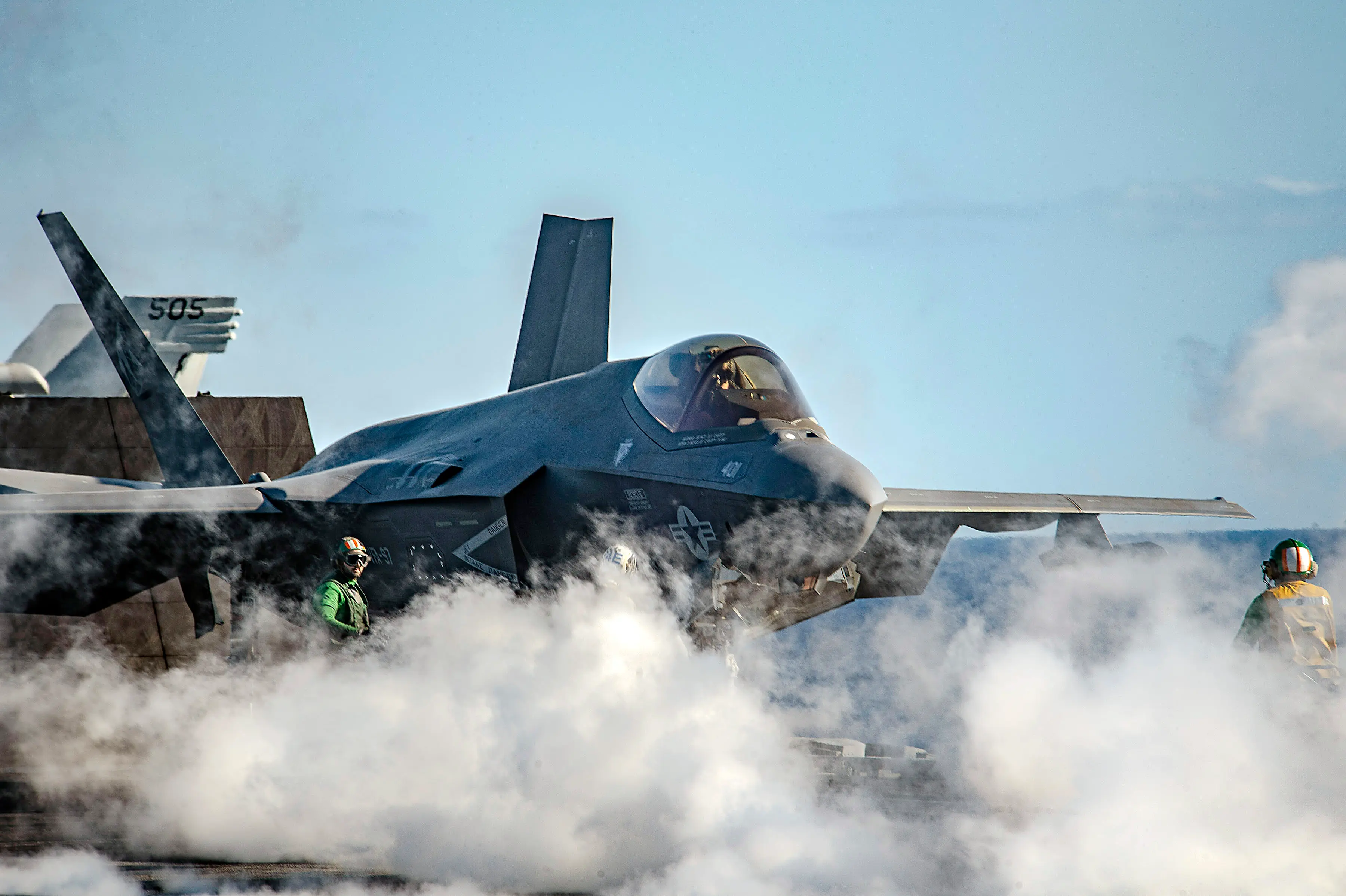
Aircraft are inspected before and after every flight. These checks include structural integrity, engine condition and onboard systems. Turnaround inspections ensure that jets can be quickly refuelled, rearmed and returned to operation within tight timelines, maintaining the pace of carrier missions.
Preventing Damage on a Crowded Deck
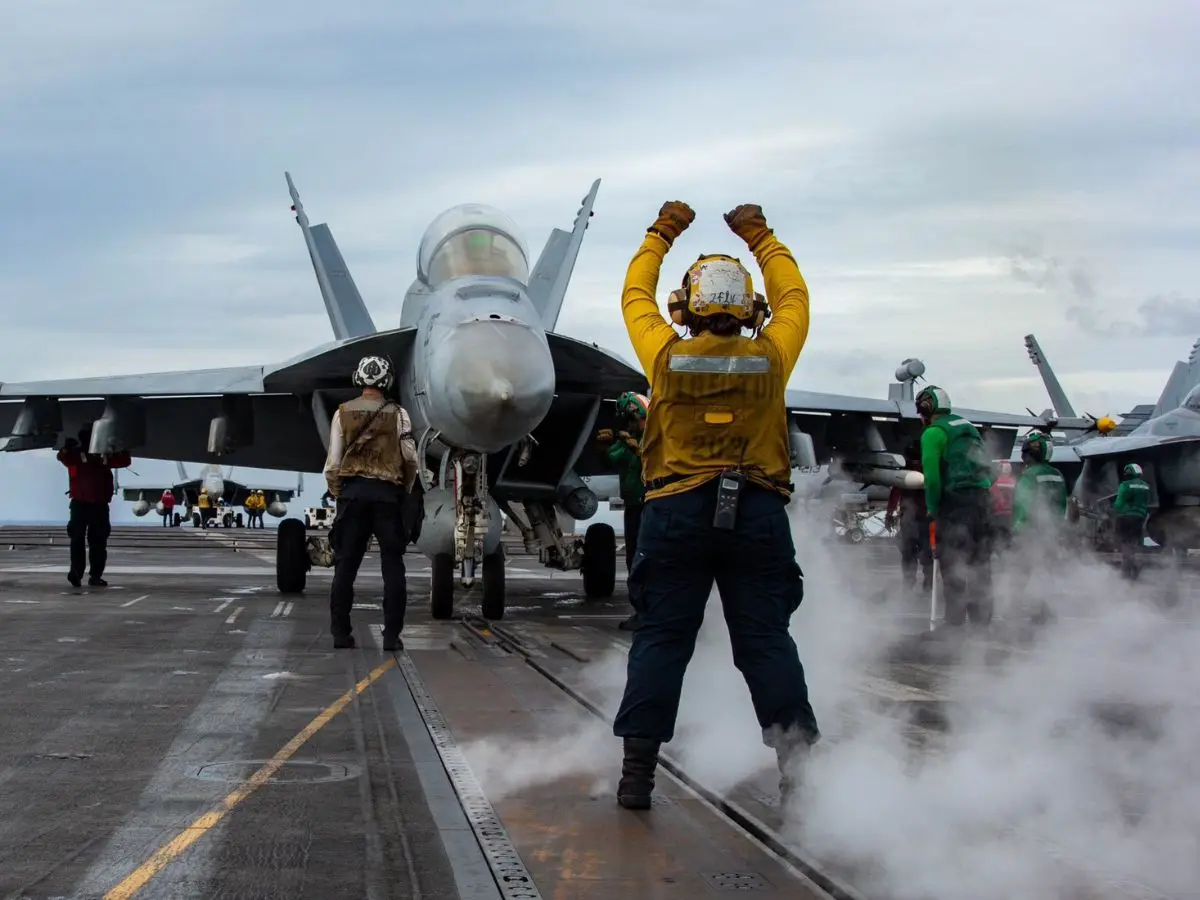
A critical aspect of maintenance is preventing foreign object damage. Crew members are instructed to “clean up immediately any mess under and around aircraft” to avoid debris being ingested into engines. This discipline reduces avoidable failures and protects both personnel and equipment.
Coordination During Launch and Recovery
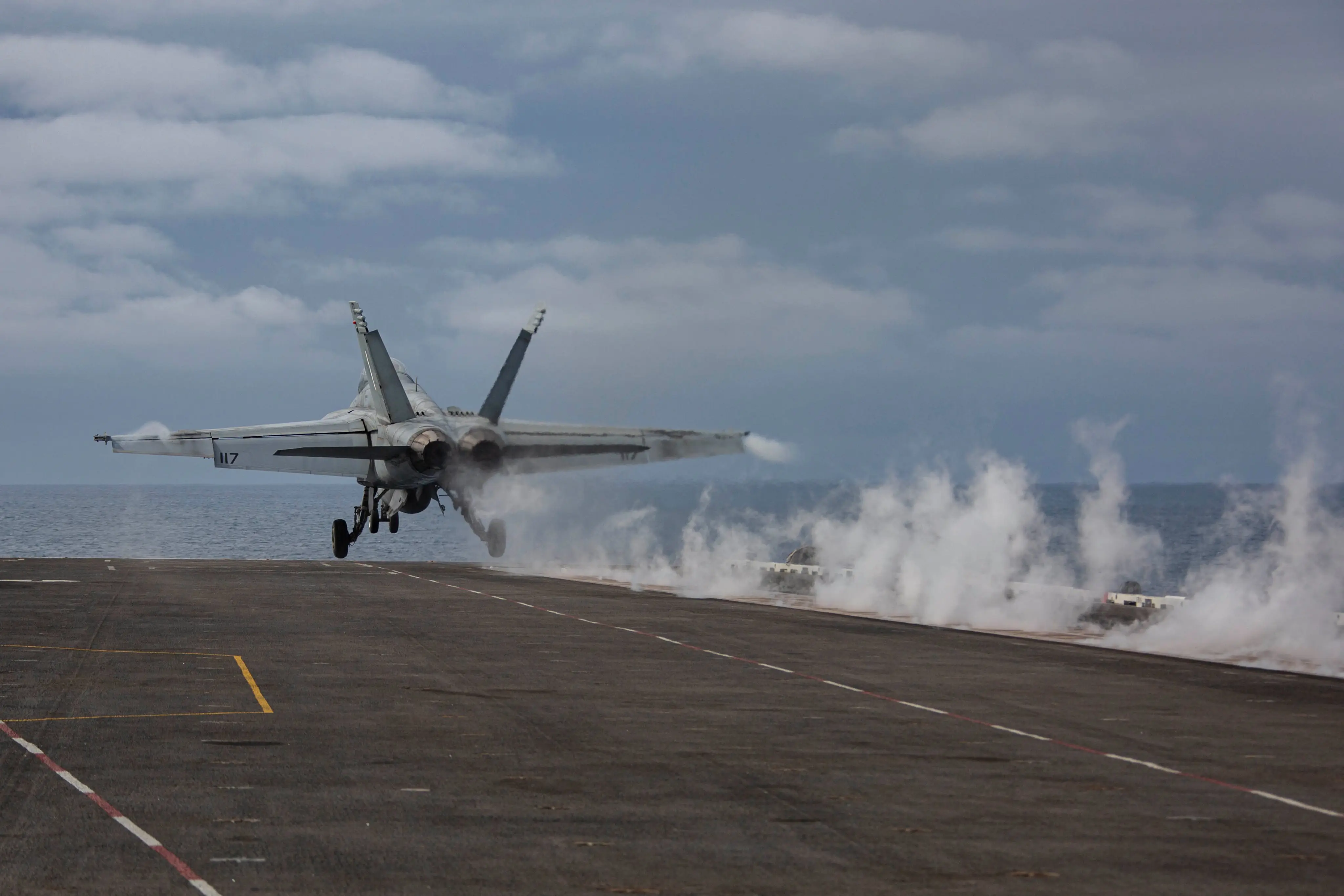
Maintenance crews work alongside other deck teams during launch and recovery cycles. They ensure aircraft are correctly configured for catapult launch and safely secured after landing. The integration of maintenance with operational tasks allows continuous flight activity without delays.
Why Maintenance Never Stops
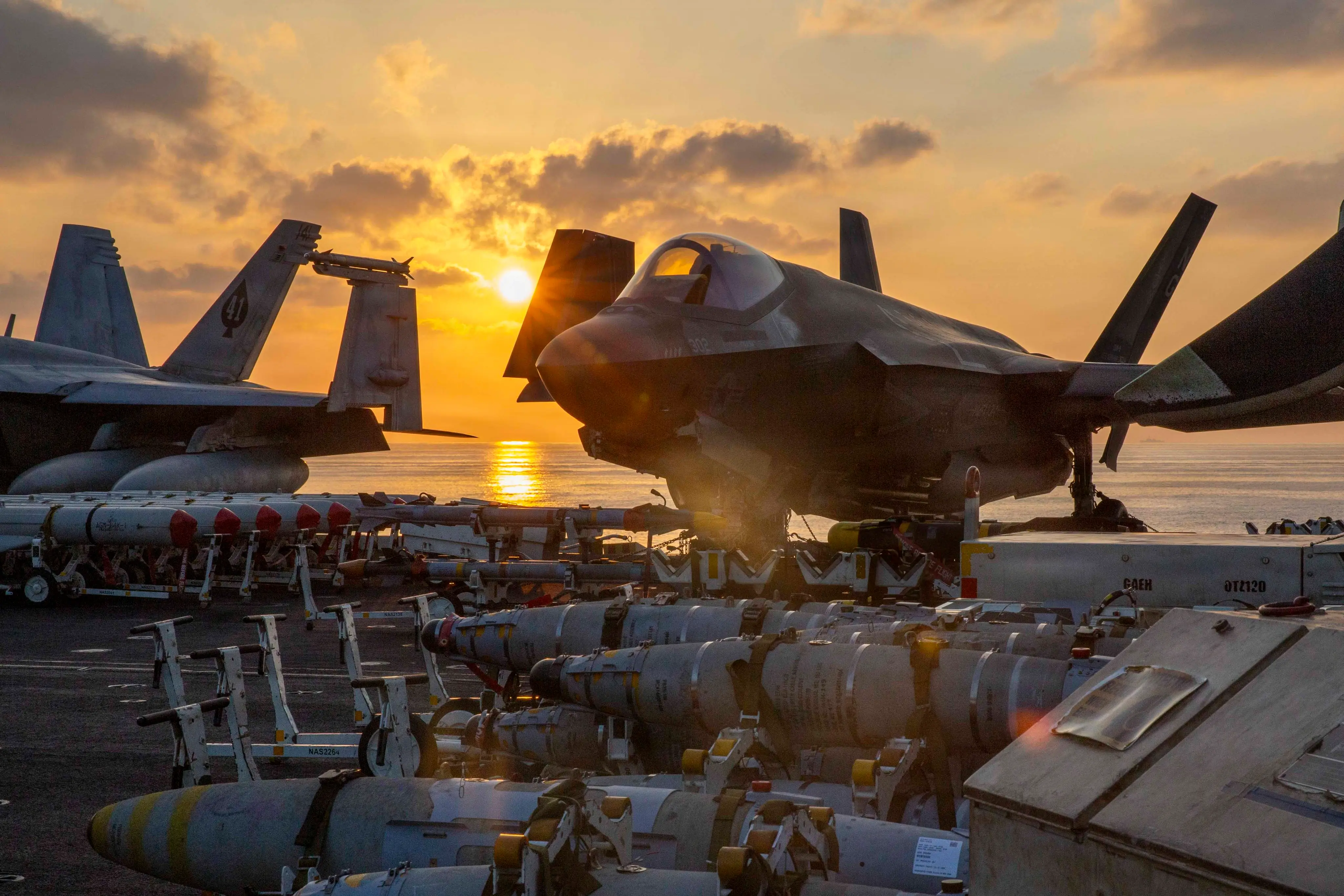
On USS Abraham Lincoln, aircraft maintenance is a constant process driven by operational demand and safety requirements. From routine inspections to immediate repairs, every action is designed to sustain readiness. In an environment where conditions are unforgiving, the ability of crews to maintain aircraft continuously is what keeps carrier aviation functioning effectively at sea.
)
)
)
)
)