USS Abraham Lincoln flight deck rules: Why missing these gear items can turn a routine shift into a fatal second

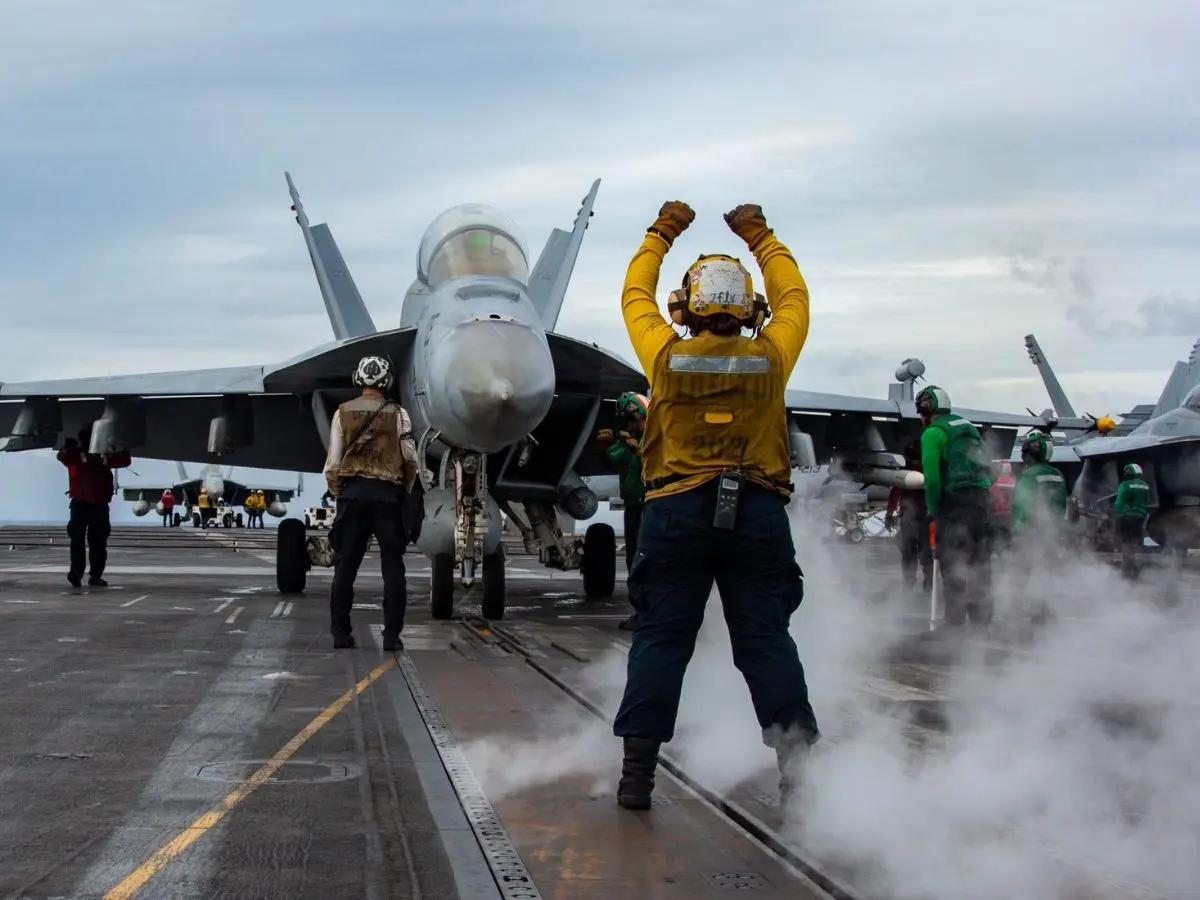
Onboard USS Abraham Lincoln, operating in a high-tempo deployment environment, the risks are constant and immediate. Personnel work amid jet blast, spinning rotors, intense noise and continuously moving aircraft, where a single lapse can have serious consequences.
A High-Risk Working Environment
The flight deck of an aircraft carrier is widely regarded as one of the most dangerous working environments in the world. Onboard USS Abraham Lincoln, operating in a high-tempo deployment environment, the risks are constant and immediate. Personnel work amid jet blast, spinning rotors, intense noise and continuously moving aircraft, where a single lapse can have serious consequences. Safety does not rely on instinct but on strict discipline and adherence to established procedures. The requirement to wear six essential items of flight-deck gear is therefore not a formality, but a critical safeguard designed to prevent sudden and potentially fatal accidents.
The Cranial Helmet: Primary Head Protection
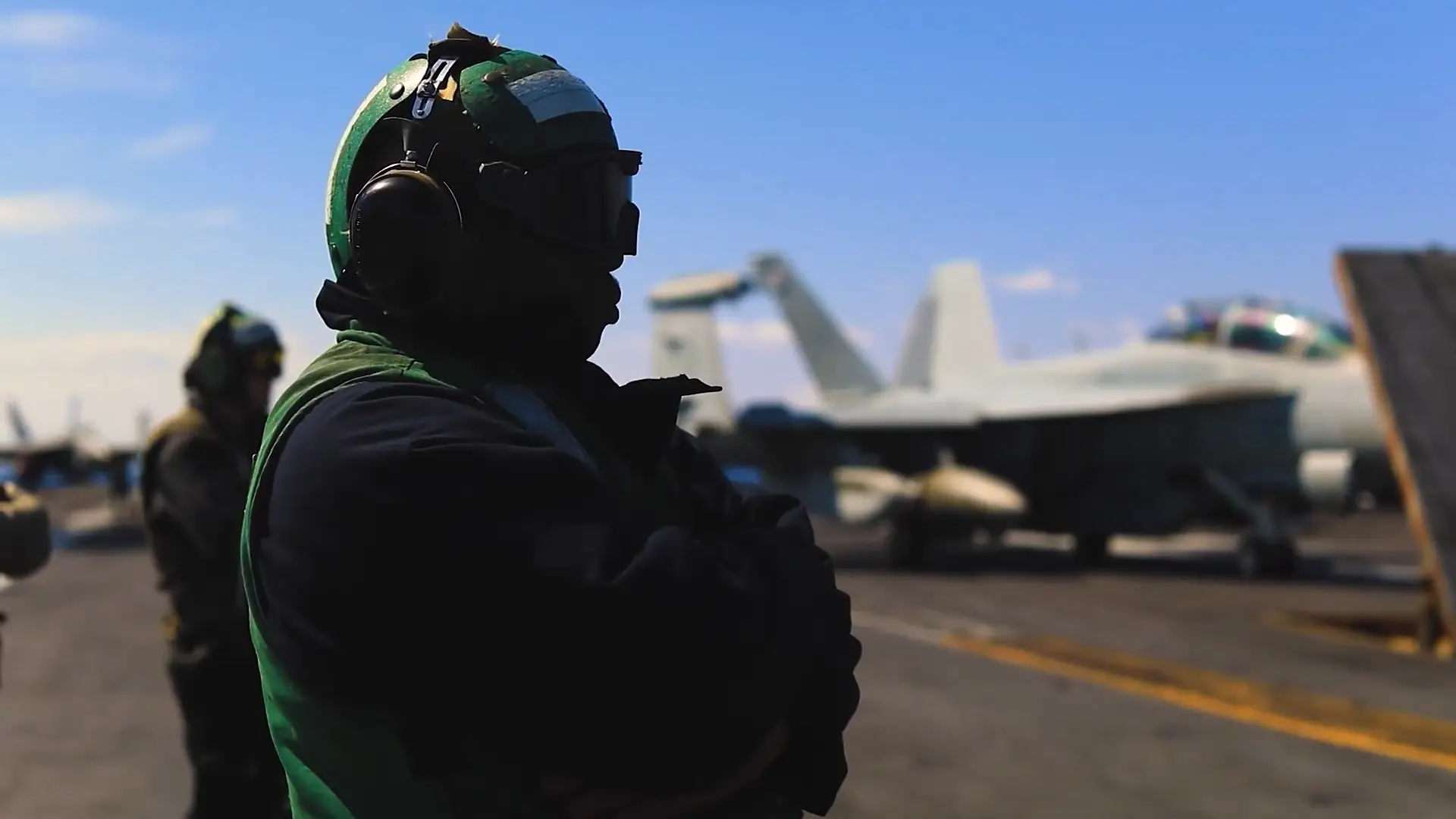
The flight-deck helmet, known as the cranial, provides critical protection against impact and debris. It consists of a front-plate shell with (at a minimum) a 3-inch by 6-inch white reflective strip on front and a back plate with a 6-inch by 6-inch white reflective strip. Proper assembly with sound attenuators is mandatory, ensuring both physical protection and communication capability.
Hearing Protection: Defence Against Extreme Noise
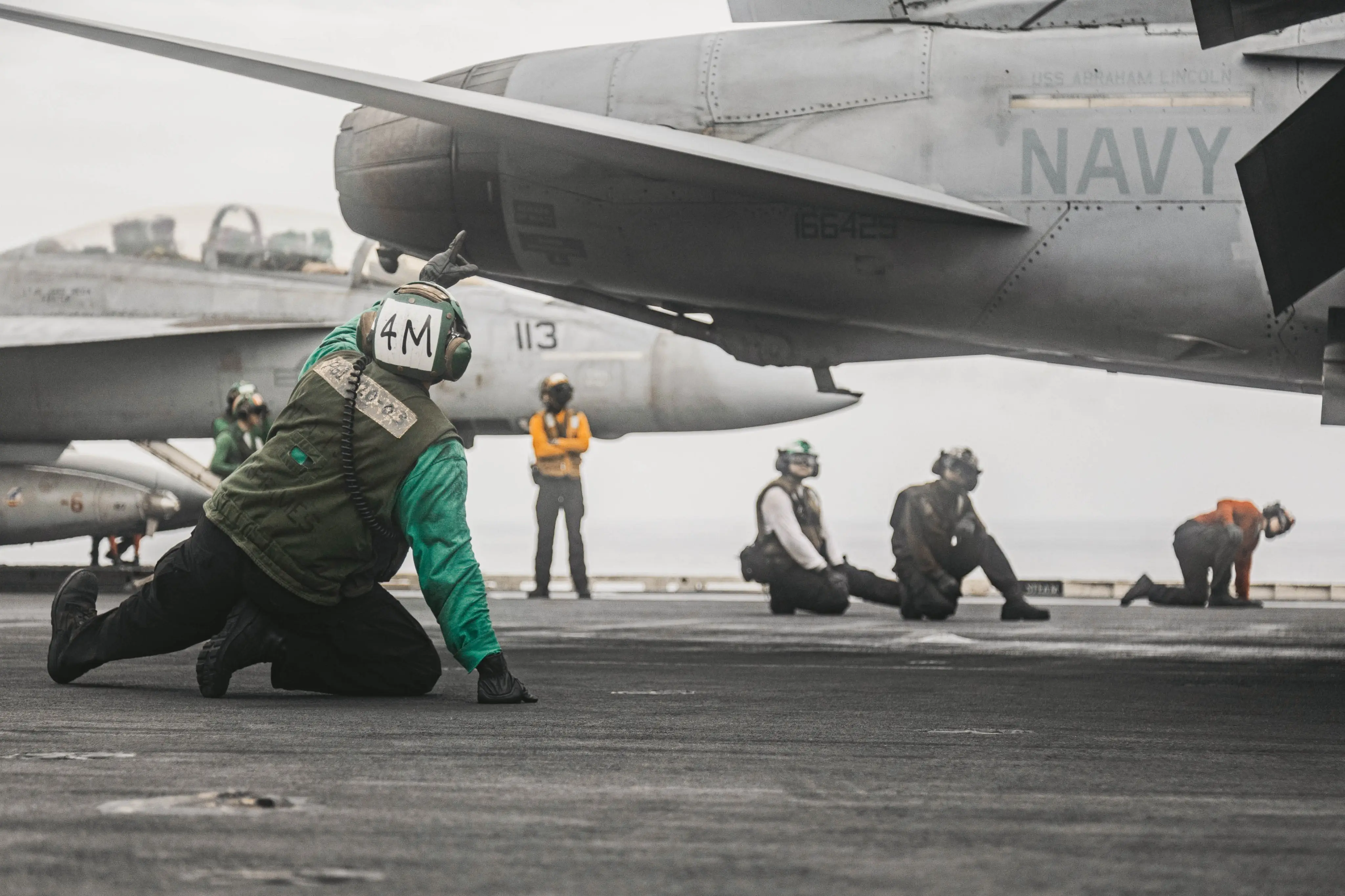
Jet engines generate noise levels capable of causing instant and permanent hearing damage. For this reason, double hearing protection is required at all times. This layered defence reduces exposure to hazardous sound levels during continuous flight operations.
MK-1 Float Coat: Survival Equipment at Sea
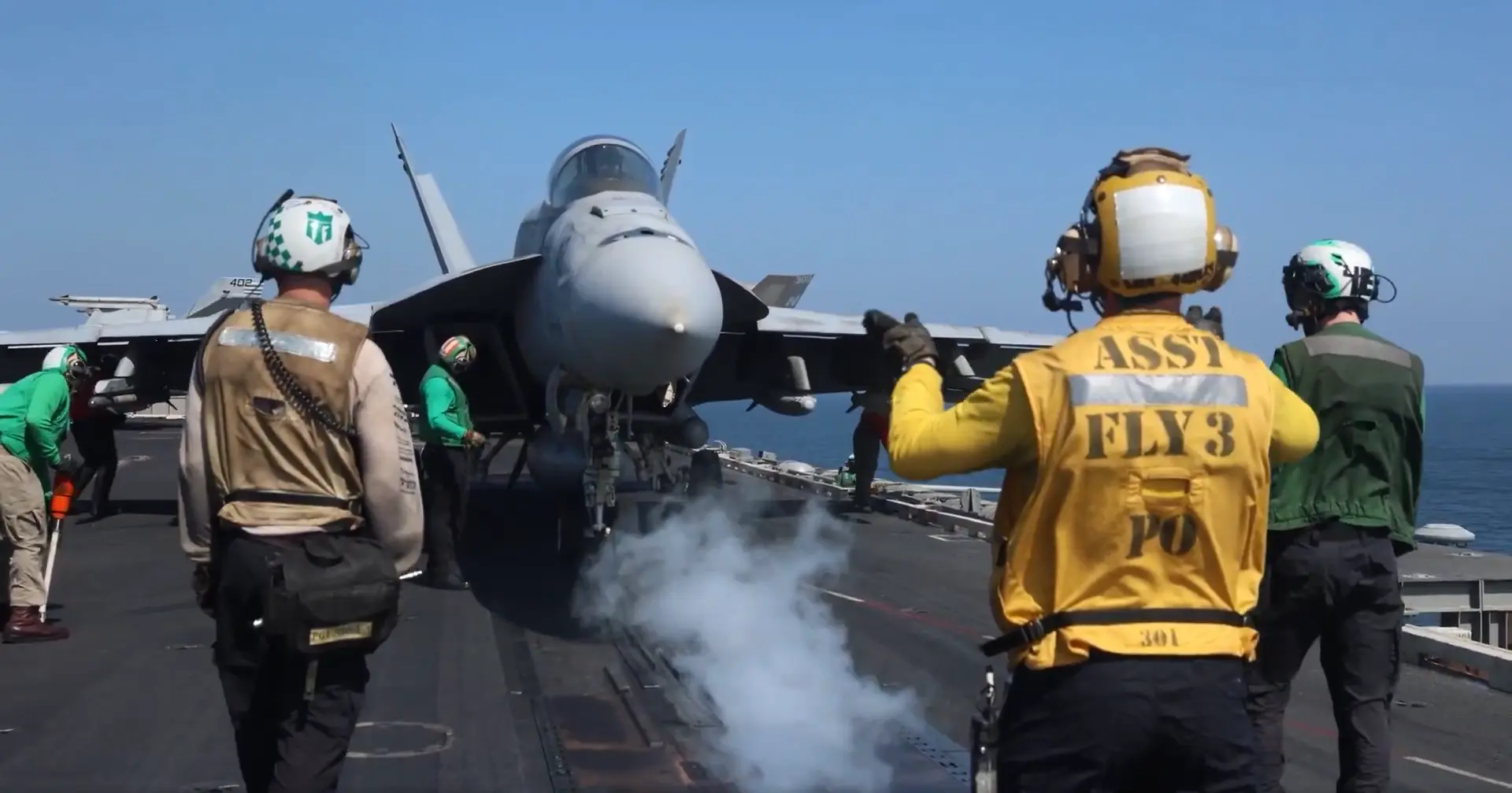
The MK-1 float coat is both protective clothing and survival gear. It must remain fully fastened and in sound condition. Daily checks ensure the inflator, light, and whistle function correctly, reflecting the constant risk of man-overboard incidents.
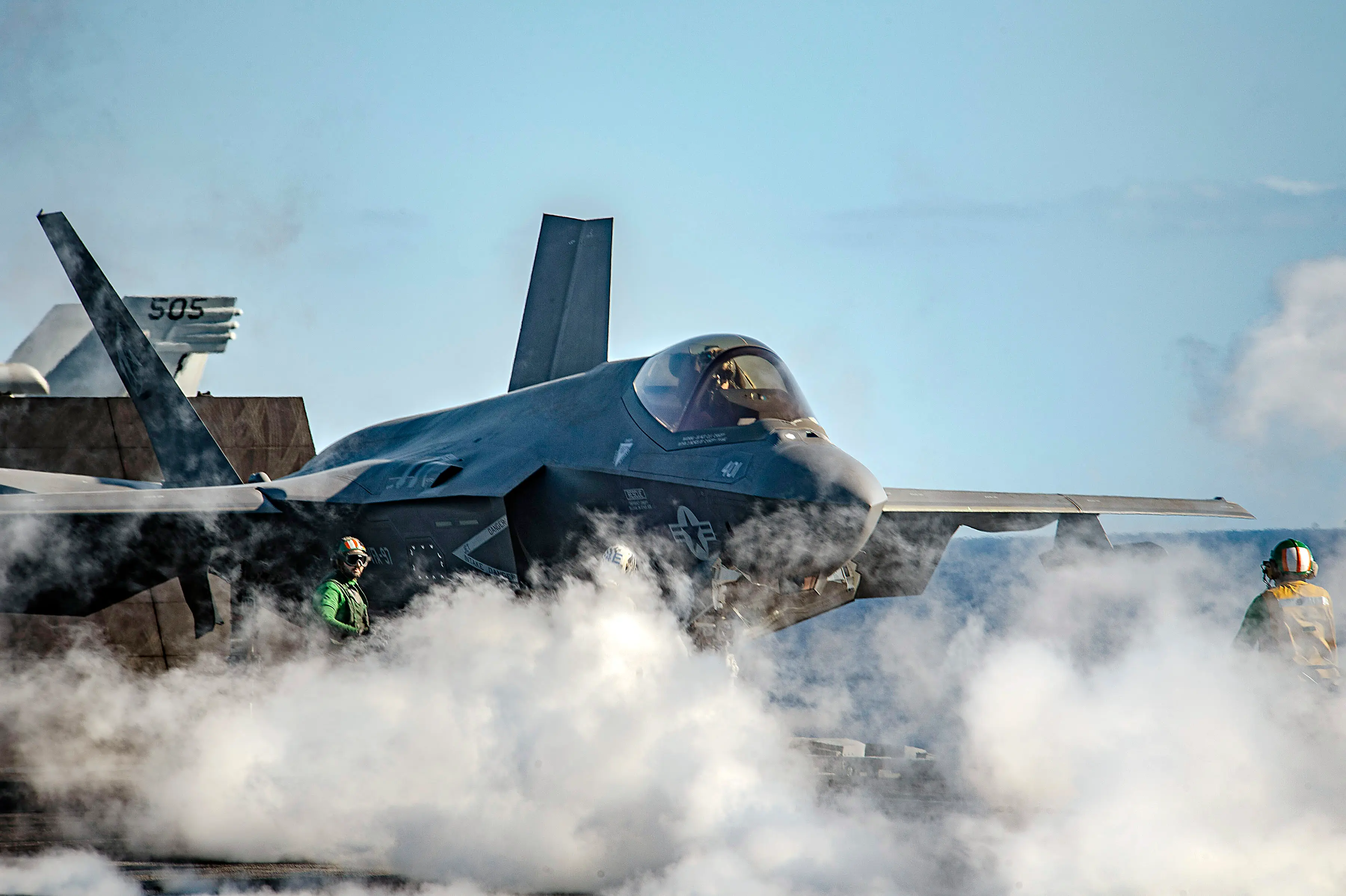
Goggles: Maintaining Clear Vision
Clear vision is essential on a crowded and fast-moving deck. Goggles must be clean, securely attached to the cranial, and used at all times. Tinted lenses are restricted to daylight operations, ensuring visibility is never compromised in changing conditions.
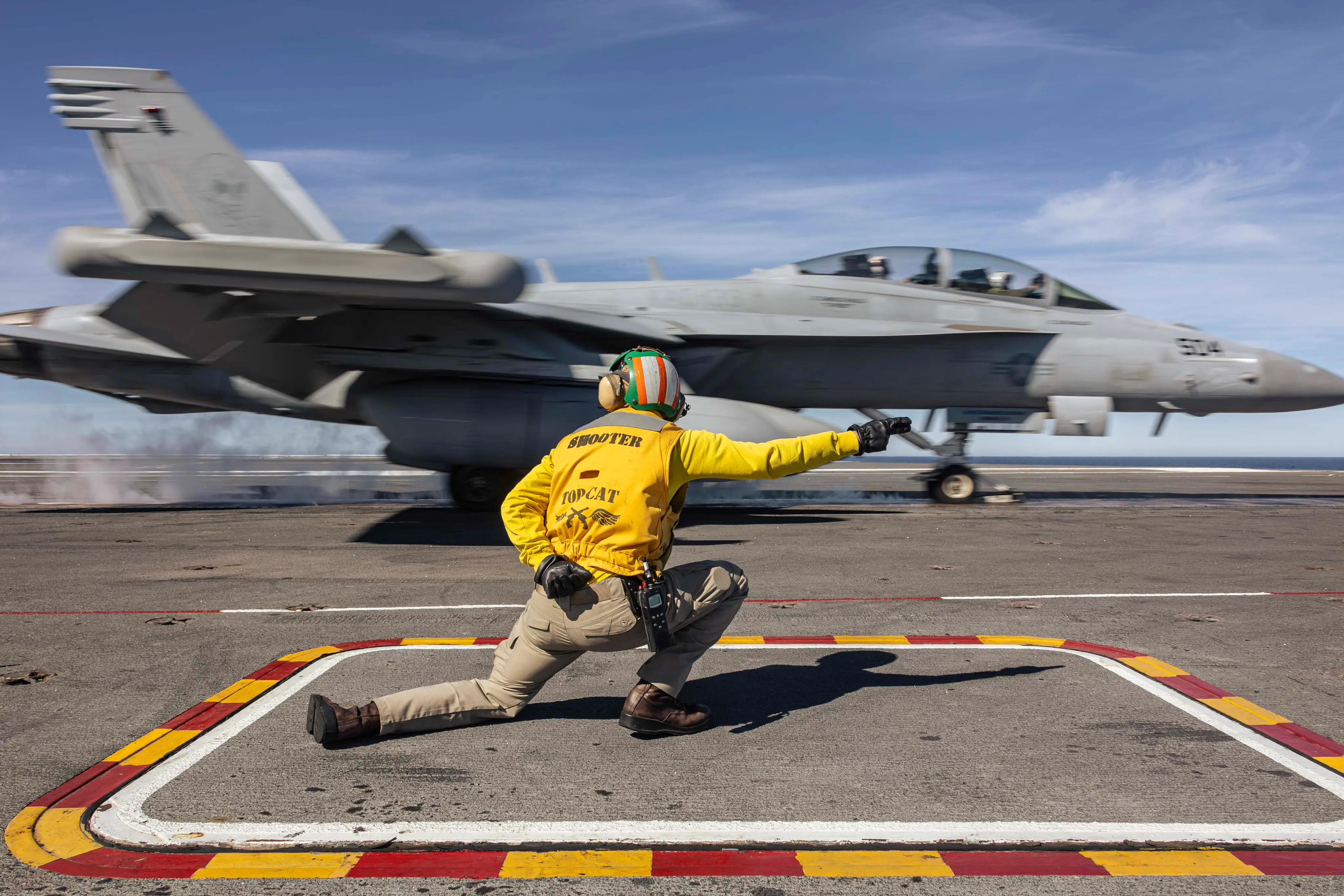
Boots and Gloves: Protection from Physical Hazards
Flight-deck boots must be steel-toed with non-slip soles to prevent crushing injuries and falls. Fire-retardant gloves provide essential protection against burns, hot surfaces, and handling hazards. Both must be maintained in serviceable condition without defects.
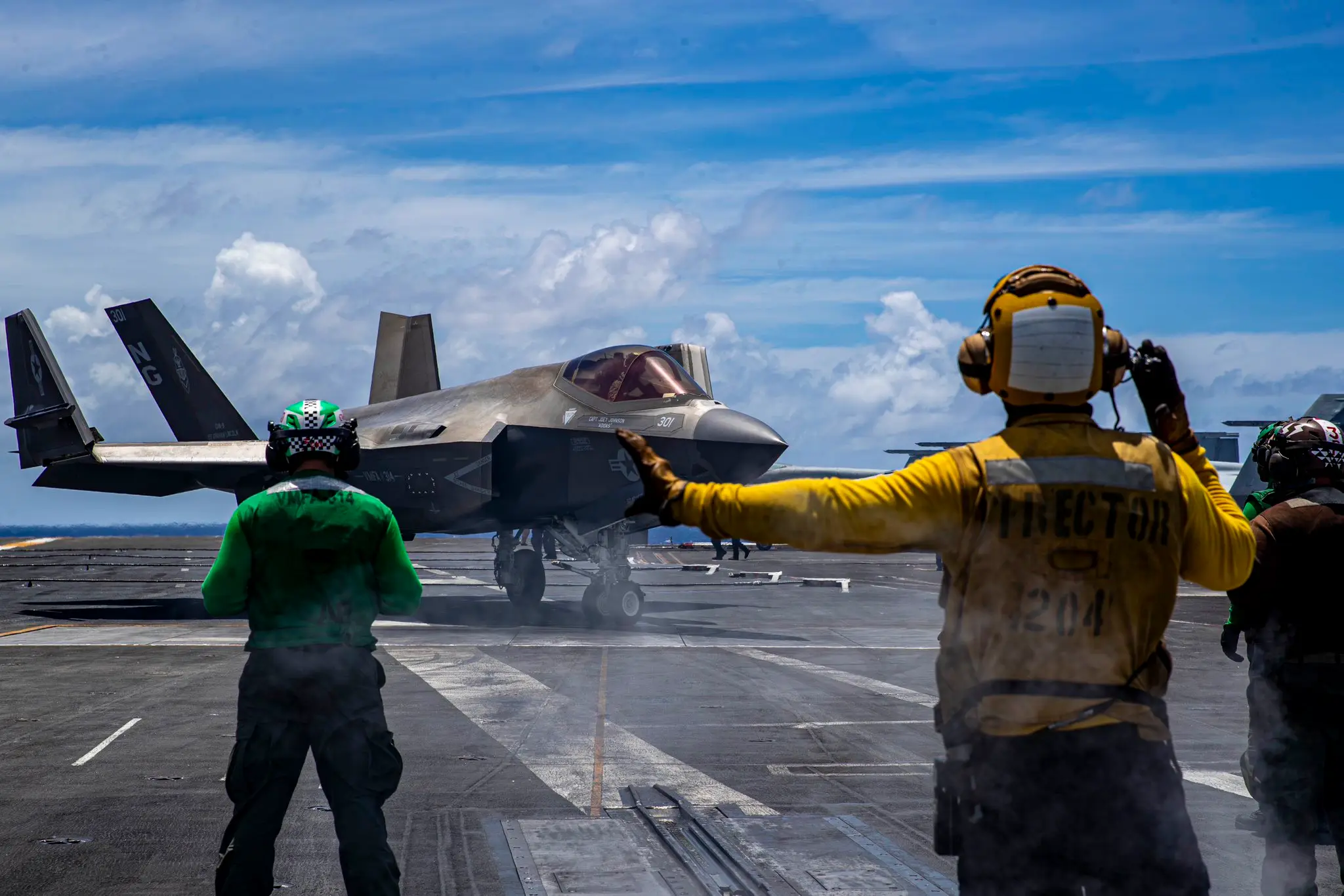
Jersey and Vigilance: Identification and Responsibility
The flight-deck jersey must be correctly colour-coded, long-sleeved, and worn properly to identify roles instantly. Beyond equipment, personnel are instructed to monitor others for unsafe behaviour. As guidance emphasises, awareness of “anyone… setting themselves up for an accident” is a shared responsibility, reinforcing that safety on the flight deck is collective and continuous.
)
)
)
)
)