US-Iran negotiations in Islamabad: Will fragile ceasefire hold as high-stakes talks begin? Five things to know

The talks follow weeks of conflict that disrupted global energy markets and heightened regional instability. The outcome of these negotiations carries immediate geopolitical and economic consequences.
Introduction: A Rare Diplomatic Moment
Islamabad is set to host the most significant diplomatic engagement between the United States and Iran in years, as both sides attempt to convert a fragile two-week ceasefire into a longer-term settlement. The talks follow weeks of conflict that disrupted global energy markets and heightened regional instability. The outcome of these negotiations carries immediate geopolitical and economic consequences.
The Conflict That Triggered Diplomacy
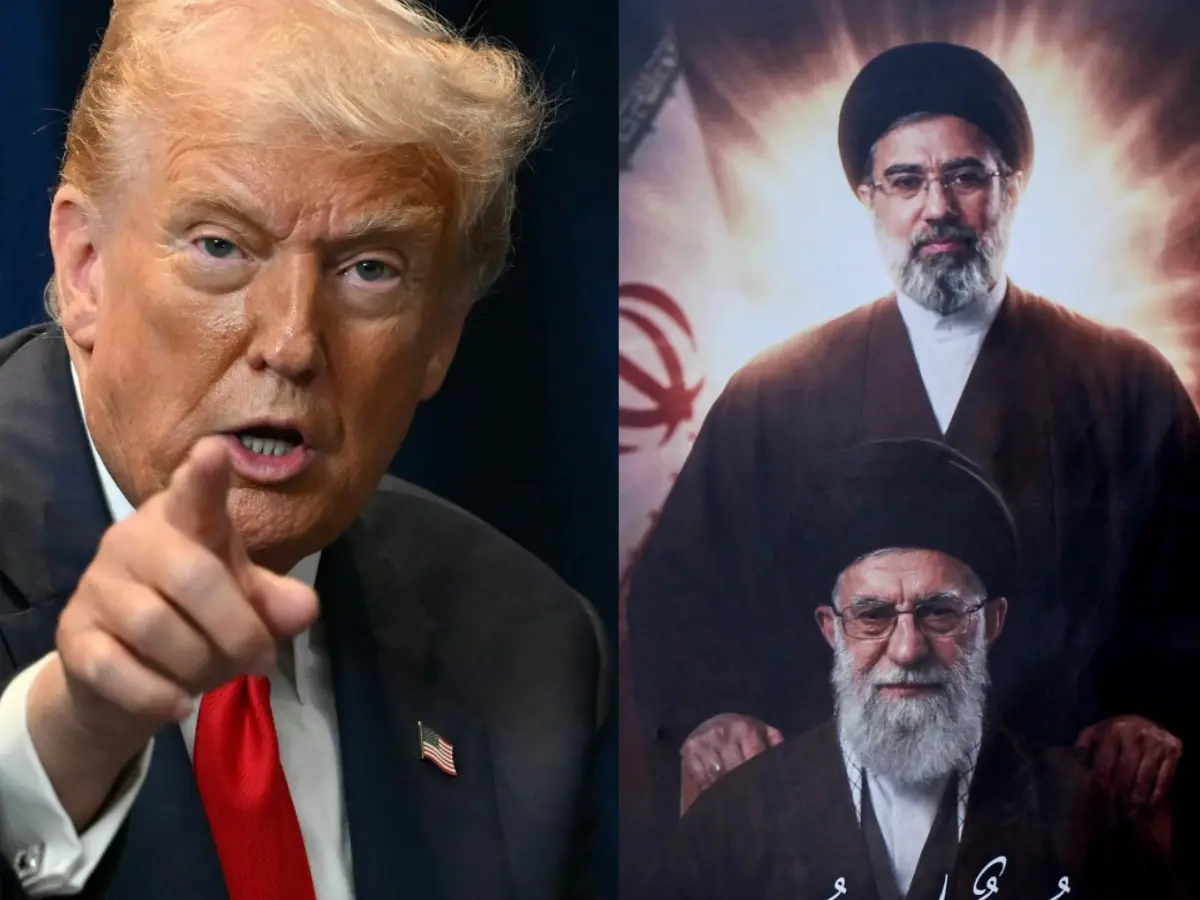
The current crisis began on February 28, when coordinated US and Israeli strikes targeted Iran’s leadership and military infrastructure, reportedly killing more than 2,000 people over five weeks, according to Associated Press. Iran’s response included effectively closing the Strait of Hormuz, a critical energy corridor through which roughly a fifth of global oil and gas flows, sharply impacting global trade and prices.
Pakistan’s Emergence as Mediator
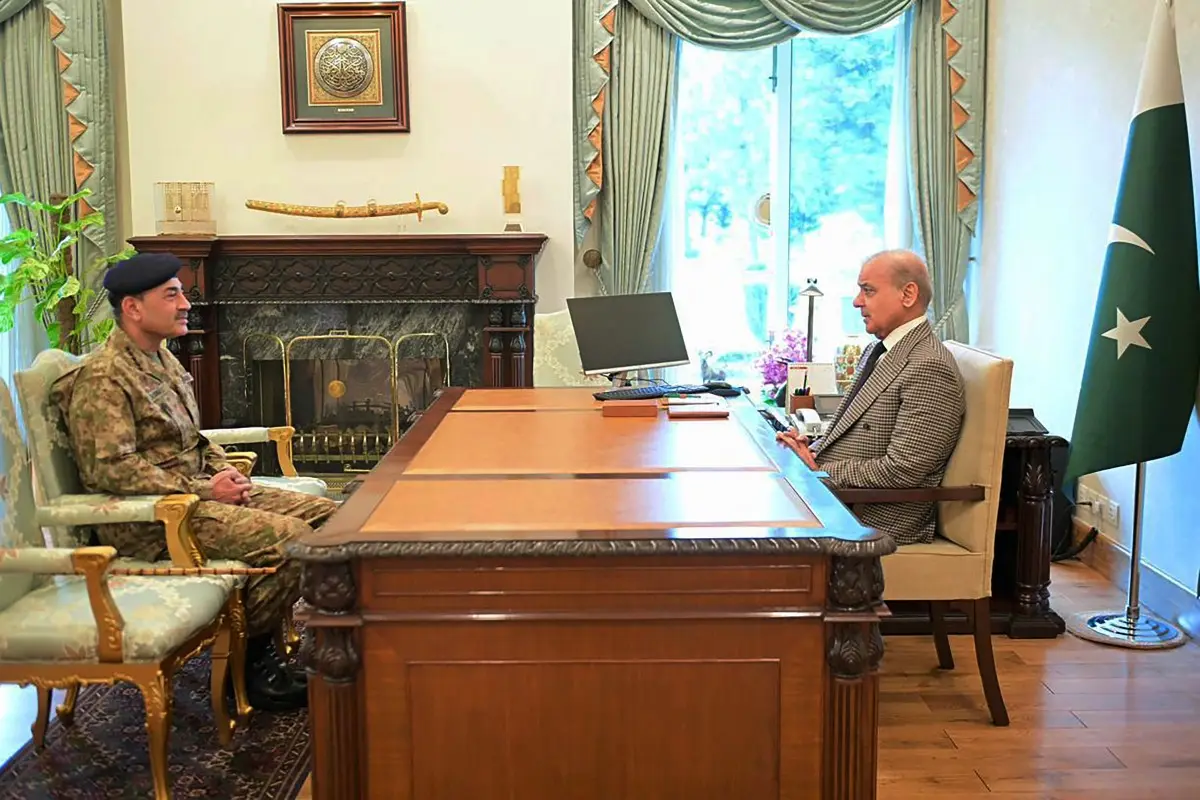
Pakistan’s role as host and intermediary marks a notable shift. While not traditionally central to such diplomacy, Islamabad maintains working relations with both Washington and Tehran. Its geographic proximity, historical ties with Iran and strategic partnerships with Washington, Riyadh and Beijing, it as a viable conduit for dialogue.
External Influence and China’s Role
China’s involvement has also been acknowledged. "On ceasefire night, hopes were fading, but China stepped in and convinced Iran to agree to a preliminary ceasefire," a senior Pakistani official familiar with the negotiations told AFP on condition of anonymity. This highlights the layered diplomatic engagement behind the talks.
Key Issues on the Negotiating Table
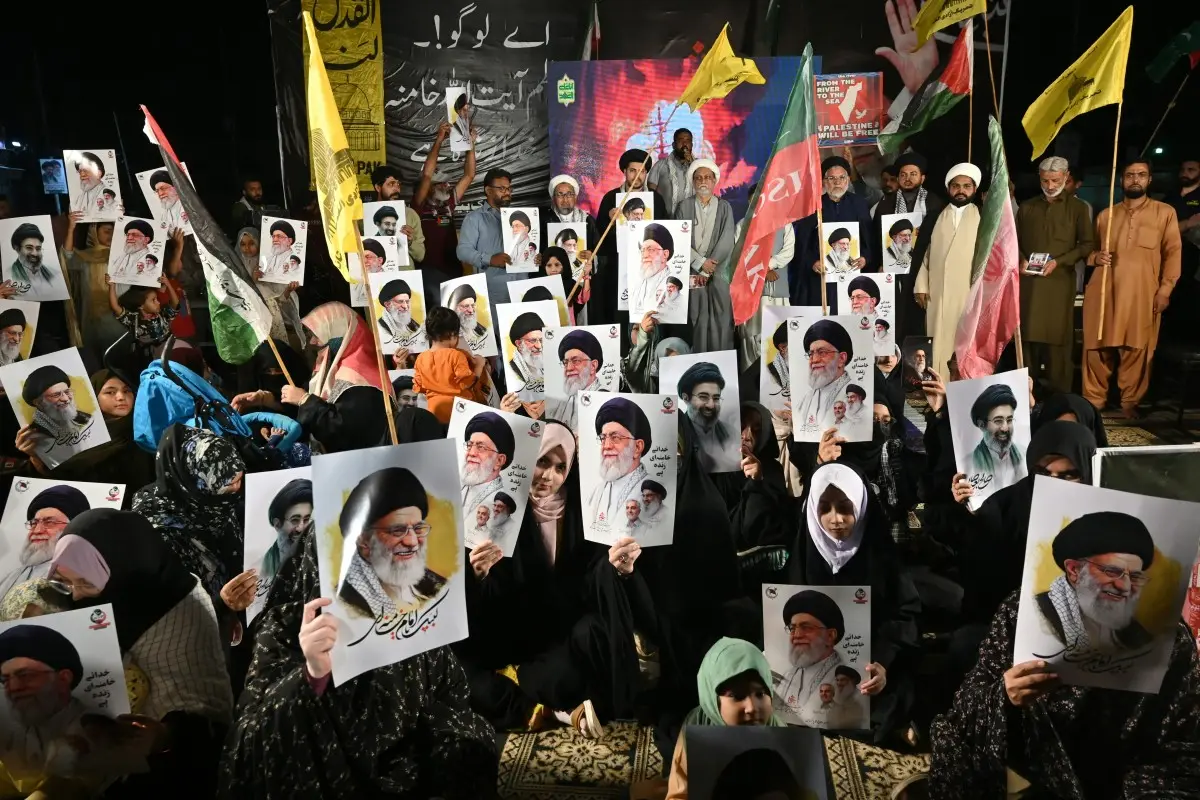
Substantial differences remain between the two sides. Washington's reported 15-point proposal address Iran’s nuclear programme, missile capabilities, sanctions relief and reopening the Strait of Hormuz. Tehran has countered with a 10-point plan demanding control over the strait, a toll for vessels crossing the strait, the lifting of sanctions and an end to regional military operations. Continued Israeli strikes in Lebanon have further complicated the process, with Iran warning the negotiations risk becoming “meaningless”. Additionally Tehran has also refused to concede to US & Israel's demands on its nuclear programme.
Who Will Represent Both Sides
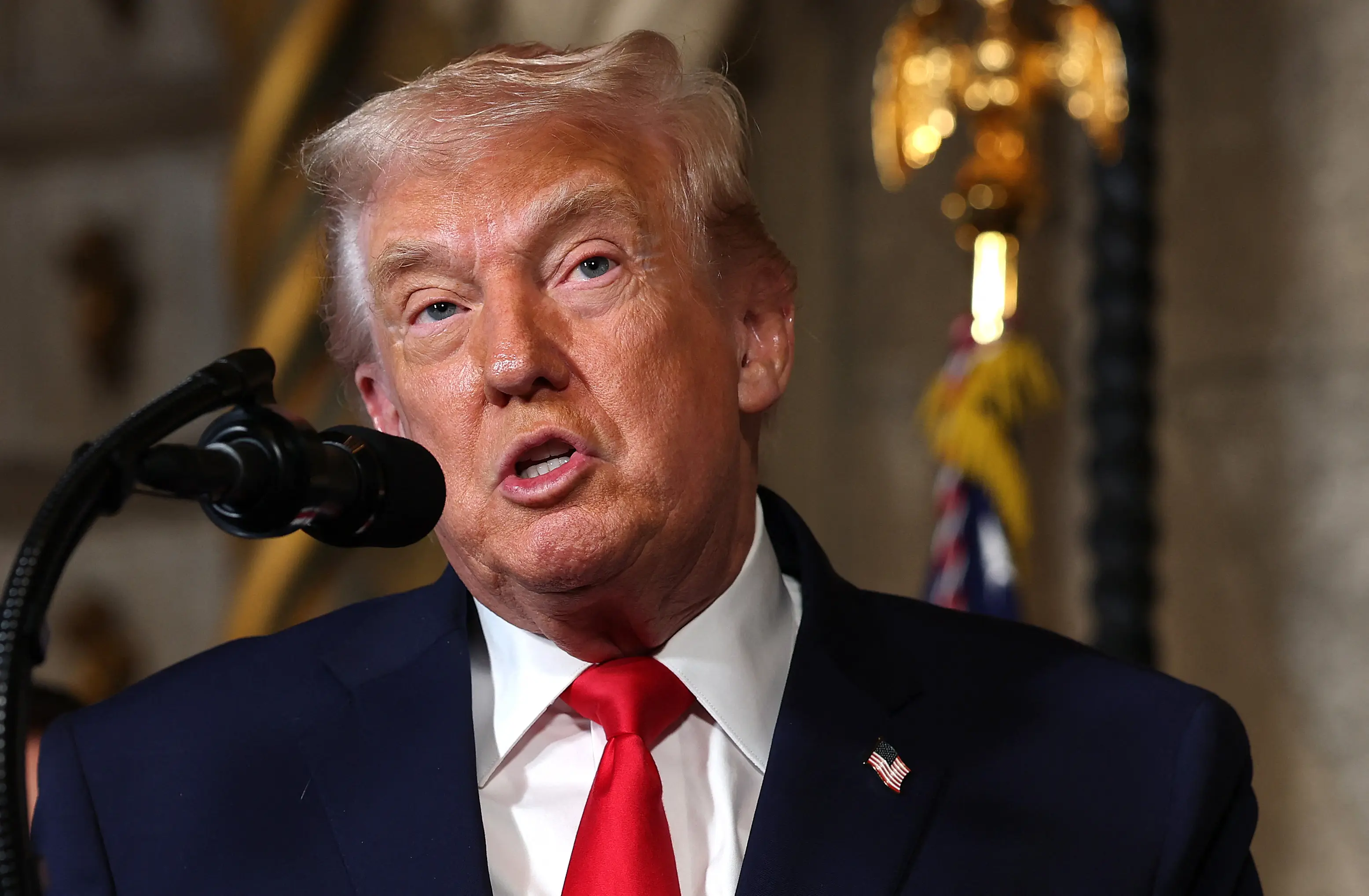
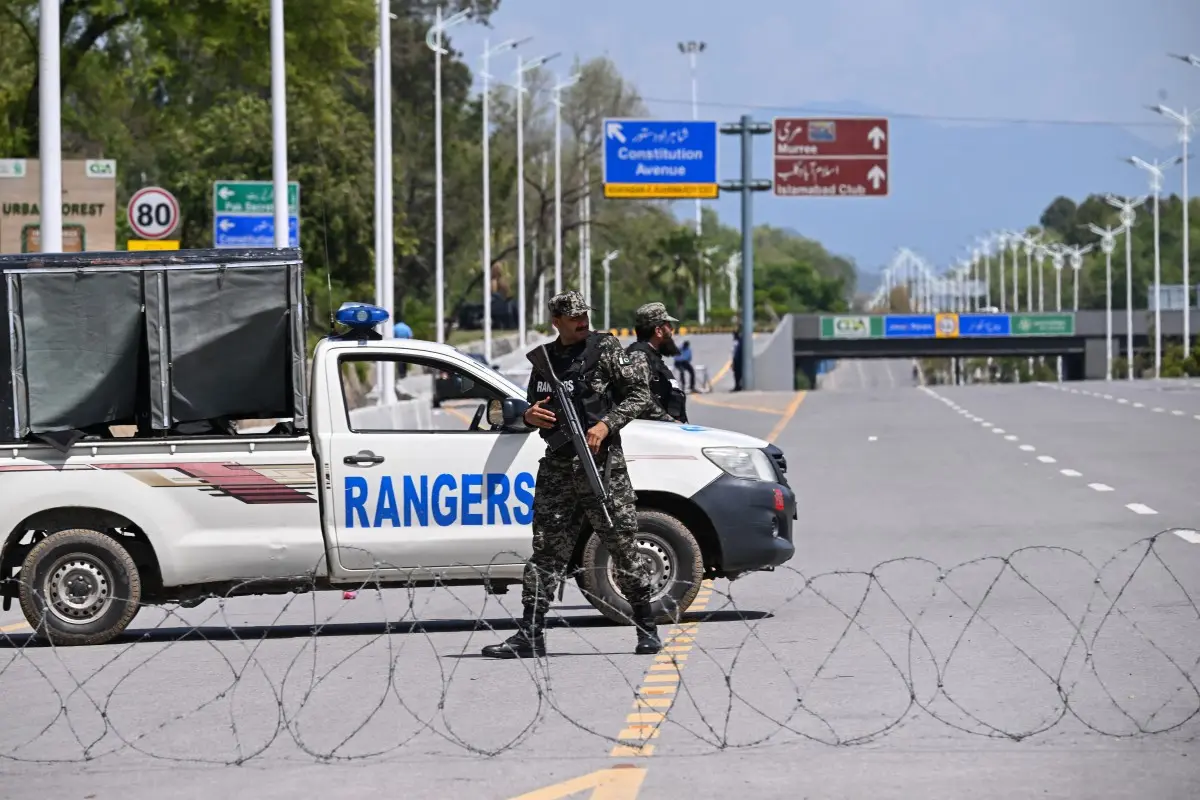
The United States delegation will be led by Vice President JD Vance, alongside envoy Steve Witkoff and Trump's son-in-law Jared Kushner. Iran is expected to be represented by Foreign Minister Abbas Araghchi and Parliament Speaker Mohammad Bagher Ghalibaf, a former Revolutionary Guard commander, however, it has not officially announced the composition of its delegation.
Venue not disclosed
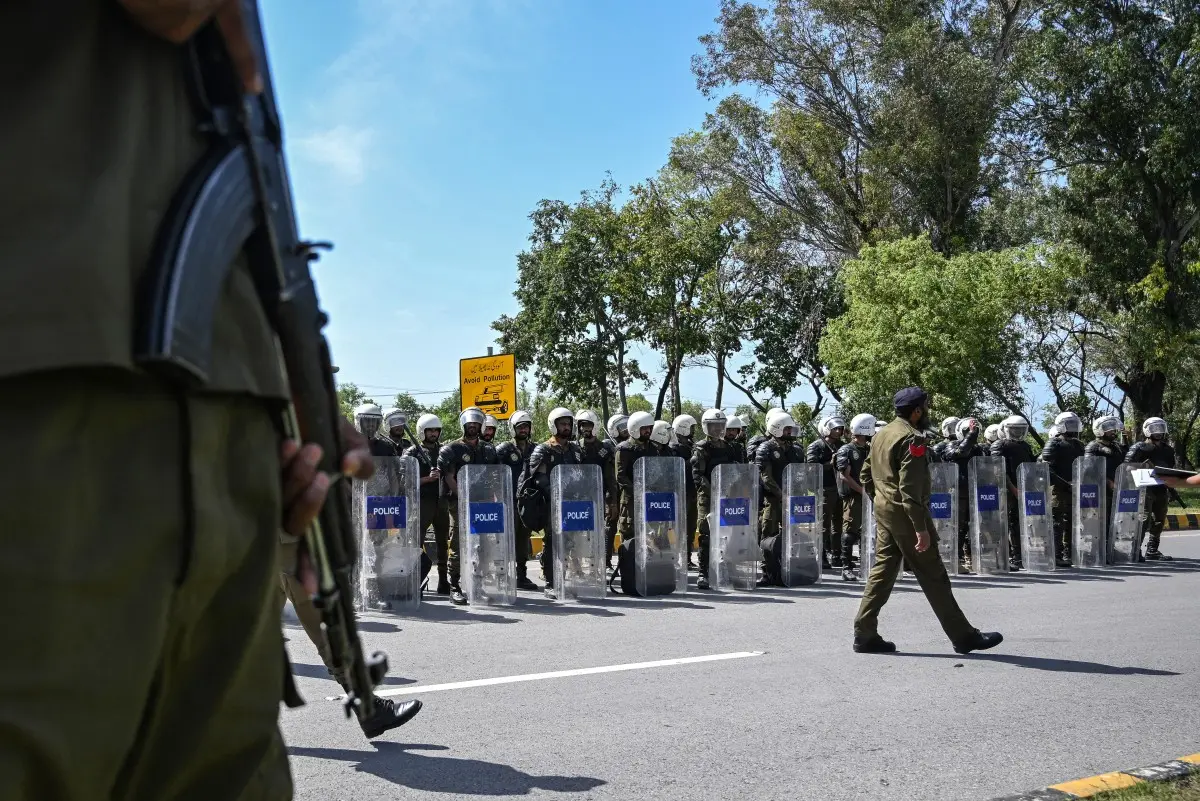
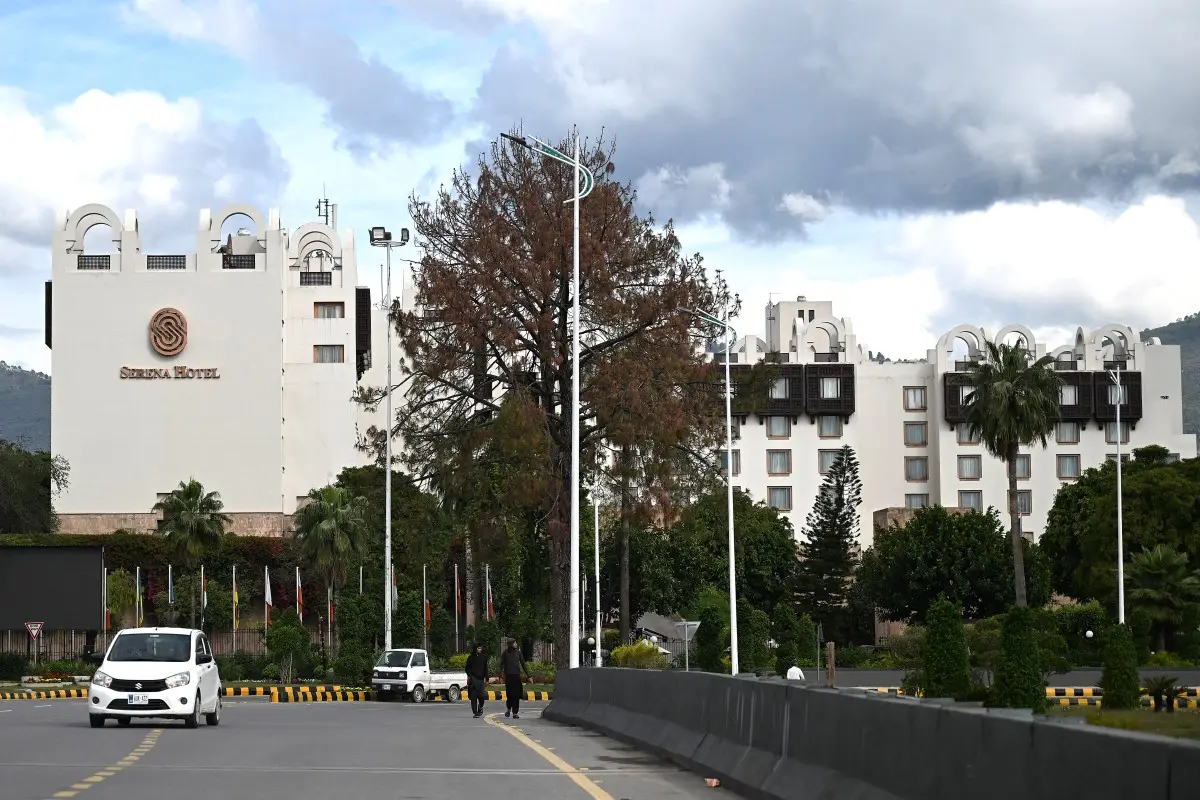
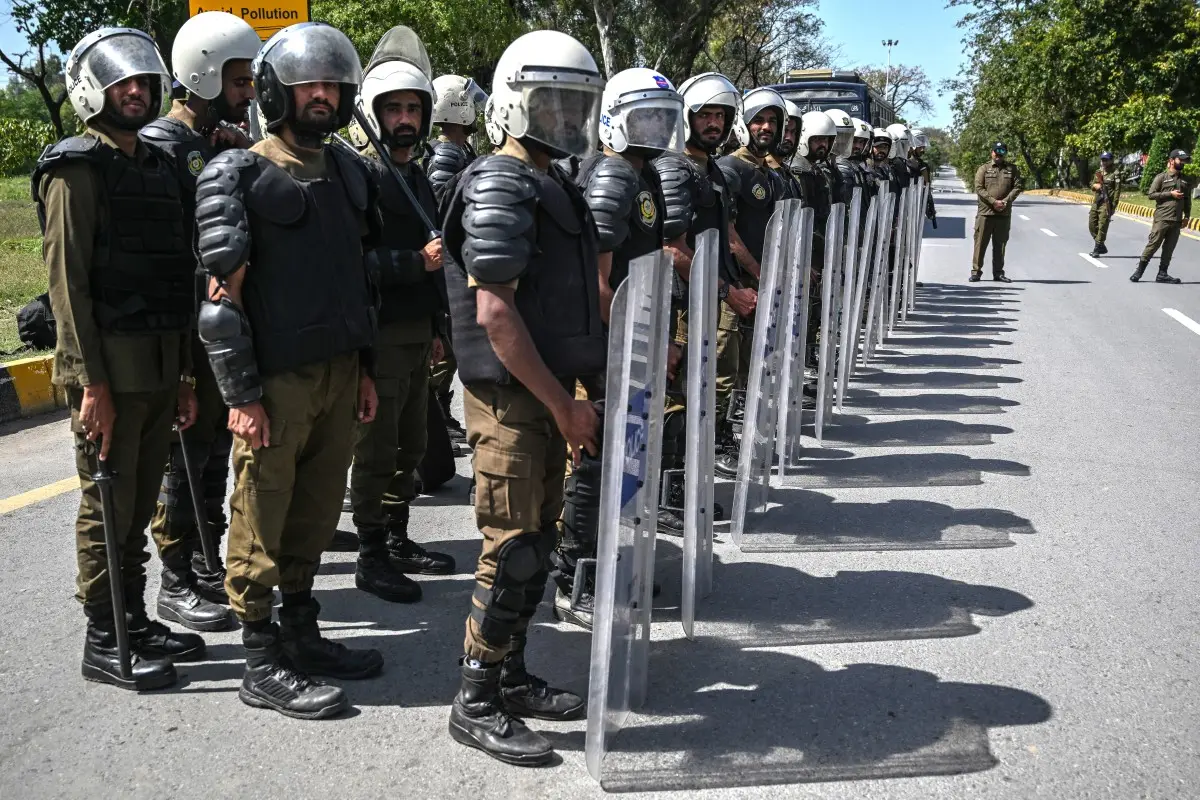
Security across Islamabad has been significantly tightened ahead of the talks, with authorities imposing public holidays, restricting movement and deploying additional forces throughout the capital. The government has revealed little about the arrangements and has not officially confirmed the venue. However, the Serena Hotel, situated next to the foreign ministry within the high-security Red Zone, asked guests to vacate earlier in the week, indicating preparations at key locations.
Islamabad Under Tight Security
The negotiations themselves are expected to proceed indirectly, with Pakistani officials shuttling proposals between the two delegations, mirroring earlier mediation formats. Life of millions across the Middle East will hinge on the outcome of make-or-break talks between the US and Iran this weekend in Pakistan.
)
)
)
)
)