Universal health coverage day 2025: World’s top 10 healthcare systems revealed - Here’s where India stands

Universal Health Coverage Day 2025 aims to raise awareness about the strong health systems and universal access to care without financial hardship, a major part of the Sustainable Development Goal. Here are the 10 countries which have the best healthcare systems in the world.
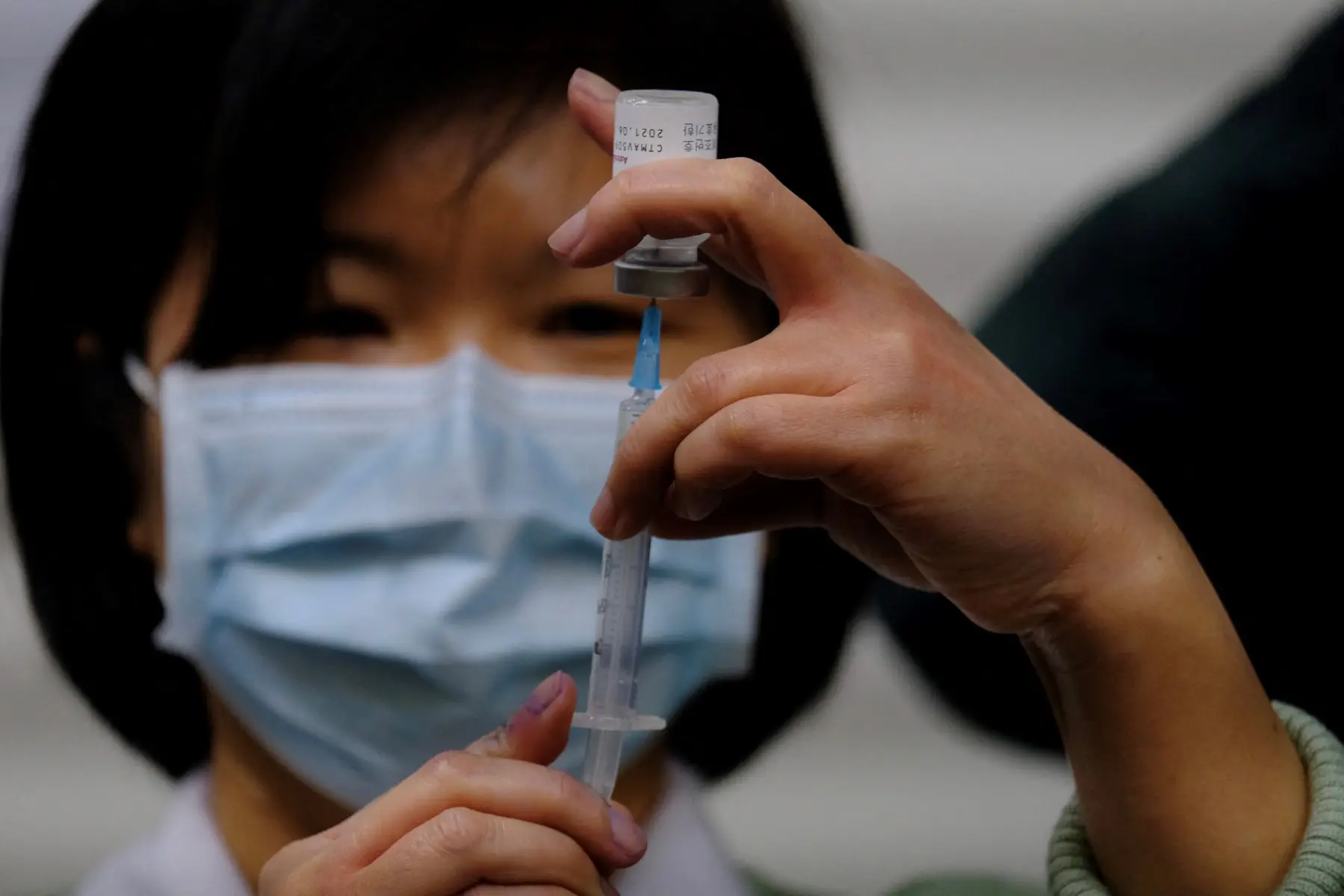
Taiwan
Taiwan is often ranked at the top of the list by multiple studies. It offers universal health coverage to everyone, citizens as well as expats, through its National Health Insurance. The system is easy to use, with almost everyone's record is available digitally through smart cards.

South Korea
South Korea ranks second due to its highly efficient medical Infrastructure and professionals. It does not have a free health care system; however National Health Insurance Service (NHIS) covers 50-80 per cent of the medical expenses.

Australia
Australia also ranks high in the healthcare Index. With a score of 74.11, it's third in the list. It possesses an efficient and advanced health care system. It has both a public and private health care system. The public health care system is available for all through Australia’s universal healthcare scheme. The private health care scheme costs between $60-$200.

Canada
Canada ranks 4th with a high Health Care Index of 71.32. Canada has a free public healthcare system for its residents and citizens. Canada also has a free public healthcare system for its residents and citizens. It spends approximately 11 per cent of its GDP on health. Technology and efficiency-wise, it is one of the most advanced health care systems in the world.

Sweden
Sweden ranks 5th with a healthcare index of 70.73. It has a flexible and affordable health care system, which ranges from $20-40. For non-citizens visiting from outside, a tax number called personnummer is required to access healthcare. Private healthcare costs around $400.

Ireland
Ireland is in 6th position with a healthcare index of 67.99. The country offers a universal healthcare system, which covers 30 per cent of the cost. In Ireland, the citizens and residents are divided into two groups, with one group being those with a medical card and the other without. Those who do not have a medical card have to pay for their own healthcare needs. Private health insurance costs around €500 to €4,000.

Netherlands
The Netherlands does not offer any public healthcare. It ranks 7th with a healthcare index of 65.38. Private health insurance costs around $90-$140, with different terms and conditions for different types of cards.
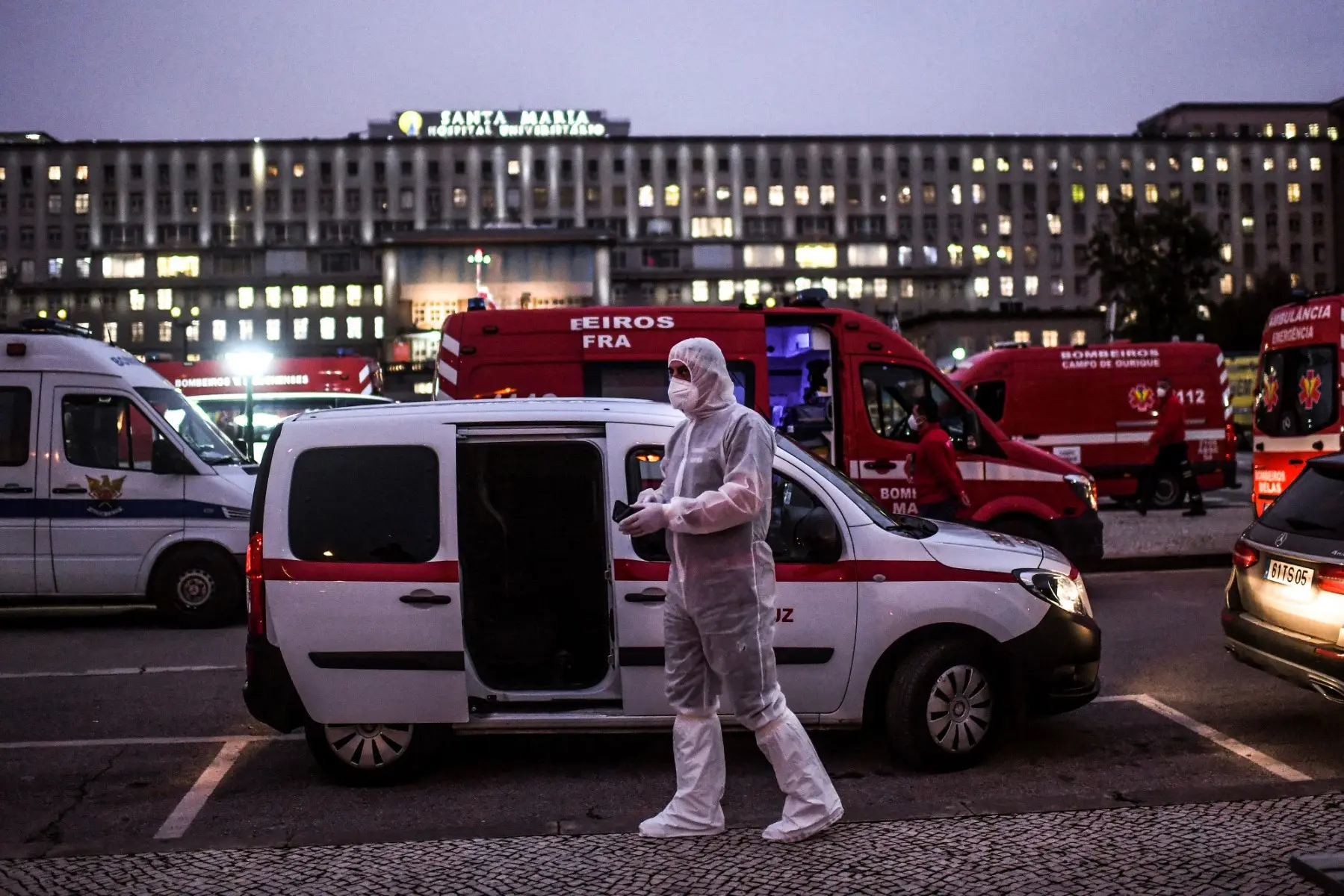
Portugal
Portugal falls in the moderate category with a healthcare index of 51.99. It provides free medical coverage to some extent and at reasonable costs. Private insurance, costing €30 to €150 per month.

Italy
Italy is at 9th and scores 51.9 in the Health Care Index with its Servizio Sanitario Nazionale (SSN). For citizens, basic treatment cost is covered; for expats, the cost is covered from the visa fee. Complex treatments such as laser surgery and cosmetic surgeries are not covered by the government.
Greece
Greece ranks 10th with a Healthcare Index of 46.24. The public system is called the National Health System (ESY), offering free or subsidised treatment to all of its residents. For citizens, it's free; however, for expats, it's covered from the Golden Visa cost, which is acquired through Greek residency via a real estate purchase of at least €250,000.
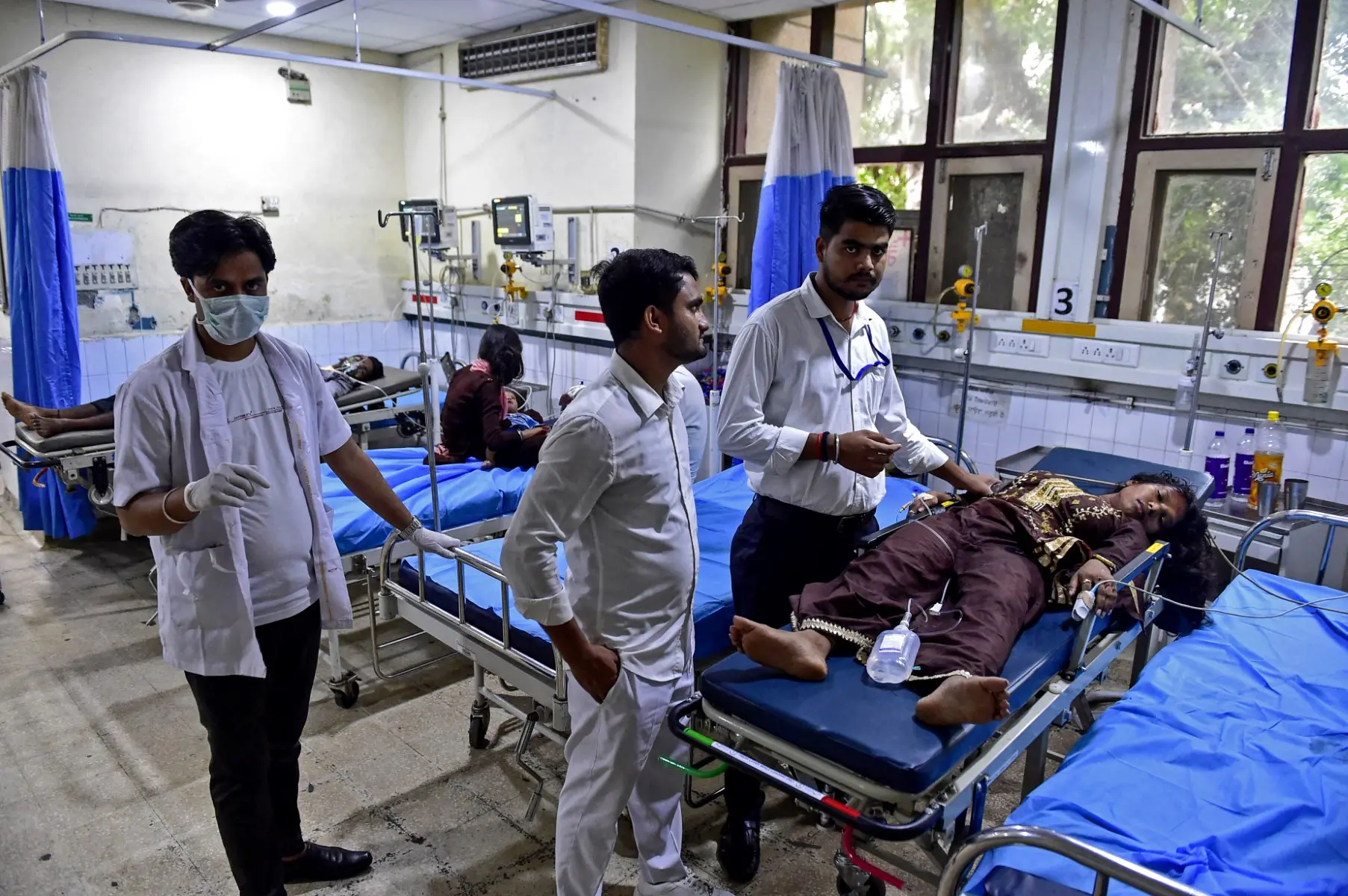
India
India ranks 45th in the world with a Healthcare Index of 45.8 out of 100. India is dominated by Private players, and the government is pushing for a universal health care system by 2030 through initiatives like the Ayushman Bharat program. However, the system remains plagued with corruption and low efficiency.
)
)
)
)
)