Understanding the key factors that make Donald Trump interested in Venezuela’s oil

Venezuela’s 303 billion barrels of oil, about 17% of global reserves, make it strategically vital for Donald Trump. The US needs heavy crude for its refineries and wants to curb China’s influence.
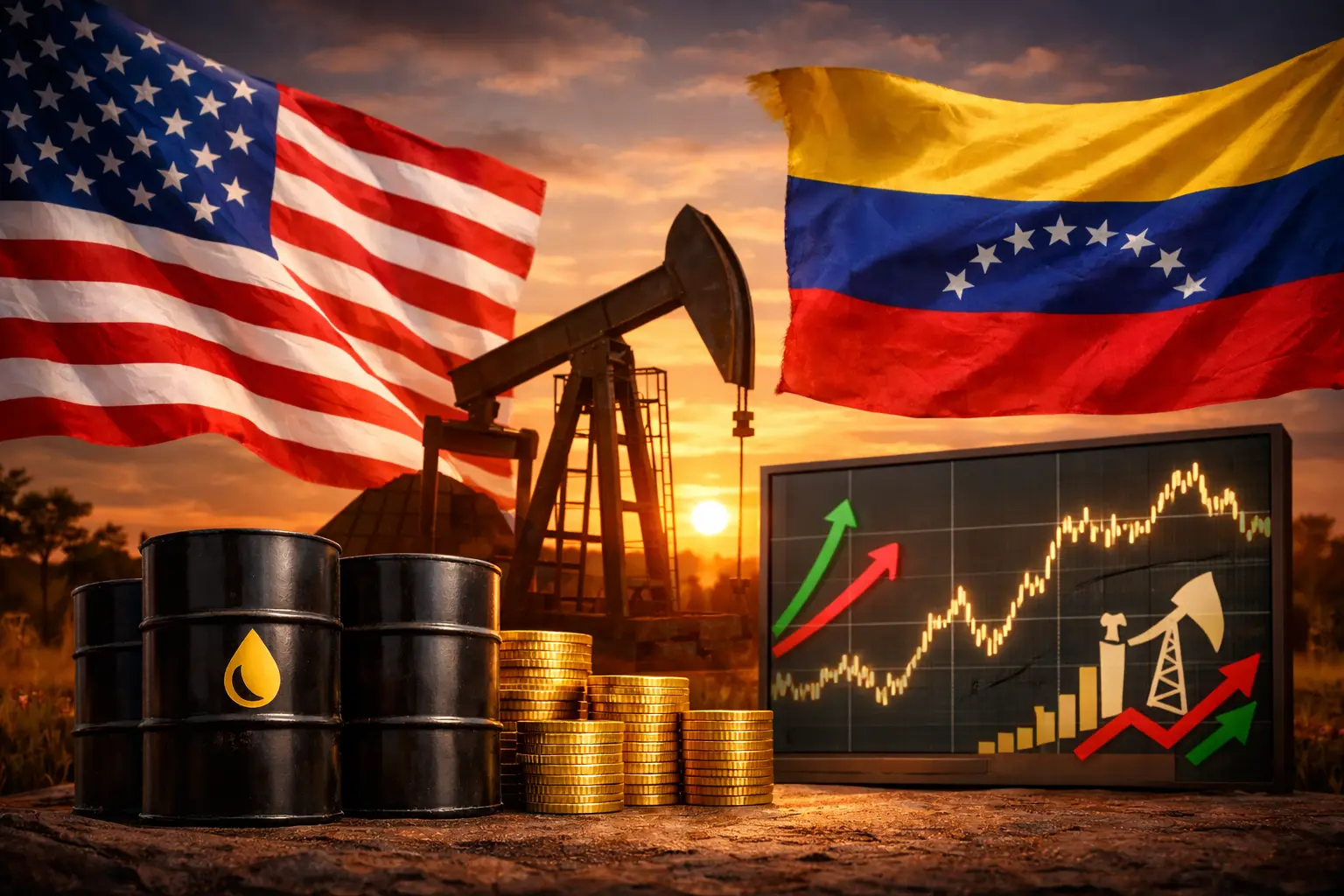
303 billion barrels of reserves
Venezuela sits on the world’s largest proven oil reserves, holding about 17 per cent of the global total. According to the Energy Institute, this amounts to roughly 303 billion barrels, primarily located in the Orinoco belt. This sheer volume of untapped energy is a major strategic draw for the Trump administration.

Why the US needs 'gloopy' oil
Despite being the world's top oil producer, the US mostly pumps 'light' crude. However, Gulf Coast refineries in Texas and Louisiana are designed to process 'heavy' crude. Sky News writes that the US must import over 6,000 barrels a day of this specific type to keep its gasoline production efficient, making Venezuela’s supply vital.
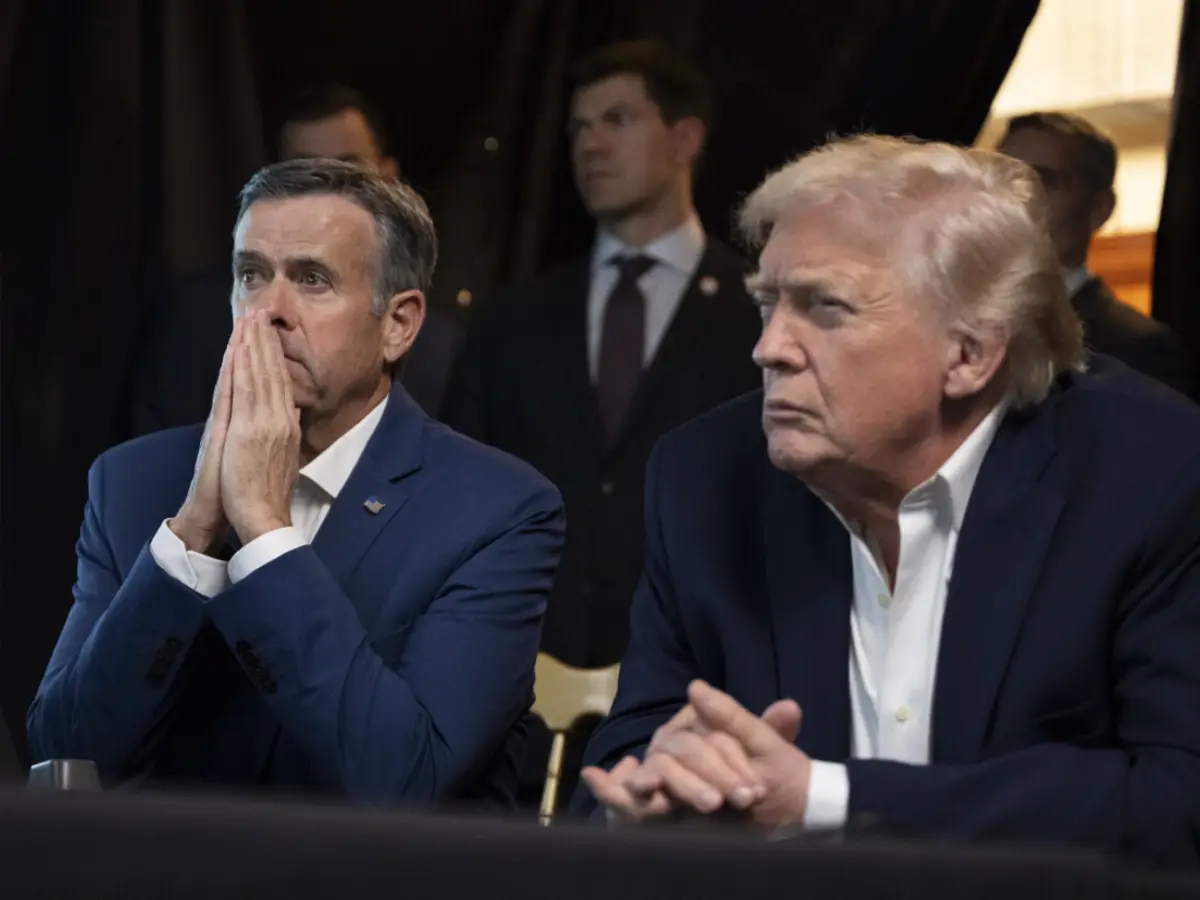
Replacing Russian and Chinese influence
Currently, China is the main buyer of Venezuelan oil due to US sanctions. By taking control of these resources, Trump aims to redirect this supply back to the West, effectively cutting off a key energy source for Beijing and reducing US dependence on other geopolitical rivals like Russia for heavy oil imports.
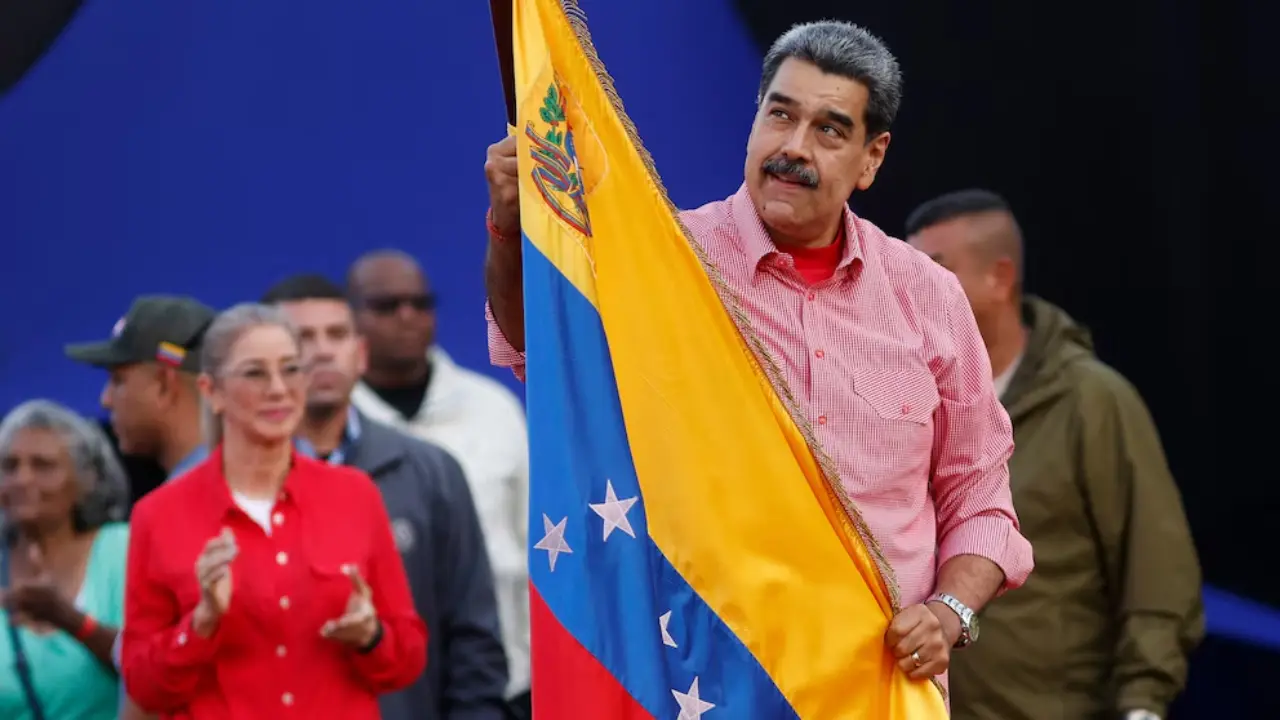
Production down to 1.1 million barrels
Once producing 3.5 million barrels daily in the 1970s, Venezuela’s output slumped to 1.1 million barrels last year. Years of underfunding and corruption have left the industry 'badly broken'. Trump has stated that US oil giants will need to invest billions to fix this infrastructure before the oil can flow freely again.

"It won't cost a penny"
Donald Trump has claimed that the US operation to stabilise Venezuela will pay for itself. He argues that American companies will extract the oil to cover the costs of the intervention, asserting that the financial burden will be met by 'money coming out of the ground' rather than US taxpayers.
Major Players Ready to Move
Currently, Chevron is the only US energy firm operating in Venezuela. However, other giants like ExxonMobil and ConocoPhillips are monitoring the situation. While some companies remain cautious about the 'logistical hurdles', Trump has promised to open the doors for these firms to revitalise the sector.
Tens of billions in repairs needed
Experts warn that restarting Venezuela's oil engine won't be instant. Analysts at Third Bridge estimate it will take 'tens of billions of dollars' and years of work to turn the industry around.
)
)
)
)
)