Top 6 fighter jets that became the biggest disasters in aviation history

Not every fighter jet is a marvel of engineering. Some, despite huge budgets and bold ambitions, ended up being dangerous to their own pilots, underpowered in war, or just flat-out embarrassments to their makers. These are the six worst fighter jets ever built.
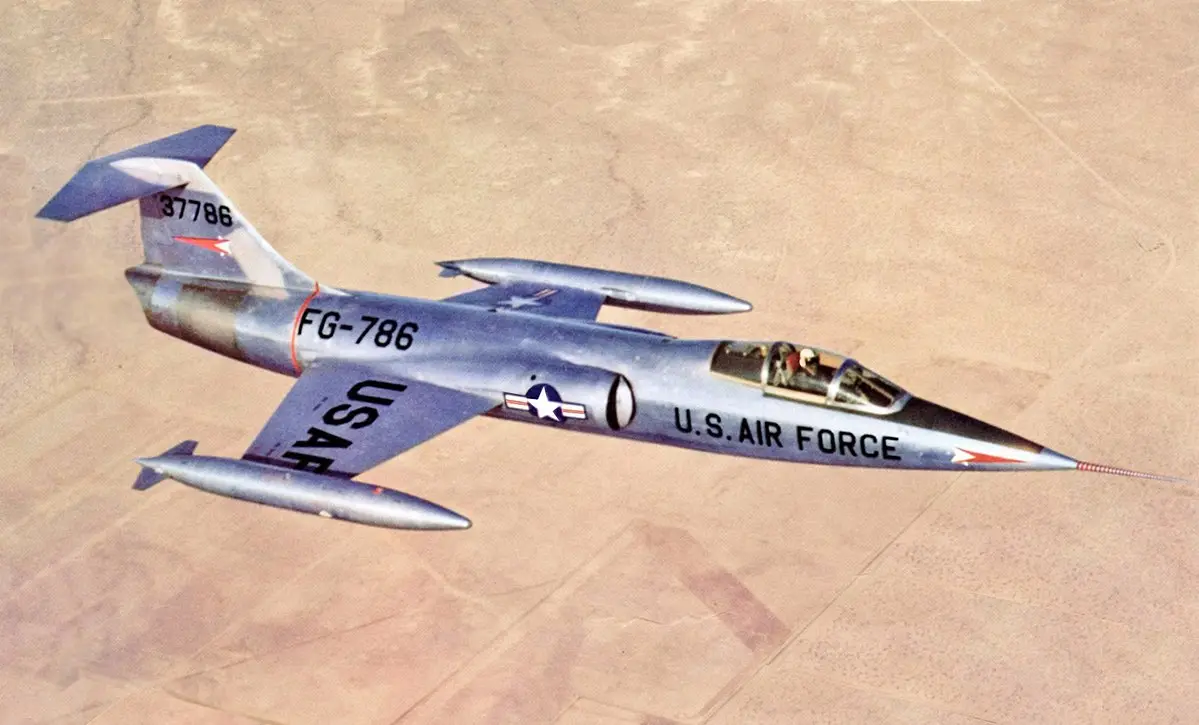
F-104 Starfighter – The “Widowmaker”
Nicknamed the “Widowmaker,” the Lockheed F-104 Starfighter was designed for blistering speed, not survival. While it set records in the U.S., Germany lost over 292 of them to crashes, killing 115 pilots. Its razor-thin wings and poor low-speed handling made landings and turns extremely dangerous. Despite its Mach 2 speed, it was almost useless in real dogfights and bombing missions. It became a symbol of how speed alone doesn’t win air wars.
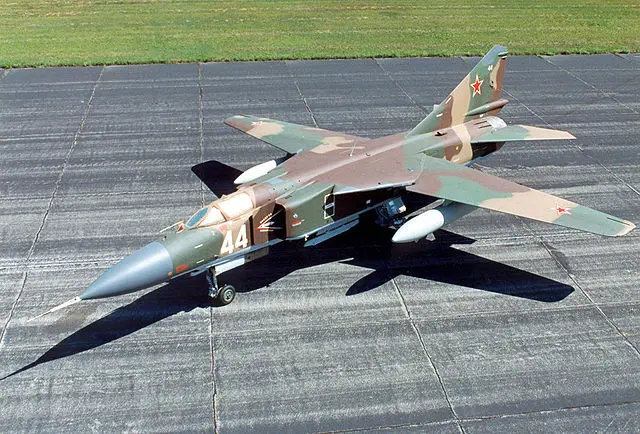
Mikoyan-Gurevich MiG-23 – Fast, Fragile, Forgotten
The Soviet MiG-23 Flogger was designed with swing wings and high speed to counter Western jets. But it was plagued with engine failures, terrible rear visibility, and a tendency to lose control mid-flight. Exported widely, it earned a reputation for being unstable and deadly, for its own pilots. During the Gulf War, Iraqi MiG-23s were shot down easily by American F-15s, revealing just how outdated and vulnerable they really were.
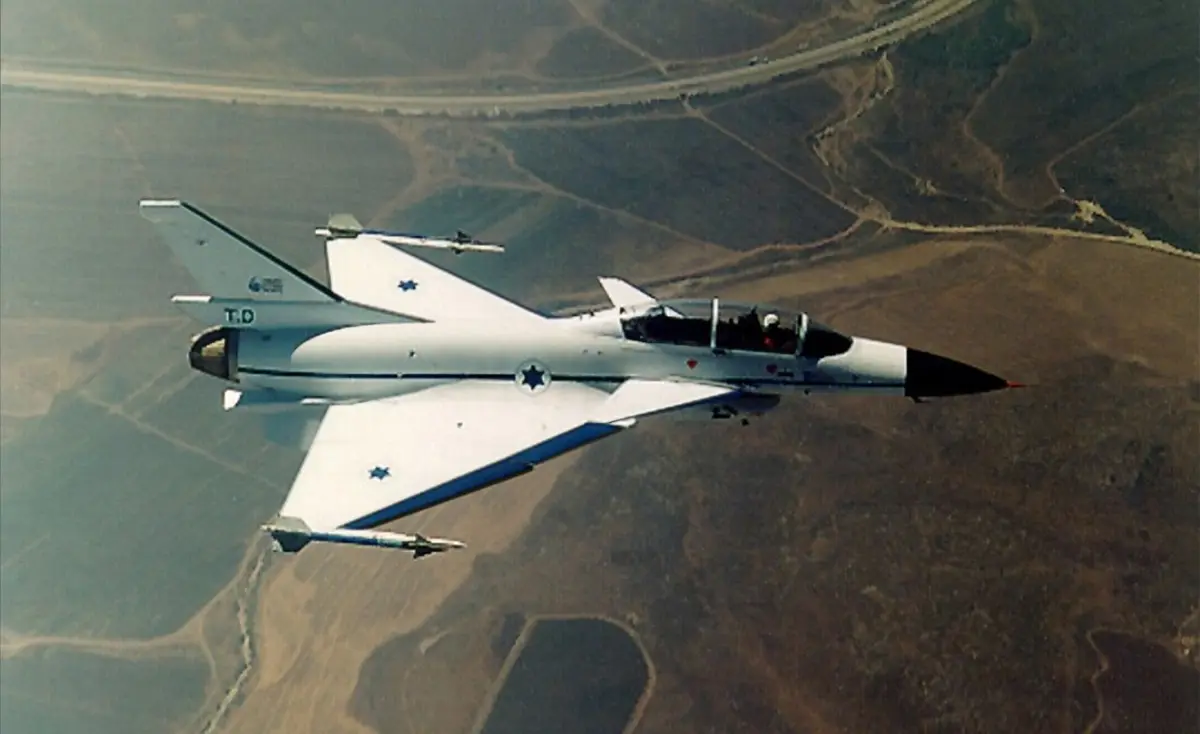
IAI Lavi – The Billion-Dollar Ghost Jet
The Israeli Lavi was supposed to be the pride of Israel’s air force, a cheaper, home-built alternative to the F-16. But it ended up being too expensive to complete, with just two prototypes ever flying. It burned through billions before being cancelled under U.S. pressure and strategic doubts. Though technically impressive, the Lavi became a cautionary tale of how politics and funding can ground even the best designs.
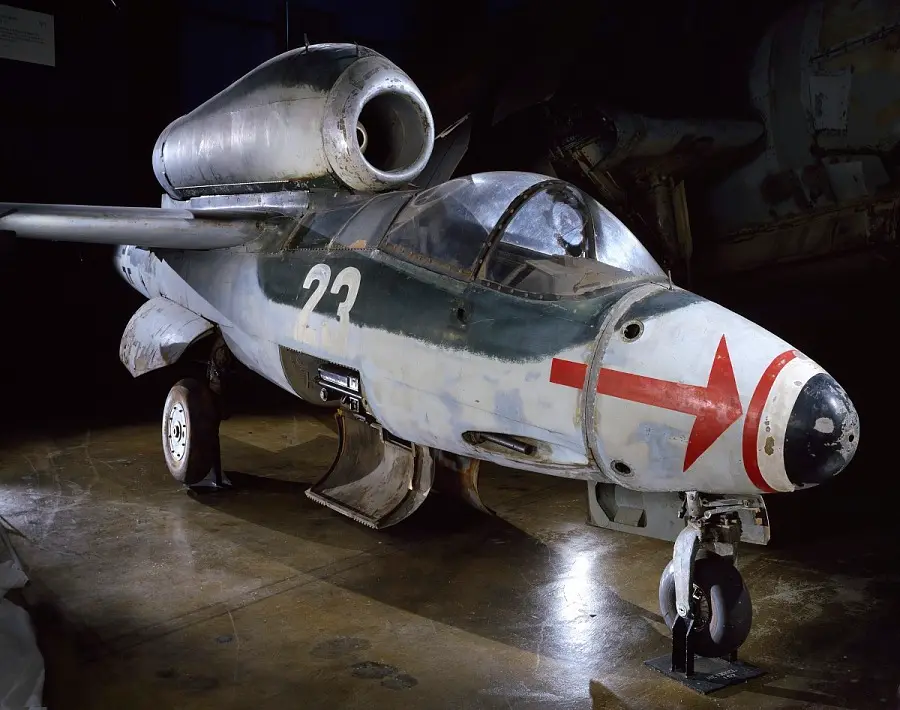
Heinkel He 162 – Built in 90 Days, Crashed in 10
Germany’s He 162 Volksjäger was a last-ditch WW2 jet fighter built in under 3 months. But it was made of cheap materials, highly unstable, and powered by a single BMW 003 jet engine mounted above the fuselage. It could fly fast but was nearly unflappable. Many crashed before seeing combat, and it was often assigned to teenage pilots with little training. It’s remembered more as a symbol of Nazi desperation than aviation success.
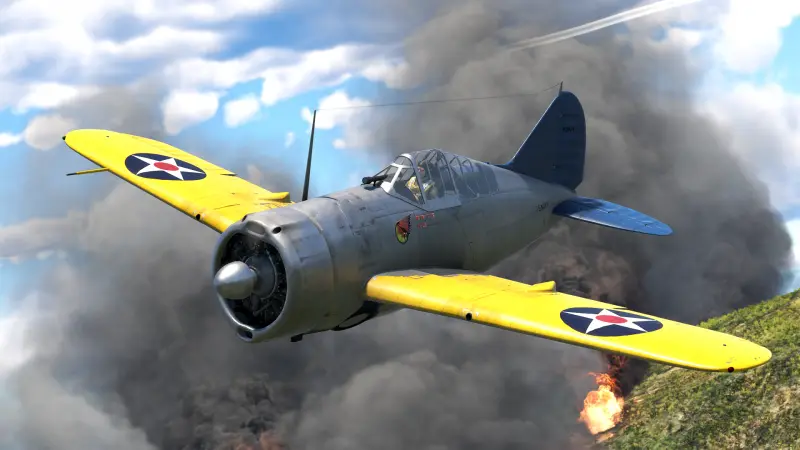
Brewster F2A Buffalo – America’s Worst WWII Fighter
The Brewster Buffalo was a complete failure in air combat. Deployed early in World War II, especially in the Pacific, it was slow, under-armed, and clumsy against Japanese Zeros. In the Battle of Midway, U.S. Marines flying Buffalos were decimated. Its poor engine performance and terrible dogfighting ability led to it being pulled from frontline use quickly, replaced by more capable aircraft like the Wildcat and Hellcat.
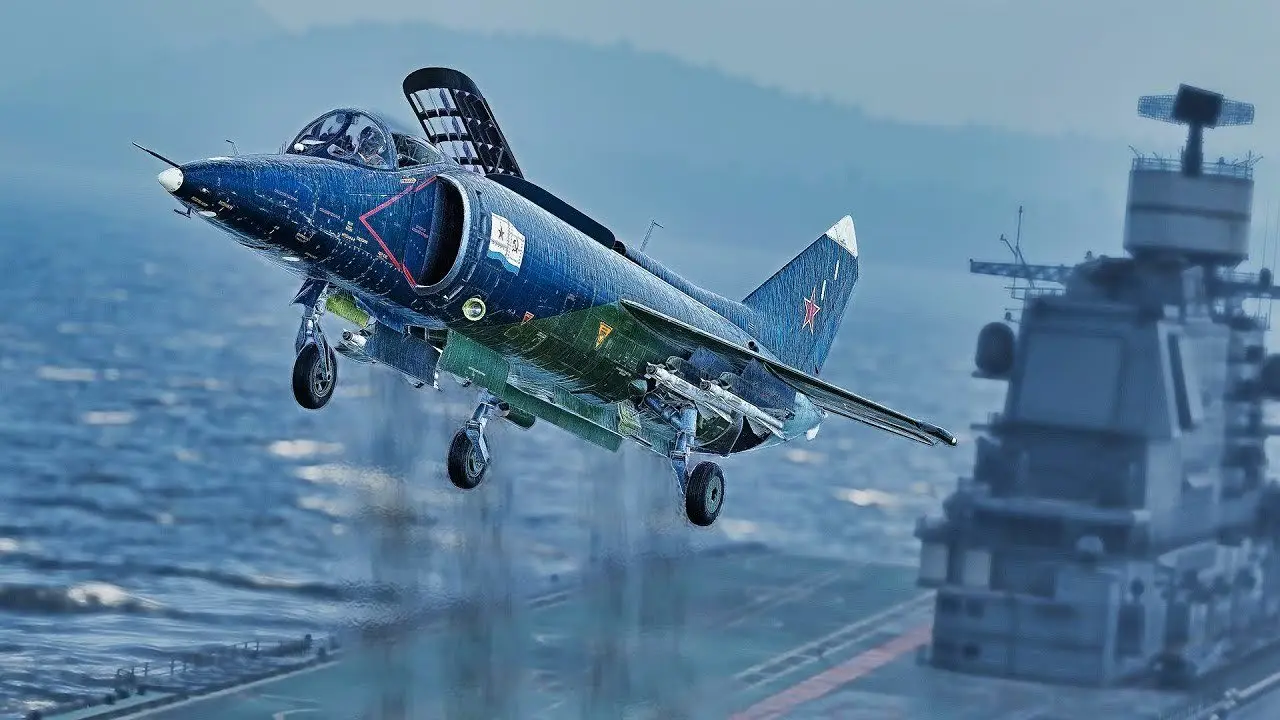
Yakovlev Yak-38 – The Soviet Harrier Fail
This was the USSR’s answer to the British Harrier jump jet and it failed spectacularly. The Yak-38 had no radar, limited fuel capacity, and dangerously unreliable engines. It could barely take off vertically without overheating, and the auto-ejection system would sometimes eject the pilot for no reason. With extremely short range and almost no combat value, the Yak-38 was quietly phased out, never feared by NATO pilots.

When Fighter Jets Fail, It’s Not Just About Money
These jets weren’t just technological missteps, they were often deadly, overhyped, or politically doomed. Some killed their own pilots, others were shot down with ease, and a few never made it past the testing stage. They remind us that supersonic dreams can crash hard when design, strategy, and reality don’t align.
)
)
)
)
)