Top 5 important revolutions in world's history that shaped modern civilisastion

In the history of the world, various revolutions and organised groups fought for their lives to replace existing ruling systems. Many of them failed, while some achieved remarkable success. These uprisings influenced several, extending across continents. Check the top 5 revolutions.
1. The French Revolution (1789 – 1799)
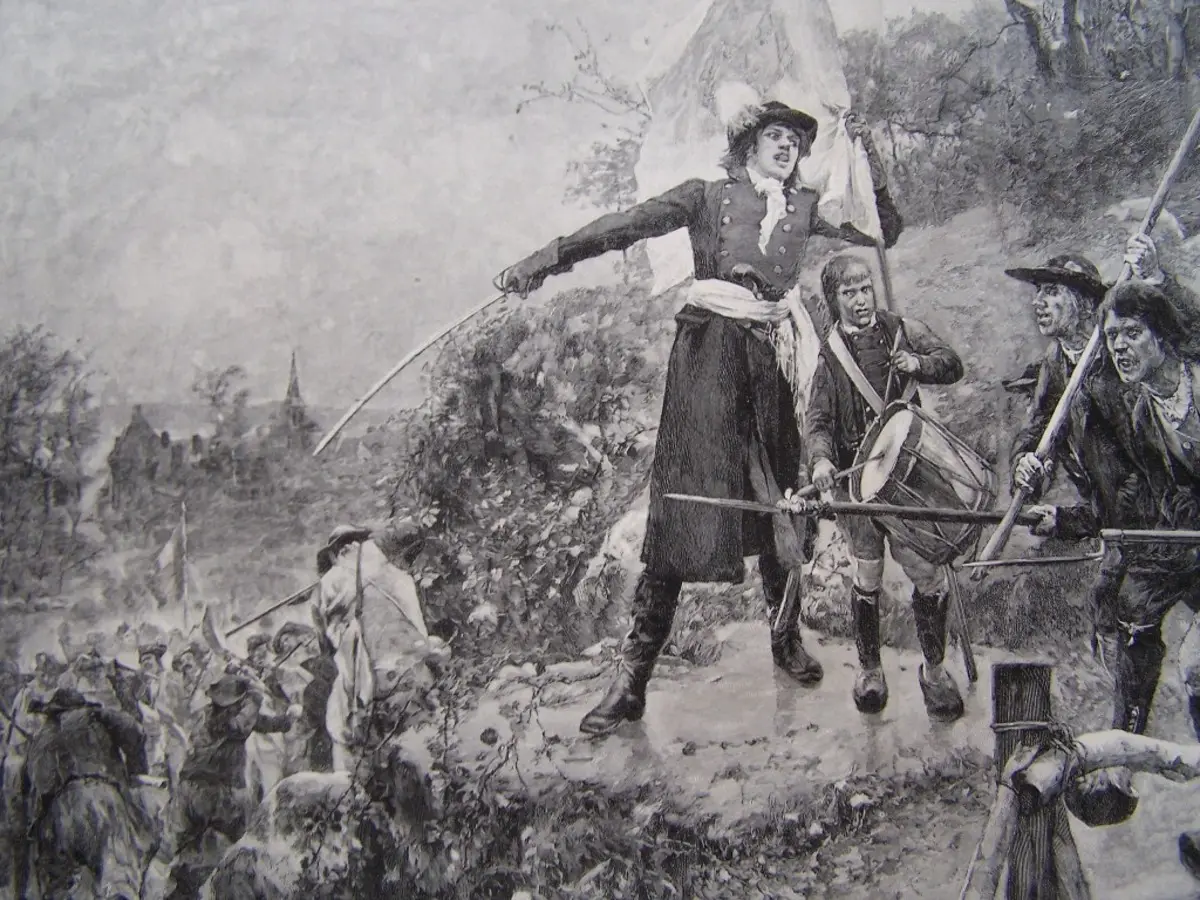
By the late 1700s, France was divided between the struggling poor and the wealthy nobility. Anger over heavy taxes and royal excess boiled over on July 14, 1789, when revolutionaries stormed the Bastille, sparking the French Revolution. The years that followed saw riots, fear, and radical reformers like Robespierre calling for sweeping change.
In 1792, King Louis XVI was arrested, and the monarchy fell. His execution in 1793 triggered the Reign of Terror, where thousands were killed. After years of bloodshed and instability, Napoleon Bonaparte seized power in 1799, ending the revolution but leaving behind a legacy of people’s power.
2. The American Revolution (1765 – 1783)
Tensions between Britain and its 13 colonies began in 1765 with the Stamp Act, sparking protests against unfair taxation. Anger grew, leading to the 1773 Boston Tea Party, where rebels dumped tea into Boston Harbor.
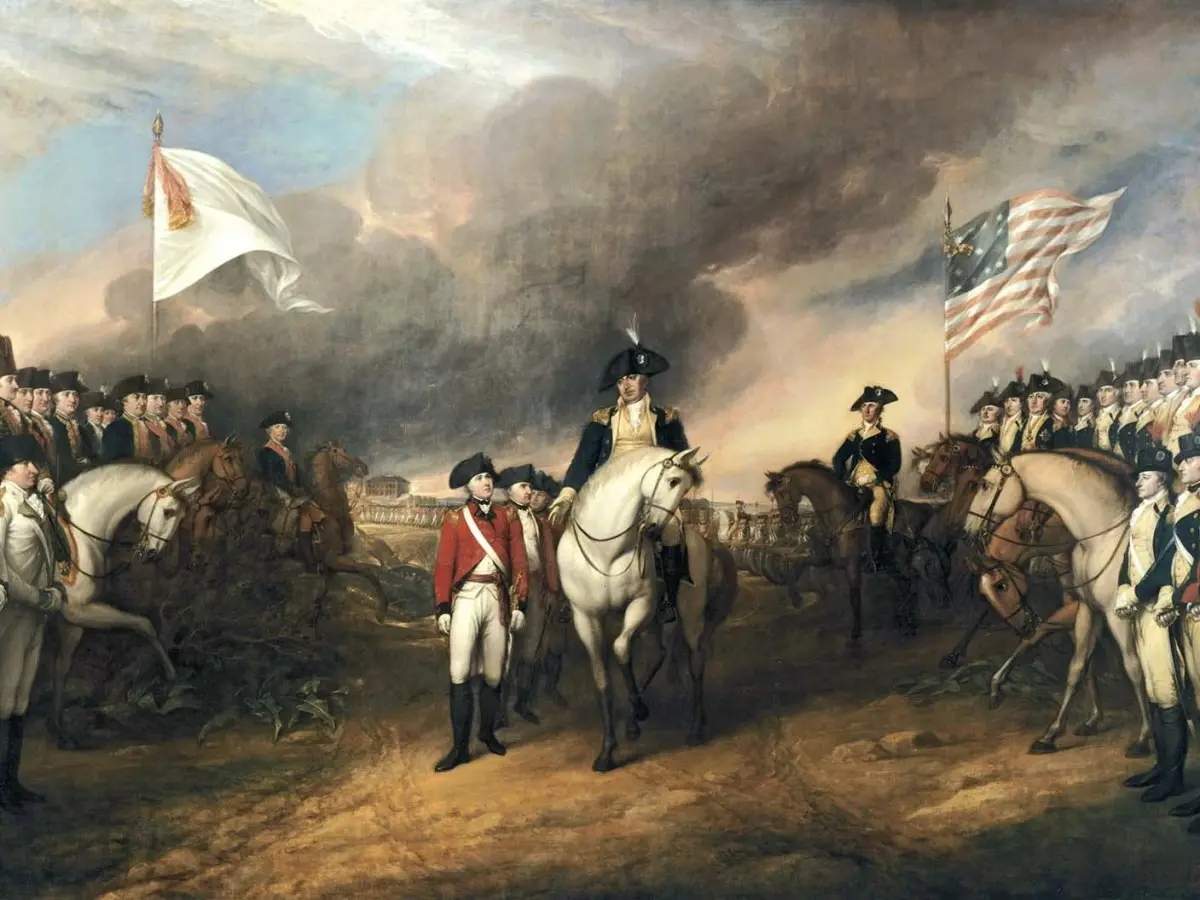
In 1774, delegates formed the Continental Congress to oppose taxation without representation, though independence was not yet demanded. Fighting erupted in 1775 at Lexington and Concord, and by July 4, 1776, the colonies declared independence. Years of conflict followed until George Washington, aided by French forces, defeated the British at Yorktown in 1781. The war ended with the 1783 Treaty of Paris, securing American independence.
3. The Haitian Revolution (1791 – 1804)
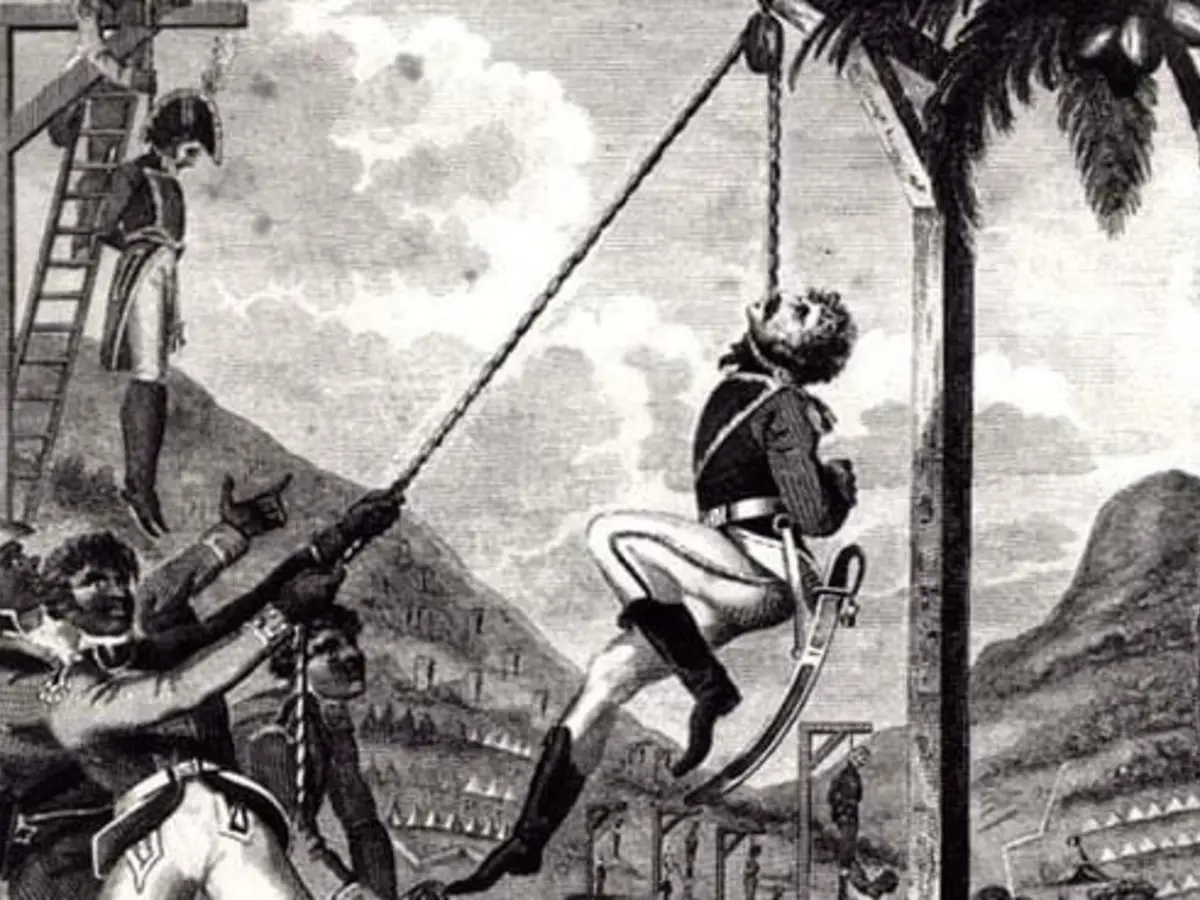
Saint Domingue, today it is known as Haiti, was a wealthy French colony on the island of Hispaniola. Inspired by the French Revolution, enslaved people launched a massive uprising on August 22, 1791. Led by Toussaint L’Ouverture, a former slave, they quickly gained ground, seizing a third of the island within a year. To ease tensions, France’s National Assembly granted rights to free men of colour in 1792, but conflict escalated when local whites allied with Britain and Spain to suppress the revolt.
In 1794, France officially abolished slavery in Saint Domingue, prompting L’Ouverture to support the French and defeat British forces. By 1801, he declared himself Governor-General for life. Napoleon later sent troops to retake the colony, capturing L’Ouverture, who died in a French prison. His general, Jean-Jacques Dessalines, carried on the fight, defeating French forces at Vertières in 1803. On January 1, 1804, Haiti became the first independent Black republic, a landmark in world history.
4. The Chinese Revolution (1911)
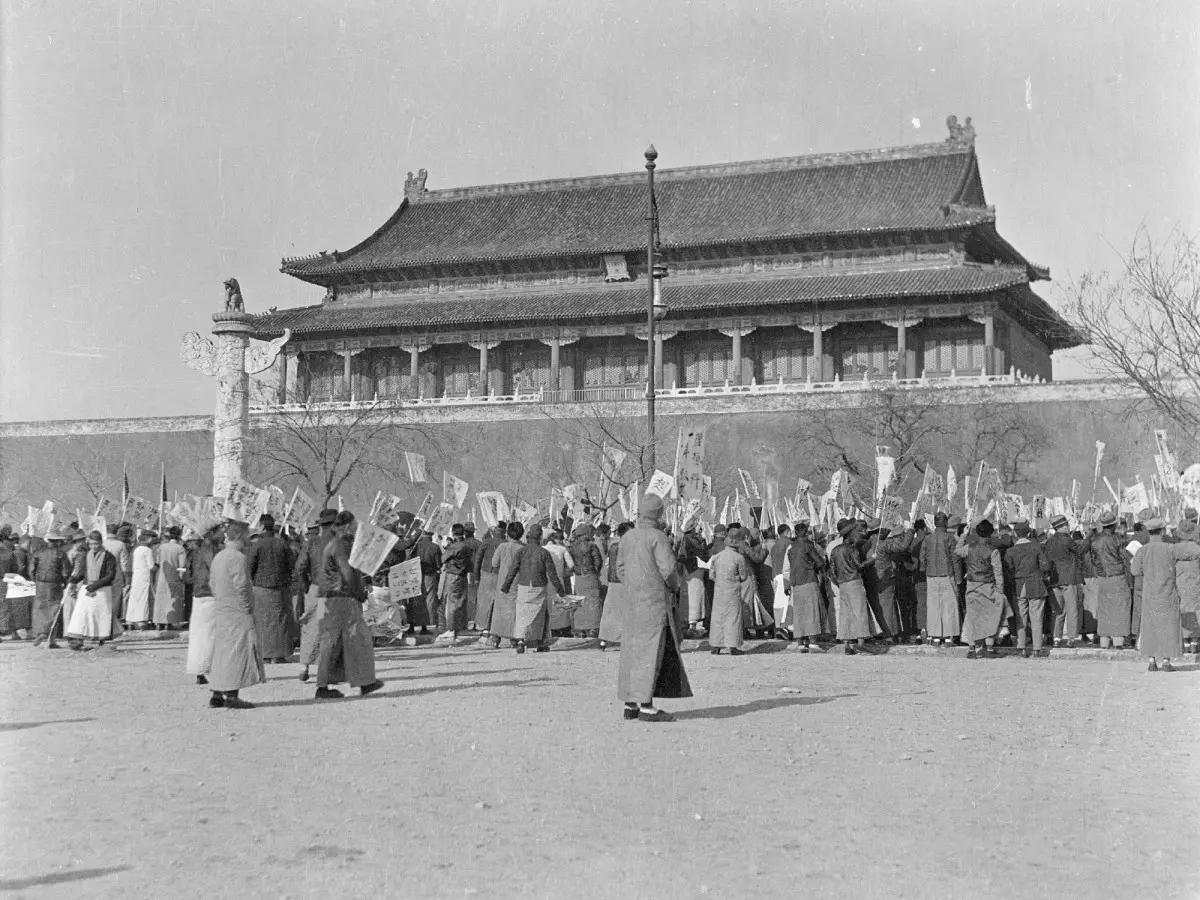
The Qing dynasty was weakened by repeated military defeats and growing unrest among its people by the early 20th century. Discontent soon gave rise to revolutionary movements, most notably the Revolutionary Alliance, led by Sun Yat-sen, later hailed as the Father of the Nation. While initial uprisings were crushed by Qing forces, the 1911 Wuchang Uprising became a turning point. To ease tensions, the Qing court promised reforms, even appointing Yuan Shikai as premier and considering a constitutional monarchy.
However, the momentum of revolution grew as provinces declared allegiance to the alliance. Their delegates met and elected Sun Yat-sen as provisional president of the Republic of China. In 1912, the emperor abdicated, officially ending centuries of imperial rule. Yuan Shikai later assumed the presidency after negotiations. The 1911 Revolution not only dismantled the Qing dynasty but also laid the foundation for China’s modern political transformation, culminating in Mao Zedong’s Communist victory in 1949.
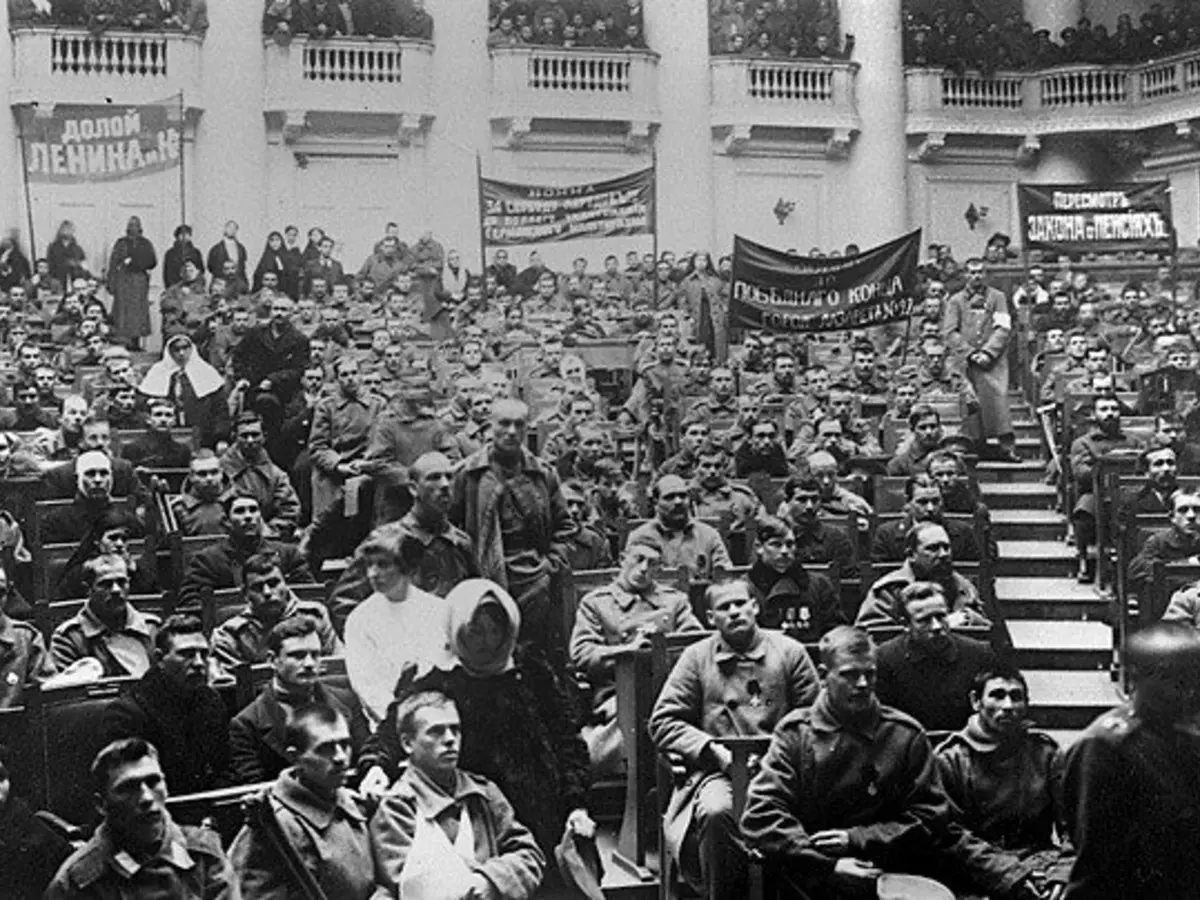
5. The Russian Revolution (1917)
Russia was among the poorest and least developed nations of Europe by the end of the 20th century. Discontent among workers erupted in 1905 with protests against the monarchy, but the uprising failed after the 'Bloody Sunday' massacre. The anger heightened, and World War I deepened the crisis, bringing mass casualties and economic ruin. Tsar Nicholas II left to lead the army, leaving governance to his unpopular wife, Alexandra, who was heavily influenced by the mystic Rasputin.
In 1917, Petrograd erupted in the February Revolution, and this time, soldiers joined the people. Nicholas II was forced to abdicate, ending the Romanov dynasty. A provisional government took charge but kept Russia in the war, worsening hardship. By October 1917, Lenin and his Bolsheviks seized power in a swift coup, promising rule by peasants and workers. Civil war followed, but after five years of struggle, the Bolsheviks emerged victorious, giving birth to the Soviet Union.
)
)
)
)
)