This Adolf Hitler's fighter jet used BMW engines and bombed London for 57 nights

The BMW 801 engine, in particular, was used in a variety of Luftwaffe aircraft, known for its reliability and power.
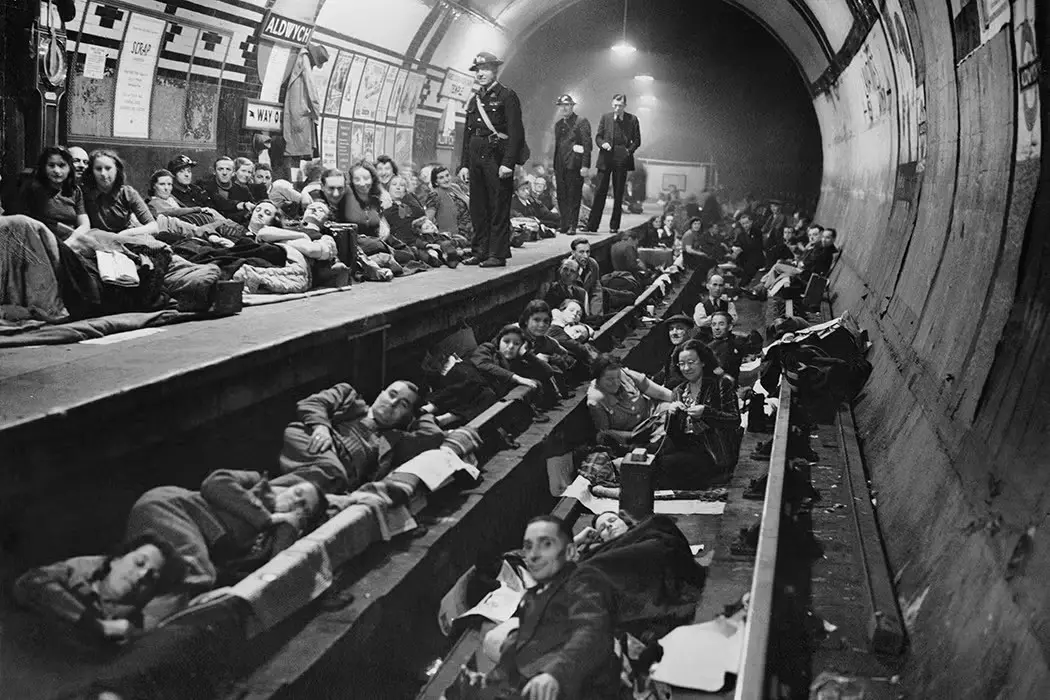
The Blitz Begins — A City Under Siege
Starting on September 7, 1940, Nazi Germany launched a full-scale air assault on the United Kingdom, focusing intensely on London. The campaign, known as The Blitz, lasted for eight months, with 57 consecutive nights of bombing on the British capital. The Luftwaffe targeted factories, infrastructure, and civilian homes in an effort to demoralise Britain into surrender. One of the Luftwaffe’s most versatile bombers and a key player in these attacks was the Ju 88, a twin-engine multirole aircraft that could bomb, dive, scout, and fight.
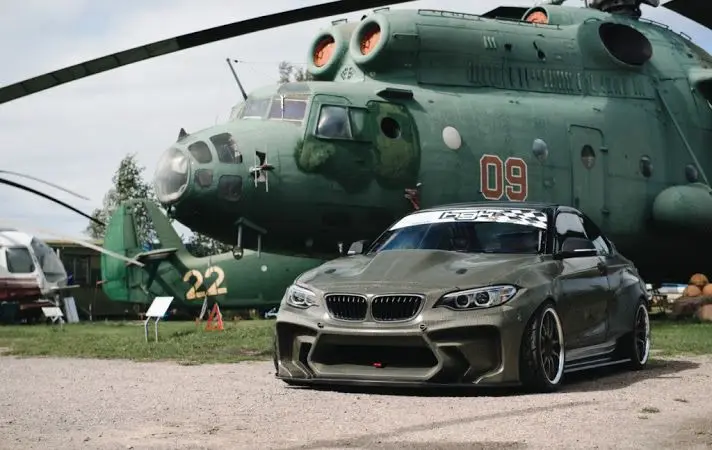
Enter BMW — From Motorcycles to Warplanes
What many don’t realise is that BMW, the Bavarian car and motorcycle company we associate with high-performance vehicles today, was also a major aerospace engine manufacturer during WWII. The BMW 801 engine, in particular, was used in a variety of Luftwaffe aircraft, known for its reliability and power. In certain versions of the Ju 88 and other Nazi aircraft like the Fw 190, BMW engines allowed faster climbs, higher altitudes, and longer bombing runs, crucial in reaching London from occupied France or Germany.
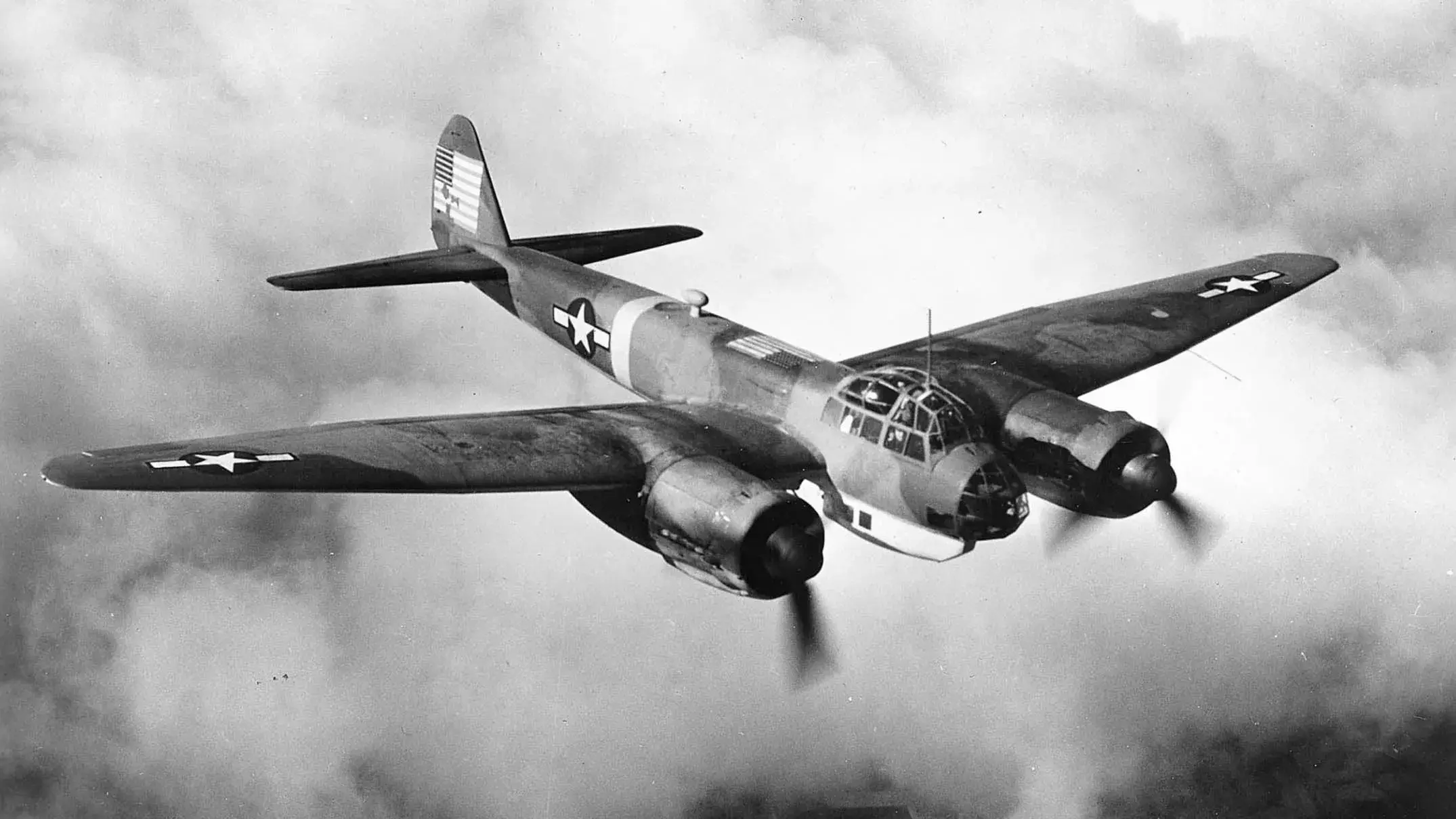
The Jet That Wasn’t Quite a Jet — But Was Deadlier
While the Ju 88 wasn’t a jet-powered plane like the later Messerschmitt Me 262, it was fast, lethal, and terrifyingly efficient. It could carry up to 3,000 kg of bombs, reach speeds of over 500 km/h, and operate both day and night. Paired with advanced (for its time) navigation and coordination systems, it became the Luftwaffe’s workhorse during The Blitz. The Ju 88’s adaptability made it almost impossible to fully intercept. British air defences, though brave and effective at times, struggled to deal with its nighttime bombing capabilities.
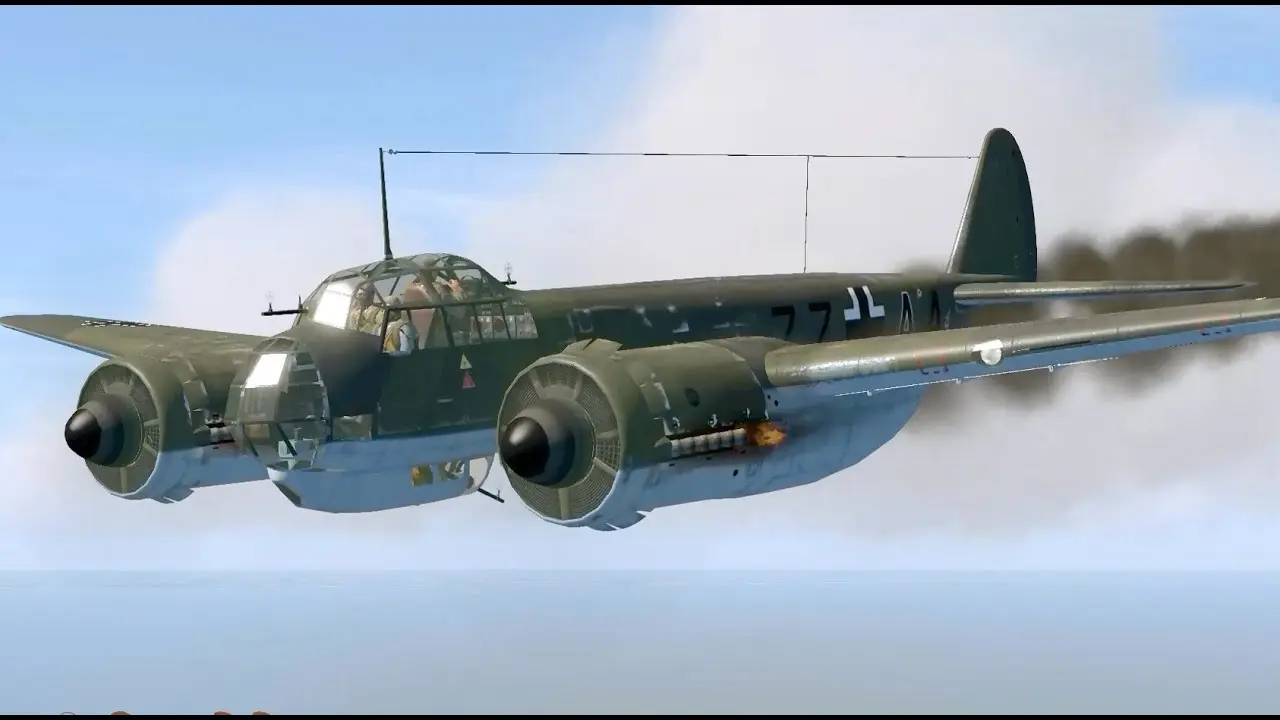
What Happened to These Aircraft?
By the end of the war, most of the Ju 88 fleet had been destroyed or scrapped. However, a few have been recovered from crash sites and are now displayed in museums across Europe. BMW, after the war, was banned from aircraft manufacturing and reoriented itself into the auto sector eventually becoming the luxury carmaker we know today. However, its wartime legacy as a builder of engines for Hitler’s air force remains a chilling part of aviation history.
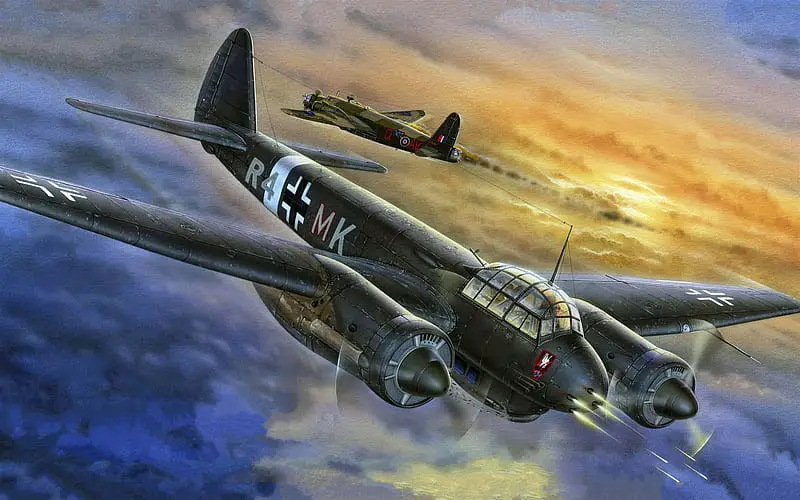
When Car Brands Powered Destruction
The story of BMW’s role in WWII is a reminder that even luxury and performance carmakers have roots in war. The Junkers Ju 88, powered by BMW engines, didn’t just fly, it terrorised. And for 57 nights in London, it became a mechanical symbol of fear, screaming across the skies with one purpose: destruction.
)
)
)
)
)