Thin wings, heavy payload: How the B-52 bomber defies expectations

The B-52 bomber features unusually thin, 35-degree swept wings that delay drag, allowing Mach 0.84 speeds. Despite their slender profile, these flexible wings hold 48,000 gallons of fuel and support a massive 70,000-pound weapons payload.
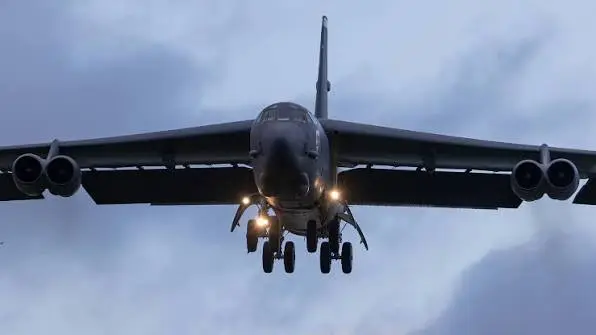
The Aerodynamic Paradox
The Boeing B-52 Stratofortress features wings that appear surprisingly thin for a heavy bomber with a 488,000-pound maximum takeoff weight. This unique 185-foot swept-wing design allows the massive aircraft to achieve high subsonic speeds without creating excessive aerodynamic drag.
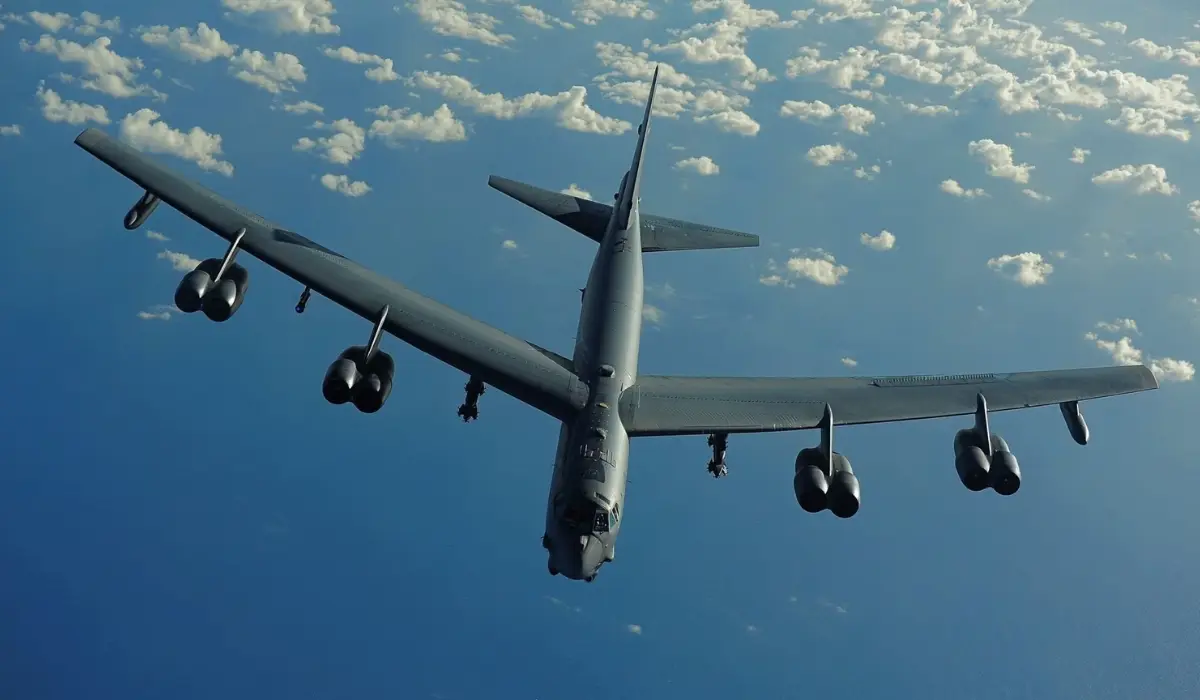
Beating the Drag Rise
Aerospace engineers specifically designed the 35-degree swept wings to be relatively thin to delay the onset of severe drag at high altitudes. This critical aerodynamic choice enables the Cold War-era giant to comfortably cruise at roughly 650 miles per hour, or Mach 0.84.
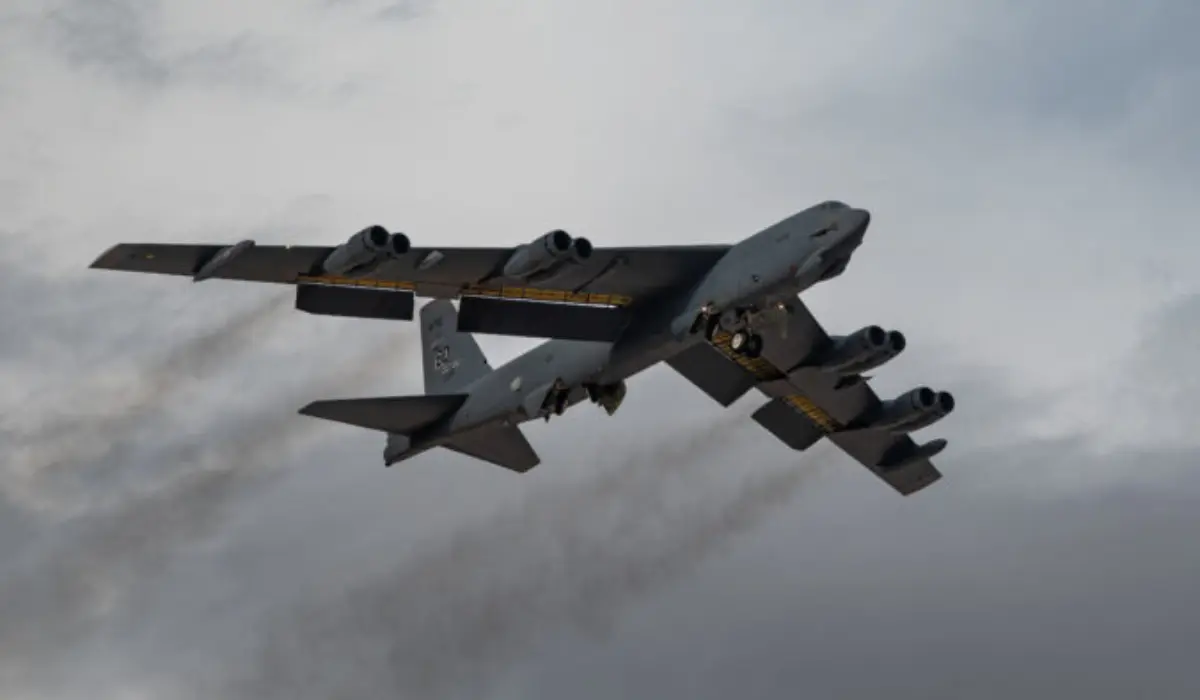
A Flying Gas Station
Despite their narrow profile, these massive wings secretly function as enormous internal fuel tanks for global strike missions. The slender structures hold the vast majority of the bomber's staggering 48,000-gallon aviation fuel capacity, weighing over 312,000 pounds.
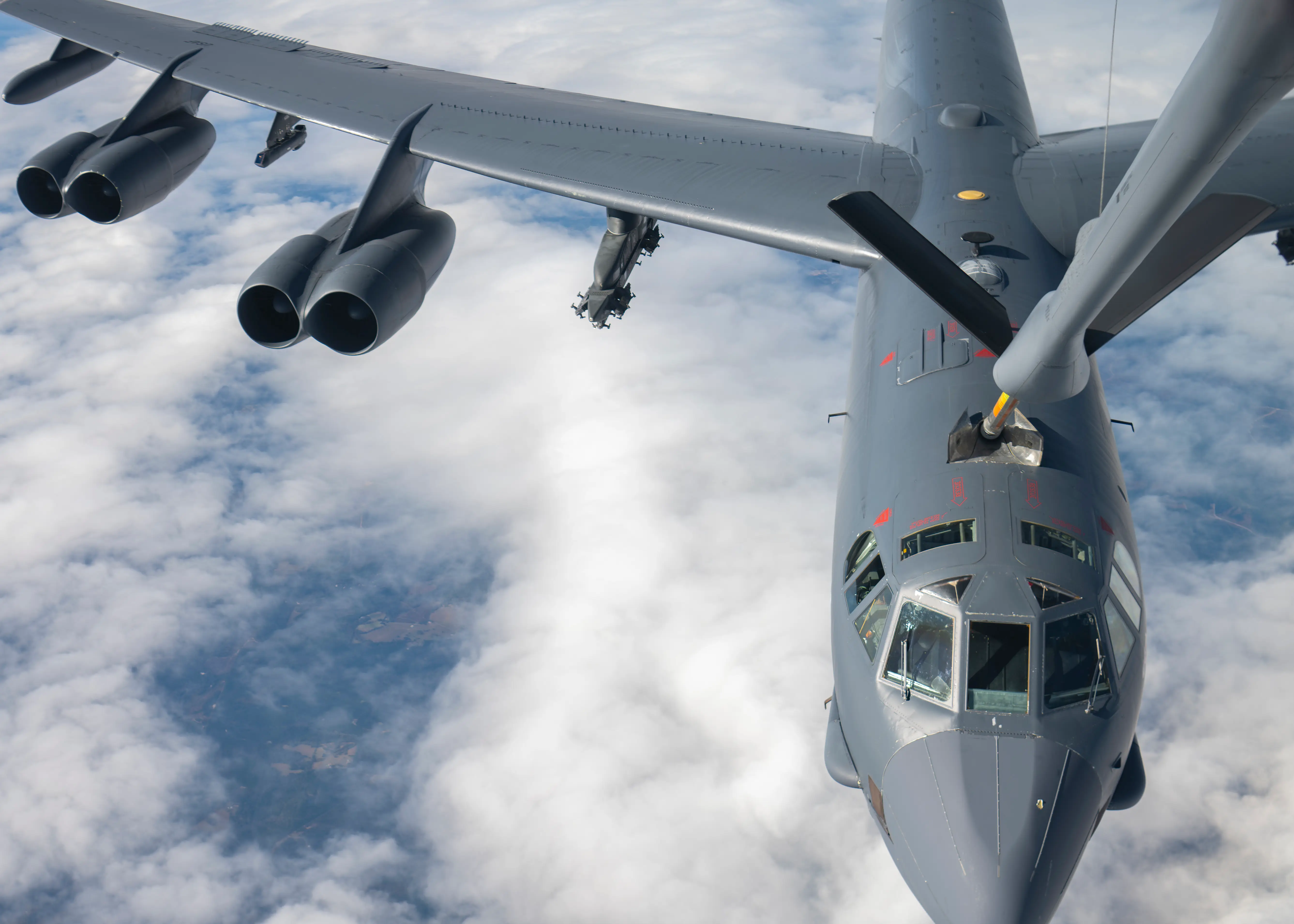
The 70,000-Pound Arsenal
The immense lift generated by these thin structures allows the aircraft to carry a devastating 70,000-pound payload. Heavy external pylons are mounted directly beneath the thin wings to securely hold oversized cruise missiles and advanced hypersonic weapons.
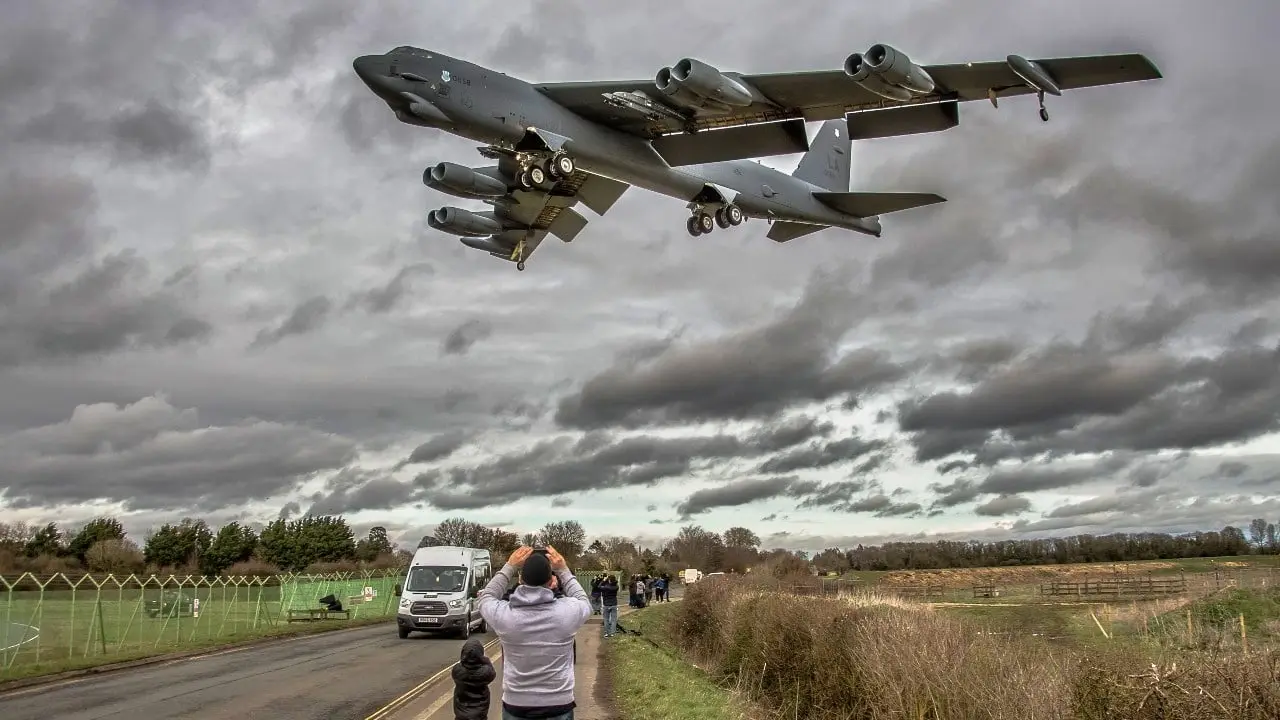
Engineered to Bend
To prevent these thin wings from snapping under the sheer weight of fuel and weapons, they are designed with extreme elasticity. When fully loaded on the tarmac, the fuel-heavy wingtips visibly droop toward the concrete by up to 12 feet before flexing upward in flight.
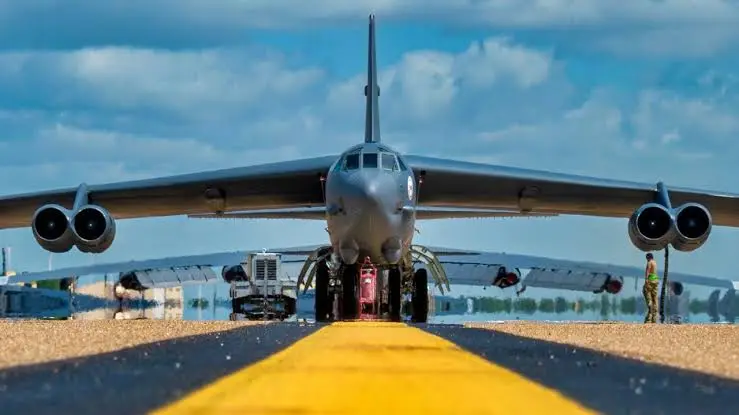
Guarding the Wingtips
Because the thin wings droop so severely under heavy loads, Boeing installed specialised outrigger wheels near the outer edges. These lateral tyres prevent the delicate wing structures from violently scraping the runway during complex taxiing and takeoff operations.
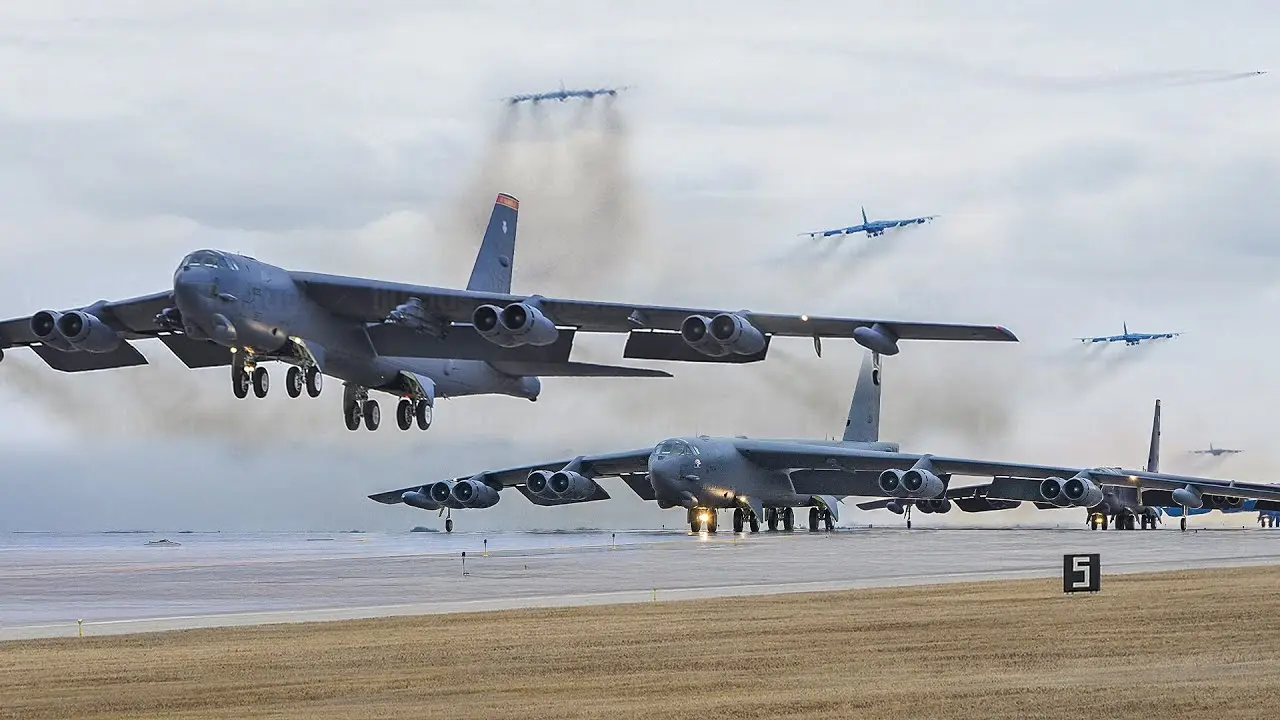
Powering the Next Century
To ensure these aerodynamic wings keep flying until 2060, the Pentagon is executing the USD 48.6 billion B-52J upgrade. The military is replacing the archaic 1960s turbofans with eight modern Rolls-Royce F130 engines to improve fuel efficiency by 30 per cent.
)
)
)
)
)