The "Swarm" Threat: Can Iran Hit the USS Abraham Lincoln Fleet with Drones?

The USS Abraham Lincoln faces a credible threat from Iranian drone swarms. While US defences are advanced, massive saturation attacks aim to overwhelm the fleet's capacity to intercept every target.
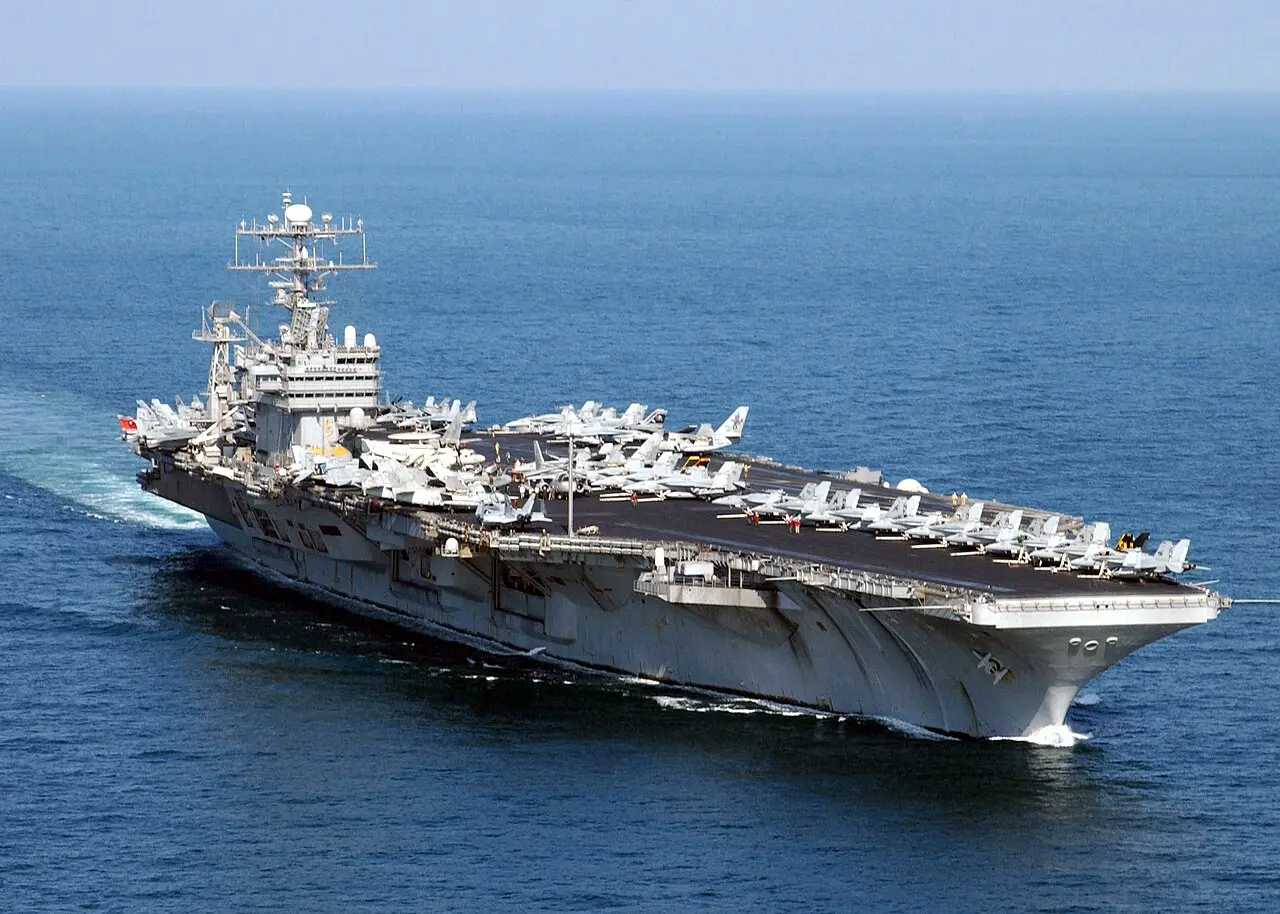
Carrier arrives
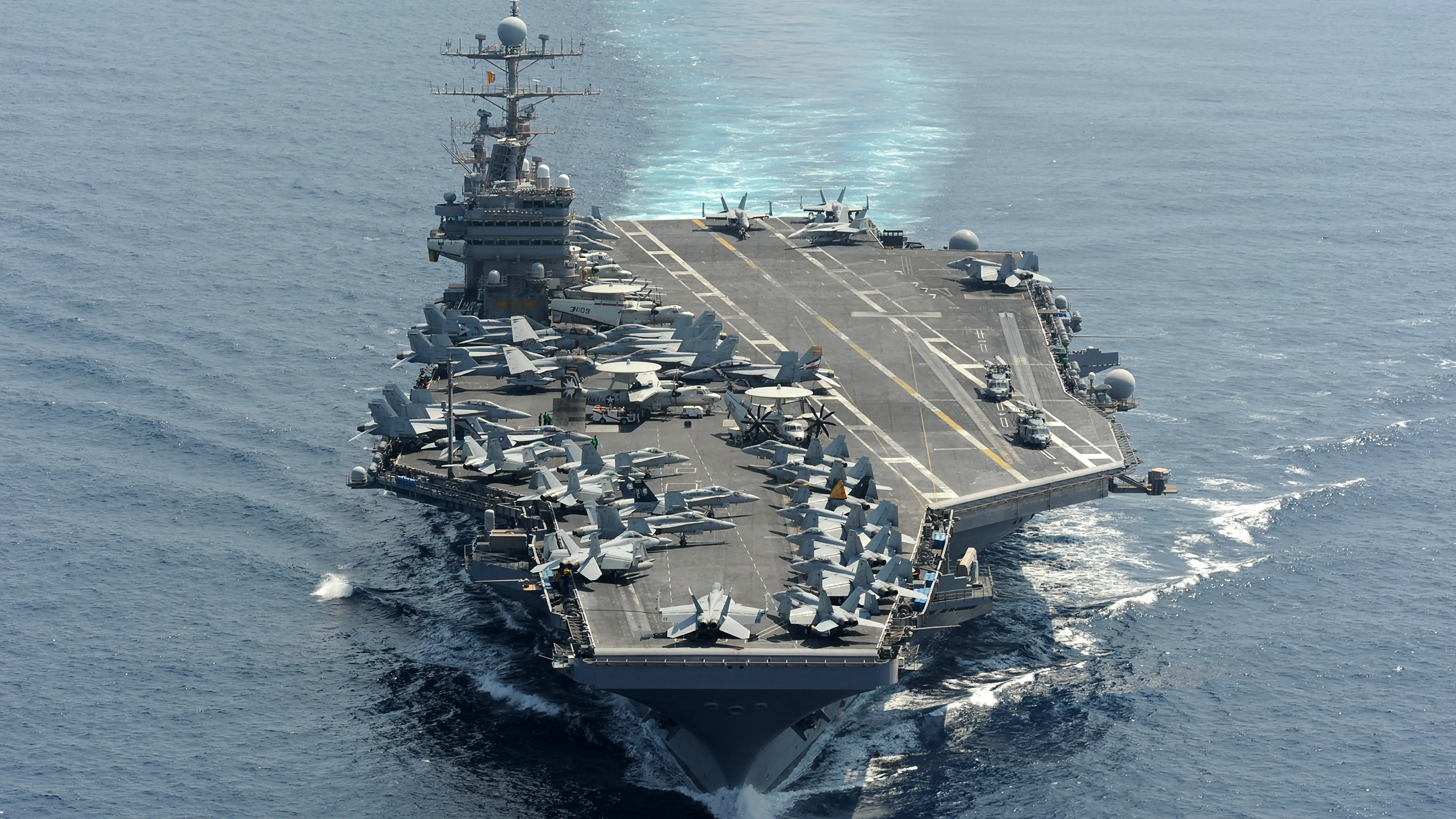
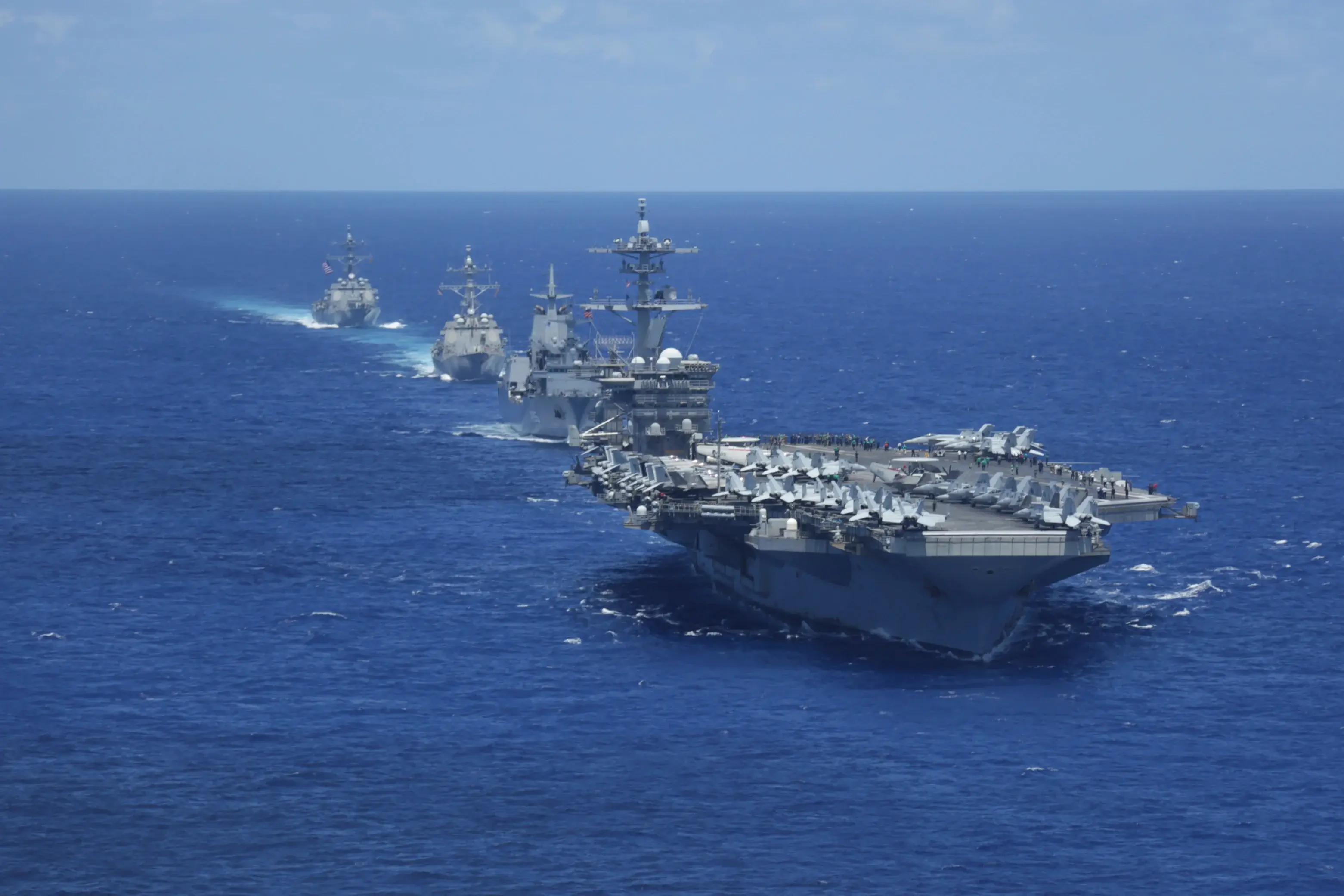
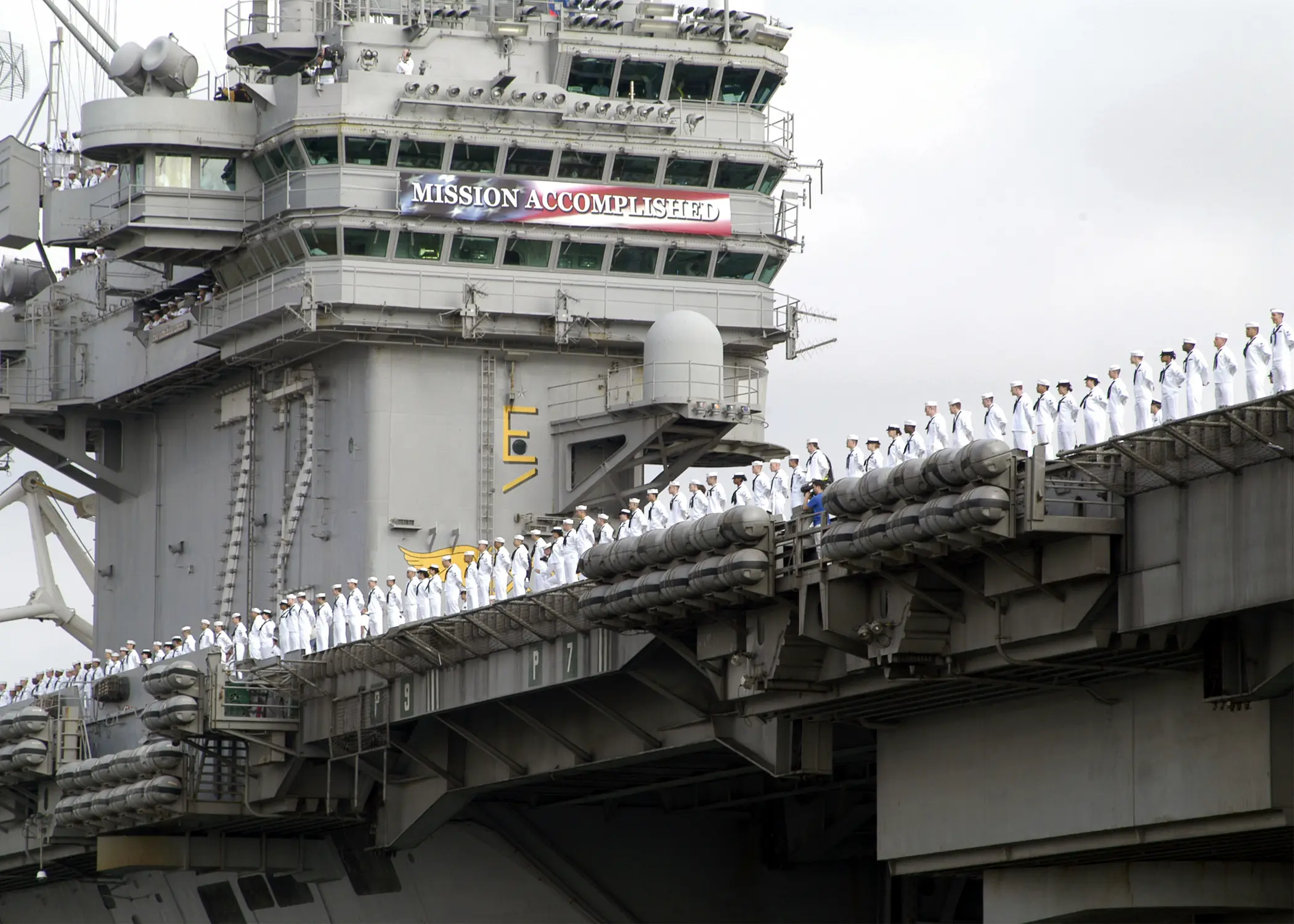
The USS Abraham Lincoln carrier strike group entered the Middle East on 26 January, 2026. This deployment is a response to rising regional instability and threats from Tehran. The fleet includes the nuclear carrier and three guided-missile destroyers.
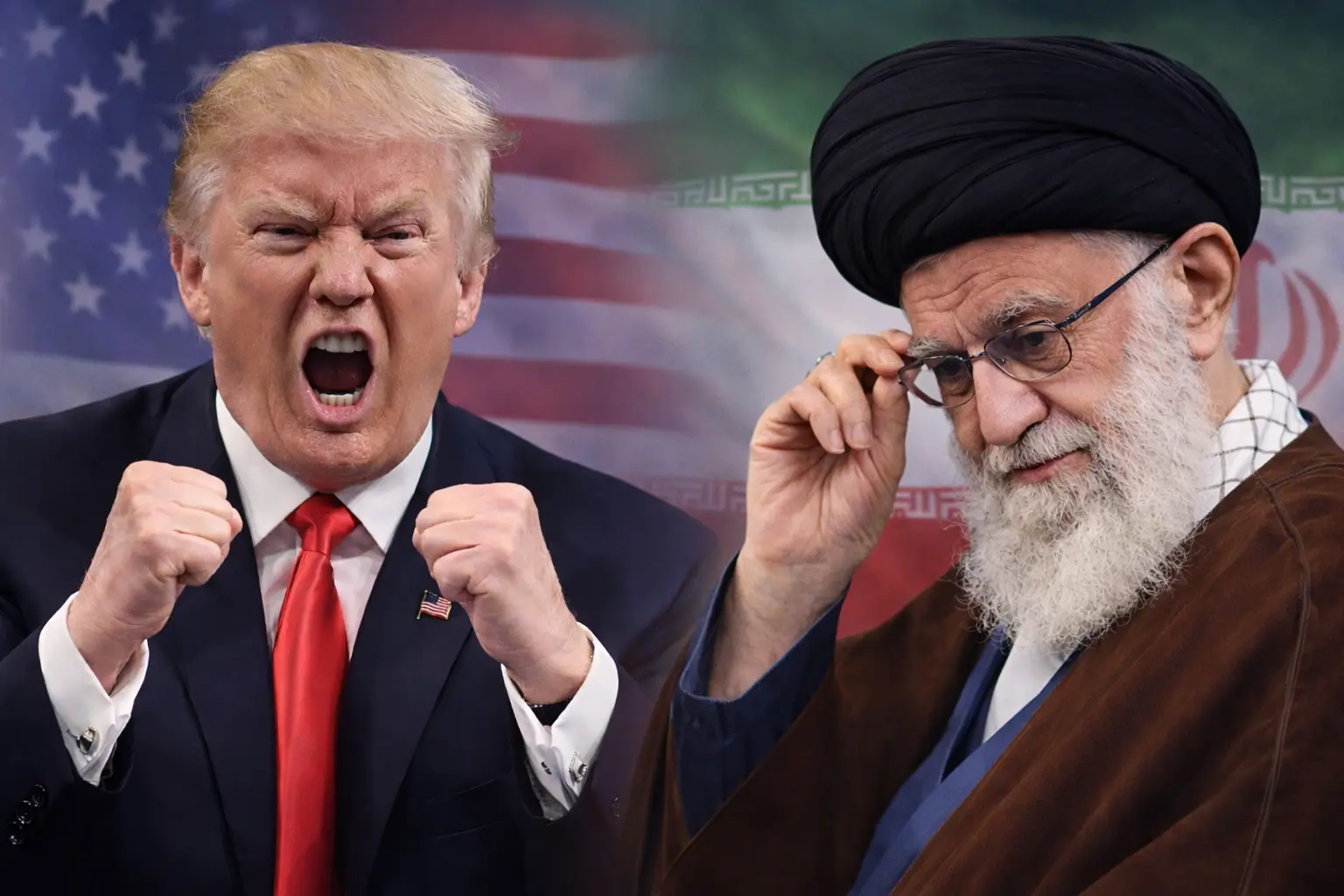
Drone threat
Experts warn that Iran's low-cost drones pose a credible threat to the fleet. Tehran's advantage lies in volume and cost rather than advanced technology. These one-way drones are designed to fly into targets and detonate on impact.
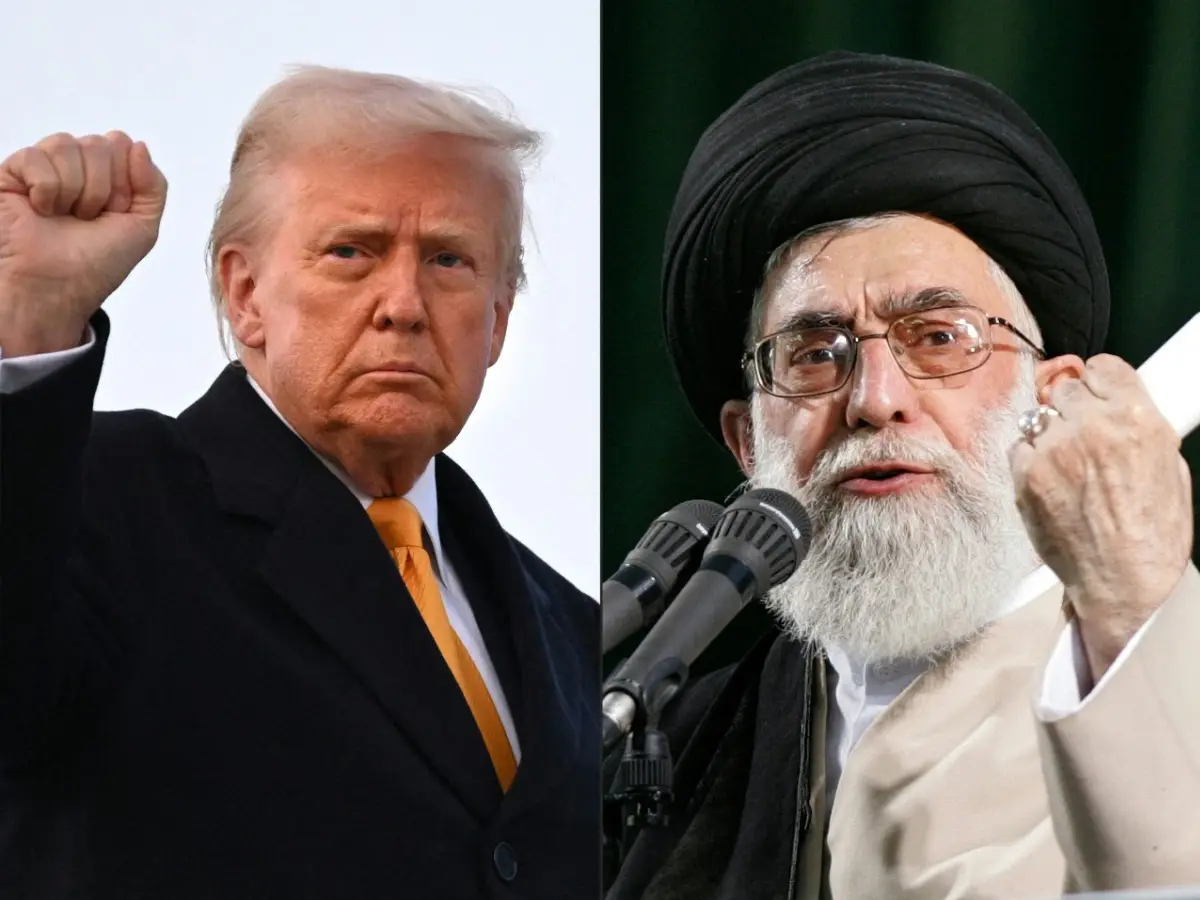
Swarm strategy
A "swarm" involves launching hundreds of drones in a very short period. This tactic aims to stress radar systems and close-in weapon units. Near-simultaneous arrivals can create gaps in the carrier’s defensive coverage.
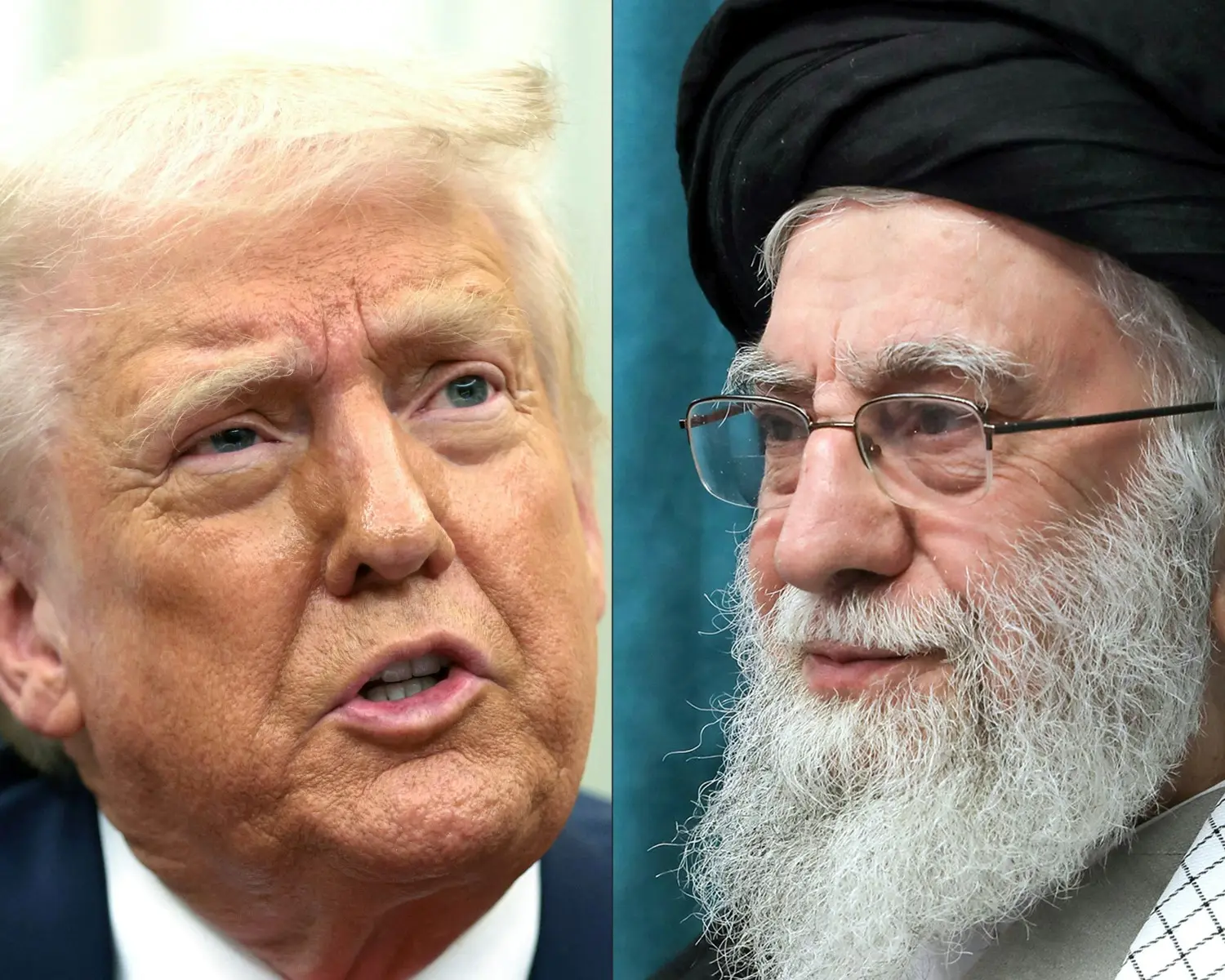
Saturated defences
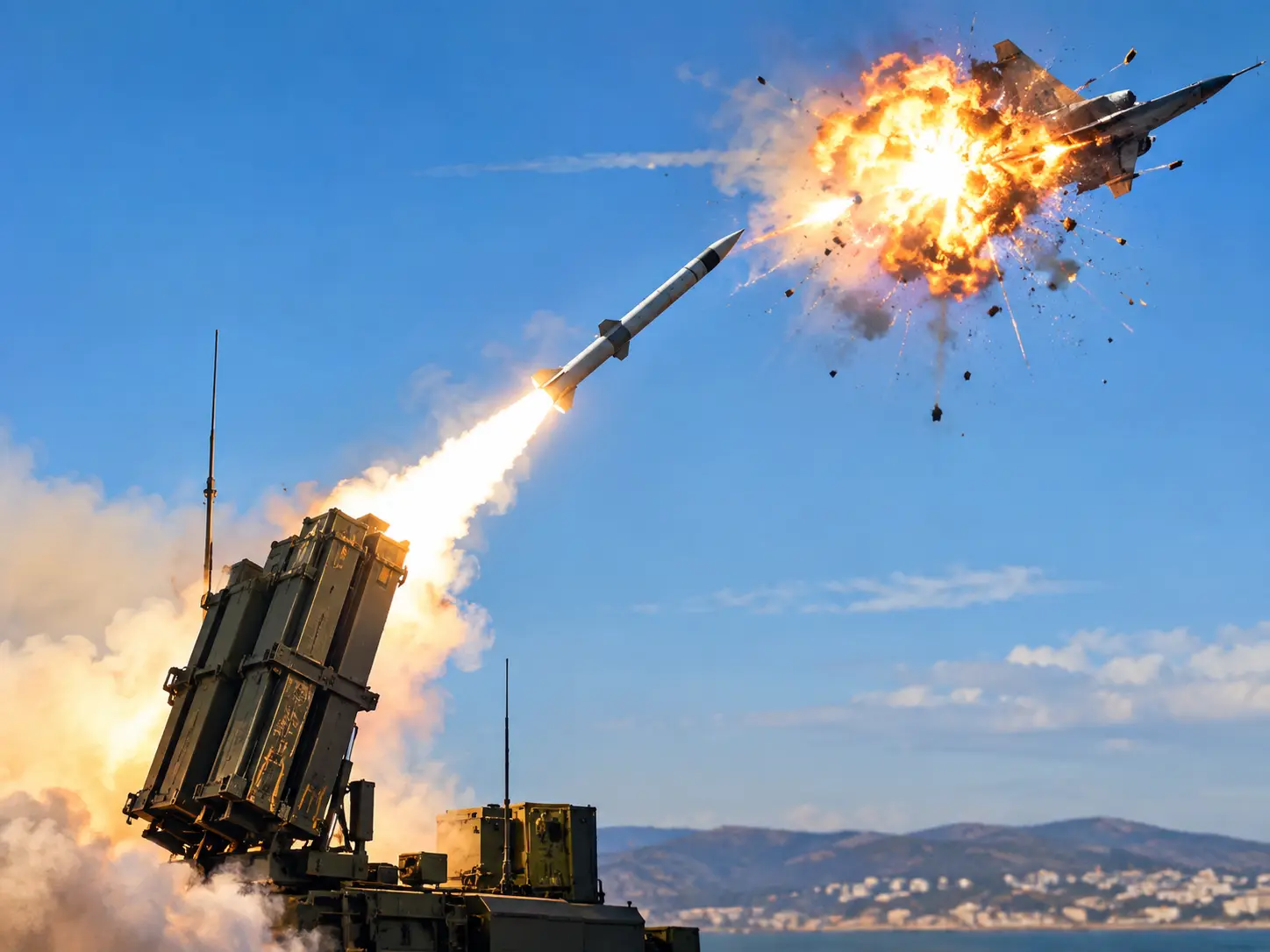
If hundreds of drones attack at once, some are almost certain to get through. The US Navy uses expensive interceptors like the SM-2 and SM-6 to stop threats. Launching waves of cheap drones can exhaust these missile magazines.
Cost imbalance
There is a massive economic gap between the attackers and the defenders. One Iranian drone costs only a fraction of a single US interceptor missile. A single interceptor can cost between $2 million and $4 million.
Tiered protection
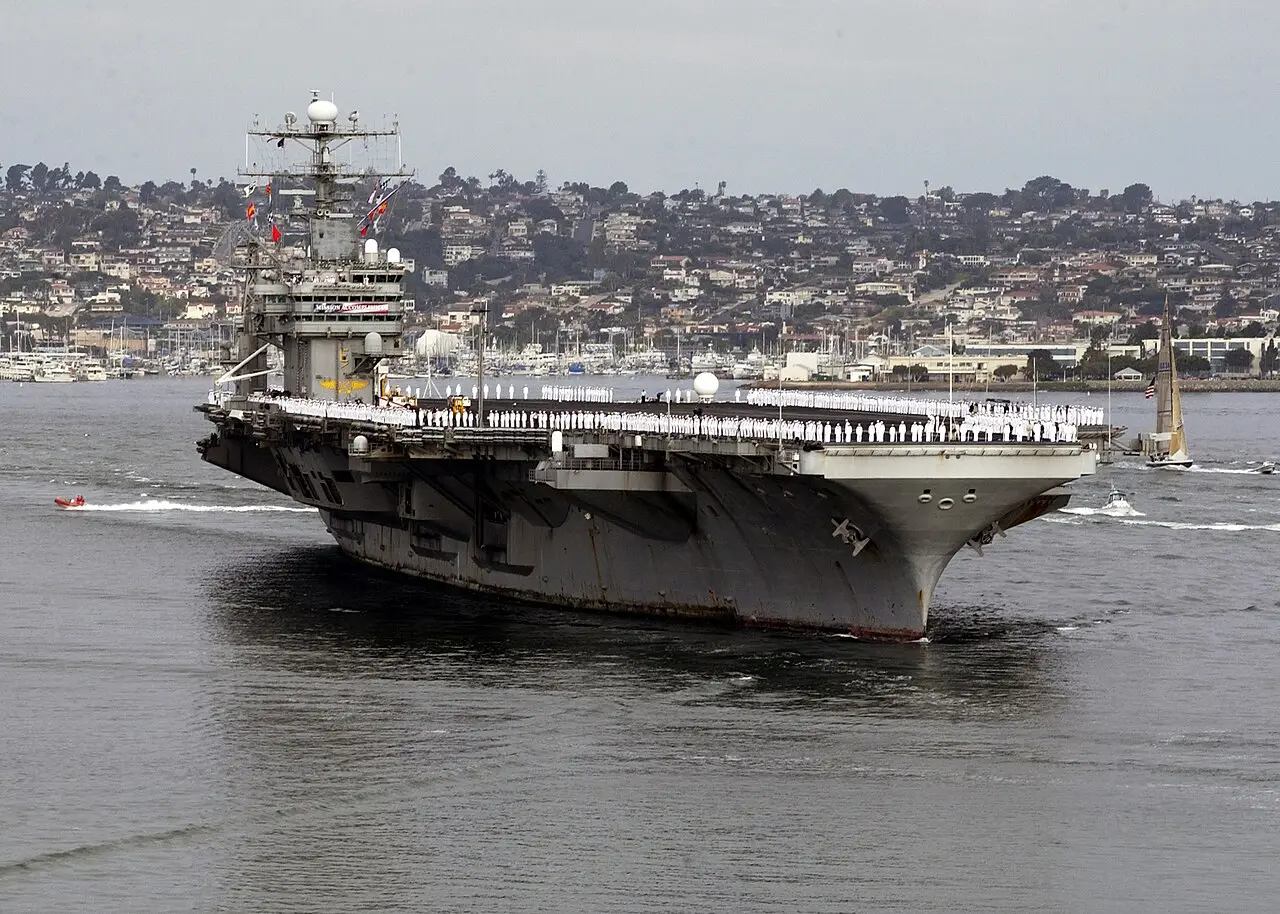
The carrier group uses a multi-tiered missile defence system for protection. Aegis-equipped destroyers track and destroy incoming threats from a long distance. Inner rings use Phalanx guns to shoot down anything that gets close.
Moving fortress
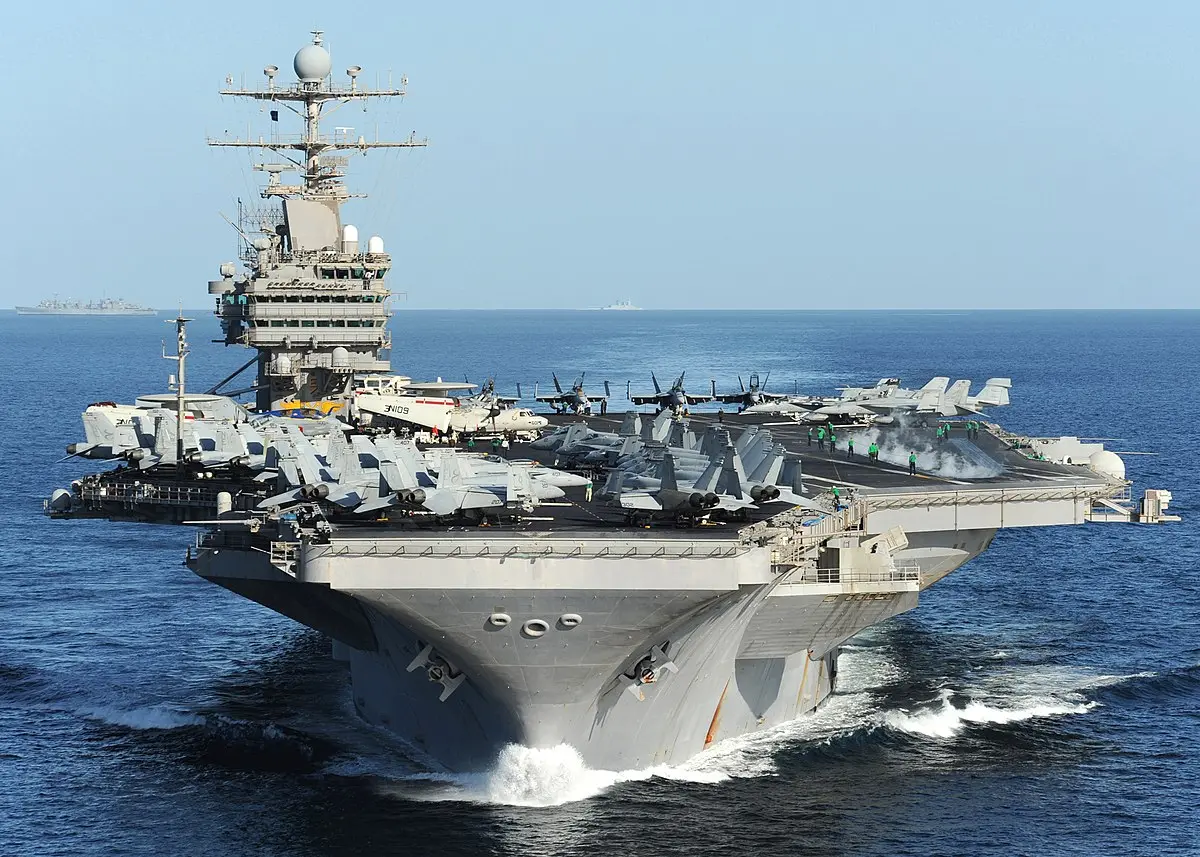
The USS Abraham Lincoln is not a stationary target in the water. It can move at speeds of over 25 knots and change direction frequently. This makes it difficult for drones to maintain accurate targeting information.
Proxy warnings
Iran-backed groups like the Houthis have also issued threats against the fleet. They have previously used Iranian-supplied missiles and drones against ships in the Red Sea. These groups vow to support Tehran if conflict erupts.
Psychological war
Tehran has used murals and messages to signal its readiness for war. One public mural depicts a damaged US carrier as a warning to Washington. The US has reinforced its posture with extra fighter jets and air defences.
Strategic impact
A single successful drone strike could have massive global political consequences. Even a non-catastrophic hit would impact energy markets and regional deterrence. Both sides remain on high alert as the fleet begins operations.
)
)
)
)
)