The moment astronomers realised the universe is growing at a mind-bending speed

The prevailing question in cosmology was not whether expansion would continue, but whether it would eventually halt and collapse in a ‘Big Crunch’ or expand forever at a diminishing rate.

A Universe in Motion
For much of the twentieth century, astronomers believed that the universe, while expanding, must eventually slow down under the influence of gravity. This assumption was rooted in Edwin Hubble’s 1929 discovery that galaxies were receding from one another at speeds proportional to their distances, an observation that became known as Hubble’s Law. The prevailing question in cosmology was not whether expansion would continue, but whether it would eventually halt and collapse in a ‘Big Crunch’ or expand forever at a diminishing rate.
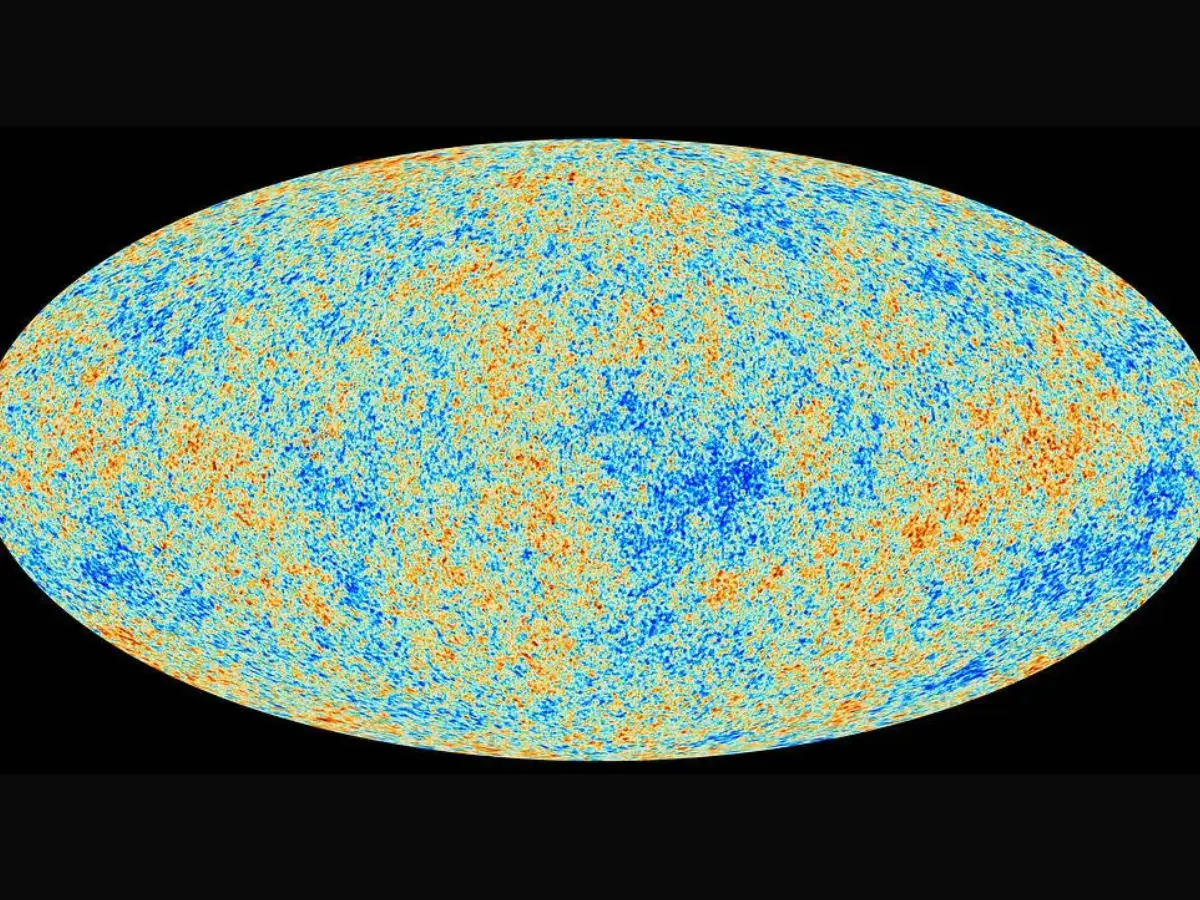
Supernovae as Measuring Tools
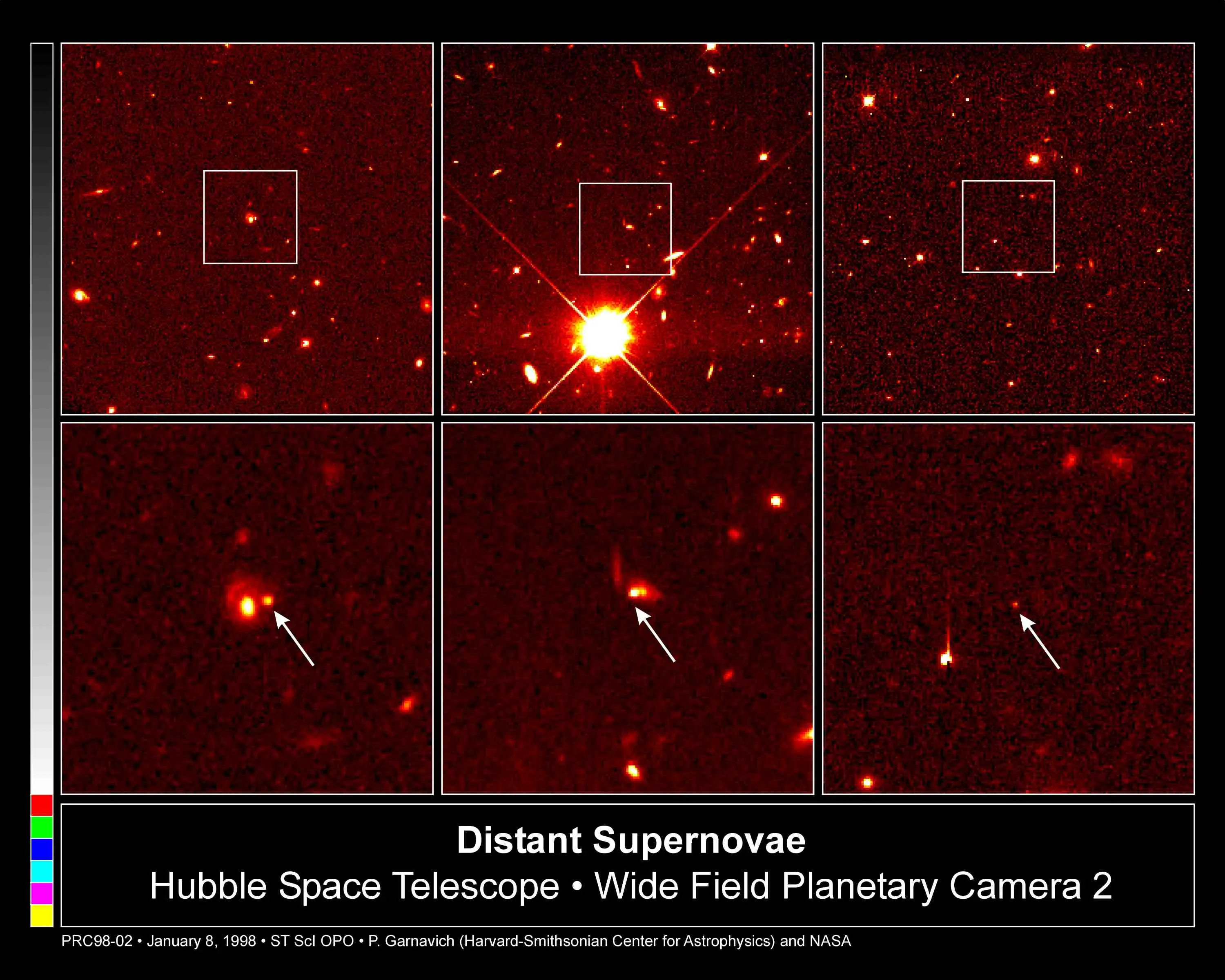
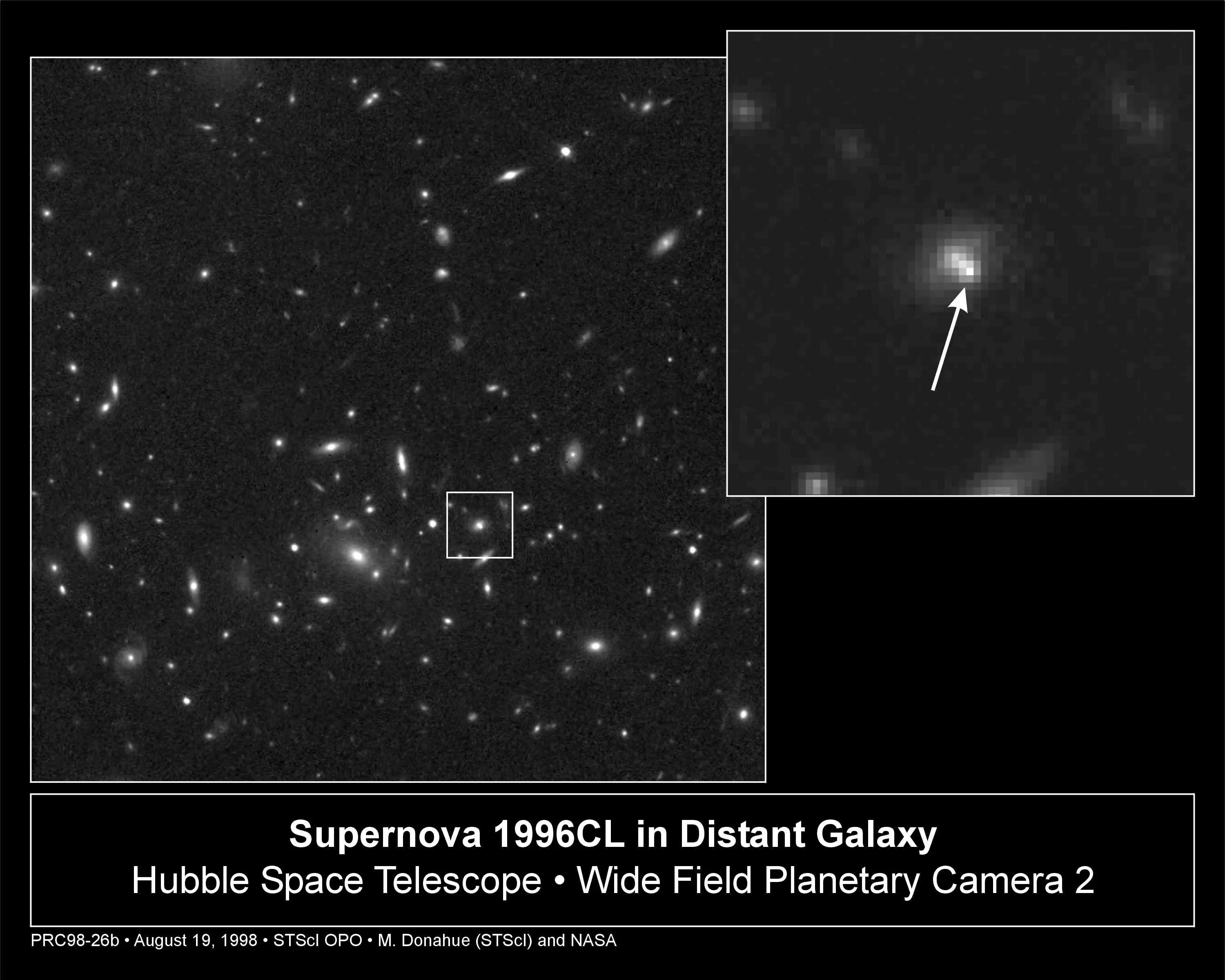
By the 1990s, technology allowed astronomers to probe cosmic history with unprecedented precision. Two teams emerged at the forefront: the Supernova Cosmology Project, led by Saul Perlmutter, and the High-z Supernova Search Team, led by Brian Schmidt and Adam Riess. Both groups relied on Type Ia supernovae, stellar explosions that burn with near-uniform brightness, serving as reliable 'standard candles'. By comparing their intrinsic brightness to how faint they appeared from Earth, astronomers could calculate accurate distances to their host galaxies.
The Unexpected Result of 1998
The decisive observations came in 1998. Both teams, working independently, reported that distant supernovae appeared dimmer than expected. If they were fainter, they had to be farther away than the models of a slowing universe allowed. The conclusion was inescapable: cosmic expansion was not decelerating but accelerating. This was not a subtle correction to theory but a profound reversal of expectation, suggesting that an unknown force was at work on the largest scales.
The Emergence of Dark Energy
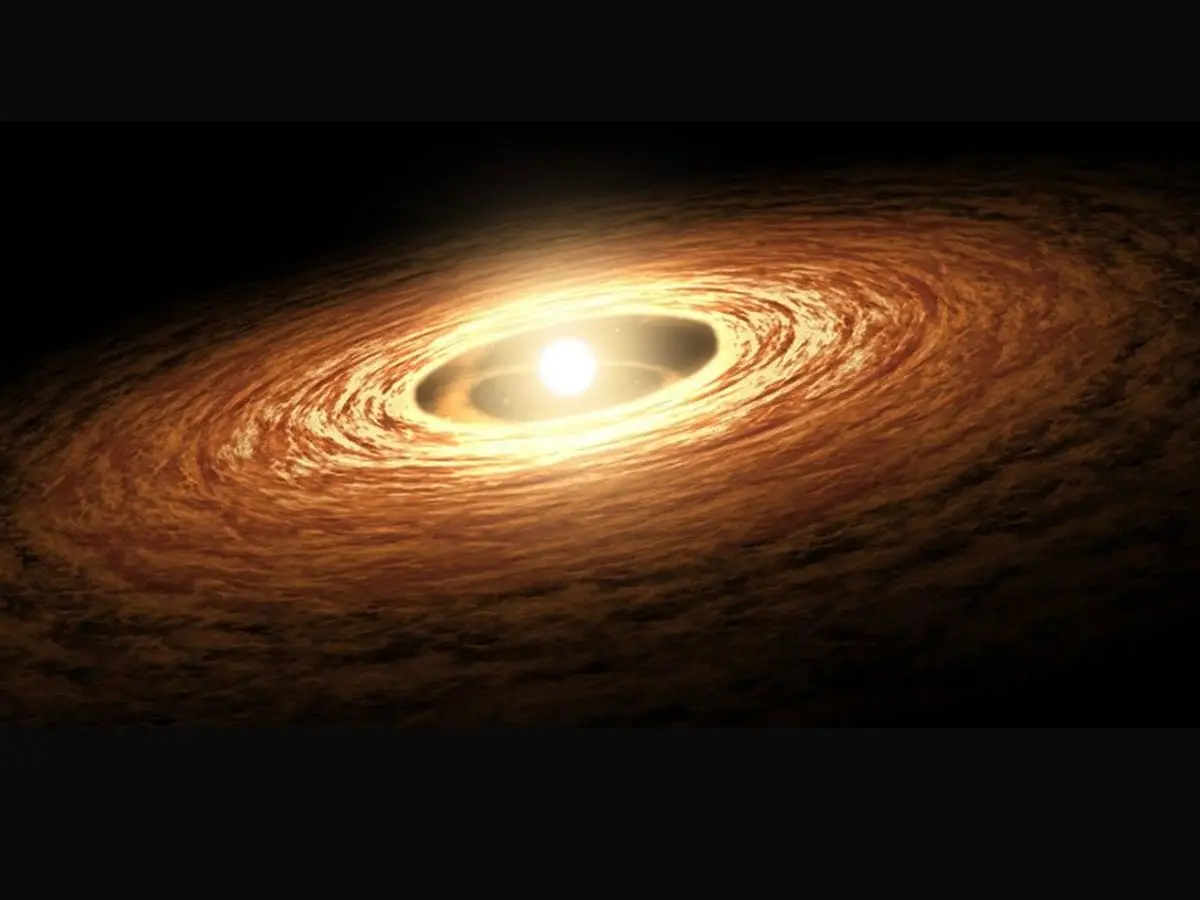
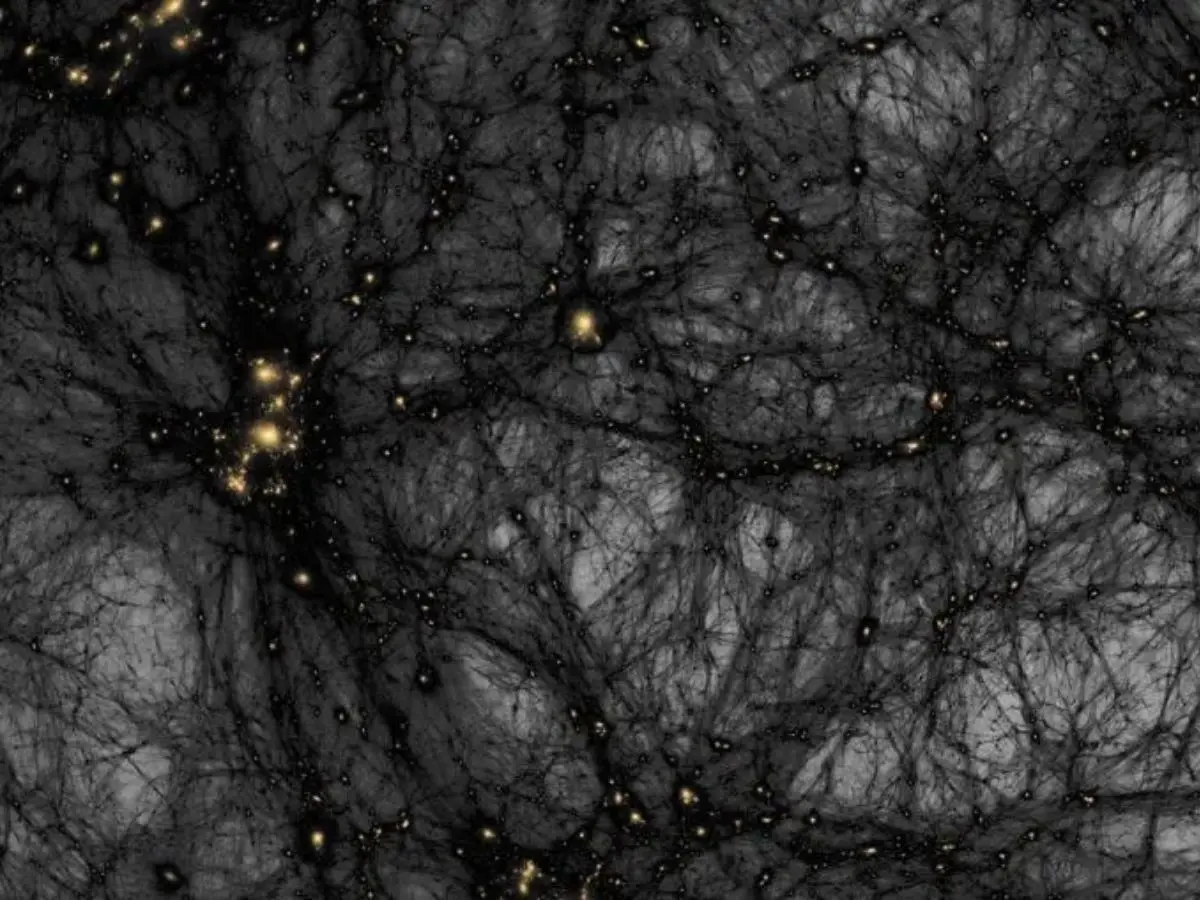
To explain the accelerating expansion, cosmologists introduced the concept of dark energy, a form of energy intrinsic to space itself that exerts a repulsive effect. Dark energy is now estimated to constitute roughly 68 to 70 per cent of the total energy density of the universe, dwarfing both ordinary matter and dark matter. Though it remains mysterious, its influence is unmistakable: without it, galaxies would not be racing apart at ever-increasing speeds.
Recognition of a Breakthrough
The importance of the discovery was swiftly recognised. In 2011, the Nobel Prize in Physics was awarded jointly to Perlmutter, Schmidt, and Riess for their role in uncovering the accelerating expansion of the universe. Their work transformed cosmology, making dark energy one of the central challenges of modern science. It forced physicists to reconsider not only the fate of the cosmos but also the fundamental laws governing it.
Rethinking Cosmic Fate
Before 1998, models of the universe’s future leaned towards gravitational slowing, perhaps culminating in collapse. After the discovery, new scenarios came to the fore. If dark energy remains constant, the universe may continue expanding indefinitely, growing colder and darker in a ‘Big Freeze’. If its strength changes over time, more dramatic outcomes are possible, including a ‘Big Rip’ where galaxies, stars, and eventually atoms themselves are torn apart.
A Turning Point in Cosmology
The 1998 discovery marked a watershed in astronomy. By observing distant explosions of dying stars, scientists revealed that the universe is governed by forces far stranger than anticipated. It showed that human understanding of the cosmos remains partial, with most of its contents, dark energy and dark matter, still poorly understood. The moment astronomers realised that expansion was accelerating redefined not only the science of cosmology but also our place in a universe more mysterious than previously imagined.
)
)
)
)
)