The coming age of directed energy weapons: Are we ready for laser warfare?

Directed energy weapons like lasers work at light speed to destroy targets quietly and cheaply. Global militaries, including India, are fast adopting them, marking a new era in defence.
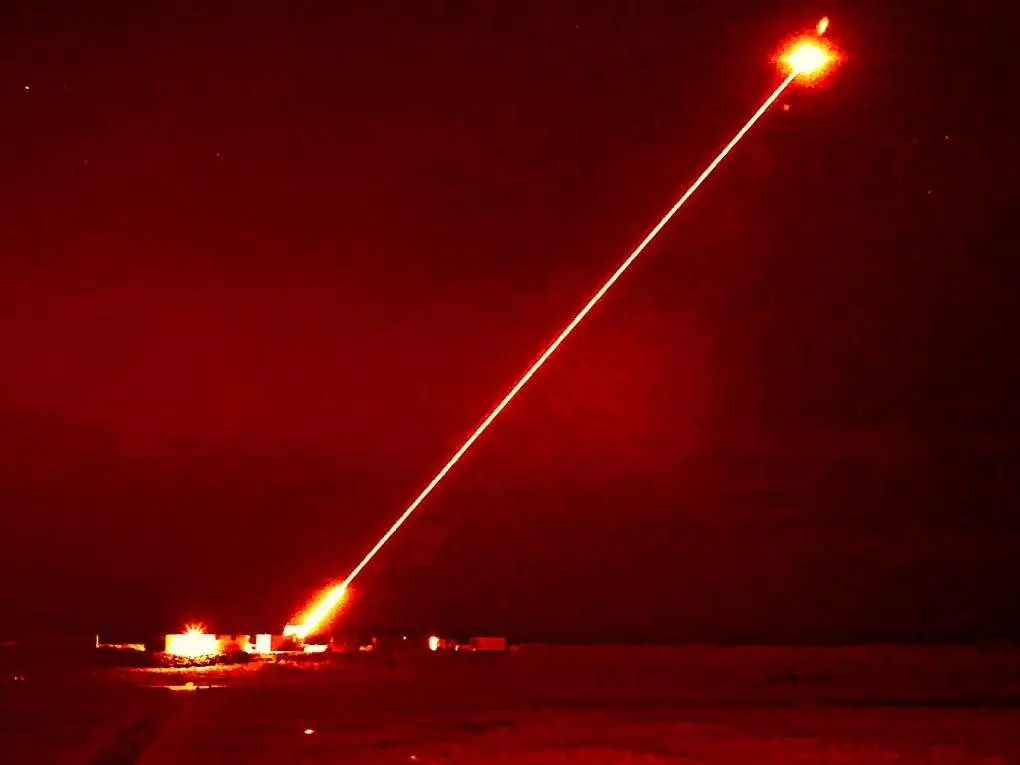
What Are Directed Energy Weapons?
Directed energy weapons use concentrated energy like lasers or microwaves to destroy targets instantly without explosive rounds. Lasers travel at the speed of light and hit precisely, making them ideal for fast-moving threats.
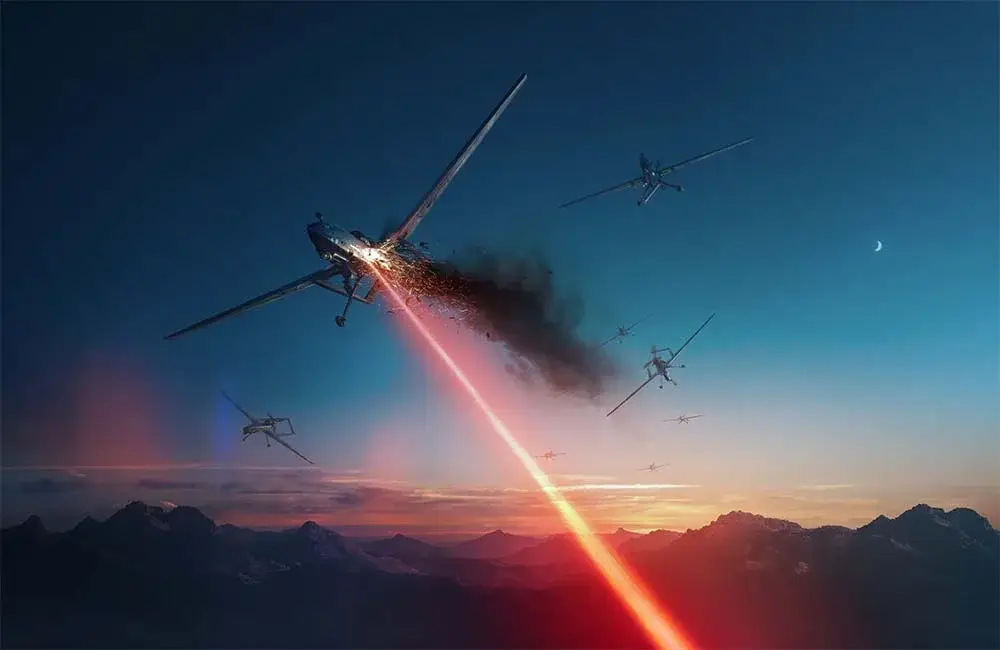
Advantages Over Traditional Weapons
Lasers have nearly unlimited shots if power is available, are silent, produce no smoke or debris, and are very cost-effective per hit. They can also disable electronics without physical damage, useful against drones and missiles.
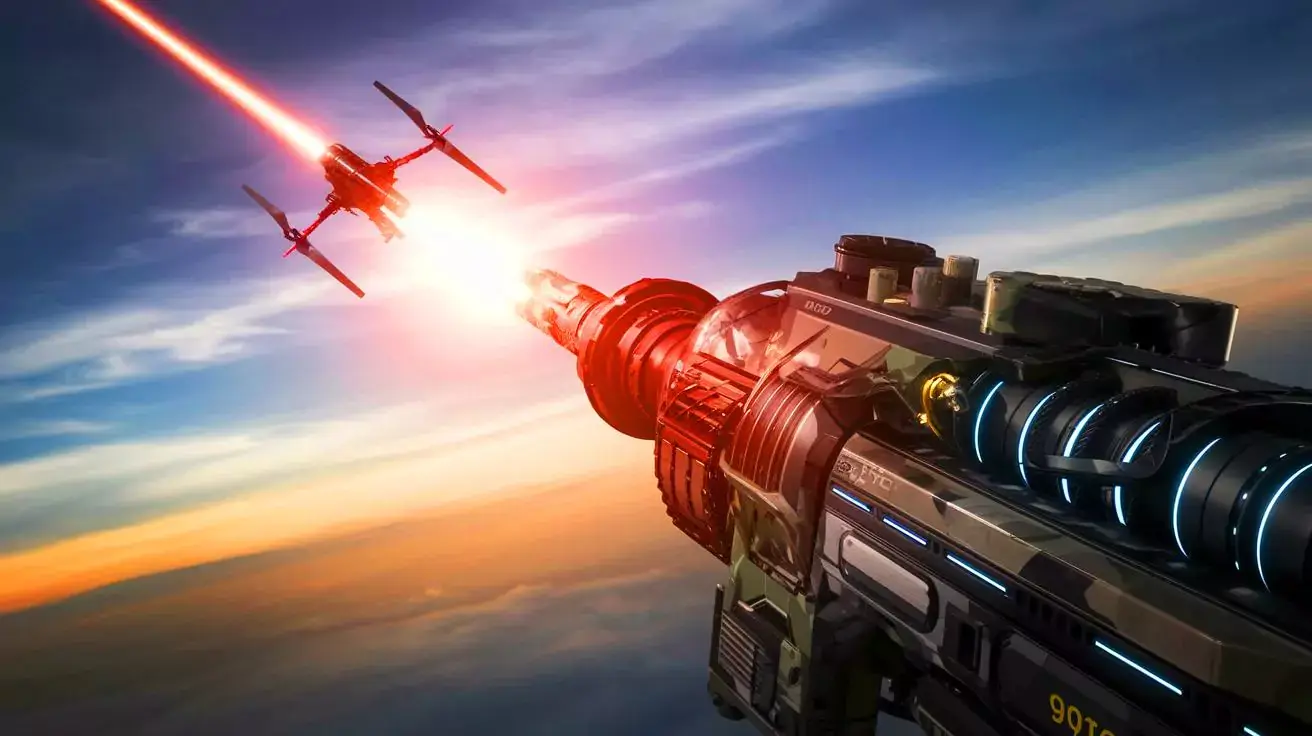
India’s Laser Weapon Success
In 2025, India successfully tested a 30-kilowatt laser weapon that can destroy missiles, aircraft, and drone swarms within 5 km. This achievement places India among the few nations with combat-ready laser defence systems.
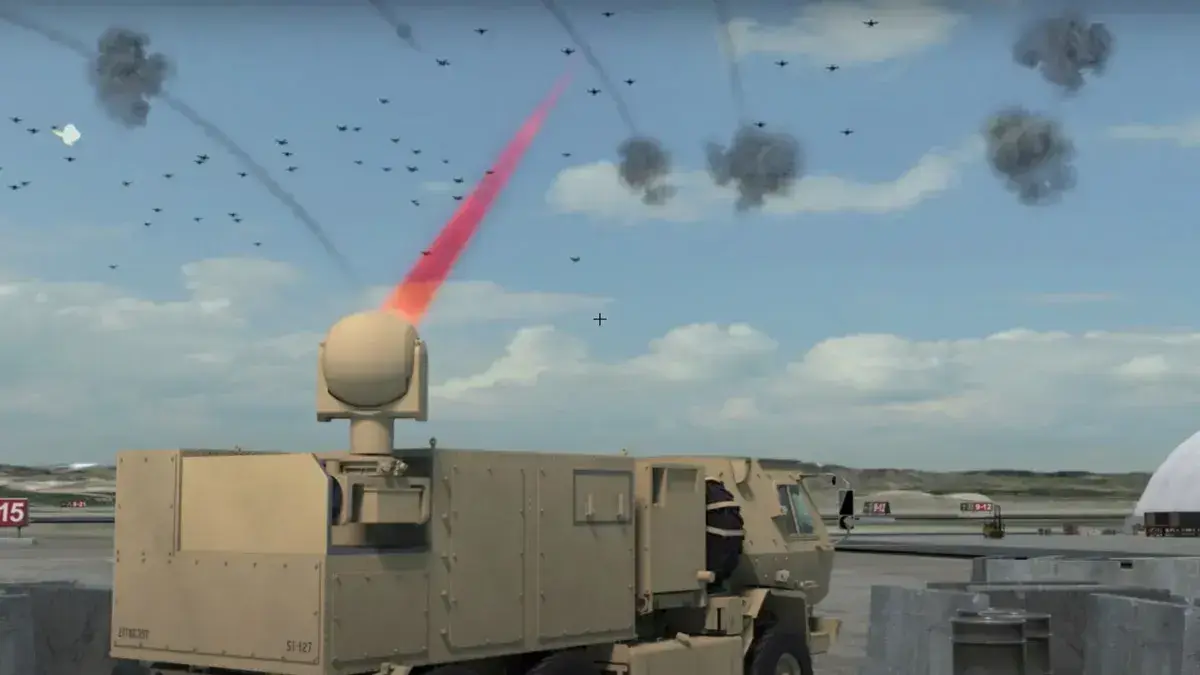
Global Developments in Laser Defence
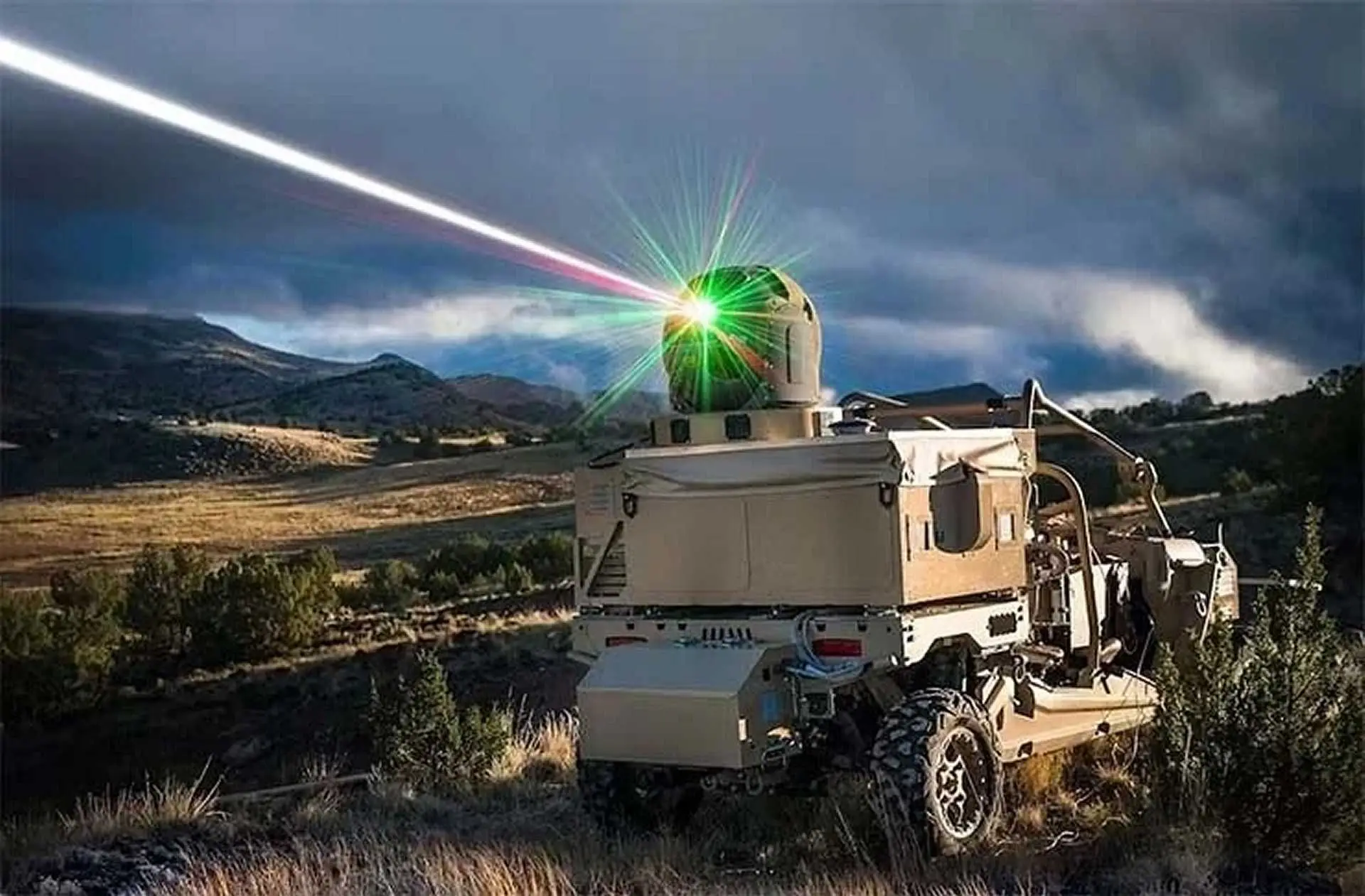
The US develops systems like the Palletized High Energy Laser and Navy’s HELIOS. Israel uses “Iron Beam” lasers for countering rockets and mortars. Other nations, including Russia and China, are investing heavily in directed energy weapons.
Challenges Facing Laser Weapons
Lasers need large, mobile power sources, and weather can affect beam quality. Maintaining and integrating them into existing military platforms require technological advances and budgets. Despite this, advancements are rapid and promising.
Laser Weapons in Future Conflicts
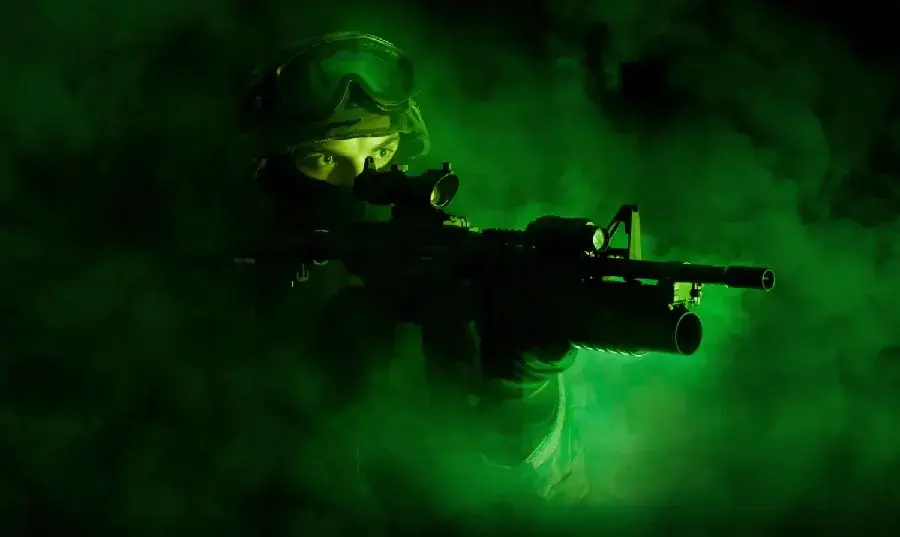
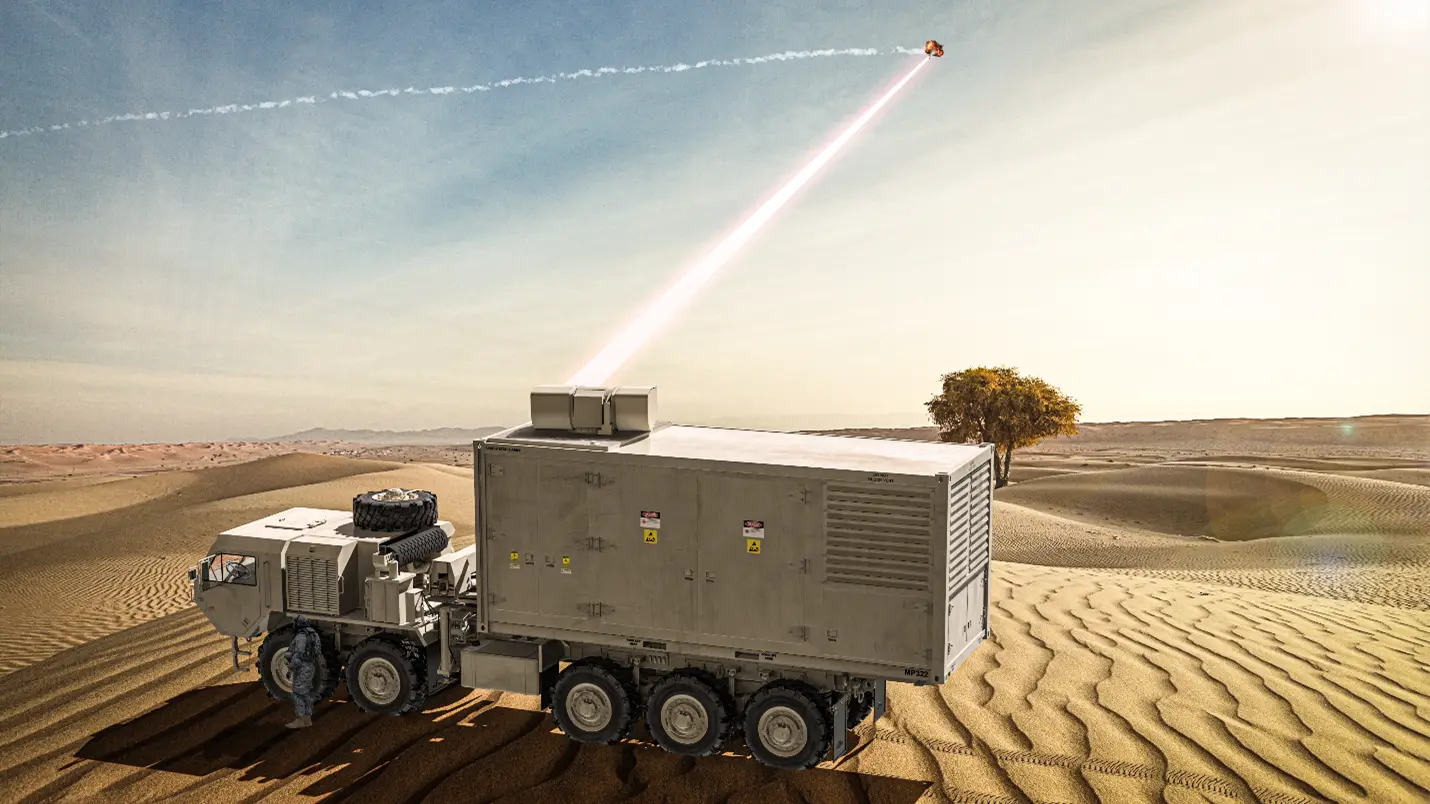
Future battles may feature layered defence networks mixing lasers with missiles and electronic warfare. Laser weapons can target drones, cruise missiles, and even incoming artillery in real-time, changing combat’s speed and precision.
Laser weapons deployment
While laser weapons are close to battlefield use, rules and ethics must guide their deployment. Their advantages will be critical in future wars to protect soldiers and civilians alike. The laser age of warfare is near.
)
)
)
)
)