Thailand–Cambodia conflict: What is martial law and how is it different from emergency rule?

Declaring martial law allows the Thai military to secure the border quickly, control movement, enforce curfews and directly coordinate evacuations without waiting for Cabinet approval or civilian bureaucratic procedures typical of an emergency decree.
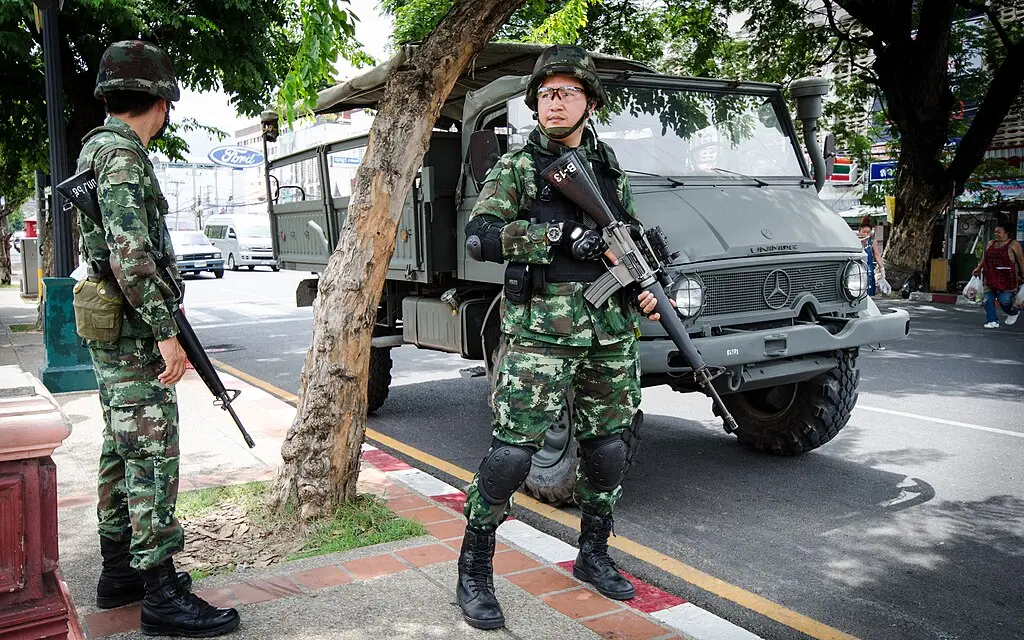
Cross‑border conflict triggers military takeover
Thailand has declared martial law in eight districts bordering Cambodia after days of deadly clashes that left at least 16 dead and forced the evacuation of over 1,38,000 civilians from provinces including Chanthaburi, Trat, Sisaket and Surin. Conflict broke out at multiple flashpoints along the disputed frontier, leading to air strikes, artillery exchanges and mutual accusations of war crimes. While Bangkok has expressed openness to direct talks with Phnom Penh, it turned down mediation offers from the United States, China and Malaysia, insisting the crisis should be resolved bilaterally. But what exactly is martial law, and how does it differ from a state of emergency?
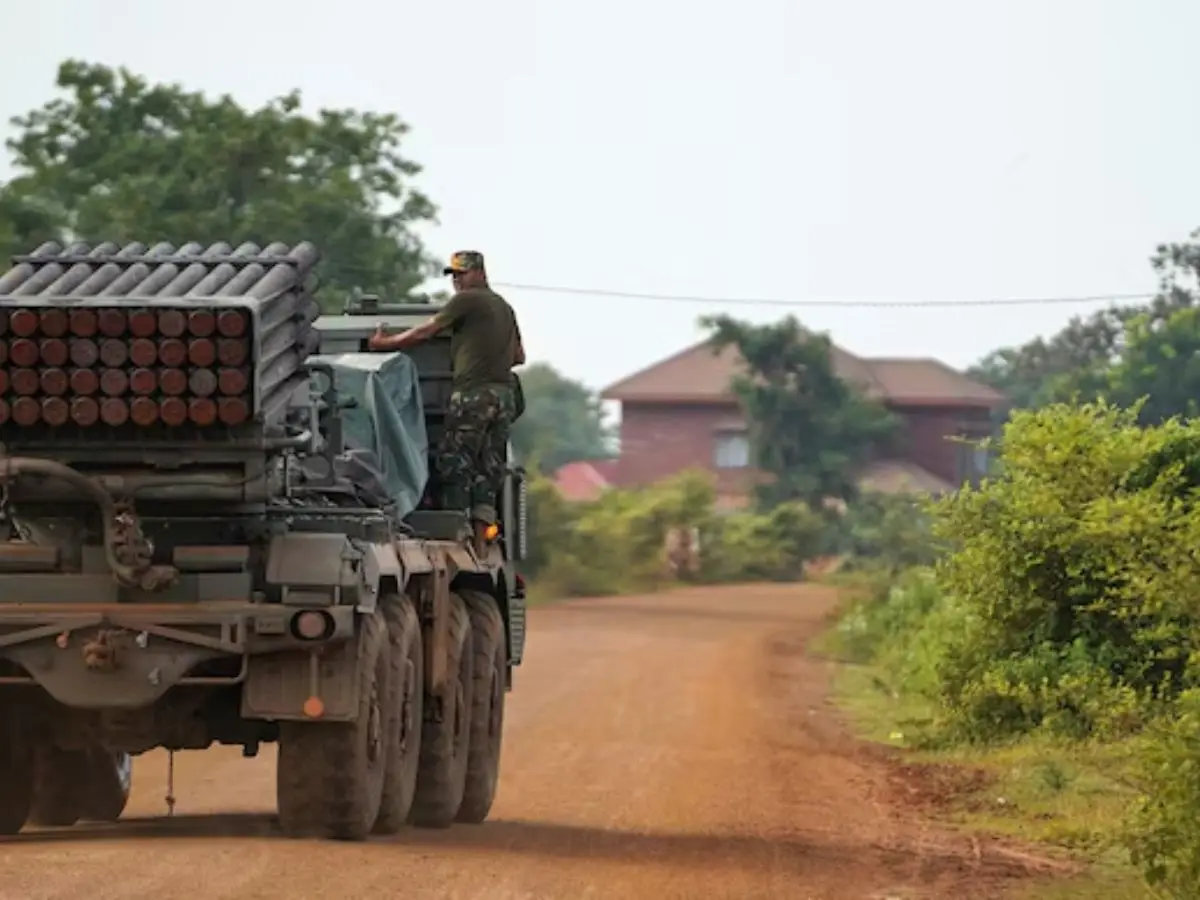
What is martial law under Thai law?
Martial law in Thailand means the replacement of civilian authority with direct military rule under the Martial Law Act BE 2457 (1914). Military commanders gain sweeping powers: they can impose curfews, ban assemblies, censor publications, and detain individuals without charge for up to seven days. Civilian courts may be replaced by military tribunals in areas under martial law, effectively suspending normal legal protections and judicial oversight. The aim is to restore and maintain public order swiftly, especially when civilian institutions are deemed unable to do so.
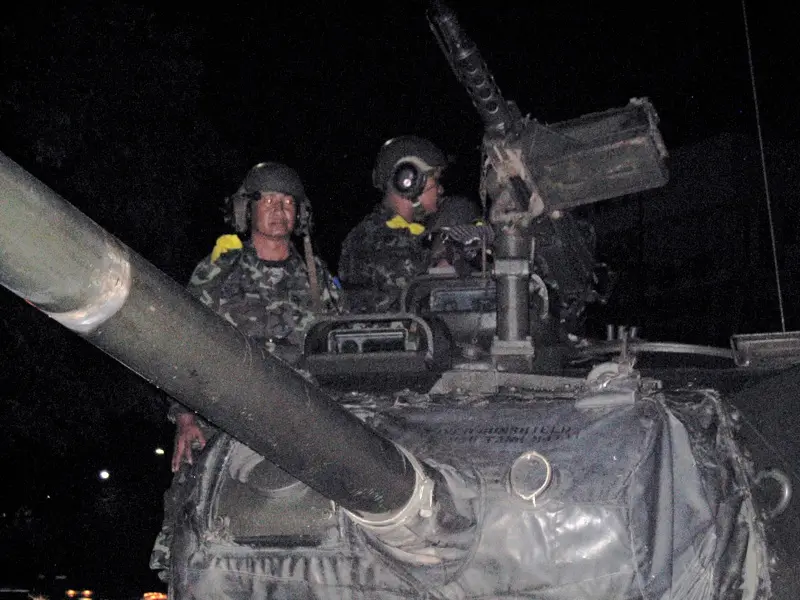
How martial law differs from emergency powers
Martial law and emergency powers are often confused but are legally distinct in Thailand. Martial law places day‑to‑day authority directly in military hands and is usually limited to specific areas and shorter timeframes. By contrast, a state of emergency, declared under the Emergency Decree on Government Administration in States of Emergency, empowers the Prime Minister to override civilian agencies, restrict freedoms of movement and assembly, censor media and detain suspects for up to 30–37 days without charge. While martial law means direct military rule, an emergency keeps government in civilian hands, albeit with extraordinary powers.
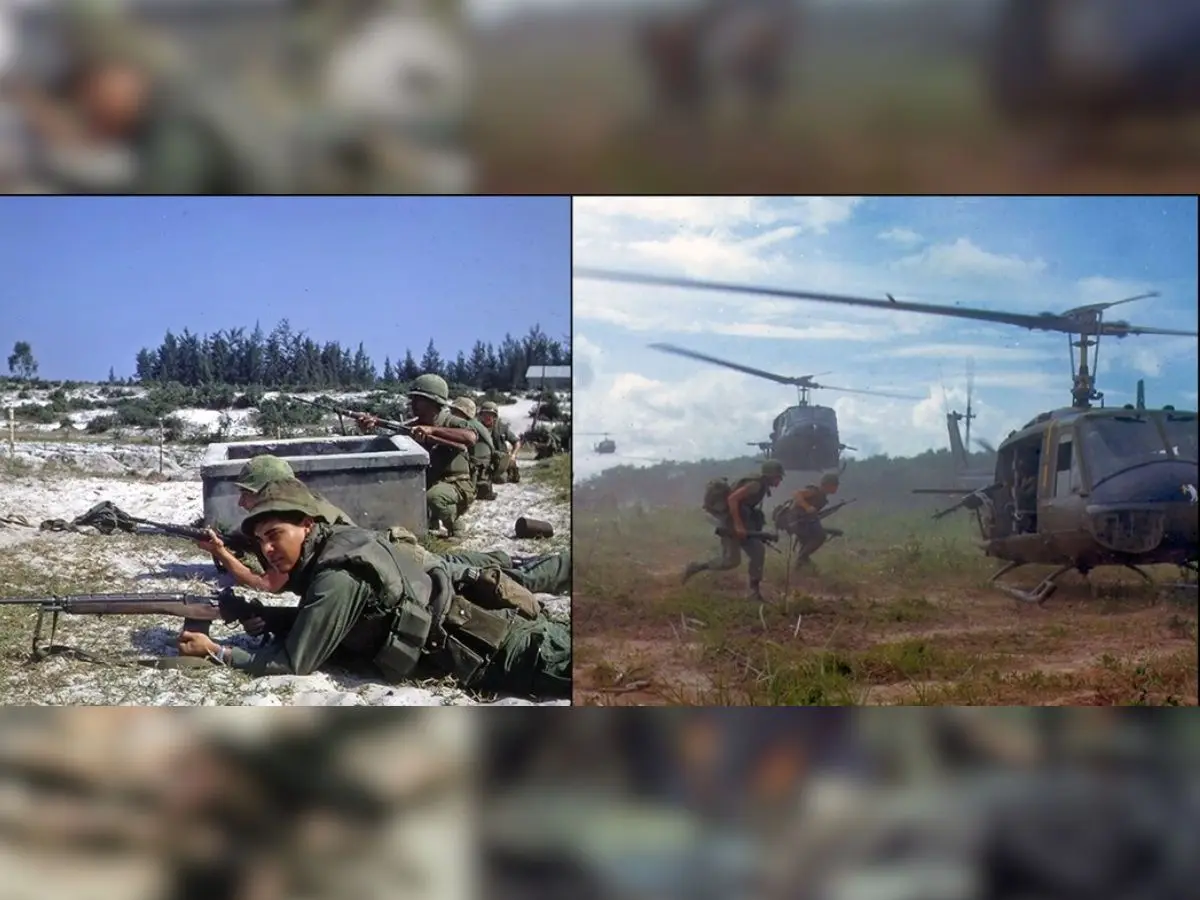
Historical context: Thailand’s frequent recourse to martial law
Martial law has a long history in Thailand. It has been enforced during coups, political crises and separatist unrest. Most notably, the military declared martial law nationwide in May 2014 ahead of seizing power in a coup. Since 2004, martial law or overlapping emergency measures have been used extensively in Thailand’s Deep South provinces of Pattani, Yala and Narathiwat to counter an ongoing insurgency. This history reflects the military’s entrenched role in Thai politics, especially during times of perceived national threat.
Why martial law now?
The immediate cause of the current declaration is the rapid escalation of cross‑border violence with Cambodia, including the reported use of F‑16 fighter jets and artillery strikes that have devastated civilian areas. Declaring martial law allows the Thai military to secure the border quickly, control movement, enforce curfews and directly coordinate evacuations without waiting for Cabinet approval or civilian bureaucratic procedures typical of an emergency decree. This swift, localised military command structure is seen as necessary to manage fast‑moving conflict on the ground.
What this means for people on the ground
Residents in affected districts face tighter curfews, restricted travel, and closer military monitoring. Civil liberties such as freedom of assembly and expression may be suspended, and civilians accused of security offences could be tried in military courts. Mass evacuations are already under way, and humanitarian concerns are mounting. Cambodia has accused Thailand of using cluster munitions, while Thai officials insist military action targets only armed threats. Regardless, ordinary people risk being caught between warring sides.
Outlook and possible next steps
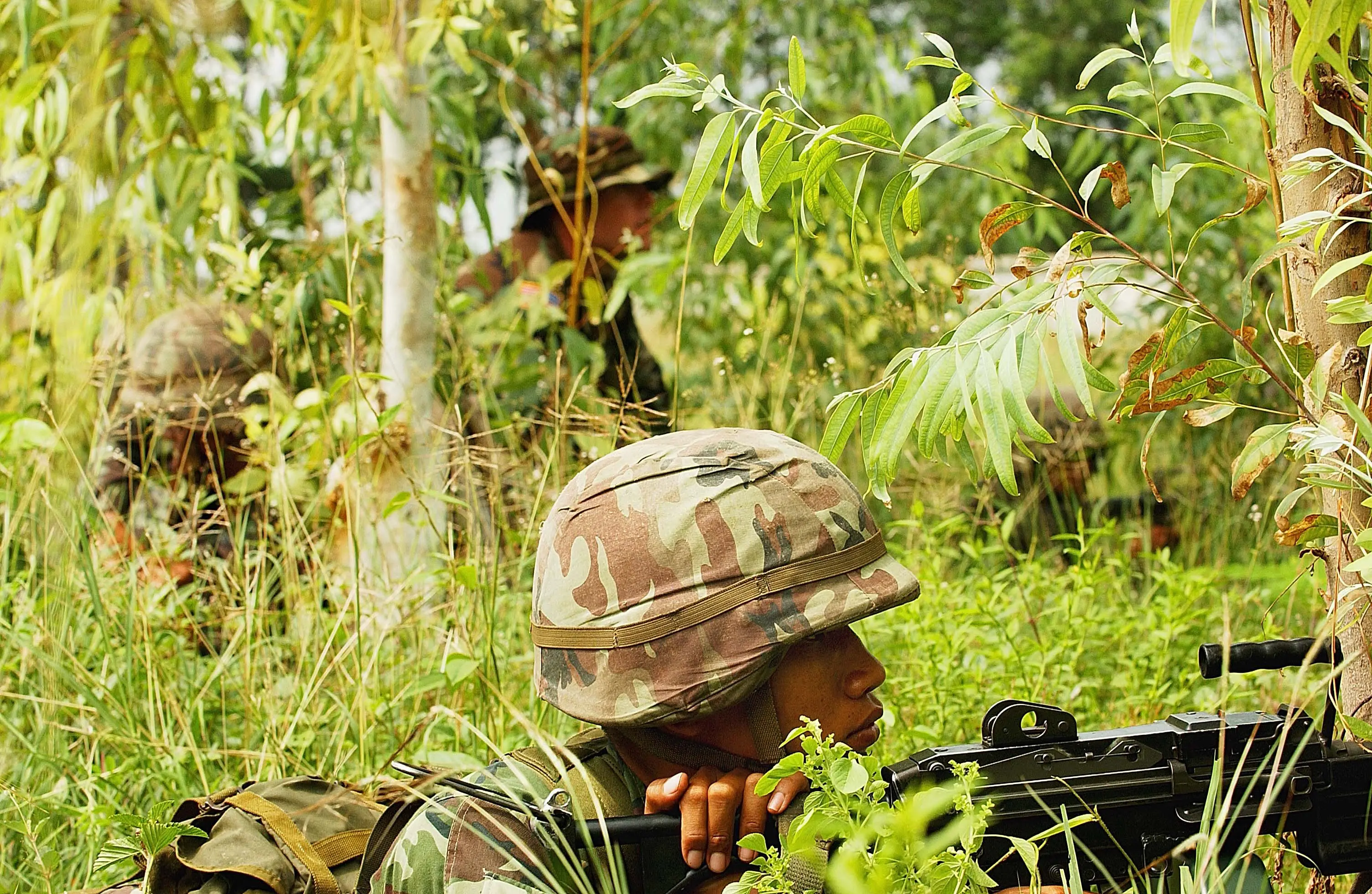
While Thailand has rejected foreign mediation, it has publicly left the door open to bilateral talks with Cambodia, hoping to de‑escalate tensions before conflict deepens further. Yet as long as martial law remains in force, civilian oversight will be limited and military authority will dominate the affected border regions. Historically, martial law in Thailand can last months or even years if security risks persist.
)
)
)
)
)