Tejas Mk2 vs Gripen E: Comparing engine, payload, avionics, and more

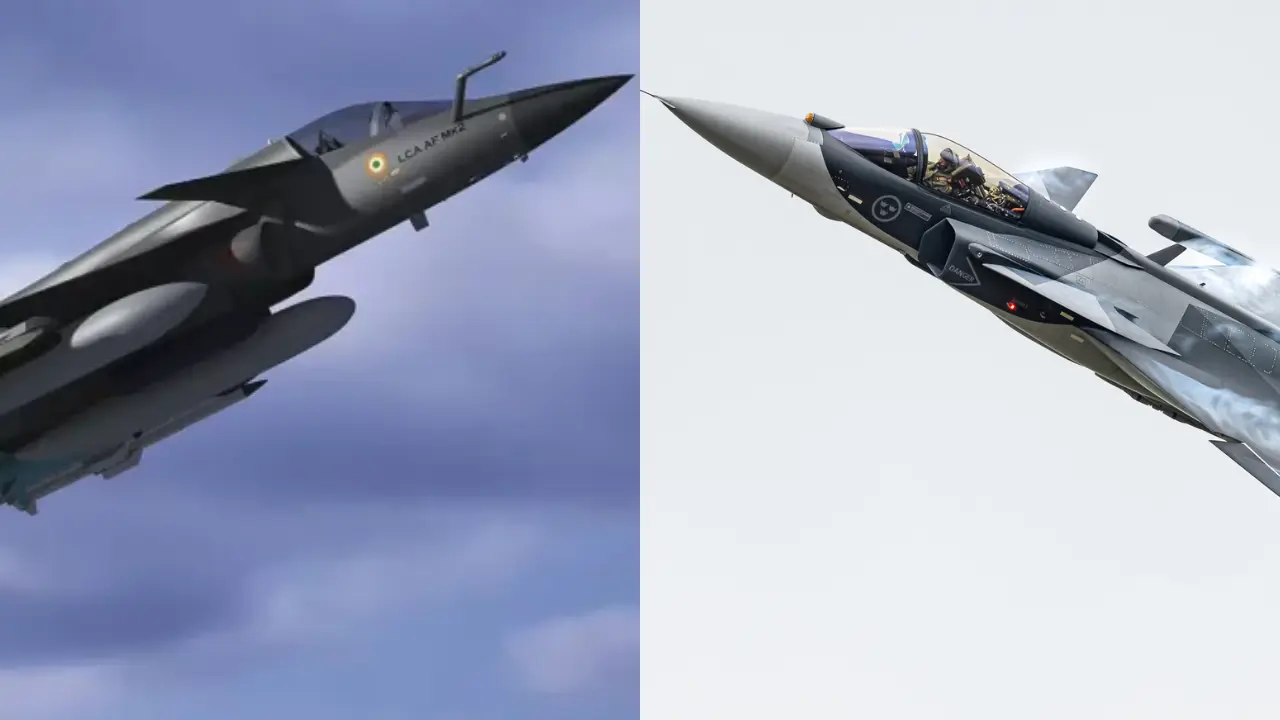
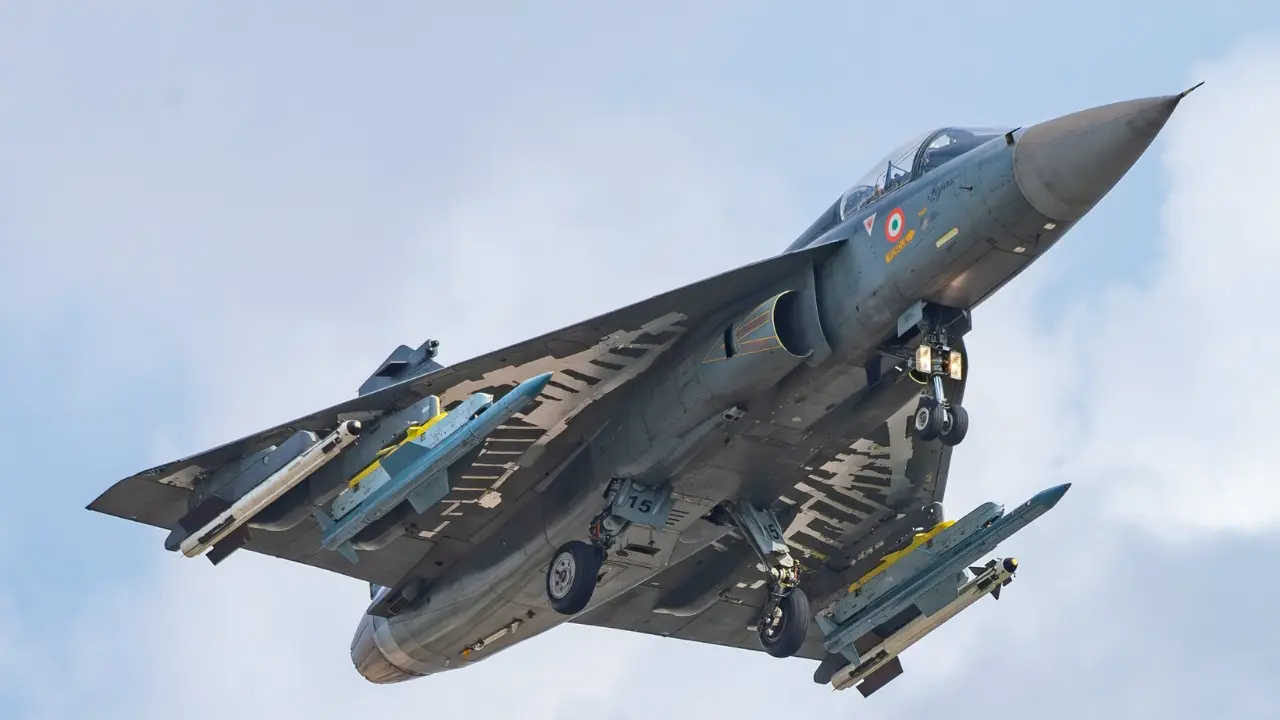
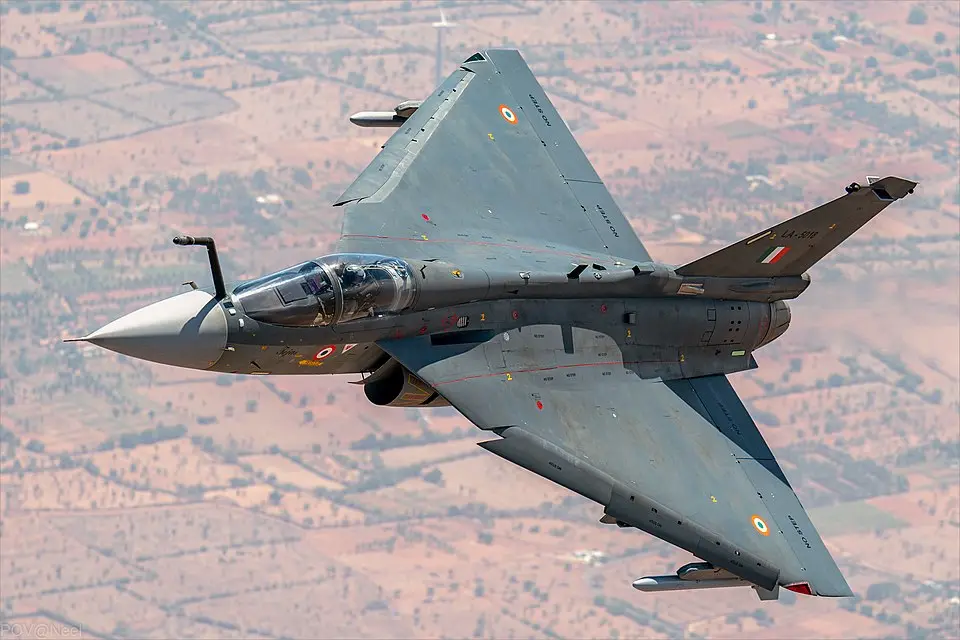
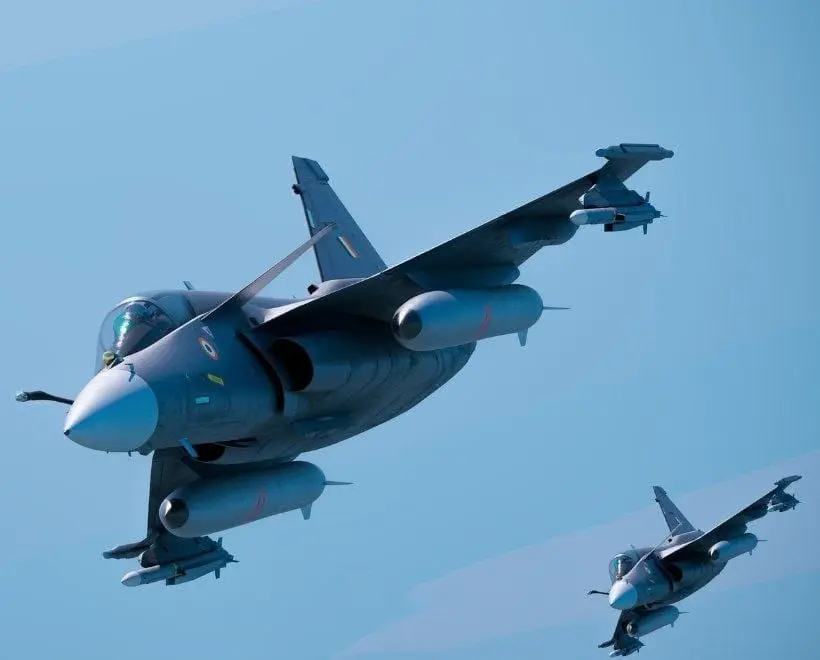
Tejas Mk2 is India’s own lightweight fighter, able to carry more than 6.5-tonne payload and reach speeds up to Mach 1.8. It features the Uttam AESA radar and comes with 14 hardpoints. Compared with Sweden’s Gripen E can fly at Mach 2, know how the Tejas Mk2 stands out for its lower cost.
Two advanced jets
Tejas Mk2 and Sweden’s Gripen E are both modern single-engine fighters built for air superiority. Tejas Mk2 is designed and produced in India, using mainly local technology, while Gripen E is made by Saab in Sweden. India’s Tejas Mk2 boosts national self-reliance and supports the country’s defence industry.
Engine power and performance
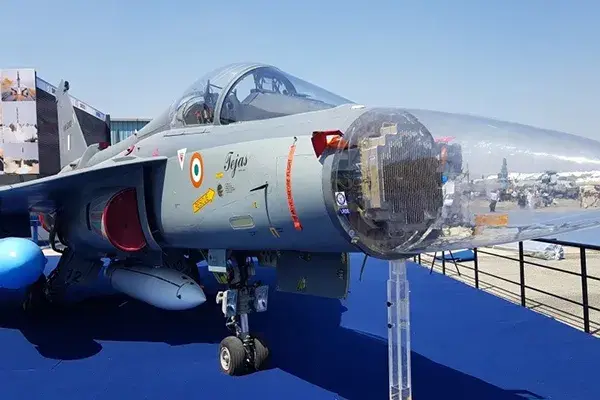
Tejas Mk2 uses the GE F414 engine, delivering 98 kilonewtons of thrust and a maximum speed of Mach 1.8. Gripen E uses the same engine, but Tejas Mk2’s lighter frame and advanced aerodynamics are more advanced and will be more effective when it comes, especially in dogfights.
Weapons load and flexibility
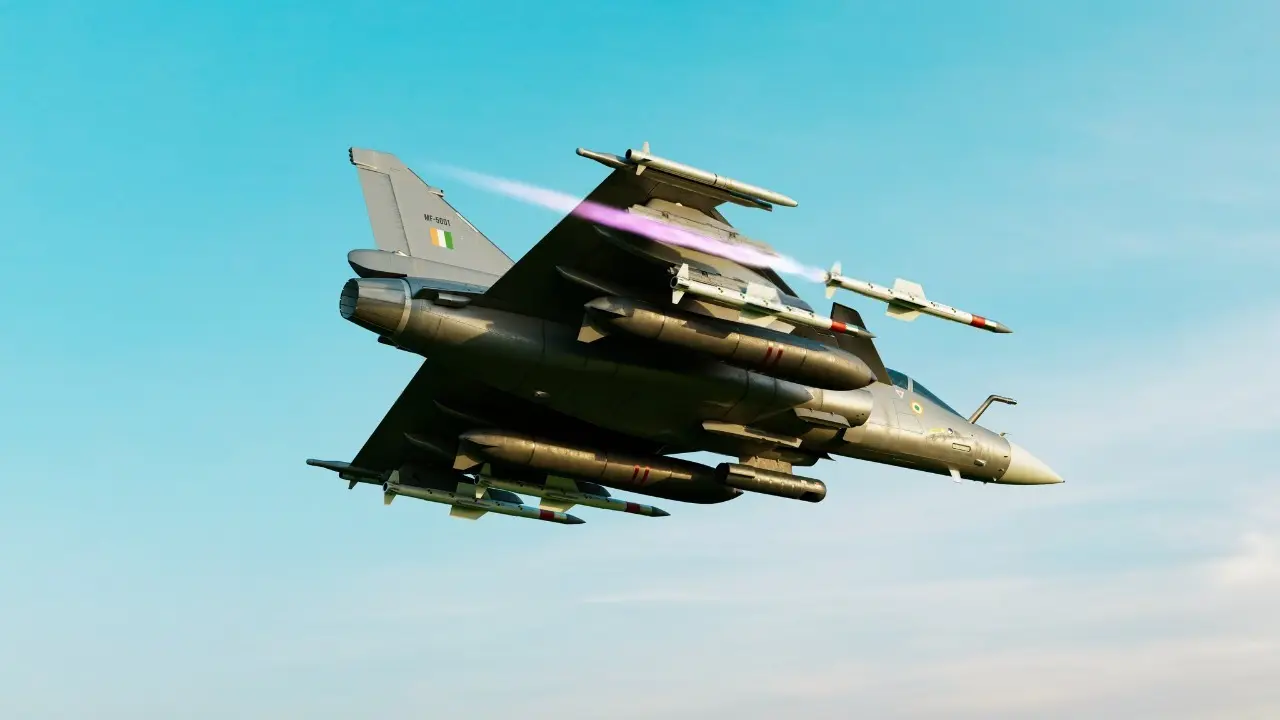
Tejas Mk2 can carry up to 6.5 tonnes of weapons, more than Gripen E’s 5.3 tonnes. It has 14 hardpoints compared to Gripen’s 10, allowing it to carry a wide range of Indian and international missiles, bombs and smart weapons. This makes Tejas Mk2 suitable for more varied missions.
Advanced digital cockpit and AI
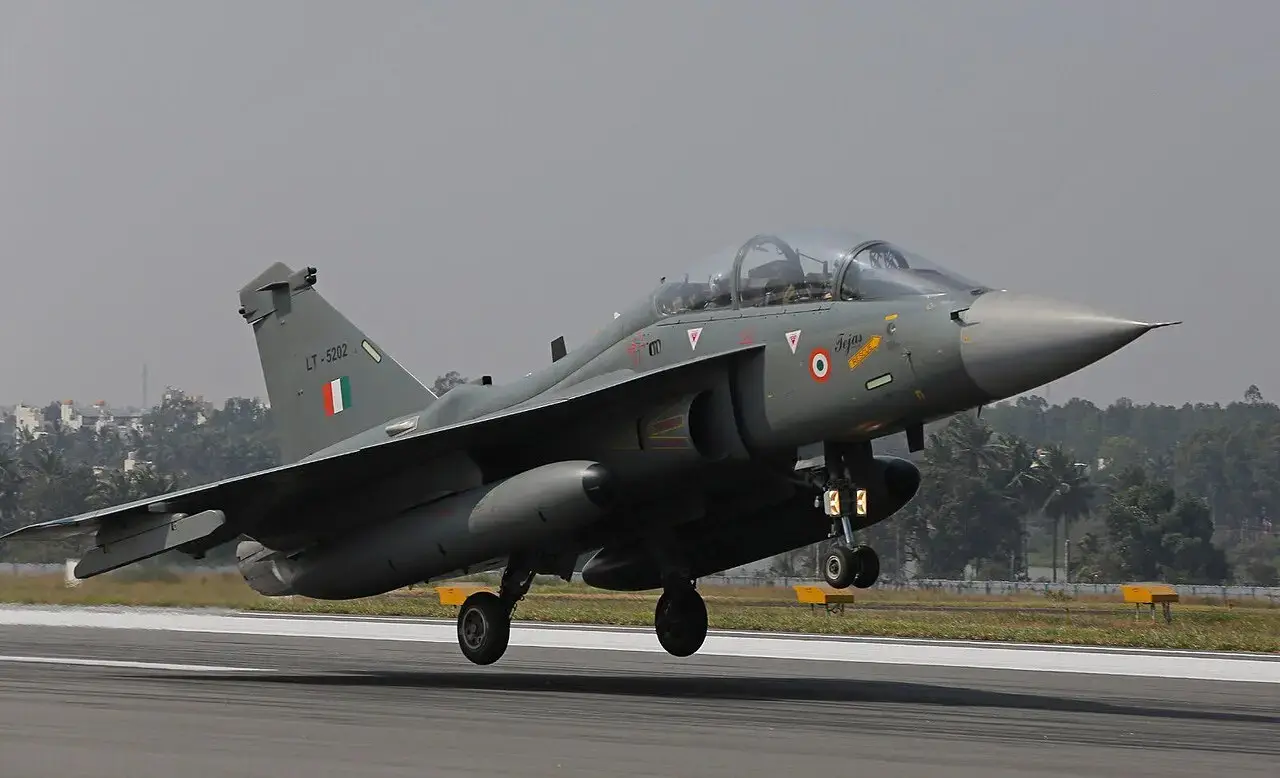
Tejas Mk2 features a new digital cockpit with a 15-inch panoramic display, an AI co-pilot, advanced HOTAS controls and voice command systems. While Gripen E offers smart displays and digital controls, Tejas Mk2’s AI reduces pilot workload, making it highly future-ready.
Homegrown sensors and technology
Tejas Mk2 is equipped with the Indian-made Uttam AESA radar, a local electronic warfare suite and onboard oxygen generation, reducing reliance on foreign parts. Gripen E uses imported Israeli and European sensors. Indian technology allows cheaper upgrades and easy customisation for new threats.
Cost advantage and operational savings
Tejas Mk2’s current estimated price is under $50 million per jet, with operational costs per flight hour 25 to 30 per cent below if compared with imported fighter jets. Gripen E costs closer to $70 million each, with higher long-term costs due to imported components and spares.
Indigenisation and future potential
The Mk2 programme supports more than 100 Indian companies and thousands of skilled jobs, keeping investment within the country. Tejas Mk2 can be upgraded for new missiles and network warfare, giving India strong strategic advantages for the future.
)
)
)
)
)