'Technology Gap': Why Pentagon is terrified of the physics behind the new UAP videos

Military analysts fear the physics-defying UAPs seen in recent videos represent a massive ‘technology gap’ and a leapfrog advancement by terrestrial adversaries.
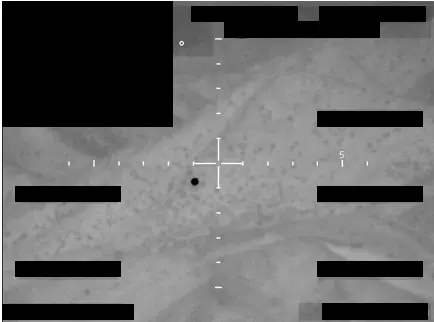
The Technology Gap
The true terror of the UAP phenomenon for the Pentagon isn't necessarily extraterrestrial; it's the possibility of a ‘technology gap’—the fear that a terrestrial adversary has leaped decades ahead in aerospace engineering.
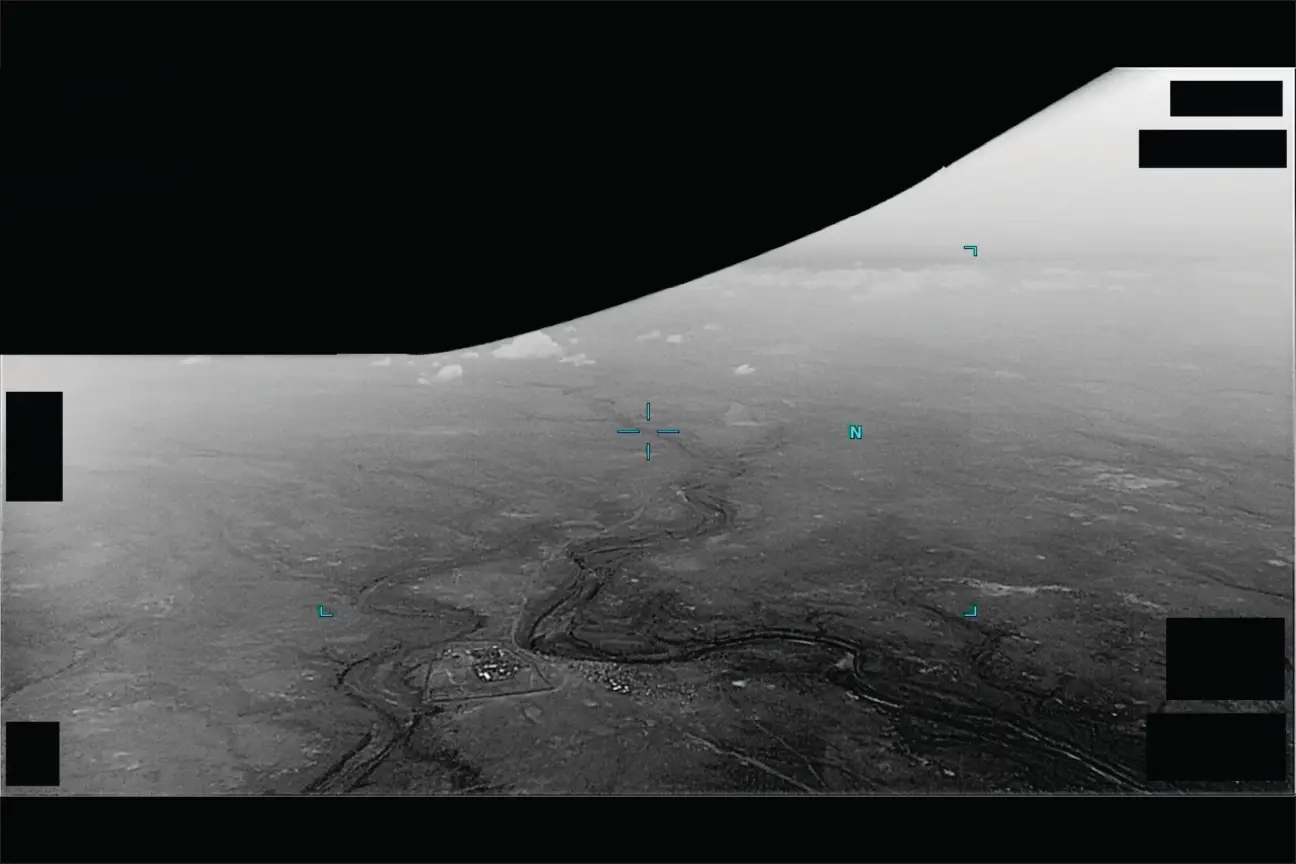
Defying the Laws of Physics
The objects tracked in the May 22 release accelerate at G-forces that would instantly destroy human biology and conventional airframes, maneuvering without banking or decelerating.
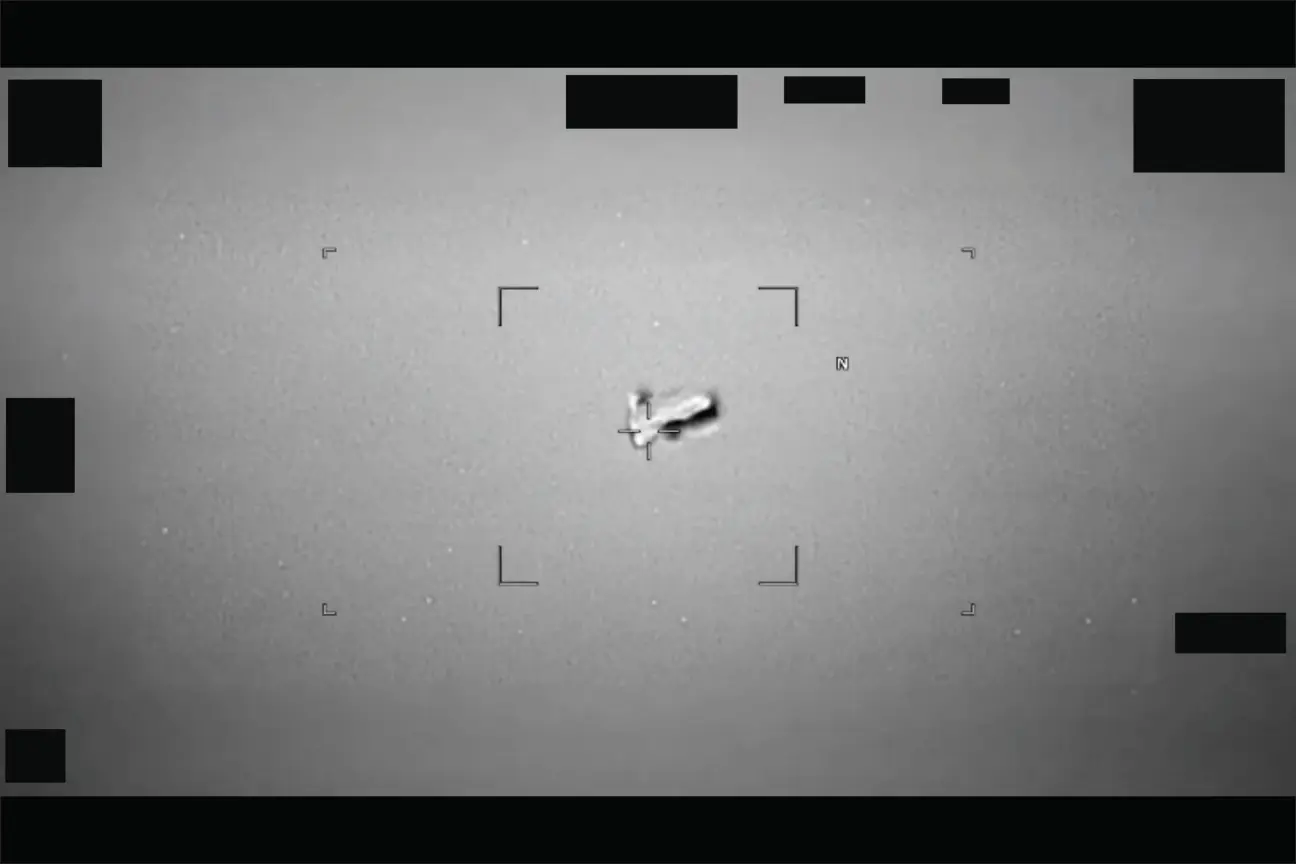
No Exhaust, No Wings
Infrared footage confirms these craft have no visible means of propulsion. There are no exhaust plumes, no rotors, and no flight control surfaces like wings or tail fins, confounding aerospace experts.

The Fear of Adversary Tech
If these craft are Chinese or Russian, it means America's multi-trillion-dollar defense apparatus, including fifth-generation fighters and nuclear submarines, is effectively obsolete against this new technology.

The Race to Reverse-Engineer
The extreme capabilities observed have fueled a silent arms race, with superpowers desperately trying to capture, understand, and reverse-engineer the anti-gravity or advanced propulsion systems driving these UAPs.

Classified Pentagon Programs
While PURSUE brings transparency, whispers remain of deeply classified special access programs (SAPs) within the Pentagon dedicated exclusively to cracking the physics behind the phenomenon.
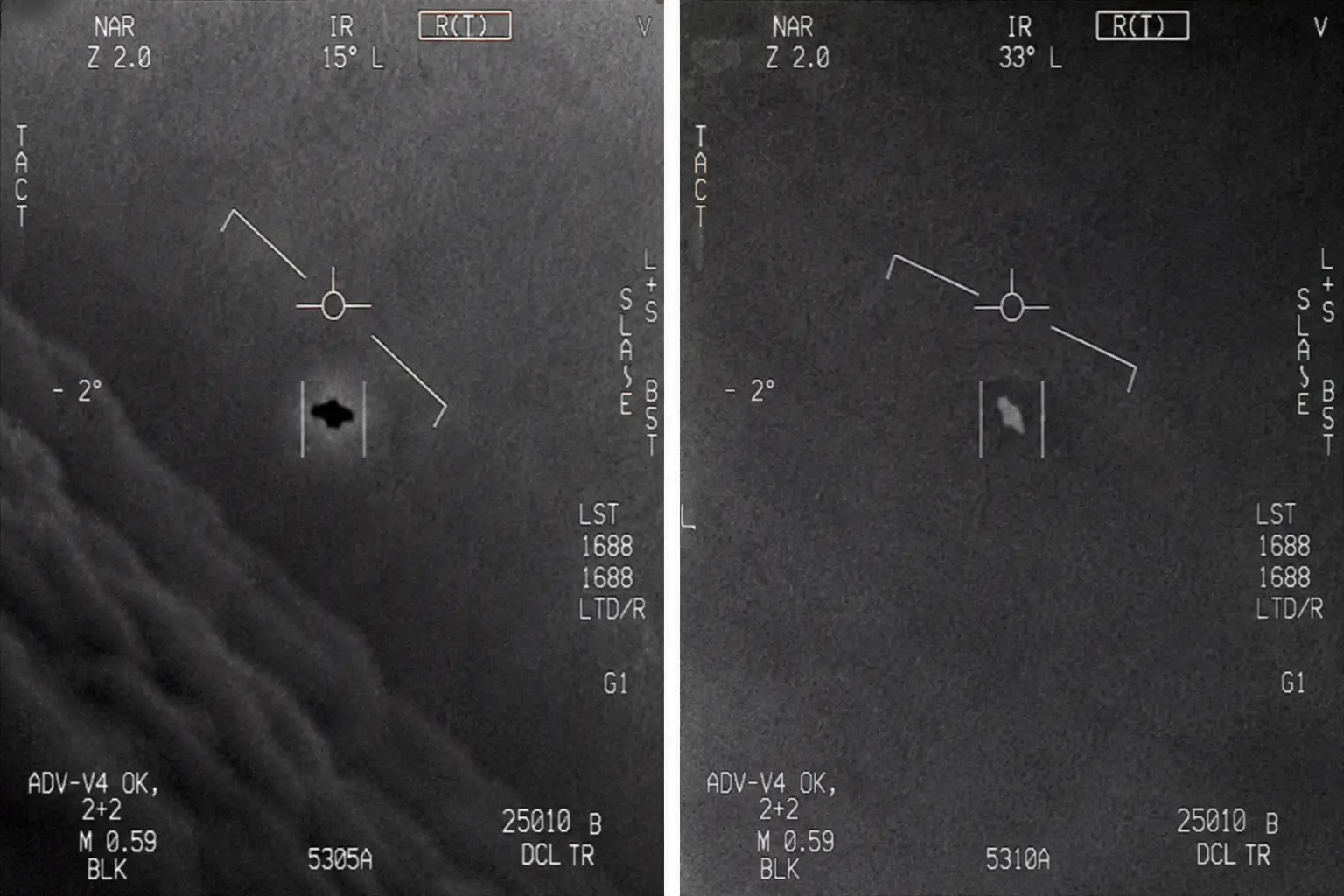
A New Arms Race
Whether alien or adversary, the UAP reality has triggered a new paradigm in defense spending, forcing the military to rethink the fundamental physics of aerial combat.
)
)
)
)
)