Stranded in space: The cosmonaut who left the USSR and returned to a new country!

In July 1991, Krikalev was asked to remain aboard Mir as a flight engineer for the next incoming crew arriving on Soyuz TM-13. He agreed, a decision that would unexpectedly leave him isolated in orbit as geopolitical events on Earth unfolded.
A Routine Mission Turns Extraordinary
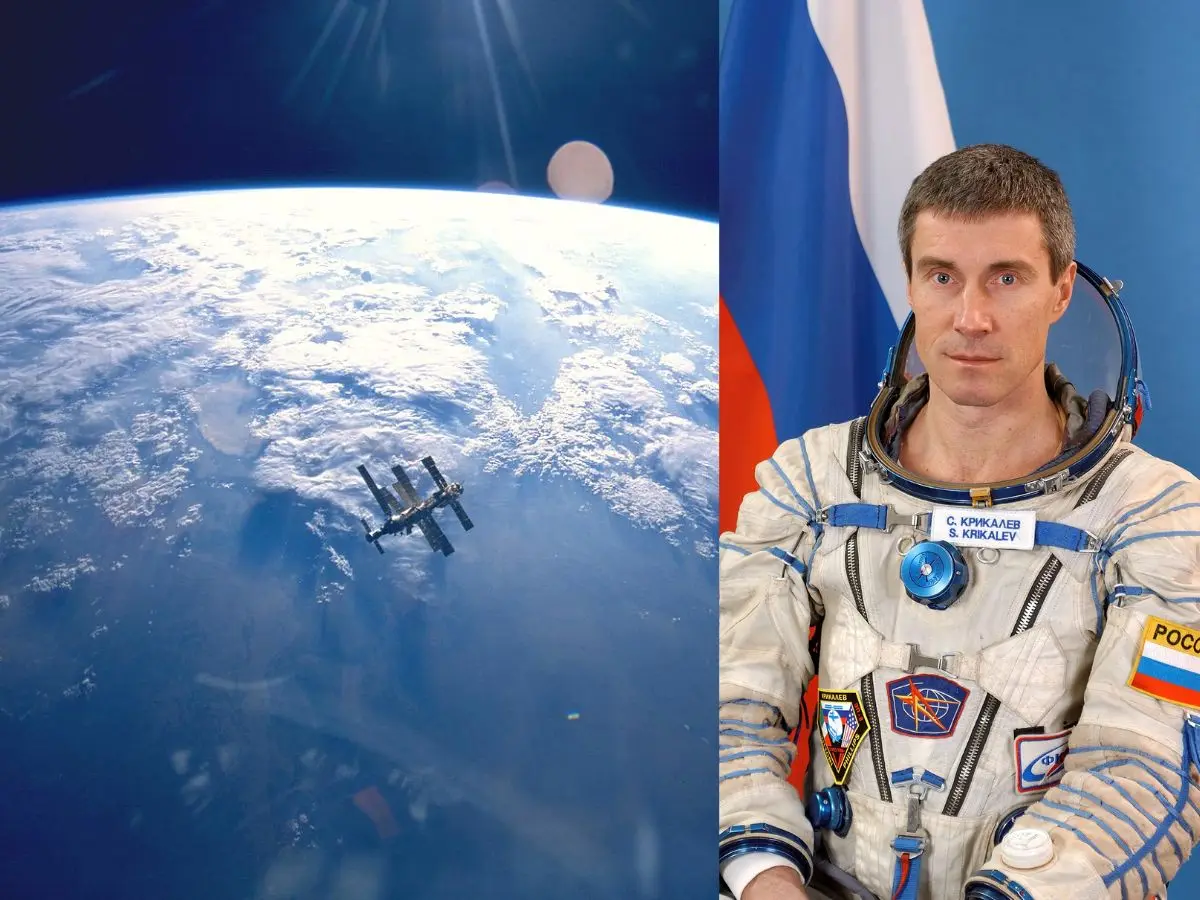
In May 1991, Sergei Krikalev blasted into space aboard Soyuz TM-12, expecting a standard mission to the Mir space station. Alongside Commander Anatoly Artsebarsky and British astronaut Helen Sharman, Krikalev began the usual routine: conducting experiments, maintaining the station, and adjusting to microgravity. However, 250 miles below, the Soviet Union was on the verge of collapse, a reality Krikalev could not witness from orbit.
The Crew and Early Days on Mir
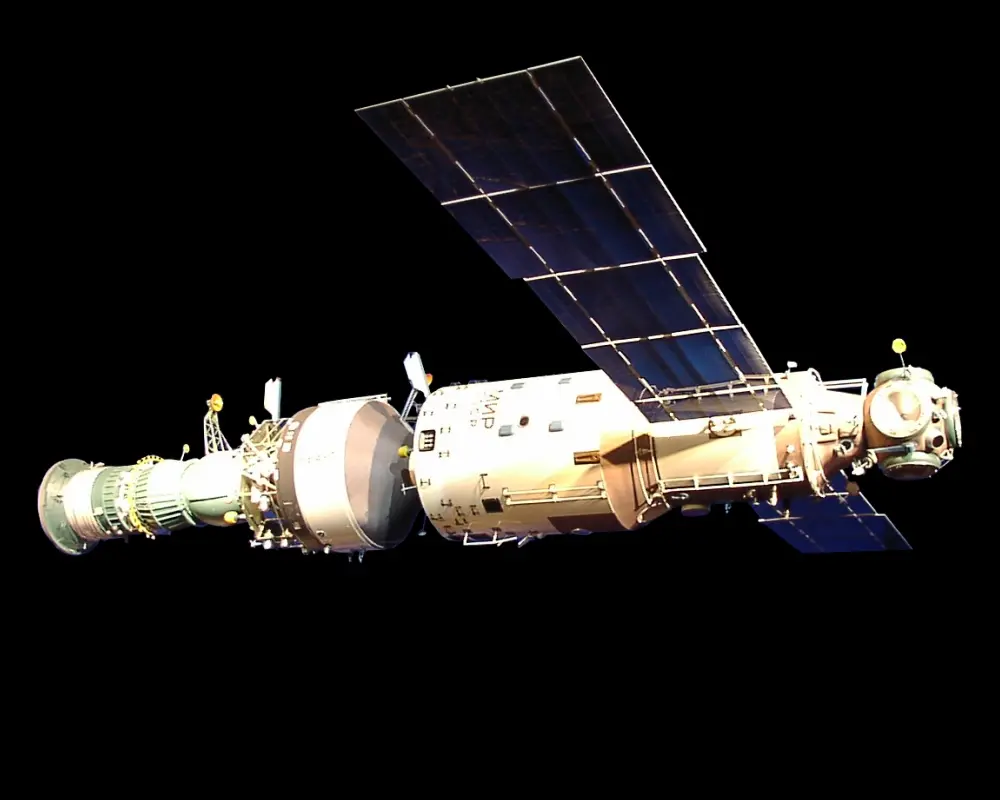
Helen Sharman spent just one week aboard Mir before returning to Earth, while Krikalev and Artsebarsky carried out six spacewalks, performing scientific experiments and maintaining the ageing station. The pair adapted to the challenging environment, unaware that their mission was about to become unprecedented in the history of human spaceflight.
A Request to Extend the Mission
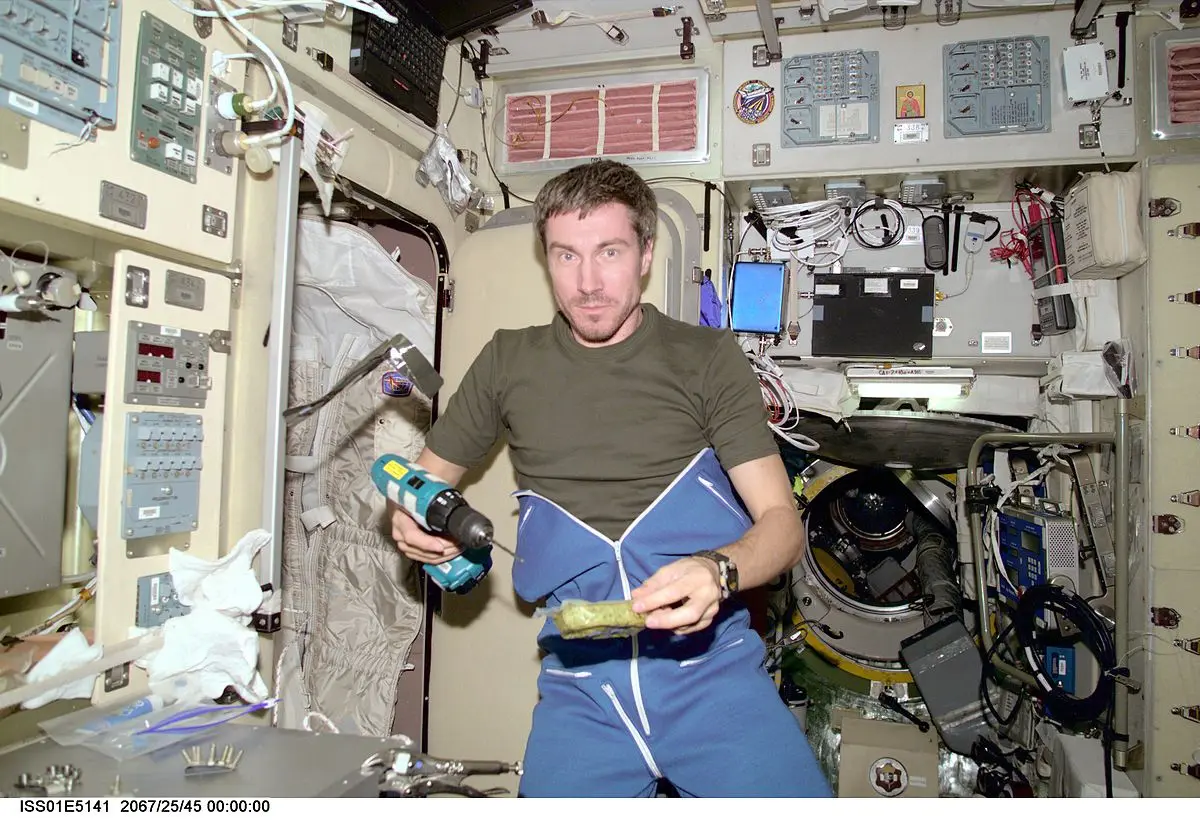
In July 1991, Krikalev was asked to remain aboard Mir as a flight engineer for the next incoming crew arriving on Soyuz TM-13. He agreed, a decision that would unexpectedly leave him isolated in orbit as geopolitical events on Earth unfolded. This extension was routine from a mission perspective, but the timing would transform his role into something unique.
Political Upheaval Below
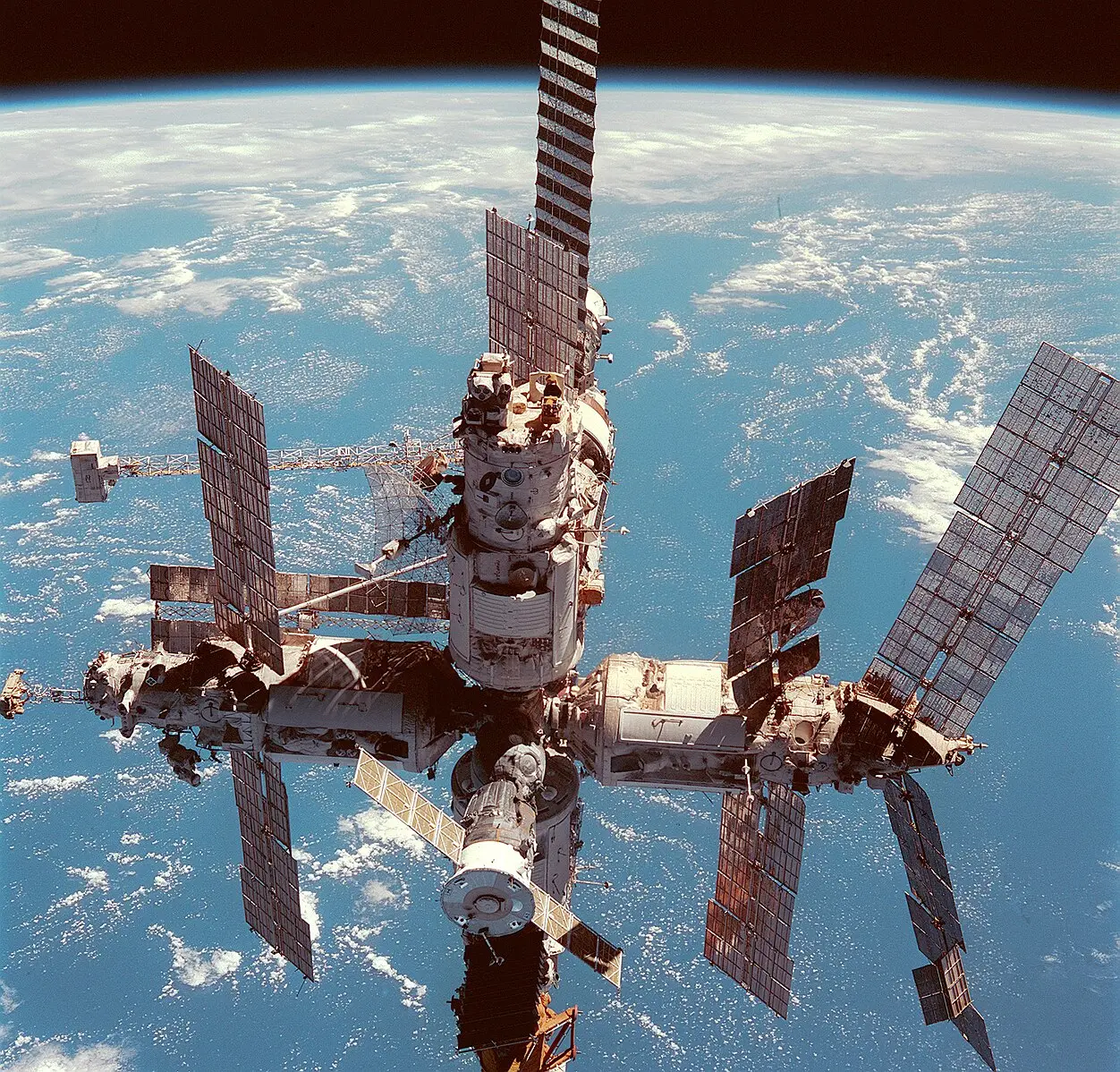
The extended stay presented challenges. Microgravity took a toll on Krikalev's physical health, leading to muscle and bone weakening. While Krikalev remained in orbit, the Soviet Union officially dissolved in December 1991, marking the end of an era and the emergence of 15 independent republics. The nation that had launched him into space no longer existed. Upon Artsebarsky and the visiting astronauts’ departure, Krikalev found himself literally stranded in space, orbiting a planet that had drastically changed politically.
Life Aboard Mir Amid Uncertainty
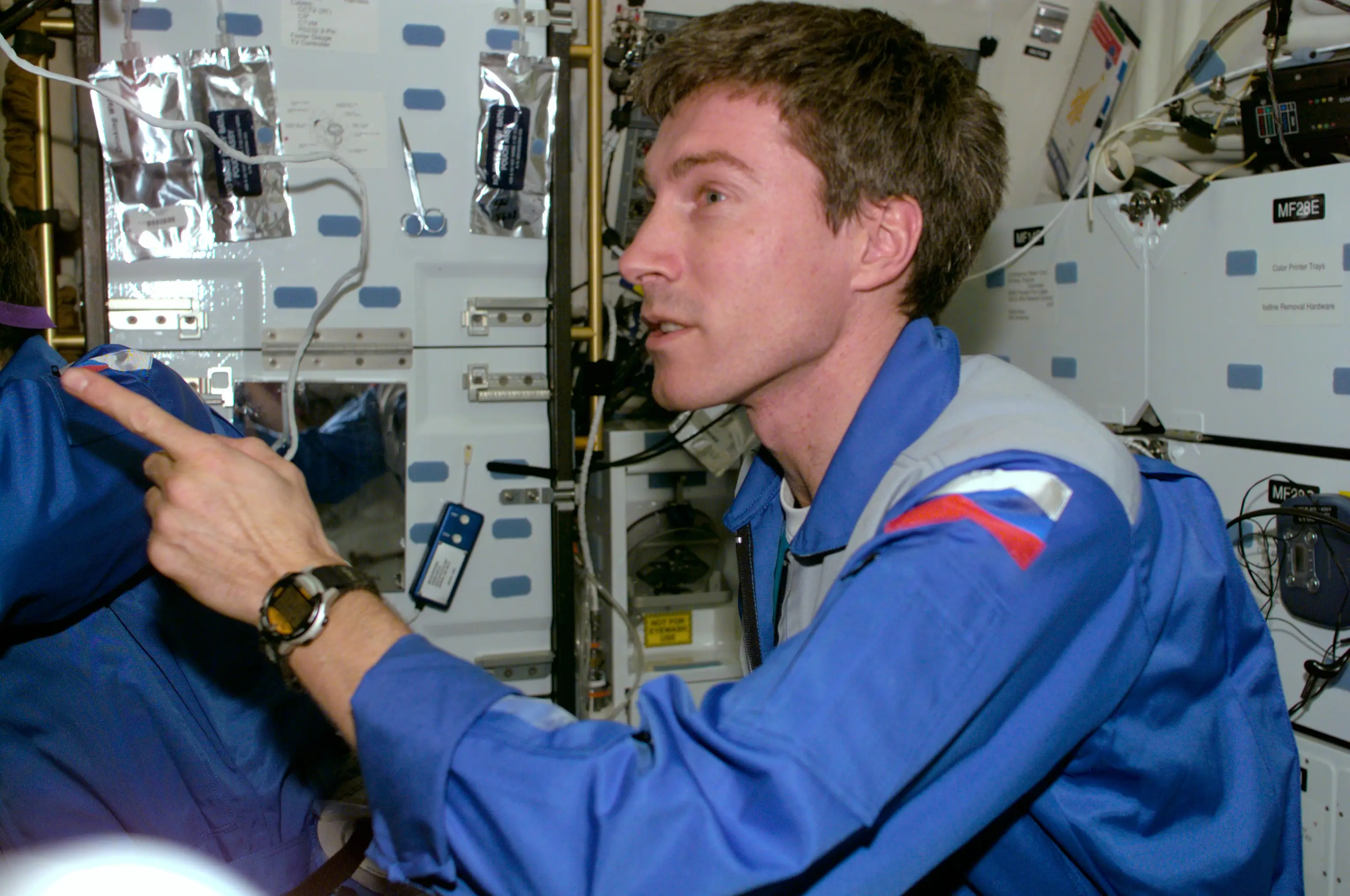
During his extended mission, Krikalev continued his duties, maintaining the station and performing experiments. The collapse of his home country added a surreal and bureaucratic layer to the already challenging isolation. Decisions about crew rotations, salaries, and mission command were complicated by the emergence of the Russian Federation, leaving Krikalev in a uniquely unprecedented position.
Return to a Changed World
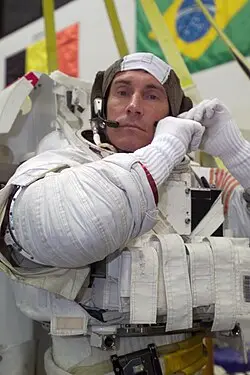
After spending 311 days in orbit, Krikalev returned to Earth in March 1992. He had left as a citizen of the Soviet Union and returned to a completely new nation. This extraordinary circumstance earned him the nickname 'the last Soviet citizen', highlighting how spaceflight and politics intersected in an unprecedented way.
Legacy of Resilience and Exploration
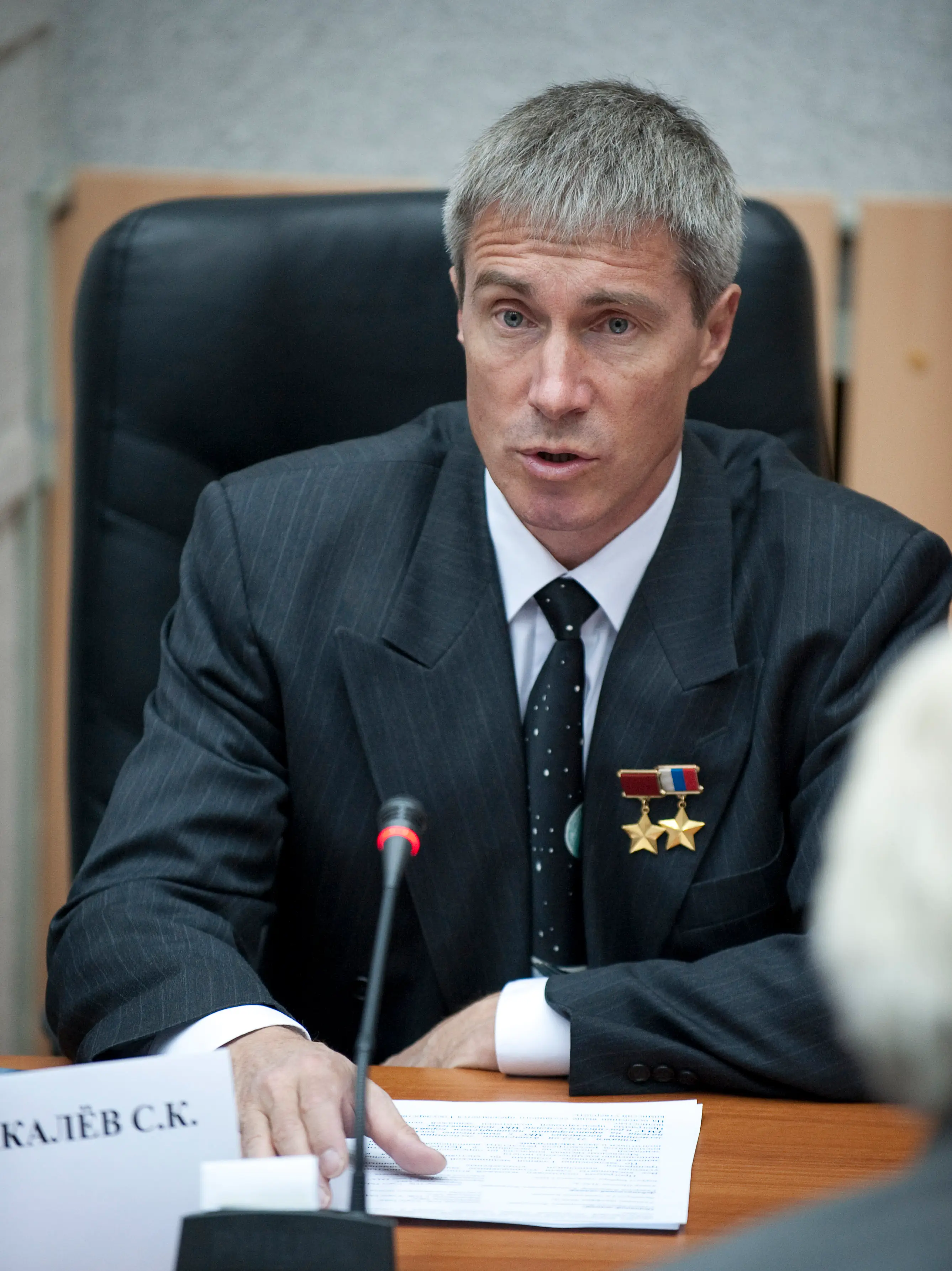
Krikalev’s experience underscores the unpredictability of space missions and the resilience required to endure them. He continued to fly missions aboard Mir and later contributed to the development of the International Space Station, cementing his status as one of the most experienced and remarkable astronauts in history.
)
)
)
)
)