Strait of Hormuz closure: Does India import 70% of its oil through this water corridor?

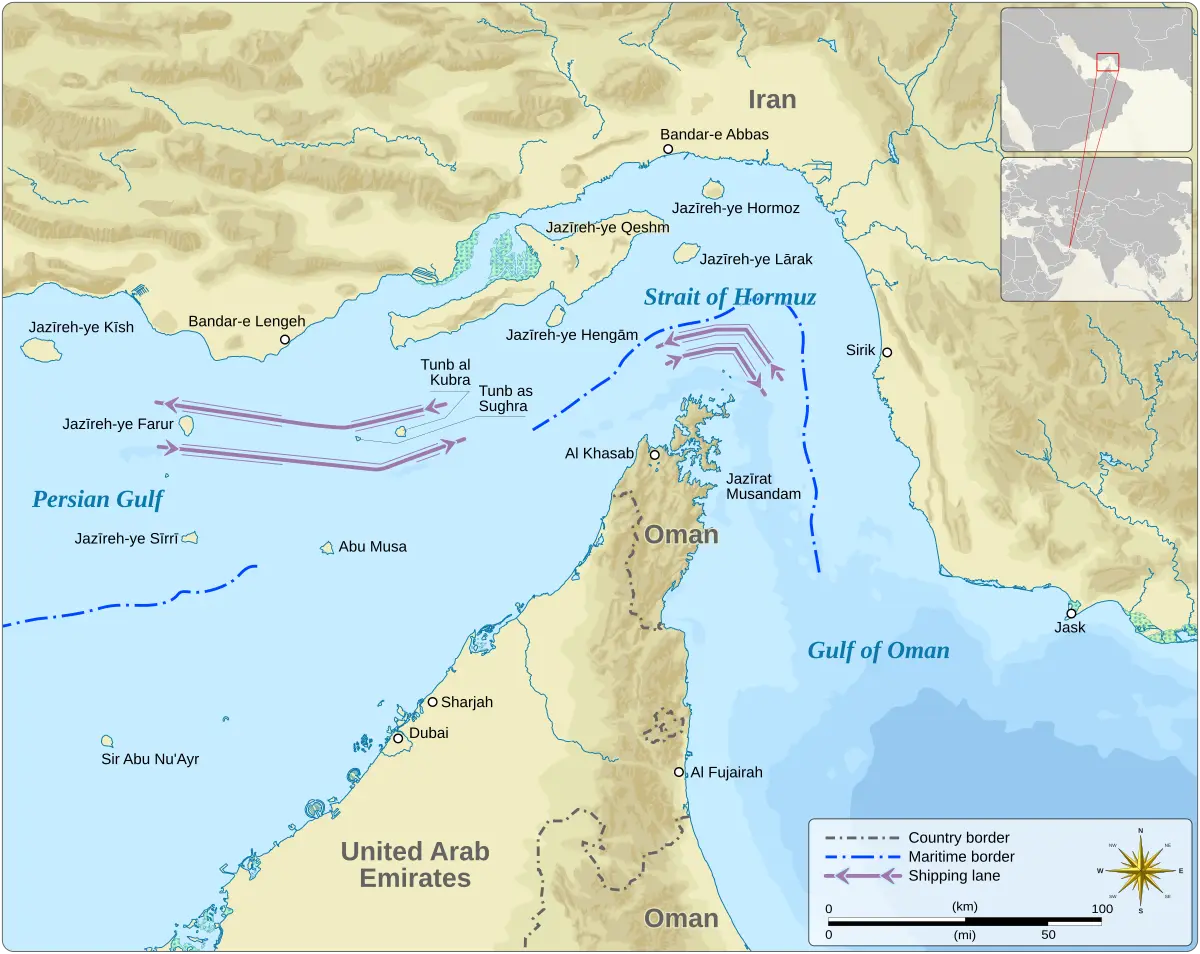
The Strait handles 20 per cent of global oil flows. It is critical for energy security in India, China, Japan, and South Korea. Any blockage would hit India’s crude supply chain hard.
The claim
With rising tensions between Iran and the US, there is talk that India imports 70 per cent or more of its crude oil through the Strait of Hormuz. But is that accurate?
What the data says
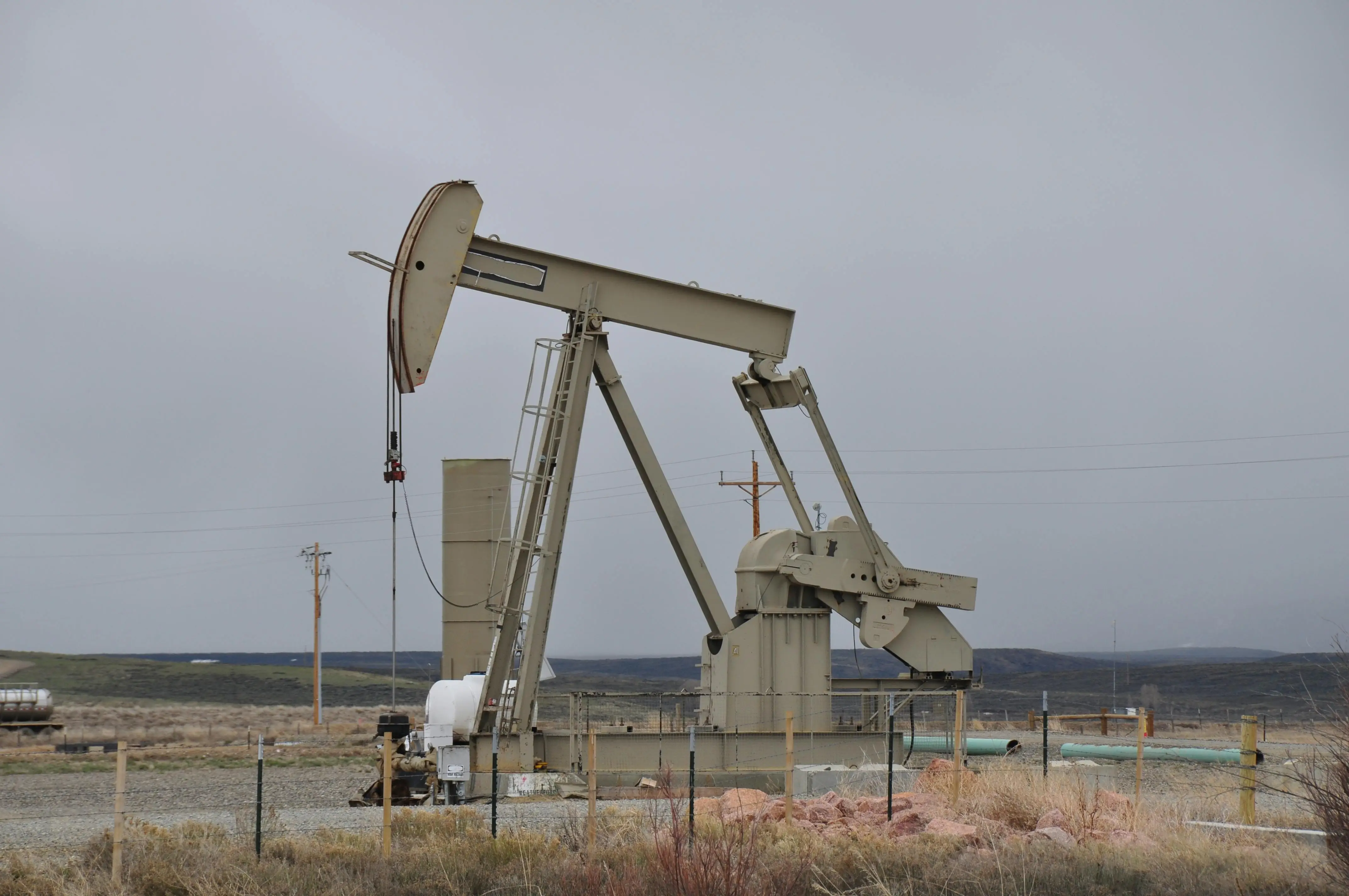
According to the combination of data by India's Ministry of Petroleum & Natural Gas, International Energy Agency (IEA) and US Energy Information Administration (EIA), India imports about 85 per cent of its crude oil, but not all of it passes through Hormuz. Around 60-65 per cent of India’s imports, mainly from Iraq, Saudi Arabia, UAE and Kuwait, move via this corridor.
Top suppliers to India (2023-2024, PPAC data):
Iraq — ~22 per cent
Saudi Arabia — ~17 per cent
UAE — ~12 per cent
Kuwait — ~5 per cent
Iran — negligible now (sanctions)
Russia — ~35 per cent now, via other routes (Black Sea, Baltic, etc.)
Why Hormuz matters
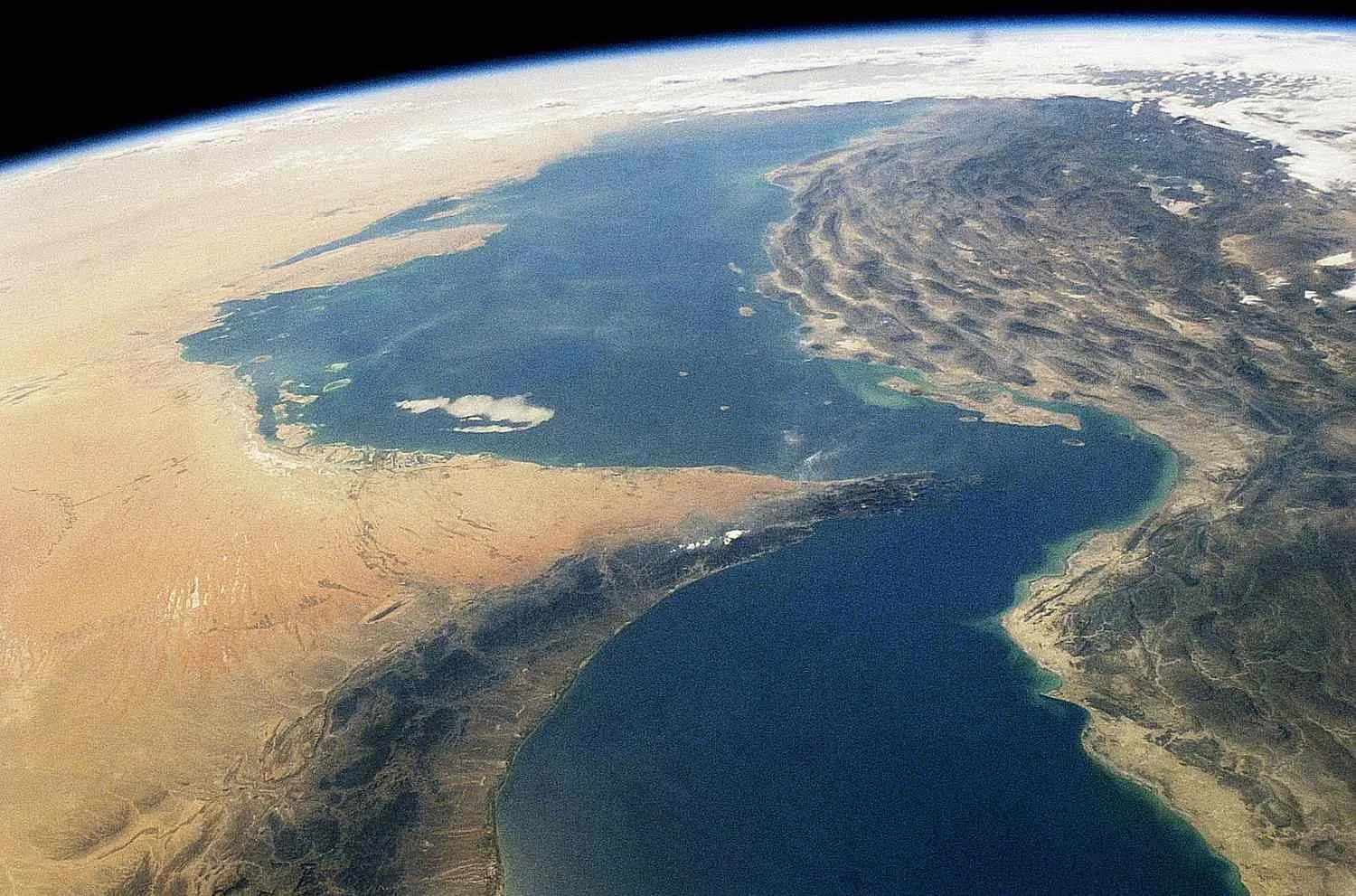
The Strait handles 20 per cent of global oil flows. It is critical for energy security in India, China, Japan, and South Korea. Any blockage would hit India’s crude supply chain hard.
What if Iran blocks it?
If Iran shuts the Strait, tankers carrying India-bound oil would be stalled. This could push oil prices above $120 per barrel, leading to price hikes in India.

Alternate routes?
Limited options exist. Some suppliers (like the US, Russia, or West Africa) don’t rely on Hormuz, but shifting volumes there is neither fast nor cheap.
How will Indian consumers feel it?
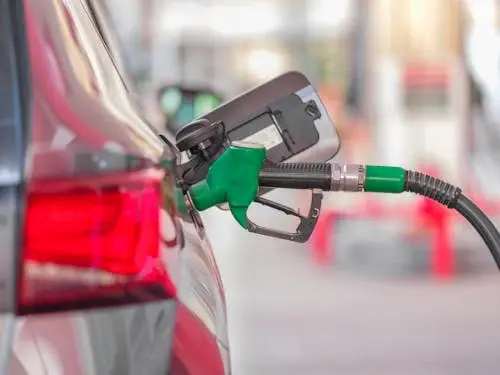
Higher crude costs will raise petrol, diesel, LPG prices. Inflation could rise, affecting everything from household budgets to airline fares.

The bottom line
India doesn’t import 70 per cent through Hormuz — the true number is closer to 60-65 per cent — but even that level of dependence means any disruption will hurt.
)
)
)
)
)