State Opening of Parliament 2026: Unusual traditions at the British ceremony

The State Opening of Parliament for 2026 took place today, but the ceremony is marked by several unusual practices that included hostages, slamming doors and royal carriages.
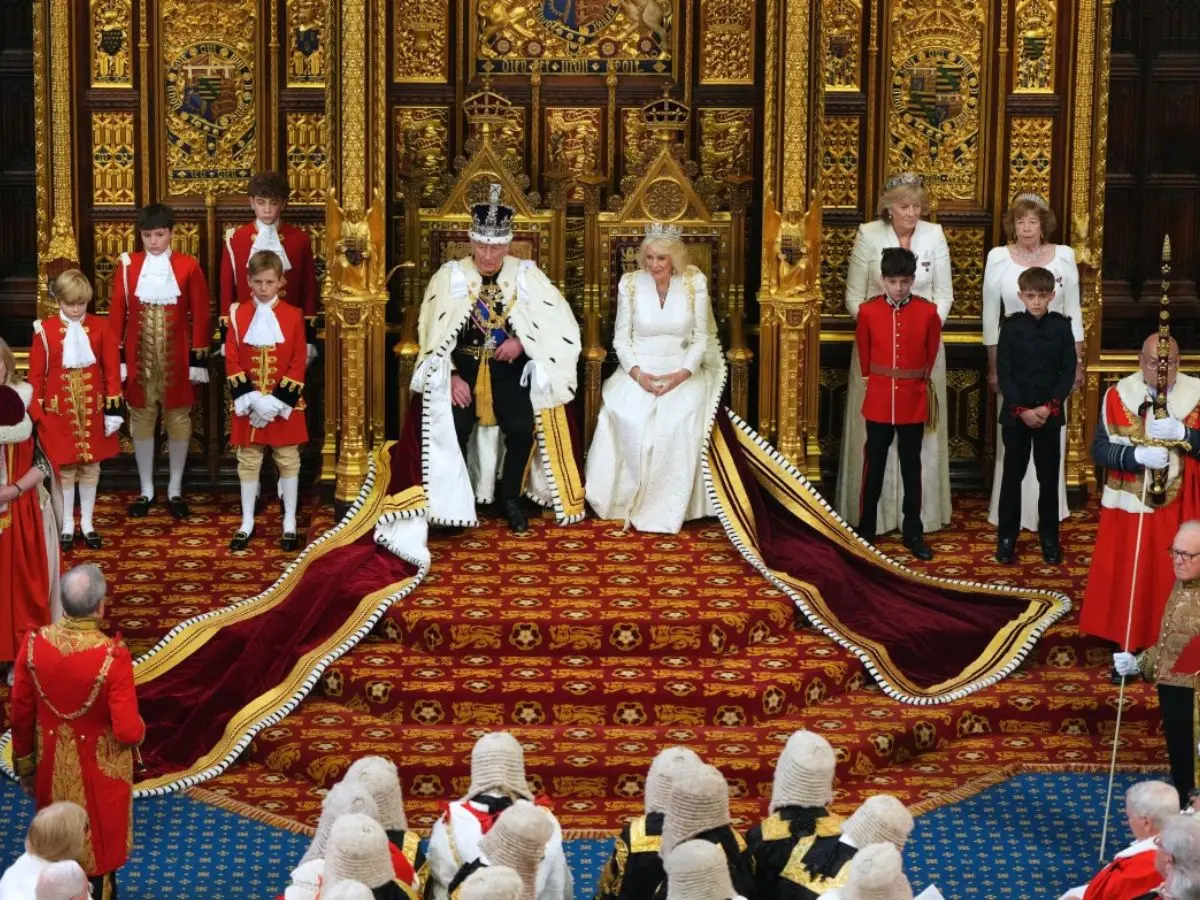
State Opening Ceremony
The 2026 State Opening of Parliament took place on May 13. The ceremony marks the formal start of a news session of the UK Parliament. The highly prestigious event is the only regular instance where the three constituent parts of Parliament, the Monarch, the House of Lords and the House of Commons assemble at the Palace of Westminster.
Odd traditions
At the core of the extravaganza are age-old traditions that may seem arcane to many. These unusual traditions highlight the historically tense relationship between the Crown and the Parliament and assert the independence of the Commons from the Monarchy. Most of these take place outside of the public eye.
Search for explosives
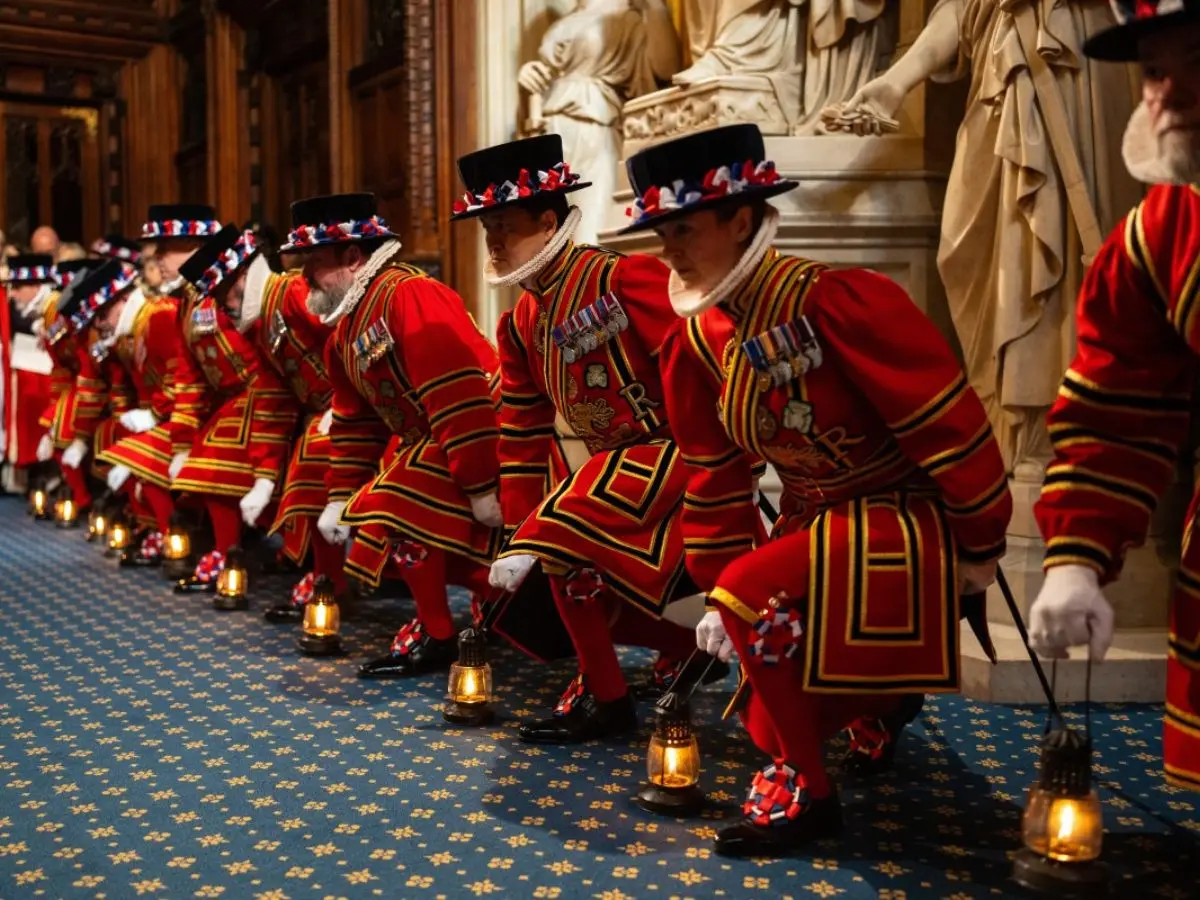
Before the King arrives at Parliament, the royal bodyguards known as the Yeomen of the Guard, dressed in traditional “Tudor” uniforms, search the Palace of Westminster’s cellars for explosives. This ceremonial search connects to the “gunpowder plot of 1605”, a failed scheme by English Catholics to blow up the Parliament and assassinate Protestant King James I.
MP held hostage
A member of Commons, conventionally the Vice Chamberlain, is held hostage in Buckingham Palace for the duration of the ceremony to ensure the Monarch’s safe return. This tradition dates back to the time of King Charles I from the 1600s, who offended the English Protestant society in numerous ways and had a contentious relationship with Parliament, leading to a Civil War. He was executed at the end of the war.
Slamming door in Black Rod’s face
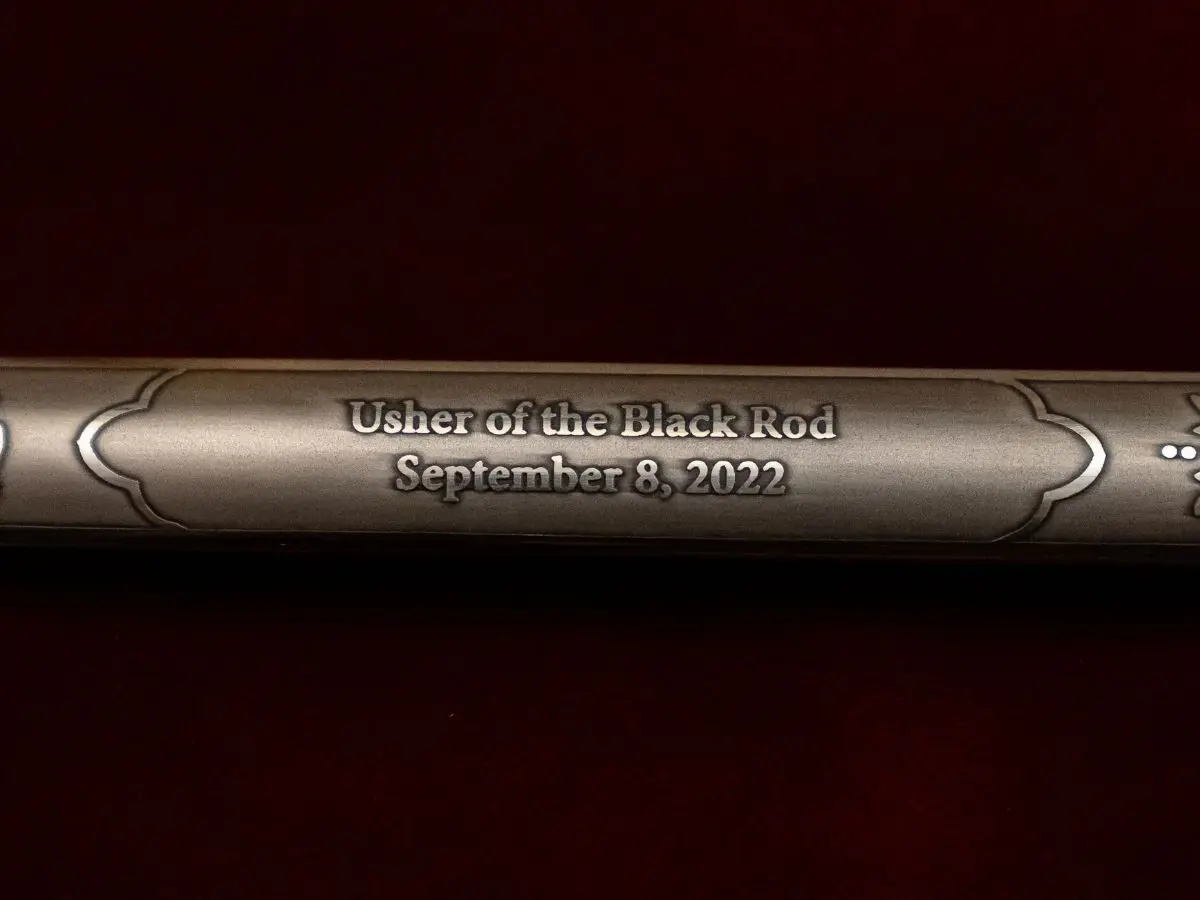
A parliamentary official called Black Rod is sent to the House of Commons to summon MPs for the King’s speech, where they have the doors to the Commons chamber shut in their face. Black Rod then knocks on the door thrice using their staff before they are finally let in. The tradition symbolises the Common’s independence from royal interference, tracing back to King Charles I who tried to enter the chamber and arrest five MPs in the 1640s.
King’s speech’s special carrier
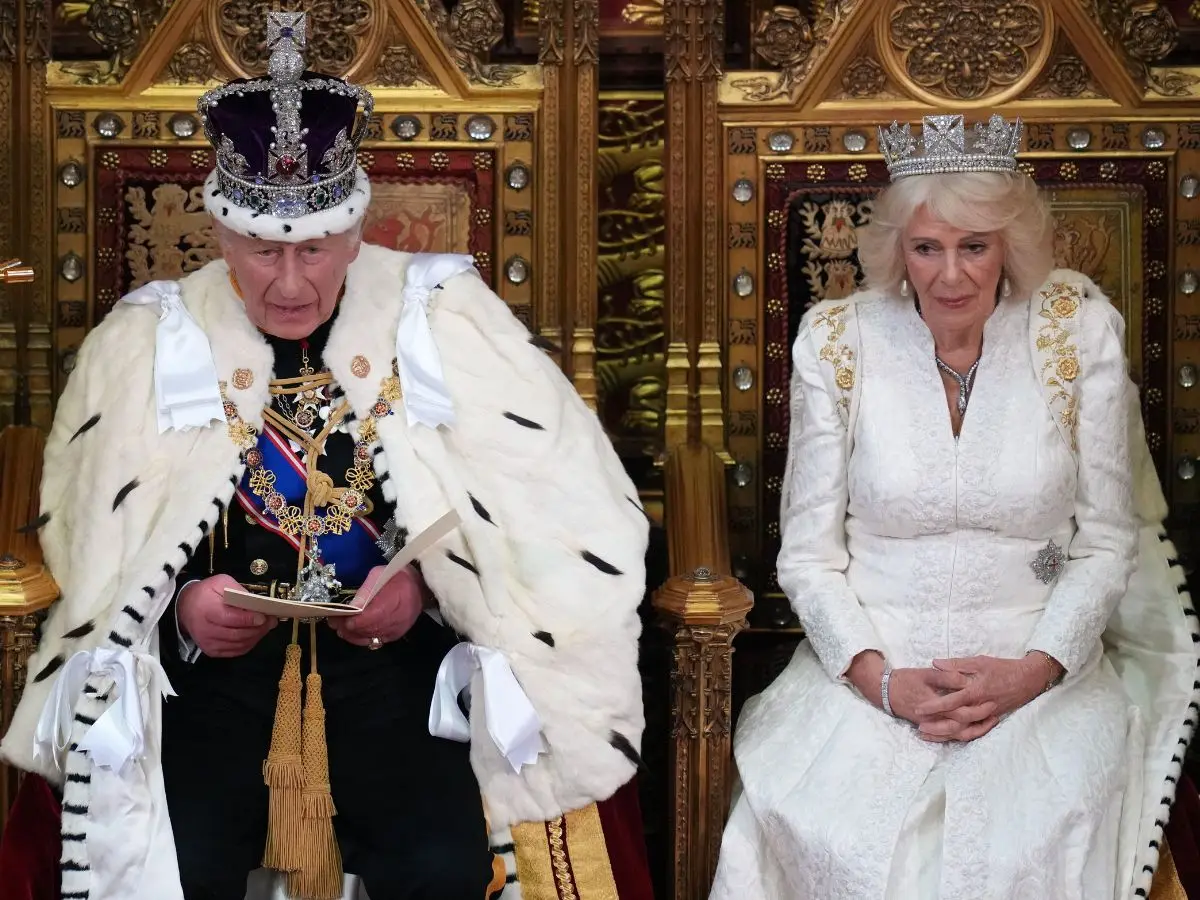
The King’s speech is the centrepiece of the ceremony and the document gets its own special tradition in how it is delivered to the Monarch. The speech is written by the government of the day and brought into the chamber by the Lord High Chancellor, who kneels on one knee while presenting it to the Monarch.
King’s pomp procession
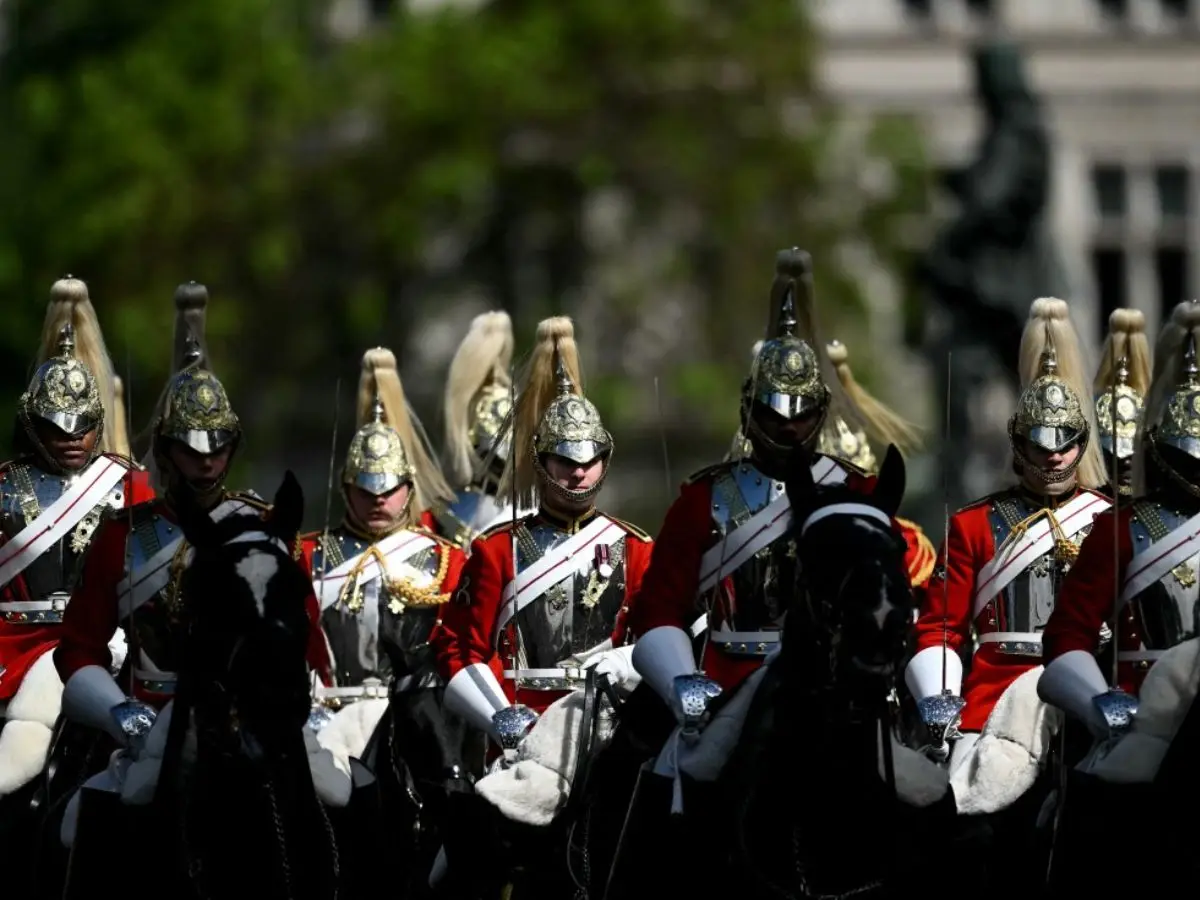
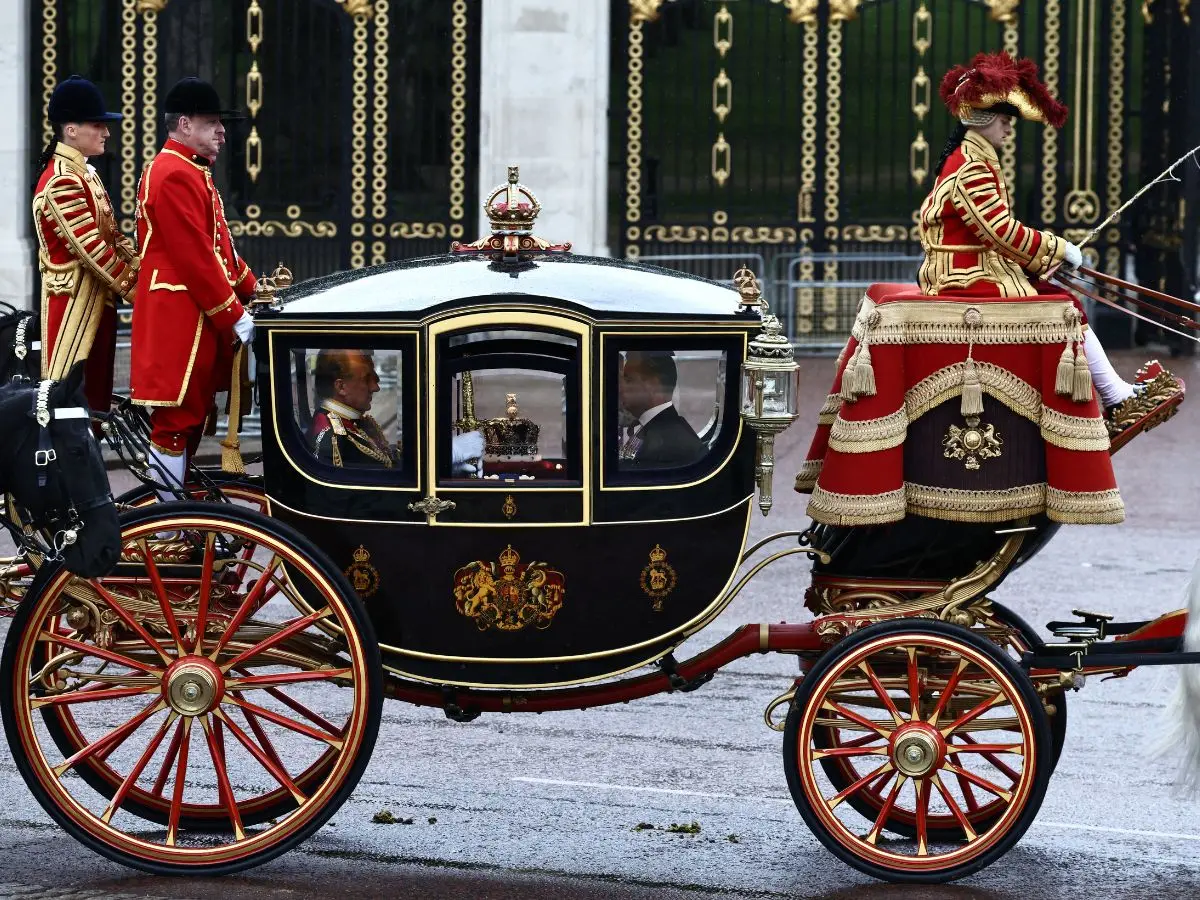
The King and Queen travel from Buckingham Palace to Westminster in a carriage, escorted by the Household Cavalry. The Imperial State Crown travels in its own carriage. They arrive through an entrance specially reserved for the Monarch, the Sovereign’s Entrance in Victoria Tower and proceed to ascend the Royal Staircase. They enter a special “Robing room” where they put on the crown and ceremonial robes.
)
)
)
)
)