Speed-of-light weapon: What makes India’s new RayStrike-9 laser system capable of neutralising swarm drones

India’s indigenous RayStrike-9 (3kW–9kW) laser weapon, built by Paras Defence and DRDO-CHESS, fires at the speed of light to neutralise drone swarms and missiles within a 1.2–2.5 km range. Using AI targeting and electro-optics, its infinite magazine cuts the cost of modern anti-drone warfare.
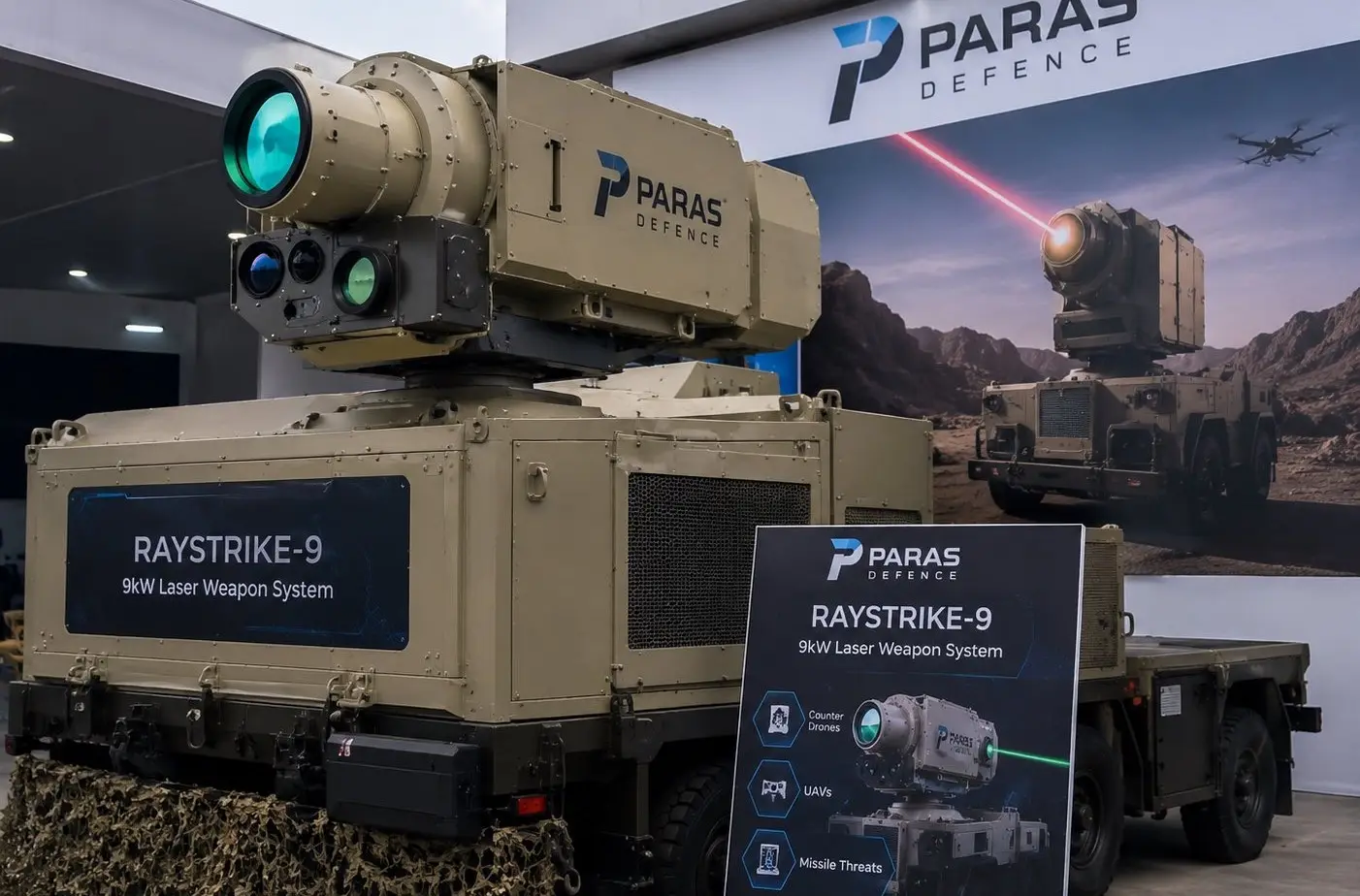
RayStrike 9 (9kW) Laser Weapon
The defence sector of India is making a rapid transformation, along with the conversion of multiple programs in order to bolster its aerial and electronic warfare capabilities. To strengthen the aerial power, India has inducted the RayStrike-9 directed energy weapon project into its defence sector, which is spearheaded by Paras Defence in collaboration with DRDO’s CHESS laboratory. The development has marked a significant leap in anti-drone and anti-missile technology.
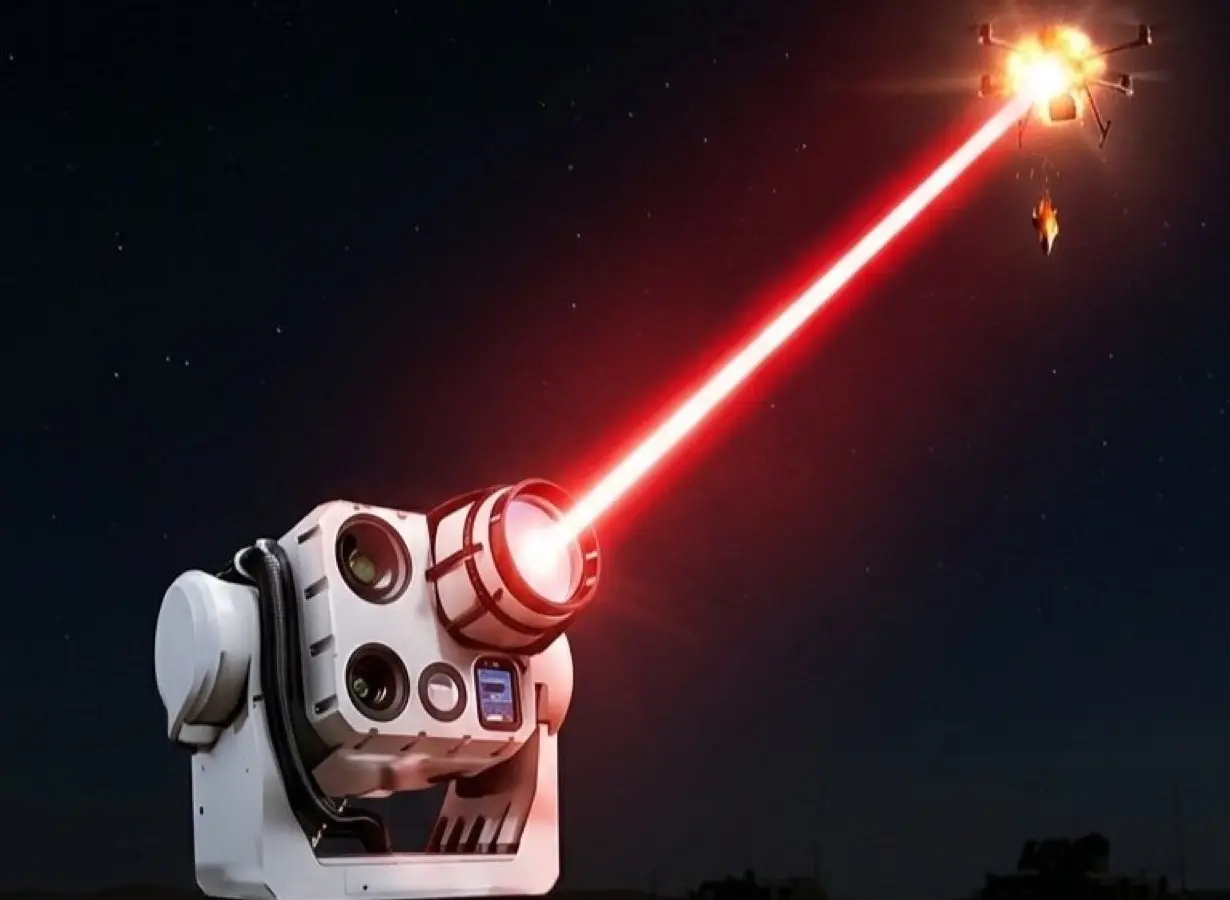
Speed of light capability
The weapon has a speed-of-light engagement capability, which makes it quite effective against swarming drones and fast-moving aerial targets. RayStrike-9 also eliminates traditional ammunition logistical and significantly lowers long-term operational costs as compared to standard interceptors. Its role is vital in counter-drone warfare, where low-cost UAVs and loitering munitions with high-cost traditional weapons have become a defining challenge in modern conflicts.
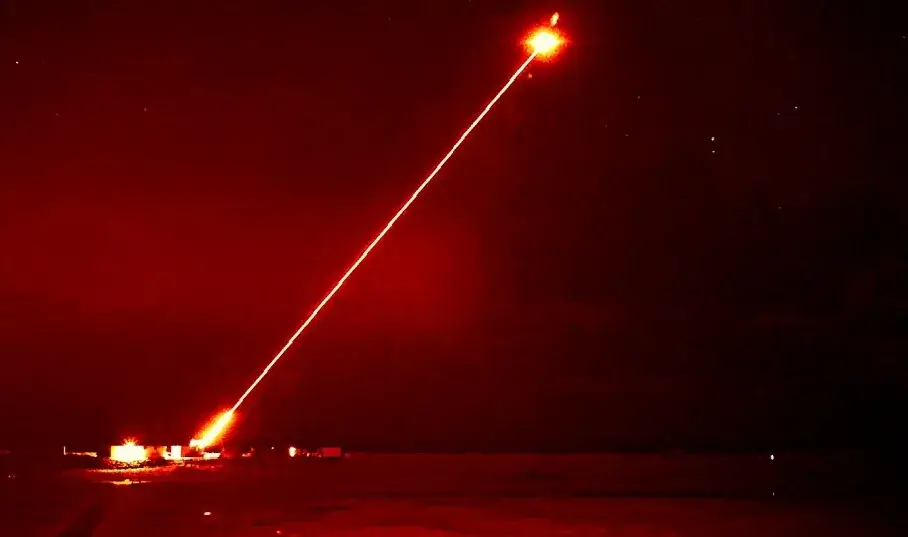
Self-reliance in advanced defence technologies
RayStrike-9 represents India’s growing push towards self-reliance in cutting-edge defence technology. Integrating indigenous optics, power systems and precision-targeting capabilities, Paras Defence and Space Technologies has emerged as an important contributor to the government’s Atmanirbhar Bharat initiative. The project highlights India’s efforts to compete with major global powers in directed energy weapons while reinforcing its multi-layered defence capabilities against emerging threats.

RayStrike-9 range
Offered in variants ranging from 3kW to 9kW, the RayStrike-9 employs a “Track, Locate and Kill” system that neutralises targets using concentrated laser beams. The modular platform integrates AI-enabled targeting, high-resolution electro-optical sensors for both day and night operations, and engagement ranges between 1.2 km and 2.5 km depending on the target and power configuration. It can function as either a vehicle-mounted or portable system and is designed to operate in demanding environmental conditions.
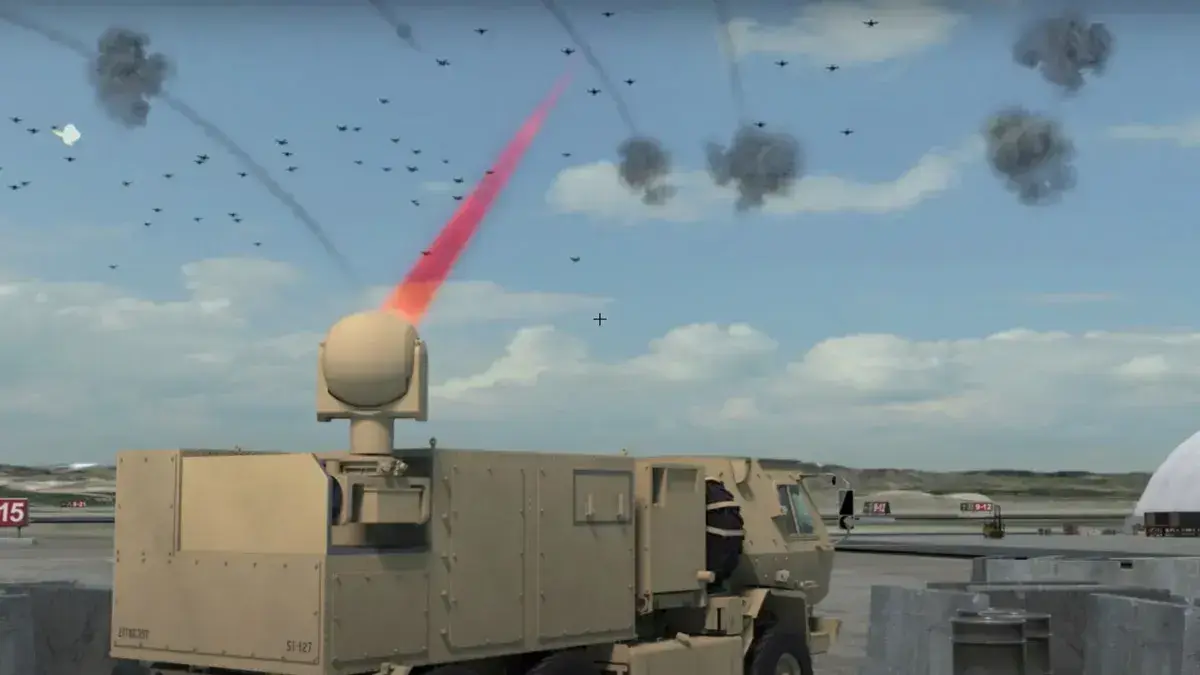
Precision targeting and sensor suite
The system uses advanced AI-driven algorithms to automatically identify and prioritise targets based on factors such as speed and trajectory, enhancing its effectiveness against erratic aerial manoeuvres. It is also fitted with a sophisticated day-and-night electro-optical sensor suite, drawing on Paras Defence’s expertise in advanced defence optics. This enables reliable performance during nighttime missions, low-visibility conditions and smoke-filled combat environments.
)
)
)
)
)