Space Farming to Brain Studies: What India’s Astronaut Shubhanshu Shukla Researched on the ISS

India’s astronaut, Group Captain Shubhanshu Shukla, conducted seven (7) key research experiments during his mission aboard the International Space Station (ISS) as part of the Axiom-4 mission
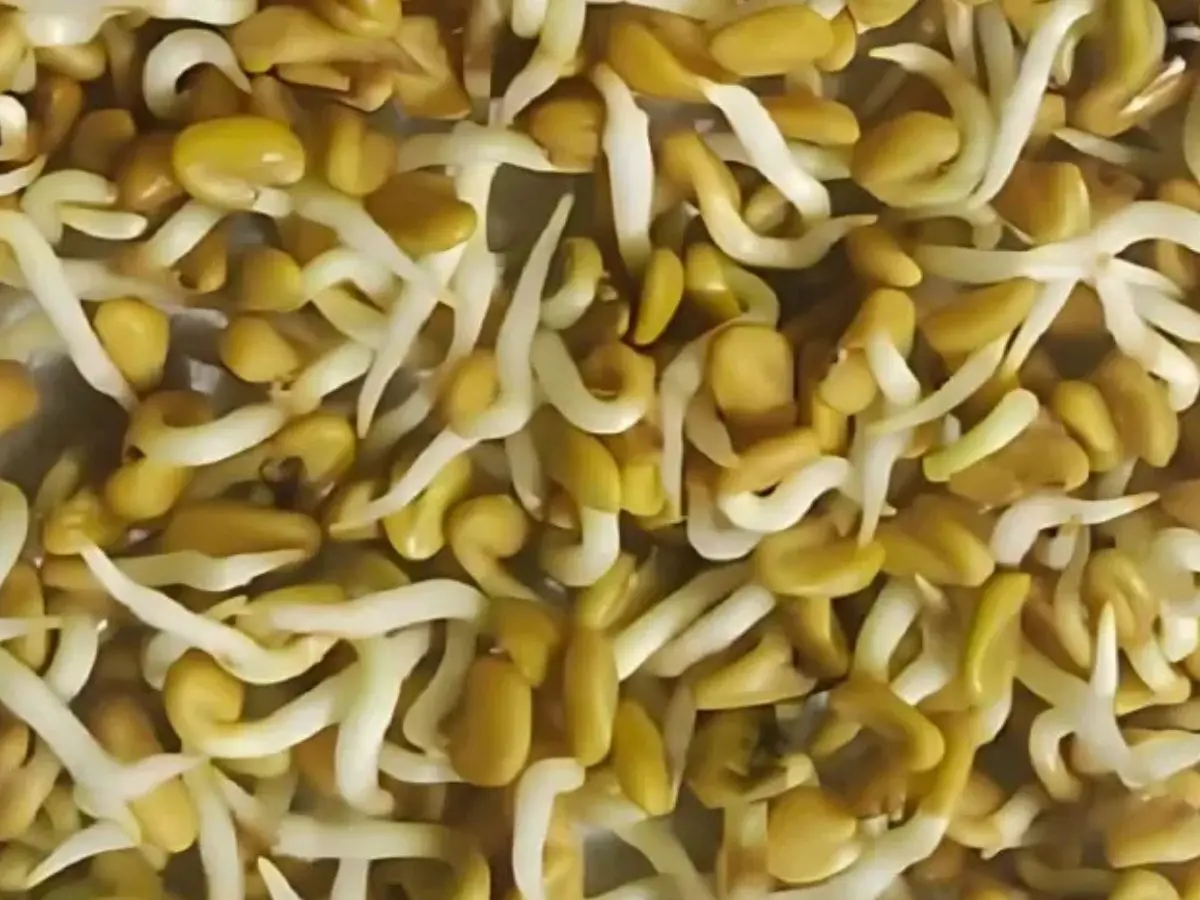
Space Farming (Moong & Methi)
Objective: Study seed germination, growth, and nutrient profile in microgravity.
Crops: Green gram (moong) and fenugreek (methi).
Purpose: Explore sustainable space agriculture and food generation.
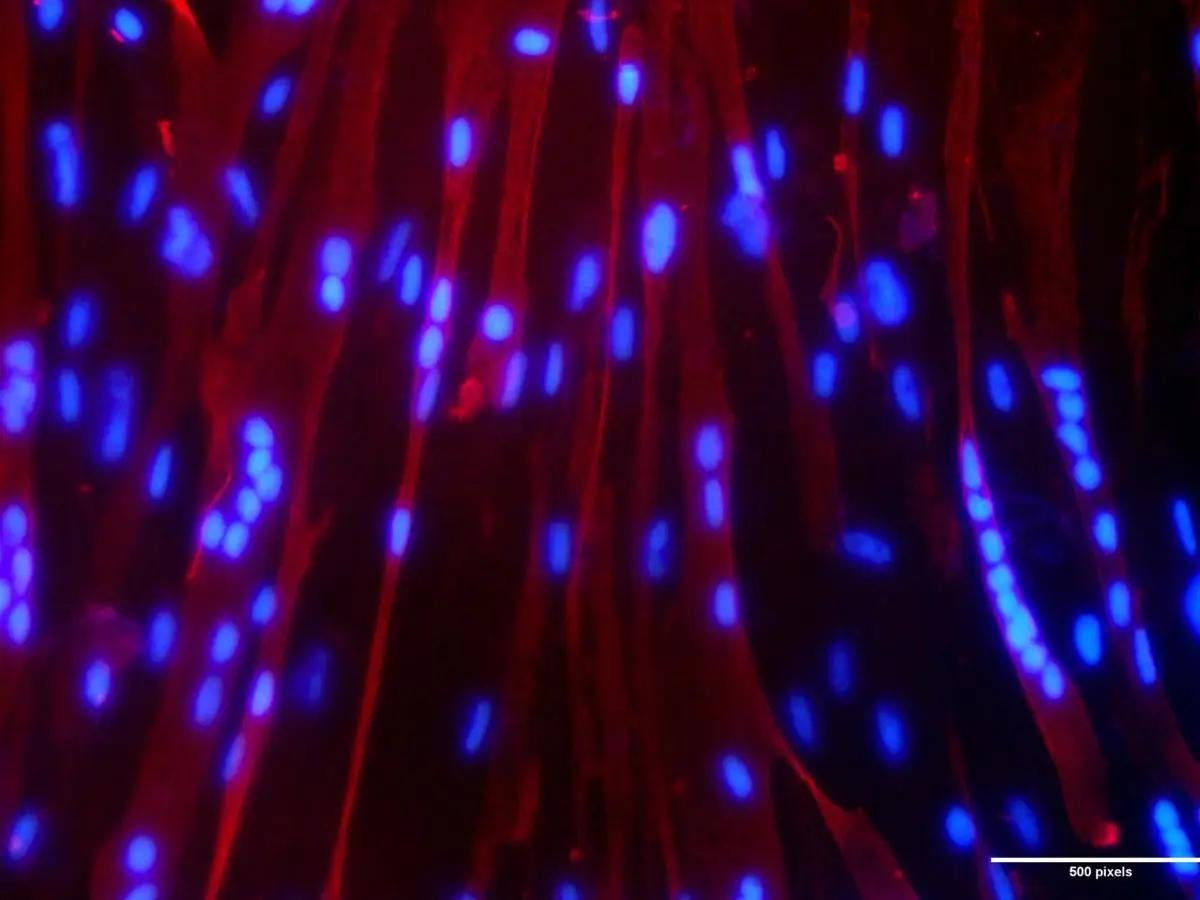
Muscle atropy
Method: Study metabolic pathways and muscle cell reactions to microgravity.
Application: Counteract muscle loss in astronauts during long missions.
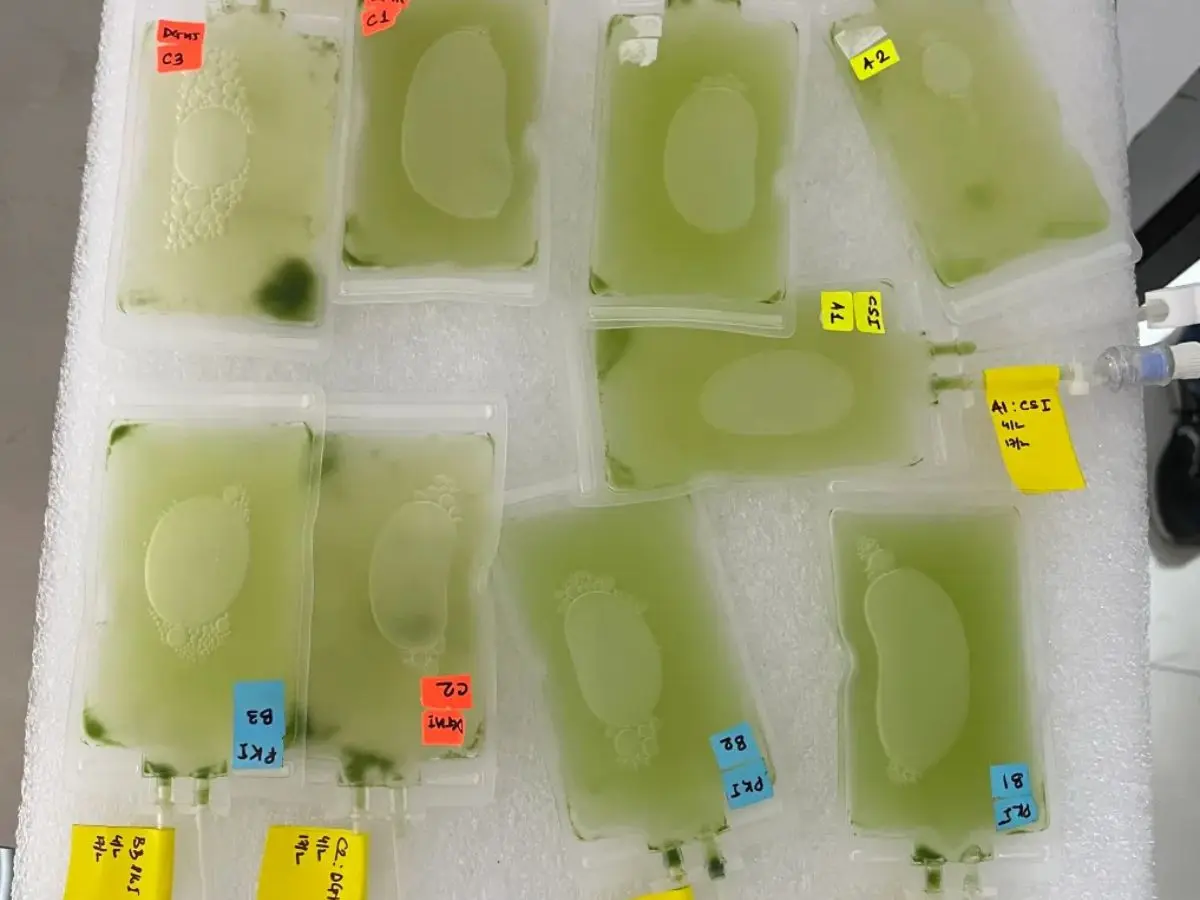
Microalgae and Cyanobacteria Study
Organisms: Photosynthetic microbes.
Aim: Assess CO₂ recycling and oxygen production in space bioreactors.
Implication: Future life-support systems for long-duration missions.
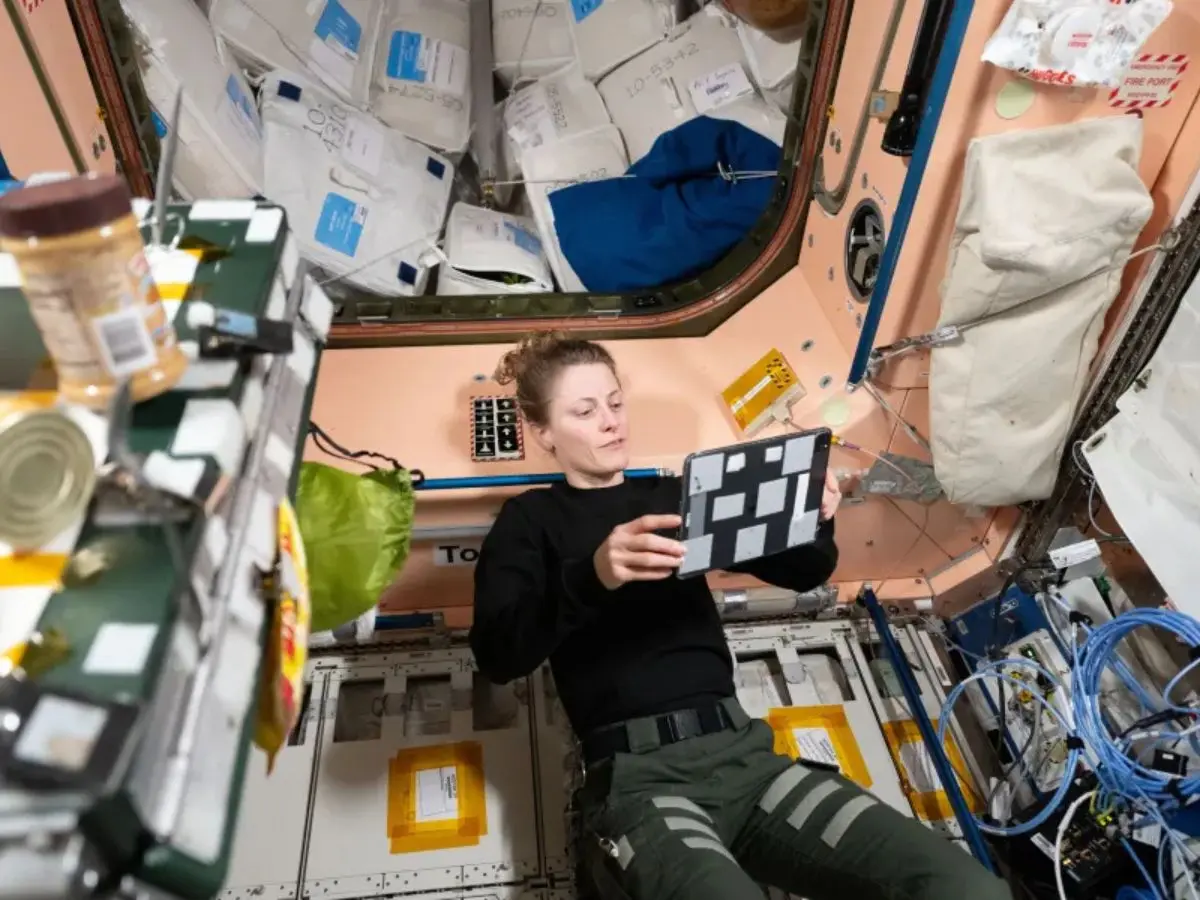
Human–Computer Interaction (Voyager Display Interface)
Focus: Track how zero-G affects hand-eye coordination and interface usage.
Goal: Improve future spacecraft system design and ergonomics.
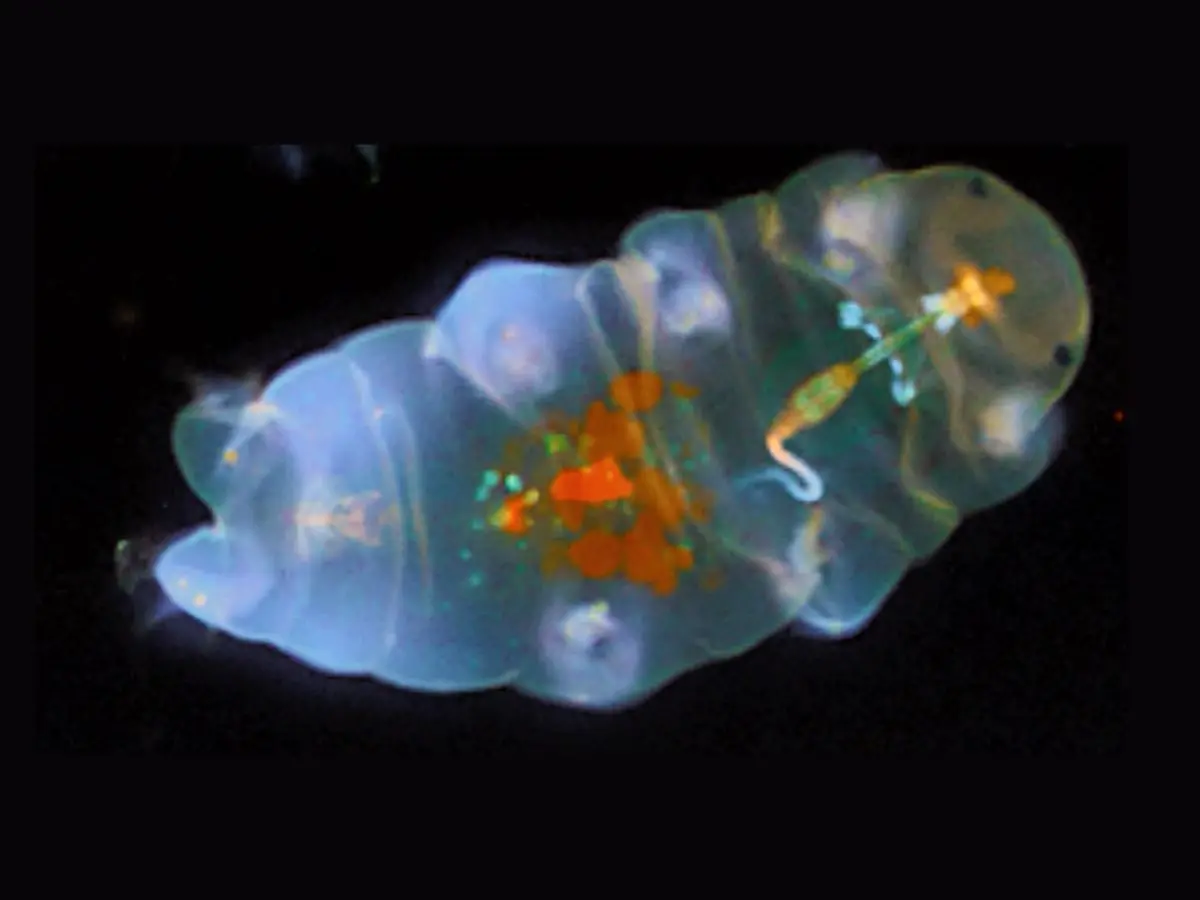
Tardigrade Biology
Organism: Tardigrades (microscopic “water bears”).
Focus: Examine how these extremophiles survive and reproduce in space.
Goal: Support astrobiology and biotechnology research.
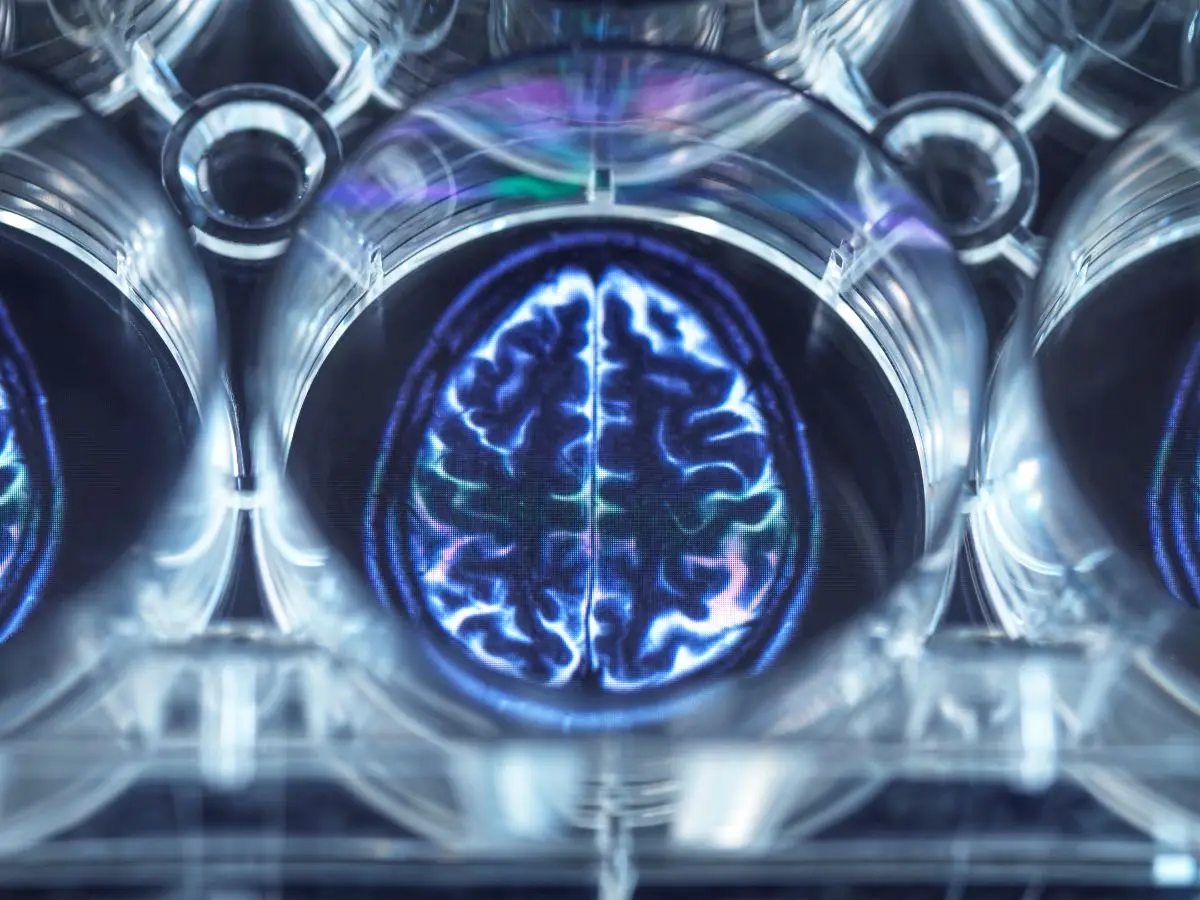
Brain Function & VR Neuro-Motion
Tools: Functional near-infrared spectroscopy (fNIRS), virtual reality systems.
Purpose: Measure motor control, cognition, and neuroplasticity in zero gravity.
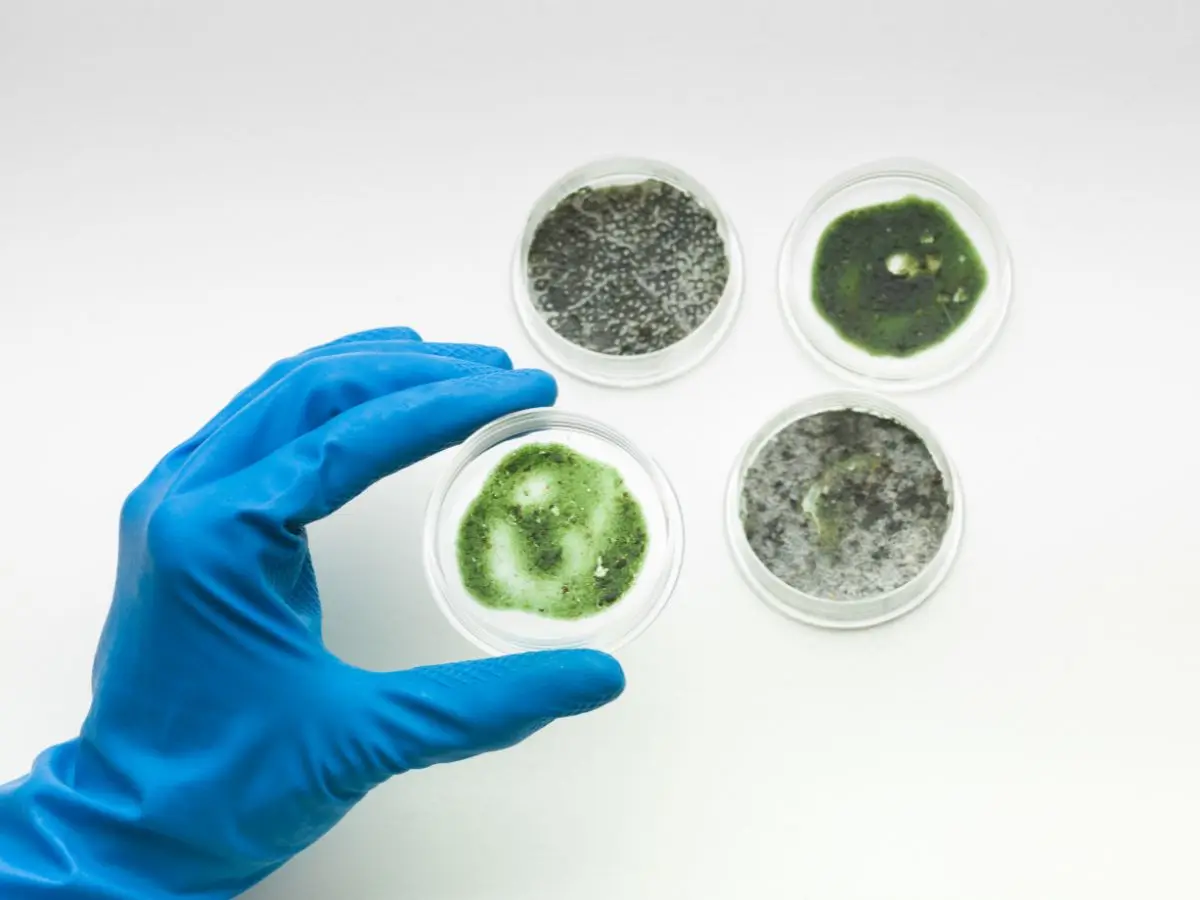
Microbial Growth in Space
Study: Behaviour of common microbes in space.
Importance: Ensures biosecurity, hygiene, and food safety in orbit.
)
)
)
)
)