Sixth-gen fighter race: 7 AI-powered deadly jets set to lead future air combat worldwide

AI is changing air combat as nations race to build sixth-generation fighter jets like the F-47. From the US to China and Europe, advanced jets now use AI for faster decisions, drone control, and smarter missions, reshaping the future of air power.
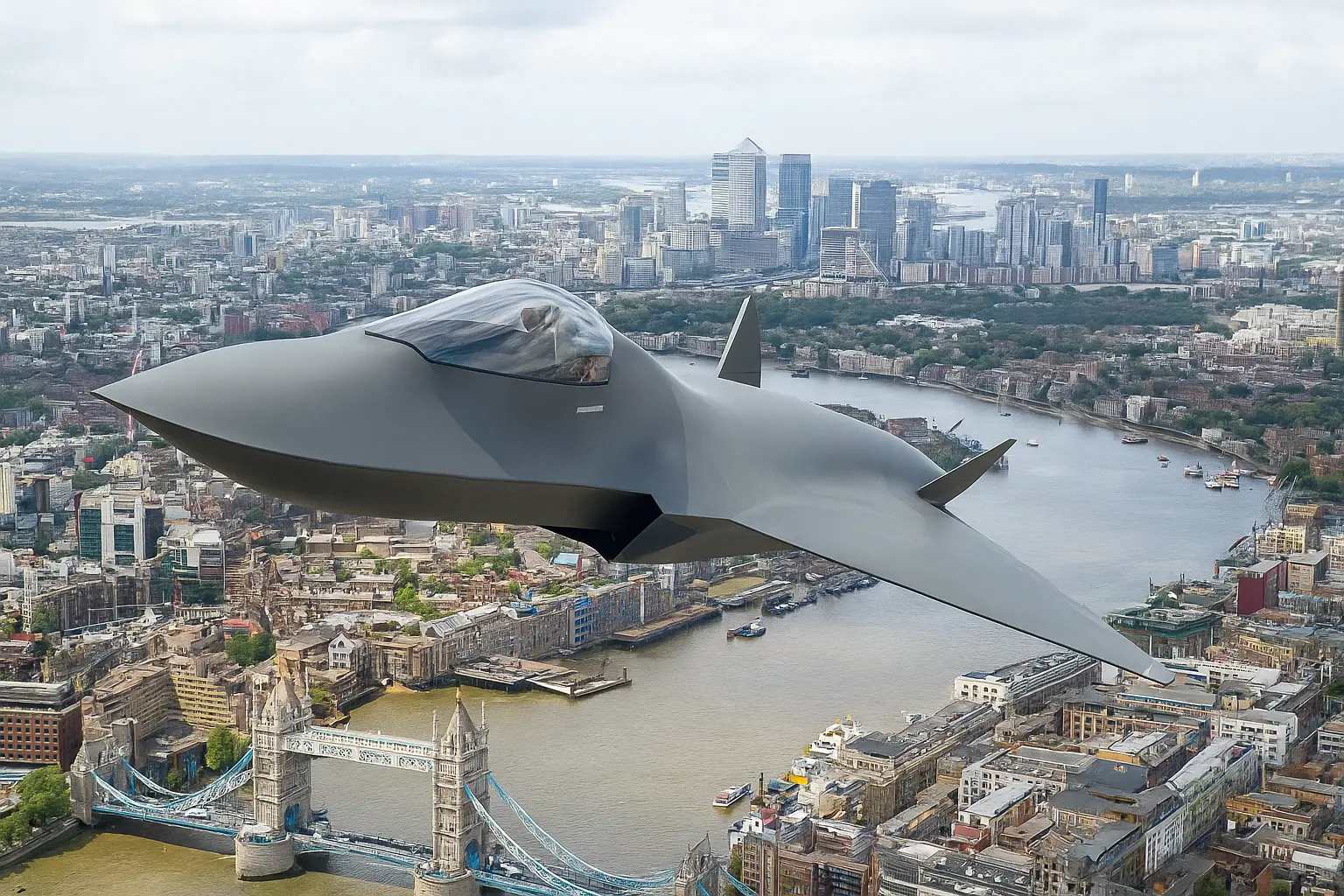
The Rise of AI in Fighter Jets
Fighter jets are entering a new era with artificial intelligence. Sixth-generation jets use AI for faster decisions, drone control, and advanced targeting. Nations are racing to build the smartest jets for future air dominance.
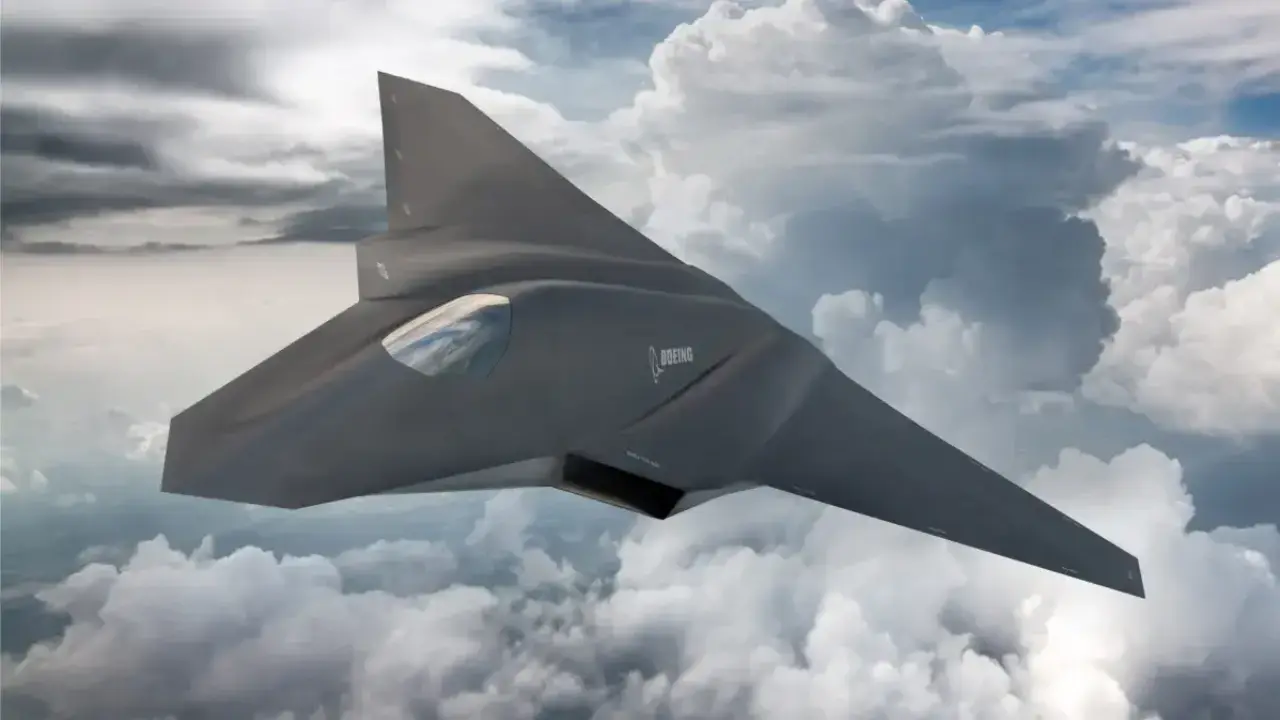
United States - F-47 (NGAD Programme)
The US F-47, under the NGAD programme, leads in AI-powered jets. Its AI helps pilots manage data, fly alongside drones, and adapt to threats in real time. The F-47’s digital cockpit and autonomous features set new standards for air combat.
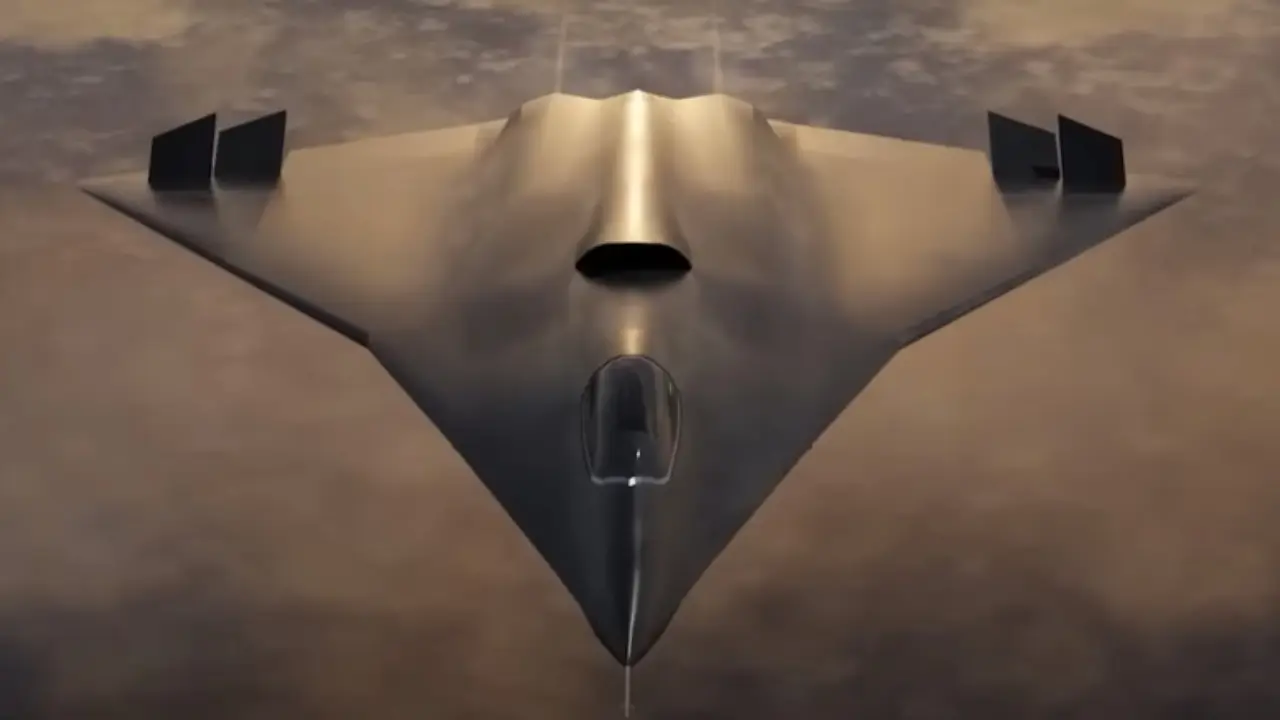
China - J-36 and J-50
China’s J-36 and J-50 are designed with AI for stealth, targeting, and drone teaming. As per reports, the jets will use machine learning to track enemy aircraft and control unmanned wingmen. China’s focus is on AI-driven tactics to challenge US air power.
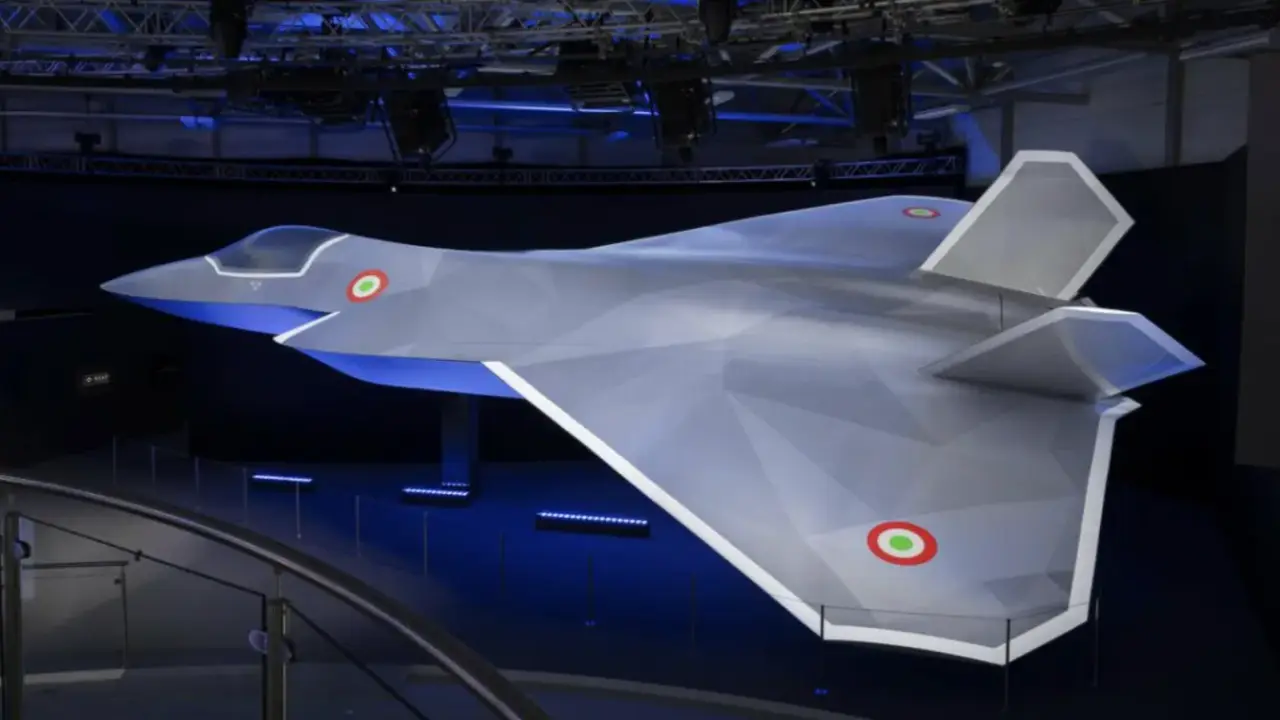
UK, Italy, Japan - Tempest (GCAP)
The Tempest, part of the Global Combat Air Programme, uses AI for threat detection, mission planning, and drone control. The jet’s “virtual co-pilot” supports pilots with real-time analysis, making operations safer and more efficient.
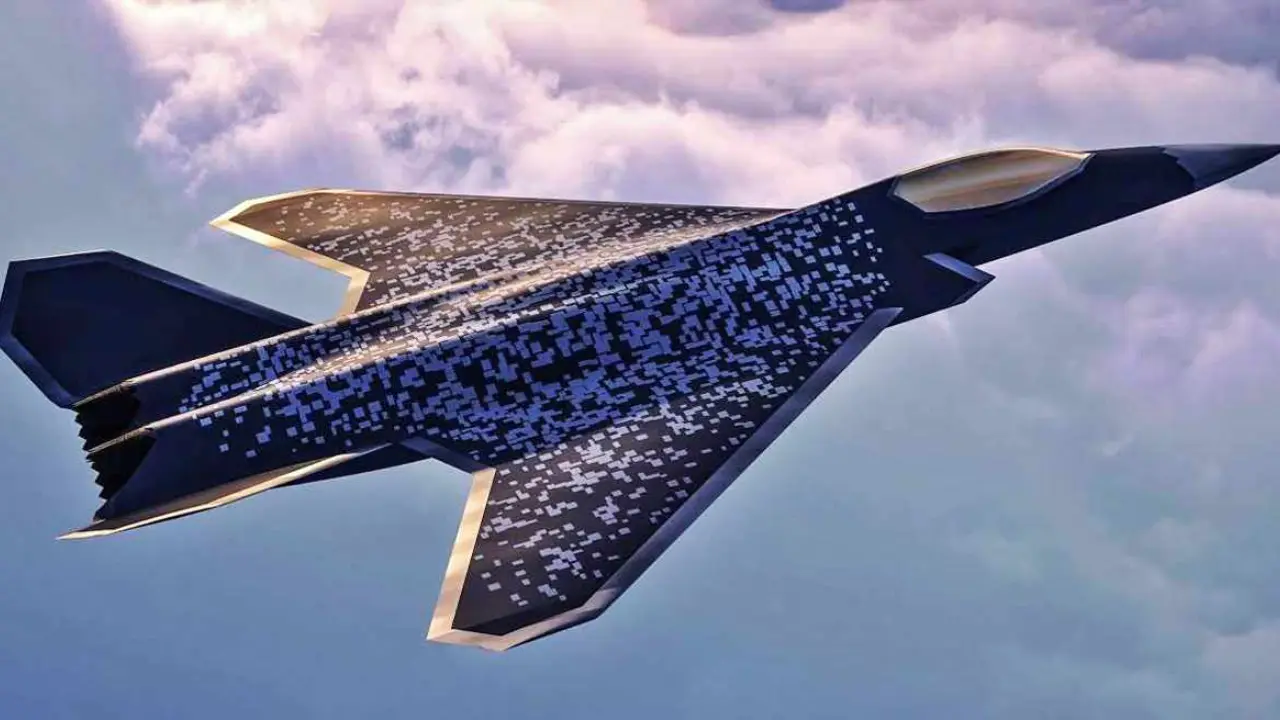
France, Germany, Spain - FCAS
Europe’s Future Combat Air System (FCAS) features AI for networked warfare. The system links manned jets with drones, sharing data instantly. AI powers electronic warfare, target selection, and defensive manoeuvres in complex battles.
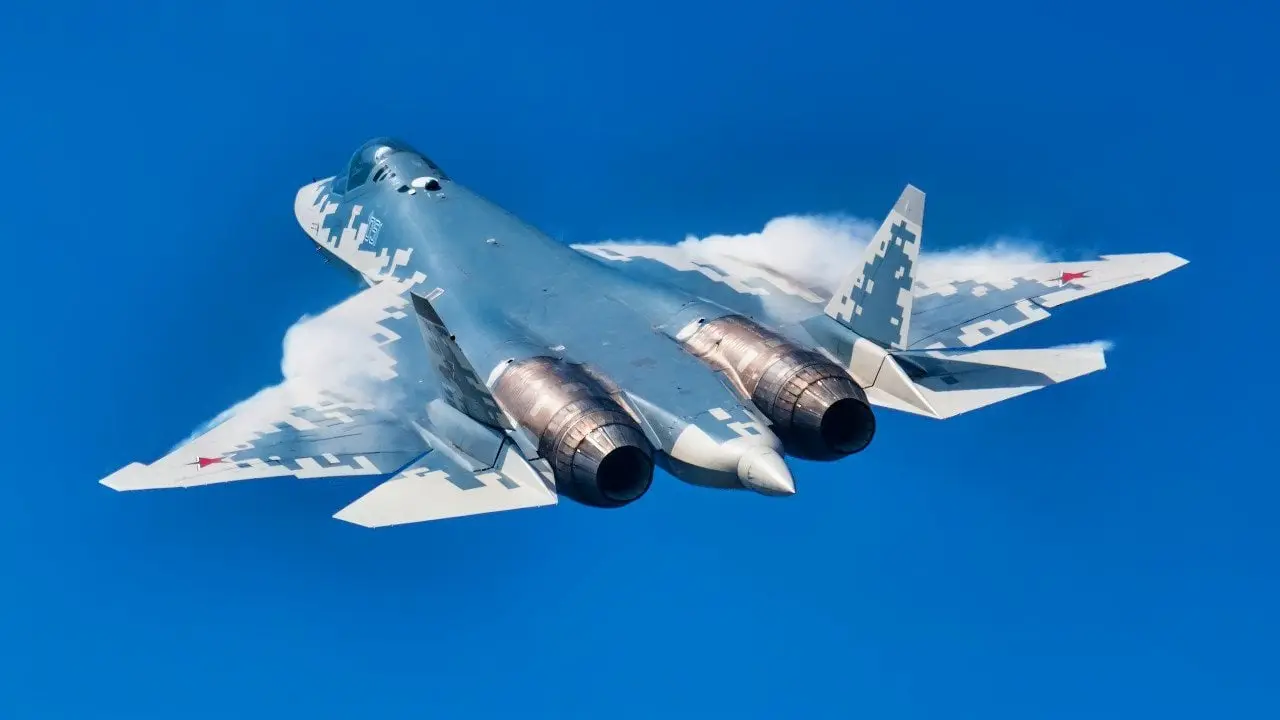
Russia - PAK DP and Su-57 Upgrades
Russia’s PAK DP and upgraded Su-57 jets are being developed with AI to support pilots, manage sensors, and control autonomous drones. These features help Russian advanced jets operate in contested airspace and respond quickly to threats.
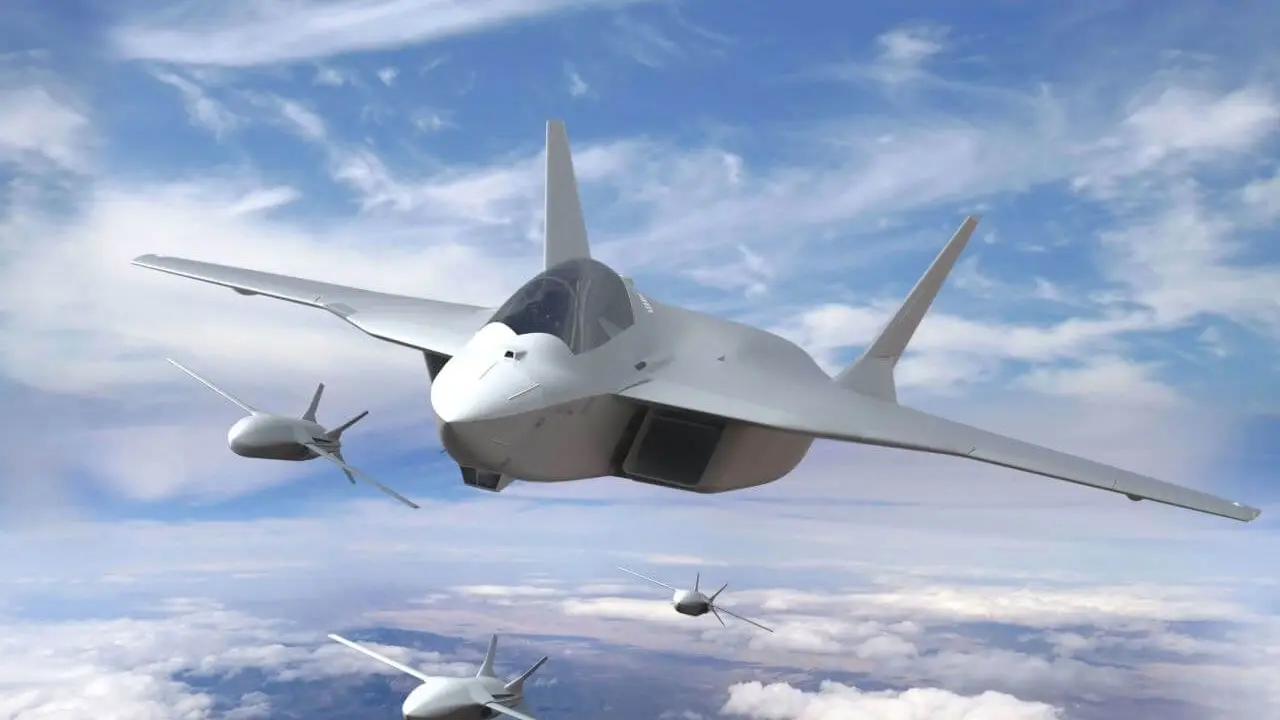
The Future of AI in Air Combat
AI is reshaping air warfare. The top five sixth-gen jets use AI for speed, safety, and smarter missions. As nations compete, the skies will be ruled by jets that can think, adapt, and fight with machine intelligence.
)
)
)
)
)