Ships to sink in Hormuz?: Why restoring shipping after mines is so difficult for Iran

Iran’s strategic mining of the Strait of Hormuz has severely backfired, creating a deadly, unmapped hazard for global maritime trade. With high-stakes peace talks underway in Islamabad, Tehran's inability to clear drifting explosives threatens to derail any immediate ceasefire agreement.
The Mining Campaign
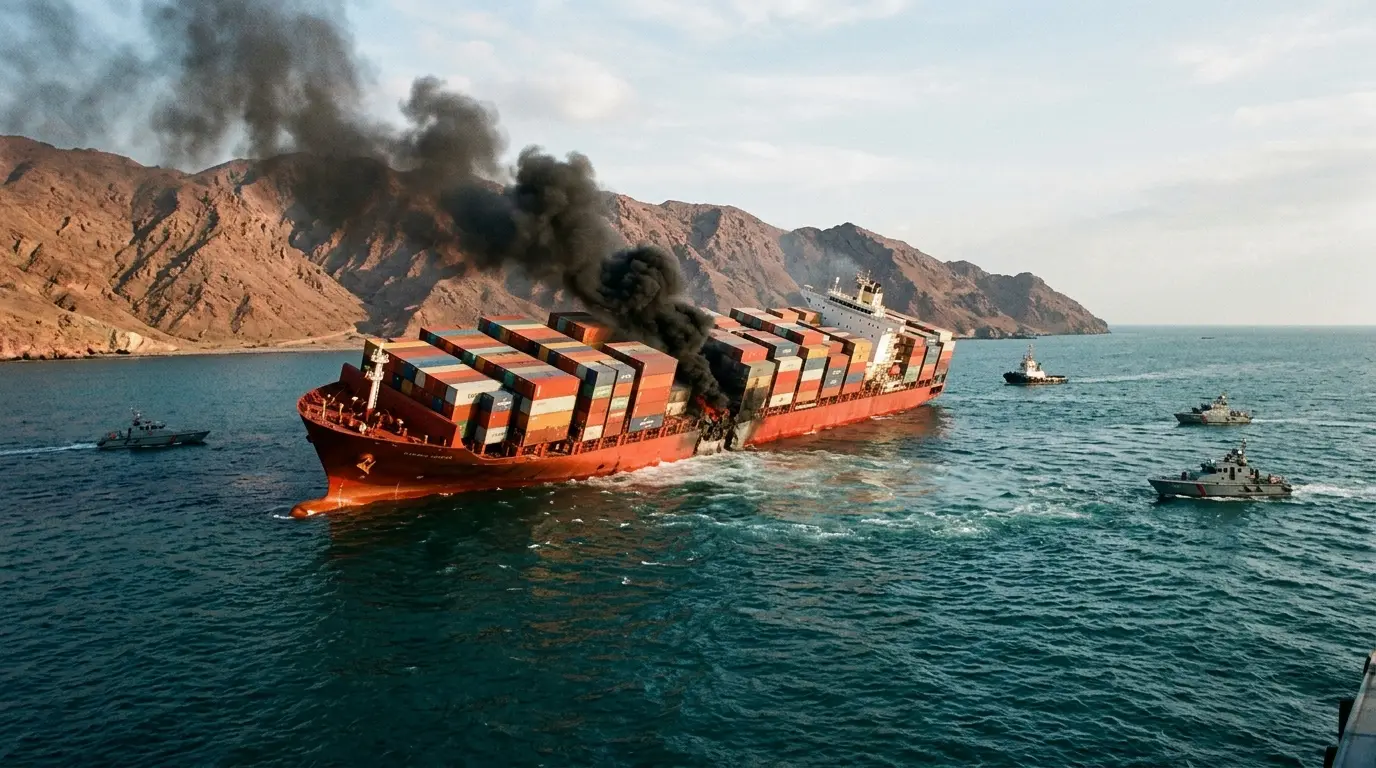
Following military strikes on February 28, Iran used small boats to rapidly seed the Strait of Hormuz with naval mines. According to The New York Times, this aggressive campaign immediately choked tanker movement and drastically spiked global oil prices.
A Lethal Miscalculation
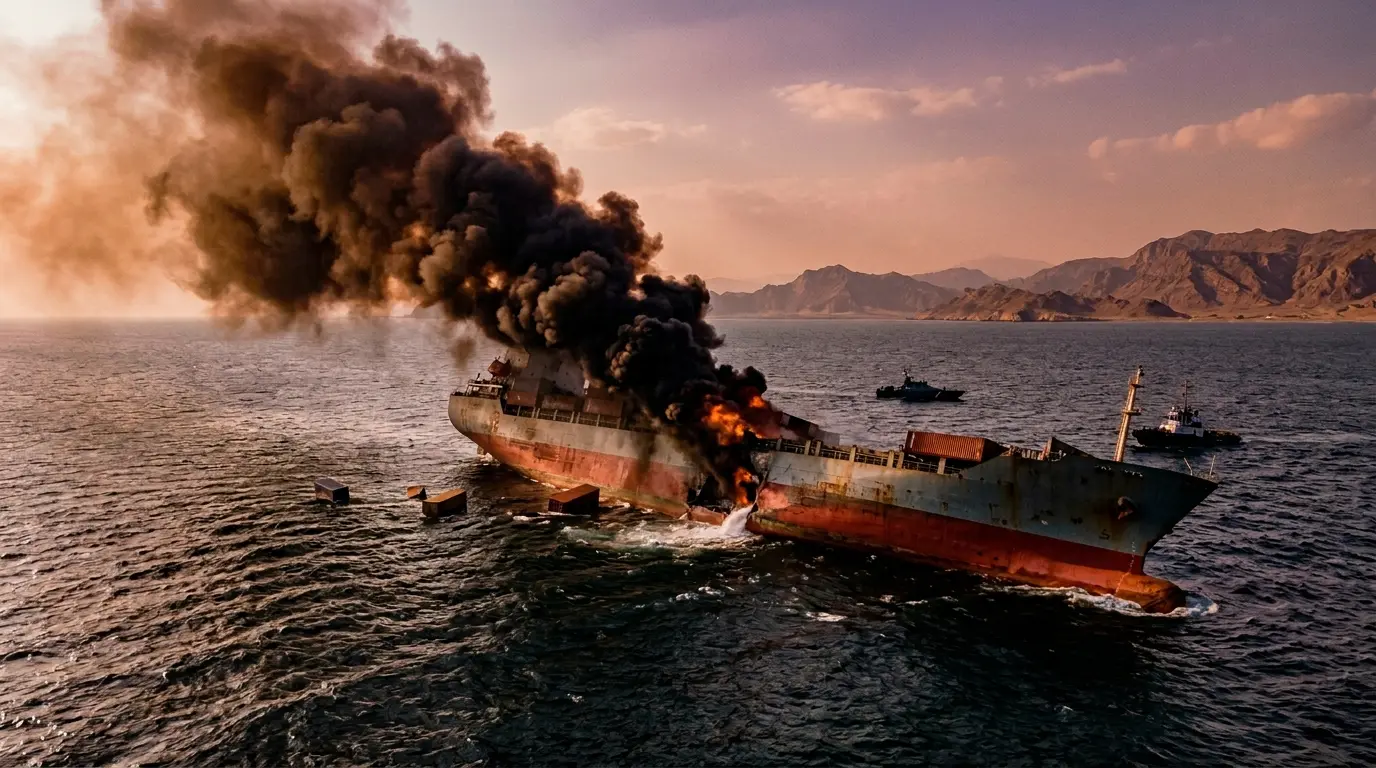
Iranian crews failed to record every explosive placement during the chaotic deployment. Furthermore, many devices have broken free from their moorings and drifted, turning the vital shipping lane into a highly unpredictable maritime trap.
The 'Technical Limits' Admission
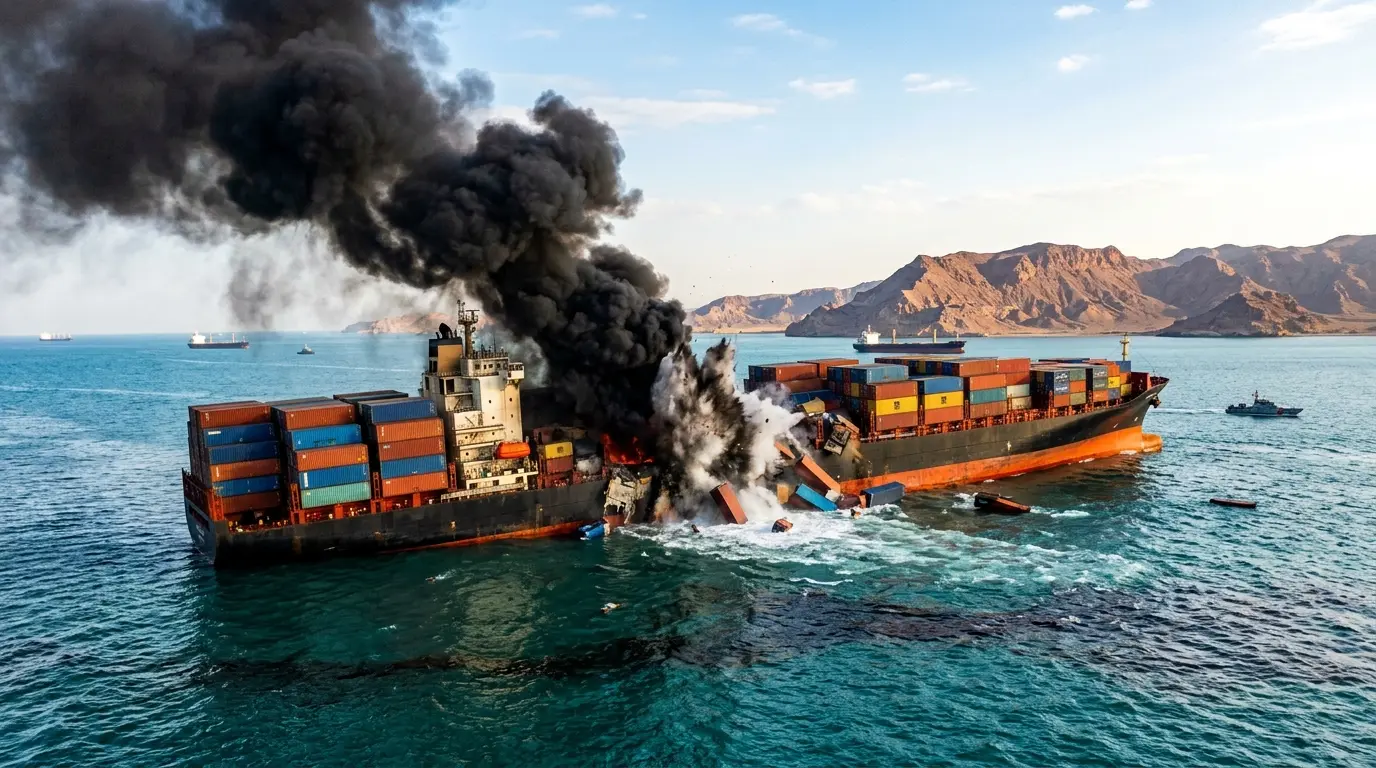
During high-stakes peace talks in Islamabad, Iranian Foreign Minister Abbas Araghchi stated that reopening the strait faces strict "technical limits." US officials interpret this phrasing as a direct admission that Tehran completely lacks the capability to guarantee safe shipping corridors.
The Narrow Toll Path
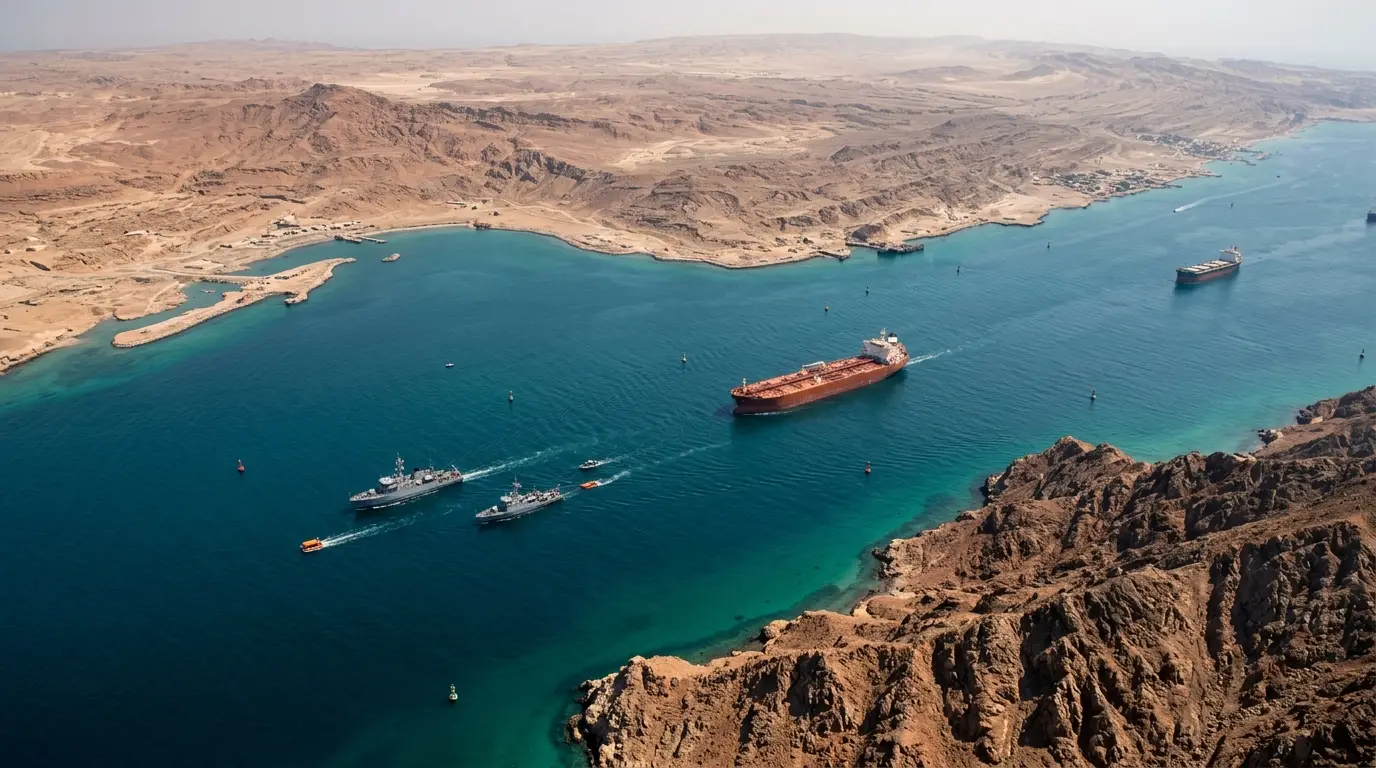
Currently, the Islamic Revolutionary Guard Corps only permits passage through a narrow, strictly controlled maritime path. Ships are forced to pay a hefty toll to navigate these limited safe routes, drastically increasing global transit and insurance costs.
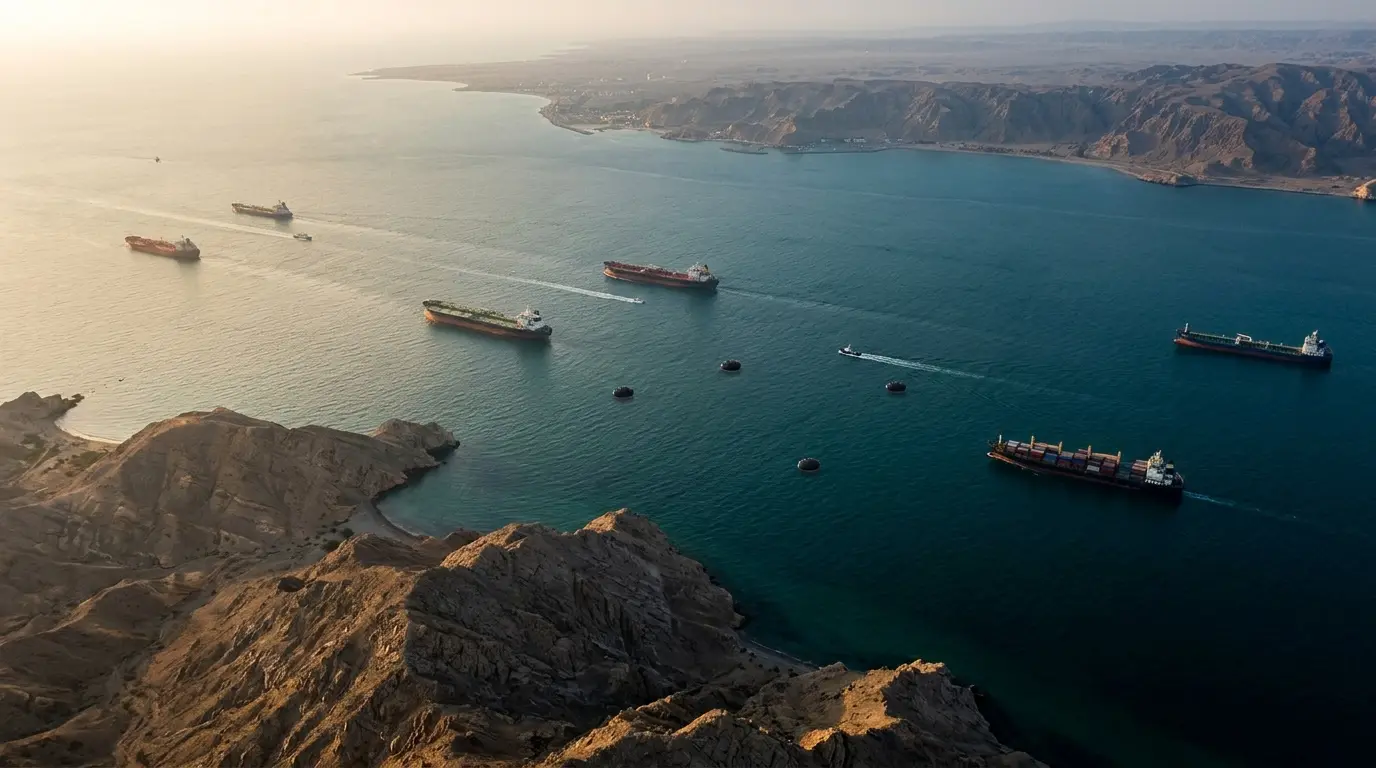
The Clearance Nightmare
Nautical mine clearance is an incredibly slow and dangerous process compared to initial deployment. Because of shifting tides and unrecorded drops, even previously known Iranian minefields are now considered completely unreliable.
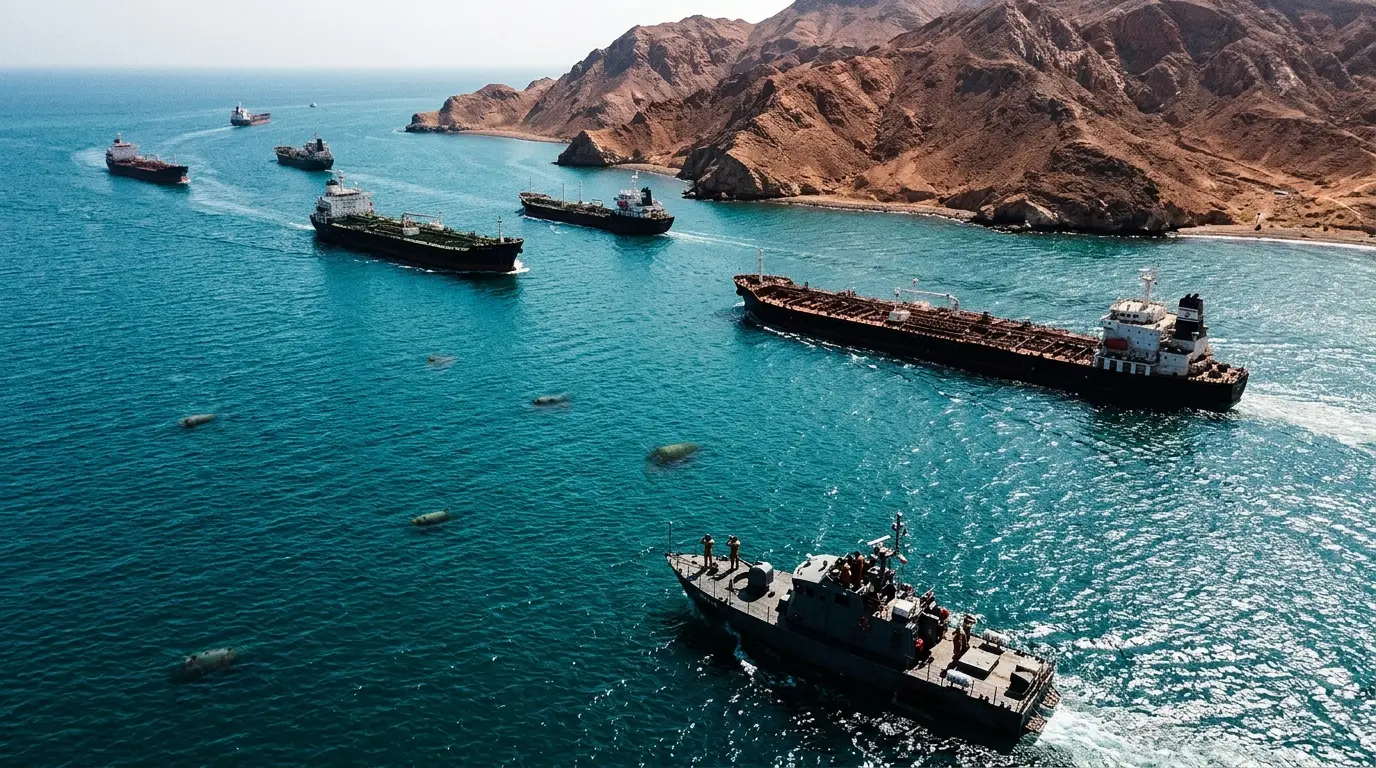
A Lack of Sweeping Gear
Clearing the waterway at speed requires highly specialised mine-countermeasure vessels. US intelligence confirms that Iran simply lacks the advanced sweeping equipment and highly trained naval units necessary to clear such a massive geographic area.
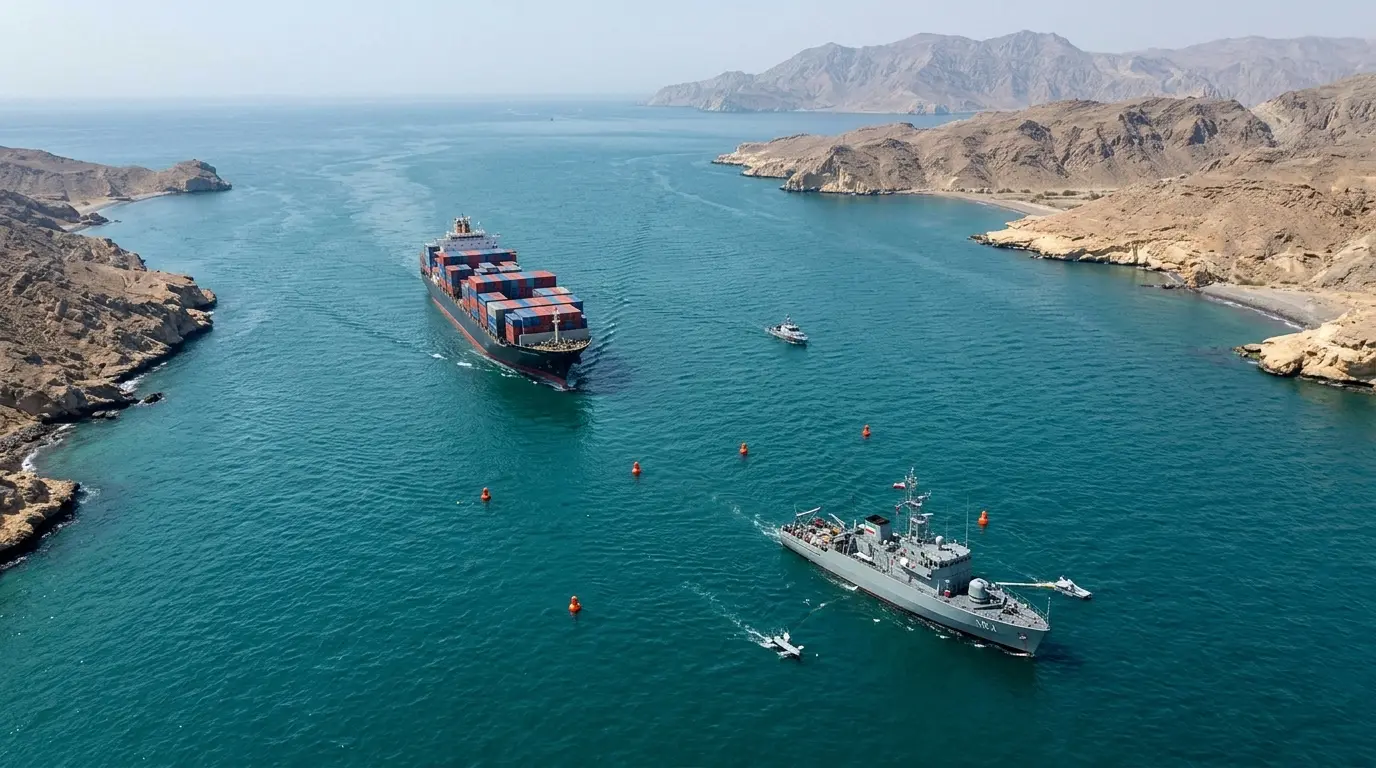
Ceasefire Demands
The unmapped minefield is now the primary hurdle in the ongoing Islamabad negotiations. The US delegation, led by Vice President JD Vance, demands the immediate reopening of the chokepoint as a mandatory condition for any pause in hostilities.
)
)
)
)
)